

Atmospheric electric fields form when charges separate in air through collisions, convection, and ionization.
I’ve spent years studying storms and atmospheric electricity, and I’ll walk you through exactly how is an electric field generated in the atmosphere. This guide breaks down the physics, the main drivers (from quiet fair-weather fields to violent thunderstorm charge separation), measurement methods, and real-world effects. Expect clear explanations, practical examples from field work, and simple steps you can use to understand or measure these fields yourself.

How is an electric field generated in the atmosphere: basic concepts and definitions
An electric field is a region where electric forces act on charges. In the atmosphere, those fields result from an imbalance in positive and negative charges over space. When charges separate, the space around them becomes electrically active. That activity is what we measure as an electric field.
Key definitions you should know:
- Electric charge: a property of particles (electrons, protons) that creates electric forces.
- Electric field (E): the force per unit charge at a point in space. It points from positive to negative.
- Charge separation: movement or segregation of positive and negative charges into different regions. This is central to how is an electric field generated in the atmosphere.
Common magnitudes:
- Fair-weather vertical field near ground: about 100 volts per meter.
- Thunderstorm fields near charge centers: 10,000 to 1,000,000 volts per meter.

Source: energycentral.com
Core mechanisms that explain how is an electric field generated in the atmosphere
Several processes cause charge separation and create atmospheric electric fields. They often work together in clouds and clear air.
Collision and ice processes
- Collisional charging: ice crystals, graupel, and supercooled droplets collide in clouds and exchange charge.
- Non-inductive charging: collisions under varied temperatures and liquid water content create strong charge differences.
- Result: distinct charge regions in a storm cloud form large electric fields.
Convection and separation by motion
- Updrafts and downdrafts move differently charged particles apart.
- Larger particles fall faster and collect one sign of charge; lighter particles ride up carrying the opposite sign.
- This vertical separation is a main way how is an electric field generated in the atmosphere during storms.
Ionization and background charging
- Cosmic rays and UV light ionize air molecules, producing free electrons and ions.
- These small ions drift under the global field and contribute to fair-weather electric fields.
- Near the ground, conduction and surface charges influence local fields.
Triboelectric effects and contact charging
- Dust, aerosol, and particle collisions on surfaces charge materials by contact.
- These can be important near dust storms, volcanic plumes, or industrial settings.
Surface and topographic effects
- Mountains, buildings, and foliage can concentrate or redistribute charge.
- Local geometry changes field strength, affecting how is an electric field generated in the atmosphere at small scales.

Source: quantamagazine.org
Thunderstorms, lightning, and charged cloud structure
Thunderstorms are the most dramatic examples of how is an electric field generated in the atmosphere. They create layered charge regions that drive lightning and strong local fields.
Typical storm charge layout
- Main negative charge region: often located mid-cloud, contains concentrated negative charge.
- Upper positive charge: resides near cloud tops.
- Lower positive charge: can form near the base or at the ground.
- This layered structure yields vertical fields that can reach breakdown thresholds and trigger lightning.
Lightning initiation and leader formation
- When local field strength exceeds a threshold, ionized channels (leaders) form.
- Leaders propagate, connect oppositely charged regions, and release huge currents as lightning.
- Lightning rapidly neutralizes some charges but storms often rebuild separation afterward.
Practical example from the field
- In a field campaign I observed charge layering on radar and with probes. We correlated graupel-rich regions with negative charge and small ice crystals with positive charge. That matched laboratory studies and clarified exactly how is an electric field generated in the atmosphere inside storm cells.

Source: geologyin.com

The global electric circuit and fair-weather fields
The atmosphere behaves like a weak global electric circuit. This circuit explains how local generators like thunderstorms maintain a worldwide field.
Basic elements of the global circuit
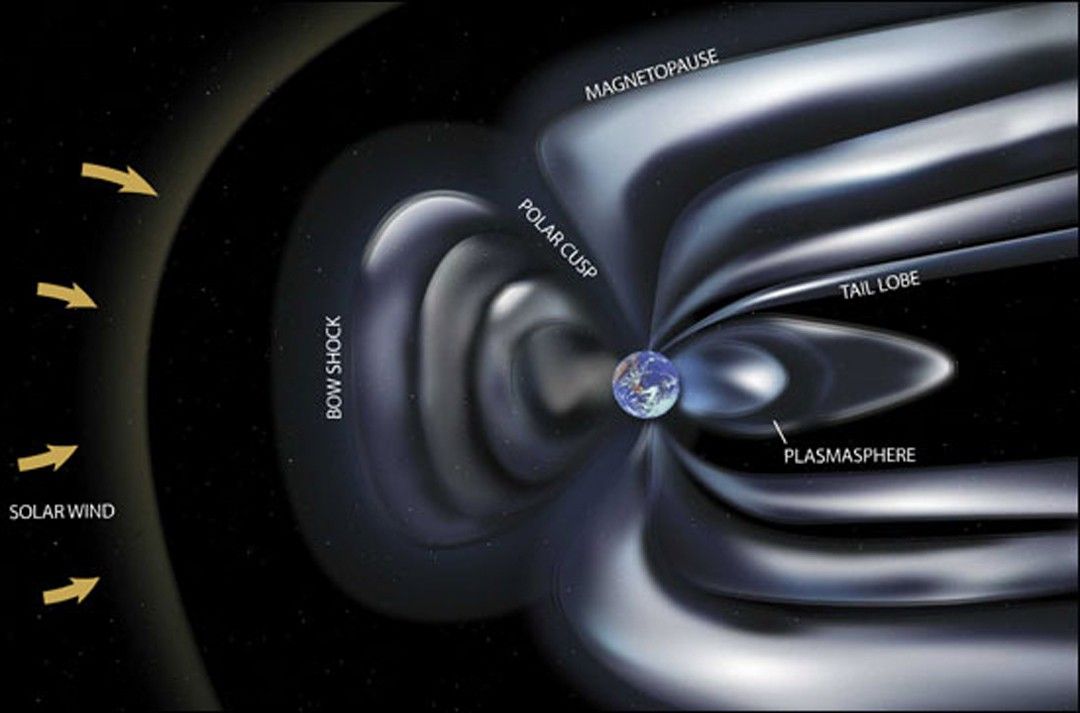
- Earth and ionosphere act like two plates of a giant capacitor.
- Thunderstorms and electrified clouds act as current sources that pump charge upward.
- Fair-weather regions see a steady downward conduction current carried by ions.
Why this matters
- Even when no storms are nearby, a small electric field exists at the ground because the global circuit maintains a potential difference of about 250,000 volts between ground and ionosphere.
- This shows another angle of how is an electric field generated in the atmosphere: localized generators (storms) sustain a global background field.

Source: nasa.gov
Measuring atmospheric electric fields: tools and techniques
If you want to study how is an electric field generated in the atmosphere, here are common instruments and methods.
Field mills and sensors
- Field mills measure the vertical electric field at the surface by using a rotating shutter to sample induced charge.
- They give continuous, reliable readings of fair-weather and thunderstorm fields.
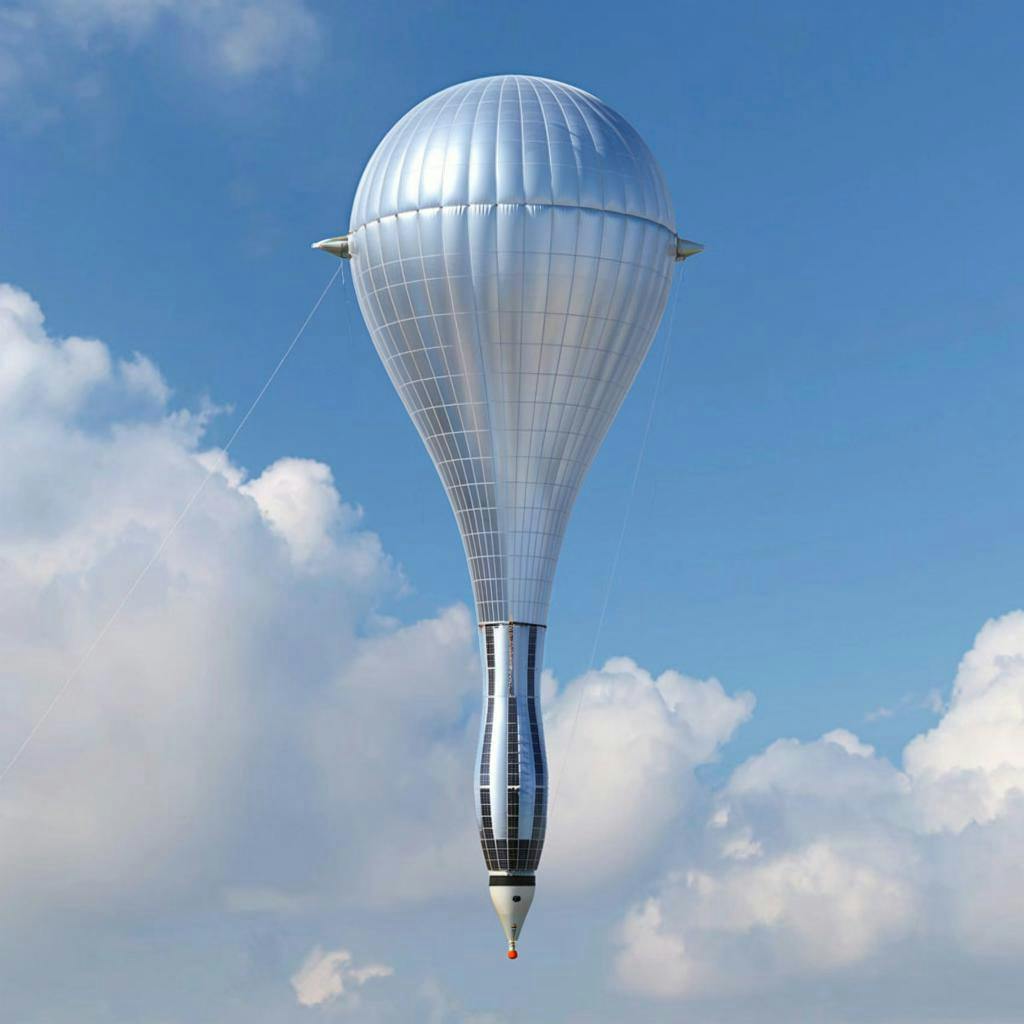
Balloon and radiosonde soundings
- Charge and field probes on balloons measure vertical profiles through clouds.
- These reveal charge layers and help explain how is an electric field generated in the atmosphere at different heights.
Aircraft-borne instruments
- Research aircraft fly through clouds with electric sensors and particle probes.
- They can map charge distribution inside storms and observe lightning initiation directly.
Remote sensing and satellites
- Lightning mapping arrays and satellite sensors detect optical and radio signatures of lightning.
- These tools infer electric field activity and help understand the large-scale patterns of how is an electric field generated in the atmosphere.
Impacts, safety, and practical tips
Understanding how is an electric field generated in the atmosphere has real-world value. It affects aviation, infrastructure, and personal safety.
Impacts
- Aircraft experience charge accumulation and lightning strikes; systems are designed to tolerate these.
- Power lines and tall structures are vulnerable to strikes and induced currents when fields are strong.
- Static buildup can affect electronics and experiments outdoors.
Safety and practical tips
- Avoid high ground or isolated trees during thunderstorms; strong fields precede strikes.
- Use certified lightning protection for buildings and outdoor gear.
- For amateur measurements, start with a commercial field mill or safe online resources and never attempt close cloud measurements without training.
Personal lessons learned
- In my work, the biggest mistake rookie teams make is underestimating cloud variability. Measure multiple times and cross-check instruments.
- Keep meticulous logs. Comparing particle spectra, radar, and field readings reveals patterns that single instruments can miss.
People also ask
What creates the electric field near the ground?
Charge separation in the atmosphere and currents in the global circuit create the near-ground electric field. Thunderstorms and ionization balance drive the steady value.
Can cosmic rays affect atmospheric electric fields?
Yes. Cosmic rays ionize air molecules, producing ions that carry current and influence the fair-weather electric field at small scales.
How strong can atmospheric electric fields get?
Fair-weather fields are around 100 V/m, while thundercloud fields can exceed 10,000 V/m and reach breakdown levels near leaders and lightning.
Frequently Asked Questions of how is an electric field generated in the atmosphere
What role do clouds play in creating atmospheric electric fields?
Clouds separate charge through collisions, freezing, and convection, forming layered charge regions. This separation is the primary driver of strong local electric fields in storms.
How do I measure the atmospheric electric field at home?
A commercial field mill or low-cost electric field sensor can measure the vertical field near the ground. Ensure safe mounting and avoid exposing sensors to direct lightning risk.
Does the sun affect atmospheric electric fields?
Solar activity and UV radiation change ionization rates in the upper atmosphere, which can modulate the global circuit and influence fair-weather fields slightly.
Are atmospheric electric fields dangerous?
Strong fields themselves are not usually dangerous, but they precede lightning, which is hazardous. Avoid exposed areas during high field or thunderstorm conditions.
How quickly do atmospheric electric fields change?
Fields can change from steady over minutes in fair weather to very rapidly (milliseconds to seconds) during lightning and leader formation. Storm dynamics drive the fastest changes.
Can humans influence atmospheric electric fields?
Large-scale human activities like tall stacks, urban heat islands, and pollution can locally change conductivity and aerosol distributions, subtly affecting local fields.
(End of FAQ)
Conclusion
Understanding how is an electric field generated in the atmosphere comes down to charge separation, motion, and ionization. From quiet fair-weather fields to the fierce fields inside thunderstorms, the same principles apply: move charges apart and a field appears. If you’re curious, start with simple measurements and compare them to weather data—hands-on study accelerates learning. I encourage you to try a safe field measurement, read more about the global electric circuit, or leave a question below so we can explore practical experiments together. Subscribe for updates or share your field observations in the comments.