

Ozone forms when oxygen molecules split and recombine into O3 under UV light or electrical energy.
I study atmospheric chemistry and have spent years reading papers, running models, and standing next to field instruments. This article explains clearly how is ozone generated in the atmosphere, from the stratosphere where it shields life to the ground-level ozone that can harm health. Read on for simple chemistry, real-world examples, measurement tips, and practical actions you can use or explain to others.
What is ozone and why it matters
Ozone is a molecule made of three oxygen atoms. It is called O3 and is different from the common O2 we breathe. Ozone matters because it absorbs UV rays high in the sky and acts as a pollutant near the ground. Understanding how is ozone generated in the atmosphere helps us protect health and the climate.
How is ozone generated in the atmosphere: the basic chemistry
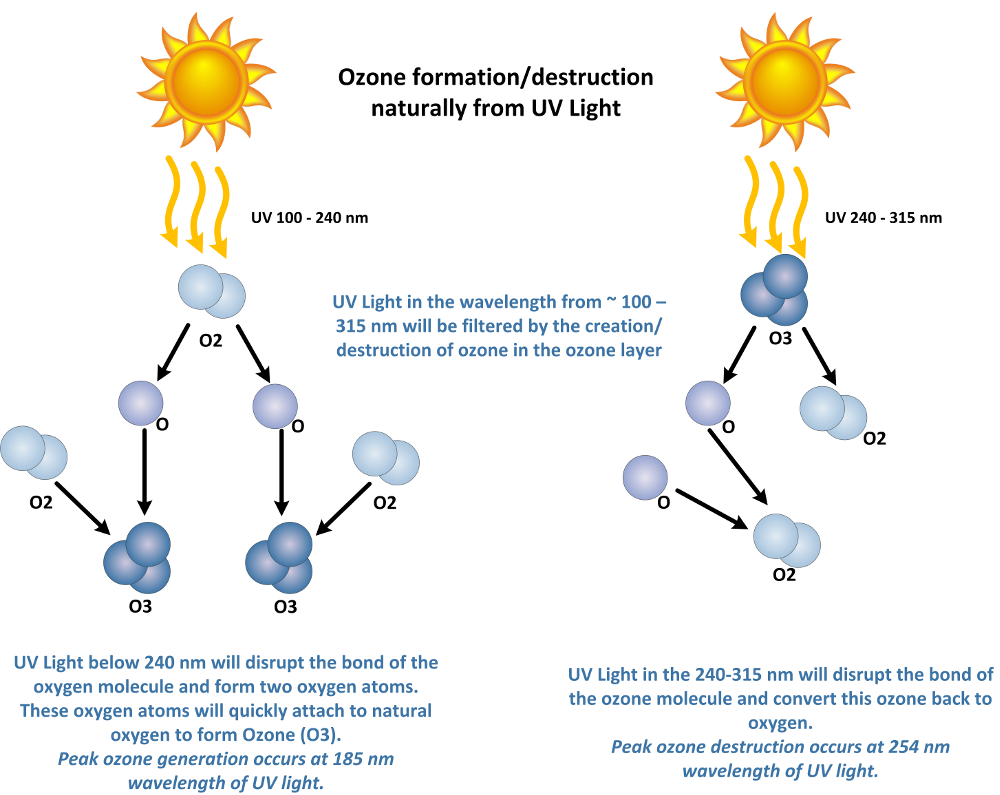
The core chemical steps are simple and repeatable. First, high-energy sources break an O2 molecule into two oxygen atoms. Then one free oxygen atom quickly joins O2 to form ozone, O3. The steps occur in many places in the atmosphere when energy is present.
Key steps
• Photodissociation: UV light breaks O2 into two O atoms.
• Recombination: Free O atom joins O2 to form O3.
• Cycling: O3 can absorb UV, split back into O2 and O, and continue the cycle.
How is ozone generated in the atmosphere depends on the local energy source and available molecules. In plain terms, split oxygen plus energy equals ozone.
Stratospheric ozone formation (the protective layer)
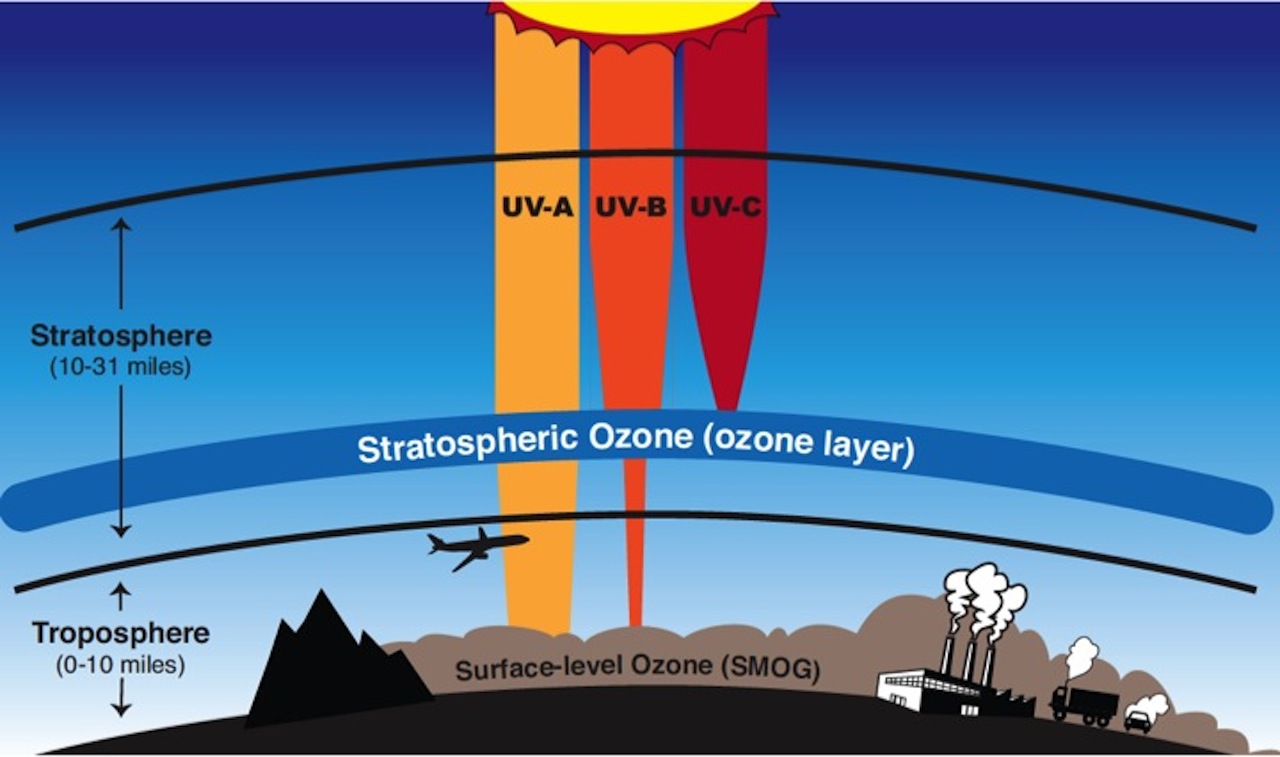
Most of the planet’s ozone lives in the stratosphere, 10 to 50 kilometers up. Solar ultraviolet light drives the process there. Shortwave UV breaks O2 and creates free oxygen atoms. Those atoms combine with O2 to form O3. Ozone in the stratosphere then absorbs incoming UV, which protects life on Earth.
Important points
• Energy source: intense solar UV.
• Dominant chemistry: photolysis of O2 and O3.
• Balance: production and destruction maintain an ozone layer.
Ozone chemistry in the stratosphere is well studied. Models and satellite data show how seasonal, solar, and chemical changes affect the layer. This is key to answering how is ozone generated in the atmosphere on a global scale.
Tropospheric ozone formation (ground-level ozone and smog)
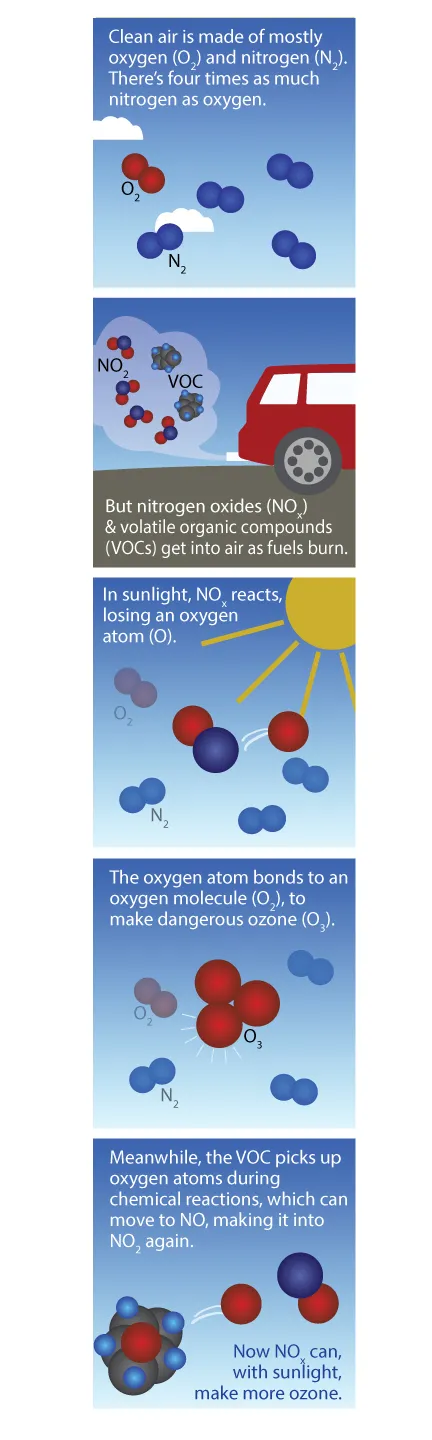
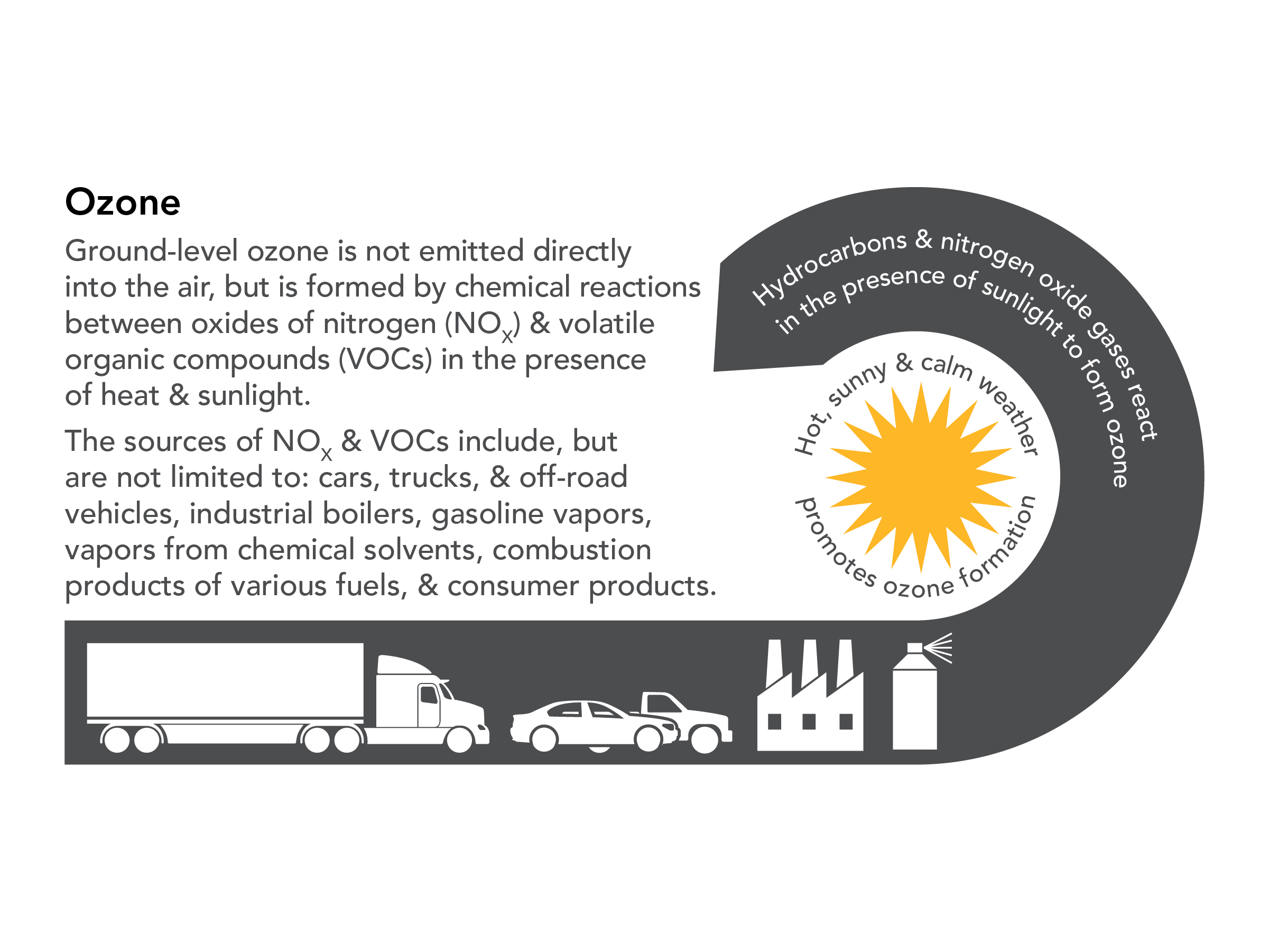
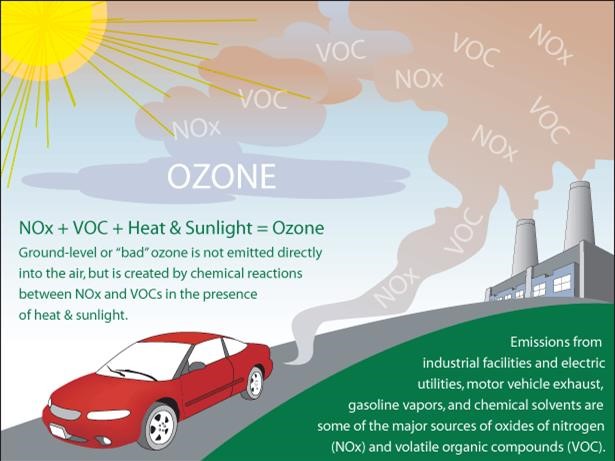
Tropospheric ozone forms by different routes than stratospheric ozone. Here, sunlight acts on pollutants like nitrogen oxides (NOx) and volatile organic compounds (VOCs). The reactions create free oxygen atoms and peroxy radicals that lead to ozone. This ozone is a pollutant and harms lungs, plants, and materials.
Common drivers
• Urban emissions: vehicles and industry release NOx and VOCs.
• Sunlight: bright days speed up ozone formation.
• Stagnant air: traps precursors and raises ozone concentrations.
When people ask how is ozone generated in the atmosphere near the ground, the simple answer is sunlight-driven chemistry of human-made and natural chemicals.
Factors that influence ozone production and loss
Ozone levels depend on many moving parts. The rate of production, availability of precursors, sunlight strength, and temperature all matter. Chemistry with nitrogen, hydrogen, and halogens can speed or slow ozone formation. Transport of air masses can move ozone from one region to another.
Key factors
• Precursor amounts: NOx and VOC levels control production.
• Sunlight intensity: more UV means faster photochemistry.
• Temperature: higher temperatures often increase ozone formation.
• Atmospheric mixing: winds can dilute or concentrate ozone.
I once ran a simple urban box model to test ozone spikes. Changing VOC levels by a small amount moved peak ozone significantly. That hands-on run taught me how sensitive ozone chemistry can be to small human actions.
Natural versus human contributions
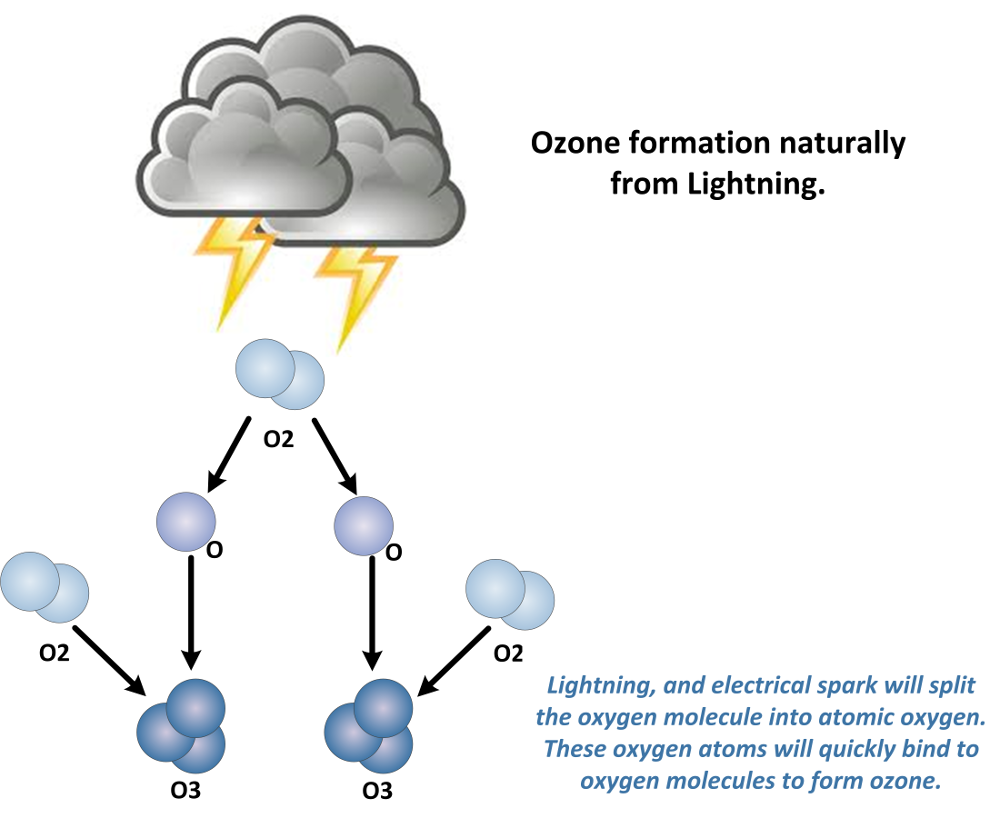
Both natural and human sources help form ozone. Natural sources include lightning, wildfires, and biogenic VOCs from trees. Human sources include cars, power plants, and solvents. The balance varies by place and time.
Notes on contribution
• Natural events: lightning produces NOx that can create ozone downwind.
• Wildfires: emit large amounts of VOCs that form ozone.
• Human activity: persistent urban emissions raise average ozone.
Recognizing the mix helps answer how is ozone generated in the atmosphere in different settings. Cities often face human-driven ozone problems, while remote regions see episodic natural-driven ozone spikes.
Measuring and modeling ozone formation
Scientists measure ozone with ground stations, balloons, and satellites. Instruments detect O3, NOx, and VOCs. Models simulate chemical reactions and air flow to predict ozone formation. Together, measurements and models reveal how ozone forms and changes.
Common tools
• Ground monitors: track surface ozone for public health warnings.
• Ozonesondes and balloons: profile ozone through the atmosphere.
• Satellite sensors: map global ozone and its trends.
• Chemical transport models: simulate how is ozone generated in the atmosphere.
From my fieldwork, I can say that instruments need careful calibration. Small sensor errors can skew apparent ozone trends. That lesson matters when interpreting how is ozone generated in the atmosphere from real data.

Health, climate, and ecosystem impacts
Ozone plays good and bad roles. High in the stratosphere it shields UV rays. Near the ground it damages lungs, crops, and materials. Ozone is also a greenhouse gas and affects climate when abundant in the troposphere.
Impacts at a glance
• Health: aggravates asthma and reduces lung function.
• Agriculture: reduces crop yields and plant growth.
• Climate: acts as a short-lived climate pollutant in the lower atmosphere.
Explaining how is ozone generated in the atmosphere helps communities reduce exposure and protect sensitive ecosystems.
How to reduce harmful ozone formation
Policy and simple actions can cut ground-level ozone. Reducing NOx and VOC emissions is the main route. Other steps include better urban planning and public awareness on high-ozone days.
Practical tips
• Drive less or choose cleaner vehicles to cut NOx emissions.
• Avoid using solvents and gas-powered lawn tools on hot days.
• Support policies that reduce industrial emissions of ozone precursors.
I have advised local agencies on timed bans for certain equipment on hot days. Those small rules can lower peak ozone and improve health locally.
Common questions people search about how is ozone generated in the atmosphere
What splits oxygen to start ozone formation?
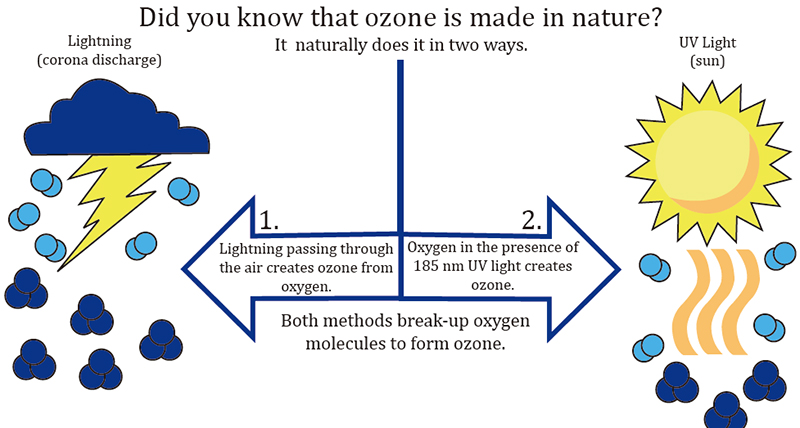
High-energy ultraviolet light from the sun and electrical discharges like lightning split O2 into single oxygen atoms. Those free atoms then join O2 to make ozone.
Is ground-level ozone the same as the ozone in the upper atmosphere?
They are the same molecule, O3, but their roles differ. Stratospheric ozone shields UV, while ground-level ozone is a harmful air pollutant.
Can human activity create ozone far from cities?
Yes. Emissions can travel long distances. Sunlight-driven chemistry can form ozone downwind of emission sources.
How quickly does ozone form during a sunny day?
Ozone can rise rapidly in hours on hot, sunny days with high emissions. Peak levels often occur in the afternoon.
Can plants make ozone?
Plants emit VOCs that participate in ozone formation, but they do not directly create O3. Biogenic emissions can boost ozone in the presence of NOx and sunlight.
Frequently Asked Questions of how is ozone generated in the atmosphere
How fast does ozone form in the atmosphere?
Ozone can form within minutes to hours after oxygen is split by UV or other energy sources. The exact speed depends on sunlight, temperature, and precursor levels.
Does lightning make ozone?
Yes, lightning produces NOx and reactive species that help form ozone locally and downwind. That ozone can persist and affect air quality for days.
Why does ozone vary by season?
Seasonal changes in sunlight and temperature change reaction rates. Summer has stronger UV and warmer air, which often raises ozone levels.
Can we measure ozone formation directly?
We measure ozone and its precursors, then use models to infer formation rates. Direct tracking of every reaction is not feasible, so models and measurements work together.
Is ozone only bad for health?
No. Ozone is protective in the stratosphere but harmful near the ground. Context matters when discussing how is ozone generated in the atmosphere.
Conclusion
Understanding how is ozone generated in the atmosphere gives you tools to protect health and the environment. The same basic chemistry—splitting O2 and recombining atoms—plays out in many places, shaped by sunlight, emissions, and weather. Small actions, like reducing vehicle use and supporting clean-air policies, help cut harmful ozone. If this article helped, try sharing it, subscribing for updates, or leaving a comment with a question or local example you’ve seen.