

Are you curious about how solar energy is stored? You’re not alone.
As more people turn to renewable energy, understanding solar storage is crucial. It’s not just about generating energy; it’s about how you can keep it for when you need it most. Imagine harnessing the sun’s power during the day and using it to light your home at night.
Intrigued? We’ll break down the different methods of storing solar energy, how they work, and what they mean for your energy independence. Let’s dive in and explore the exciting world of solar energy storage together!
Battery Storage Systems
Battery storage systems allow solar energy to be saved for later use. They store excess energy generated during sunny days. This stored energy can then power homes and devices when sunlight is low, ensuring a reliable energy supply.
Battery storage systems play a crucial role in harnessing solar energy. They allow you to store energy generated during the day for use at night or during cloudy days. This capability enhances the efficiency of solar energy systems and makes them more reliable.Lithium-ion Batteries
Lithium-ion batteries are the most popular choice for solar energy storage. They are compact and lightweight, making them ideal for residential use. These batteries can charge and discharge quickly, providing energy on demand. Their longevity is impressive; they can last over 10 years with proper care. You might wonder about their cost. While they can be more expensive upfront, the long-term savings on energy bills often outweigh the initial investment. Plus, many manufacturers offer warranties that can give you peace of mind.Flow Batteries
Flow batteries present an innovative option for larger-scale solar energy storage. They consist of two electrolyte solutions stored in separate tanks. The energy is generated when these solutions flow together through a cell. This design allows for easy scaling; you can increase storage capacity simply by adding more tanks. One significant advantage is their longevity. Flow batteries can last for decades with minimal maintenance. However, they may not be suitable for smaller residential setups due to their size and complexity.Lead-acid Batteries
Lead-acid batteries have been around for a long time and are often used in off-grid solar systems. They are relatively inexpensive and widely available. However, they have a shorter lifespan compared to lithium-ion batteries, usually lasting around 5 to 7 years. Regular maintenance is also necessary to ensure optimal performance. Despite their drawbacks, lead-acid batteries can still be a viable option for those on a tight budget. If you are considering solar energy storage, weigh the pros and cons of each type carefully. What’s your priority—cost, efficiency, or longevity?
Credit: www.pbs.org
Thermal Energy Storage
Thermal energy storage helps store solar energy as heat. This process makes solar power usable even when the sun is not shining. It keeps energy available for later use. Two popular methods are molten salt technology and phase change materials. Both methods have unique benefits and applications.
Molten Salt Technology
Molten salt technology is widely used in solar power plants. It stores heat in salt that is heated to high temperatures. The salt remains in a liquid state, even at high heat. This allows for efficient energy storage. When energy is needed, the hot salt transfers heat to water. This creates steam, which powers turbines to generate electricity.
This method is cost-effective and reliable. It can store energy for long periods. Plants using molten salt can provide power at night or during cloudy days.
Phase Change Materials
Phase change materials (PCMs) are another effective storage method. PCMs absorb and release heat when they change from solid to liquid and back. This process helps keep temperatures stable. PCMs can store energy in smaller spaces compared to molten salt.
These materials are useful in buildings. They help maintain comfortable indoor temperatures. They also reduce energy costs. PCMs work well in both residential and commercial settings.
Mechanical Storage Methods
Solar energy can be stored through mechanical methods like pumped hydro storage. This process uses excess energy to pump water uphill. When energy is needed, the water flows down, turning turbines to generate electricity. It’s a simple and effective way to keep solar power available.
Mechanical storage methods play a crucial role in how solar energy is harnessed and utilized. By transforming solar energy into mechanical energy, these systems allow for the efficient storage of power, ensuring that you can access electricity even when the sun isn’t shining. Let’s dive into some of the most effective mechanical storage methods.Pumped Hydro Storage
Pumped hydro storage is one of the oldest and most widely used methods. It works by moving water between two reservoirs at different elevations. When excess solar energy is available, pumps move water uphill to the higher reservoir. During periods of high demand, the stored water is released to flow downhill, driving turbines to generate electricity. This method is incredibly efficient, often achieving over 70% efficiency. Many countries rely on this system to balance their energy needs, making it a dependable option. Have you ever noticed large dams? They may be part of this impressive energy storage network.Compressed Air Storage
Compressed air energy storage (CAES) uses air instead of water. This method compresses air in underground caverns or tanks when there’s surplus energy. Later, during peak demand, the compressed air is heated and expanded to drive a turbine, generating electricity. CAES can store energy for long periods and has a lower environmental impact than some other methods. This technology might seem complex, but it’s a smart way to harness energy and keep the grid stable. Have you ever thought about where the air goes when it’s compressed? Understanding this can deepen your appreciation for how energy is managed.Flywheel Systems
Flywheel systems store energy in a rotating mass. They use excess energy to spin a rotor at high speeds, converting electrical energy into kinetic energy. When energy is needed, the rotor slows down, releasing energy back into the system. This method provides quick bursts of energy and is highly efficient, often exceeding 90% efficiency. You might find flywheel systems in applications requiring rapid energy release, such as stabilizing power grids. Isn’t it fascinating how something as simple as a spinning wheel can contribute to energy storage? It shows how innovation can emerge from basic principles. Mechanical storage methods, like pumped hydro, compressed air, and flywheel systems, each have unique strengths. They not only help store solar energy but also play a key role in creating a more sustainable energy future. What method resonates most with you, and how do you think it can impact your community?Hydrogen Storage
Hydrogen storage is an important method for keeping solar energy. It captures excess energy and stores it for later use. This process makes solar energy more reliable. Hydrogen can be used in various applications, making it a versatile energy source.
Electrolysis Process
The electrolysis process splits water into hydrogen and oxygen. It uses electricity to break down water molecules. This method is efficient and effective for storing energy. Solar panels generate power to run the electrolysis system.
Hydrogen gas is collected during this process. It can be stored in tanks for future use. This way, energy from the sun is not wasted. Instead, it is converted into a storable form.
Fuel Cell Integration
Fuel cells play a key role in using stored hydrogen. They convert hydrogen back into electricity. This process only produces water as a byproduct. It is a clean and efficient way to generate power.
Integrating fuel cells with hydrogen storage enhances energy systems. It allows for smooth energy flow. When solar energy is low, fuel cells provide backup power. This creates a reliable energy solution for homes and businesses.
Grid-level Storage Solutions
Grid-level storage solutions are essential for managing solar energy. They help balance supply and demand. This ensures a stable energy supply for everyone. These systems store excess energy generated during sunny days. They release it when the sun isn’t shining. This technology supports a reliable energy grid.
Utility-scale Batteries
Utility-scale batteries are large systems designed for grid use. They store significant amounts of energy. These batteries can quickly release energy when needed. Lithium-ion batteries are the most common type used. They charge during peak solar production. They discharge energy during high demand periods. This helps maintain a steady energy flow.
Some projects use flow batteries. Flow batteries can scale easily. They offer long discharge times. This makes them suitable for longer energy needs. Utility-scale batteries help reduce energy costs. They also support renewable energy integration.
Hybrid Storage Systems
Hybrid storage systems combine different technologies. They often use batteries along with other systems. For example, they may use pumped hydro storage. This method moves water to higher elevations to store energy. When energy is needed, water flows down to generate power.
These systems improve efficiency and reliability. They can adapt to various energy demands. Combining technologies allows for more flexible energy solutions. Hybrid systems also enhance grid stability. They support renewable energy sources like solar and wind.
Emerging Technologies
Solar energy is stored mainly in batteries and thermal systems. Batteries capture sunlight and convert it into electricity for later use. Thermal systems hold heat from the sun, providing warmth even when the sun isn’t shining. This storage makes solar energy a reliable source for everyday needs.
Emerging technologies are reshaping how solar energy is stored, making it more efficient and accessible for everyday use. As the demand for renewable energy grows, innovative storage solutions play a critical role in harnessing solar power effectively. Let’s dive into some of these cutting-edge technologies that are paving the way for a sustainable future.Supercapacitors
Supercapacitors are gaining traction due to their ability to store and release energy quickly. Unlike traditional batteries, they can charge and discharge in seconds, making them ideal for applications that require rapid bursts of energy. These devices can cycle through thousands of charge and discharge cycles without significant degradation. This longevity means fewer replacements and lower costs over time. Imagine using a supercapacitor to power your electric vehicle for short trips. You can recharge it in minutes, making it perfect for urban commutes.Solid-state Batteries
Solid-state batteries are another promising development. They use a solid electrolyte instead of a liquid one, which enhances safety and energy density. These batteries can hold more energy in a smaller space, translating to longer-lasting power for your devices. For instance, a solid-state battery in an electric car could extend its range significantly. The increased safety factor also means less risk of leaks and fires, making them a more reliable choice for your home energy storage system.Gravity-based Systems
Gravity-based systems offer a unique approach by using weight and gravitational force to generate energy. In this system, excess energy lifts a heavy weight, and when energy is needed, the weight is lowered, generating power. This technology is particularly interesting because it can store large amounts of energy at a lower cost than traditional battery systems. It’s a practical solution for large-scale energy storage. Consider how these systems could be implemented in community energy projects, providing reliable power while minimizing environmental impact. These emerging technologies showcase the exciting possibilities for solar energy storage. Are you ready to embrace these innovations for a more sustainable energy future?Challenges In Solar Storage
Storing solar energy comes with many hurdles. These challenges affect how we use solar power. Understanding them helps us find better solutions.
Cost Implications
The first challenge is cost. Many storage systems are expensive. The price of batteries can be high. This makes solar energy less affordable for some people. Even with lower prices, upfront costs can deter buyers.
Investing in solar storage still requires significant funding. This limits access for smaller households. Lower-income families struggle to afford solar options.
Energy Losses
Energy loss is another issue. When we store energy, some gets wasted. This happens during the charging and discharging process. Batteries can lose up to 20% of energy. This inefficiency can make solar less appealing.
Keeping energy for a long time is also hard. Over time, batteries degrade. This leads to more energy loss. It reduces the overall effectiveness of solar storage.
Scalability Issues
Scalability is a critical concern. Many storage solutions work well for small systems. They struggle to keep up with larger needs. This can limit the growth of solar energy in communities.
As demand rises, current technologies may fall short. Developing larger systems can take time and resources. This slows down the adoption of solar energy.
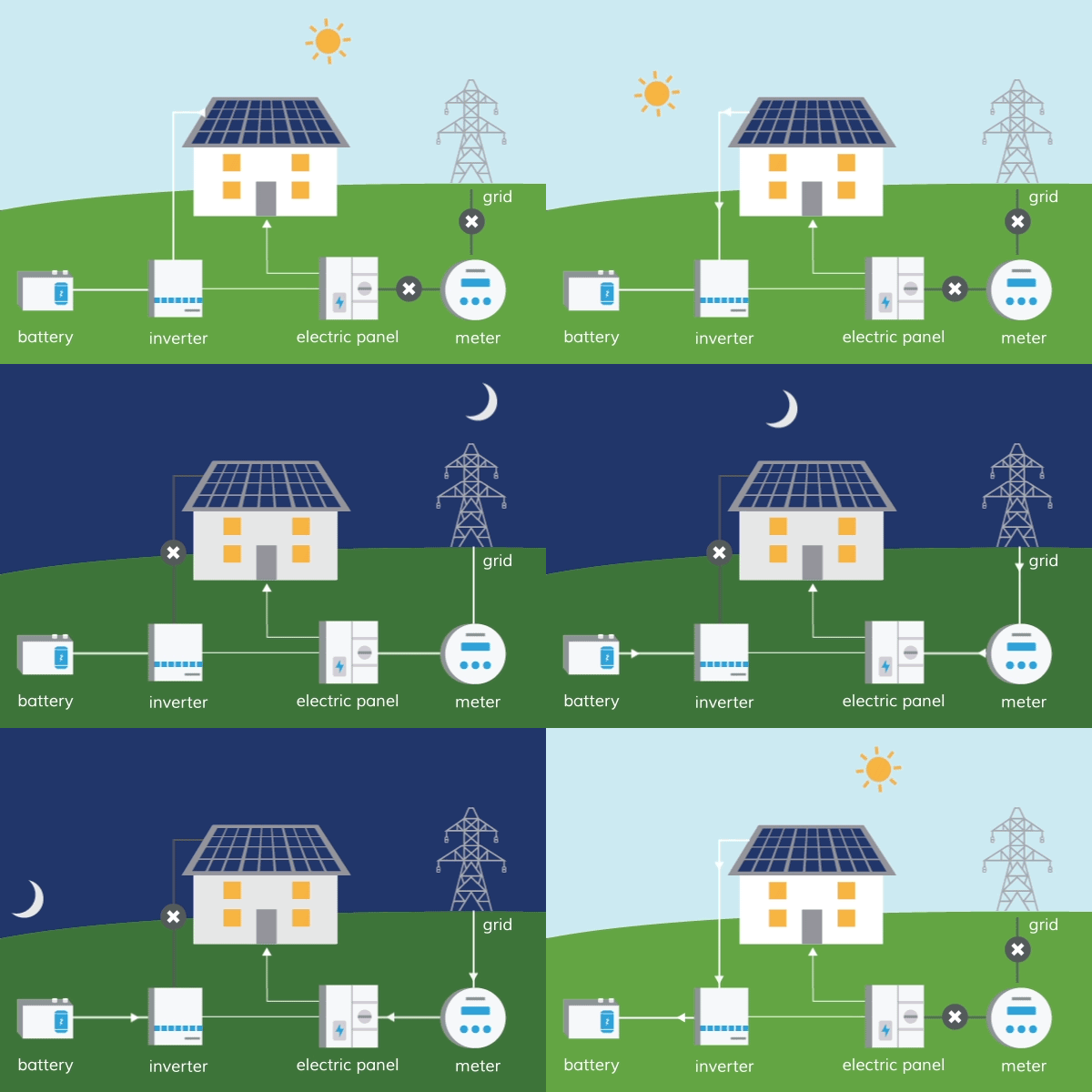
Credit: www.bullsbattery.com
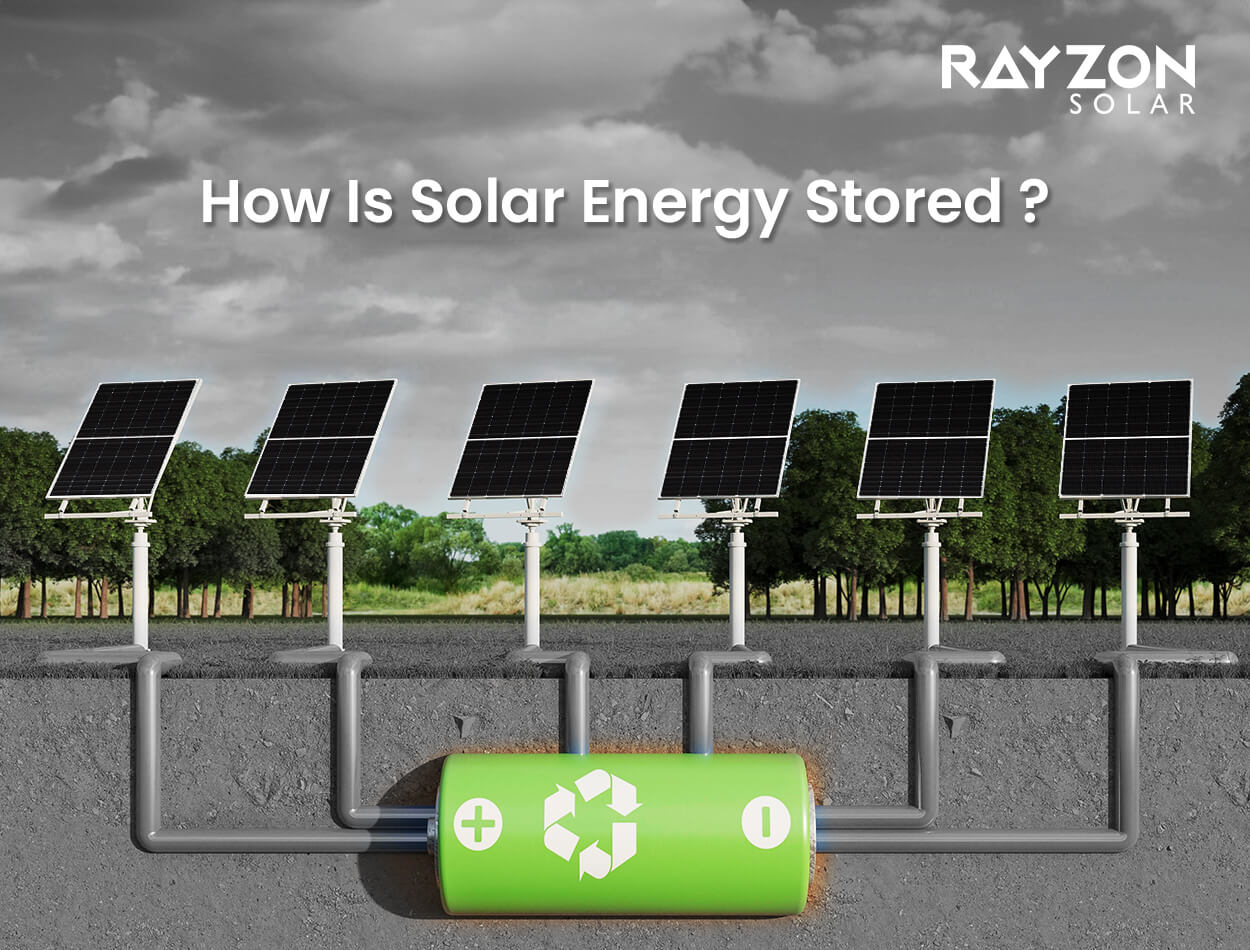
Credit: rayzonsolar.com
Conclusion
Storing solar energy is crucial for its effective use. Batteries are the most common method. They hold energy for later use, especially at night. Other methods include thermal storage and pumped hydro. Each option has its benefits and limitations. Understanding these options helps in choosing the right system.
As solar energy becomes more popular, storage technology will improve. This will make solar power even more reliable. Embracing these advancements leads to a sustainable future. Explore solar energy storage to enjoy its many benefits.