
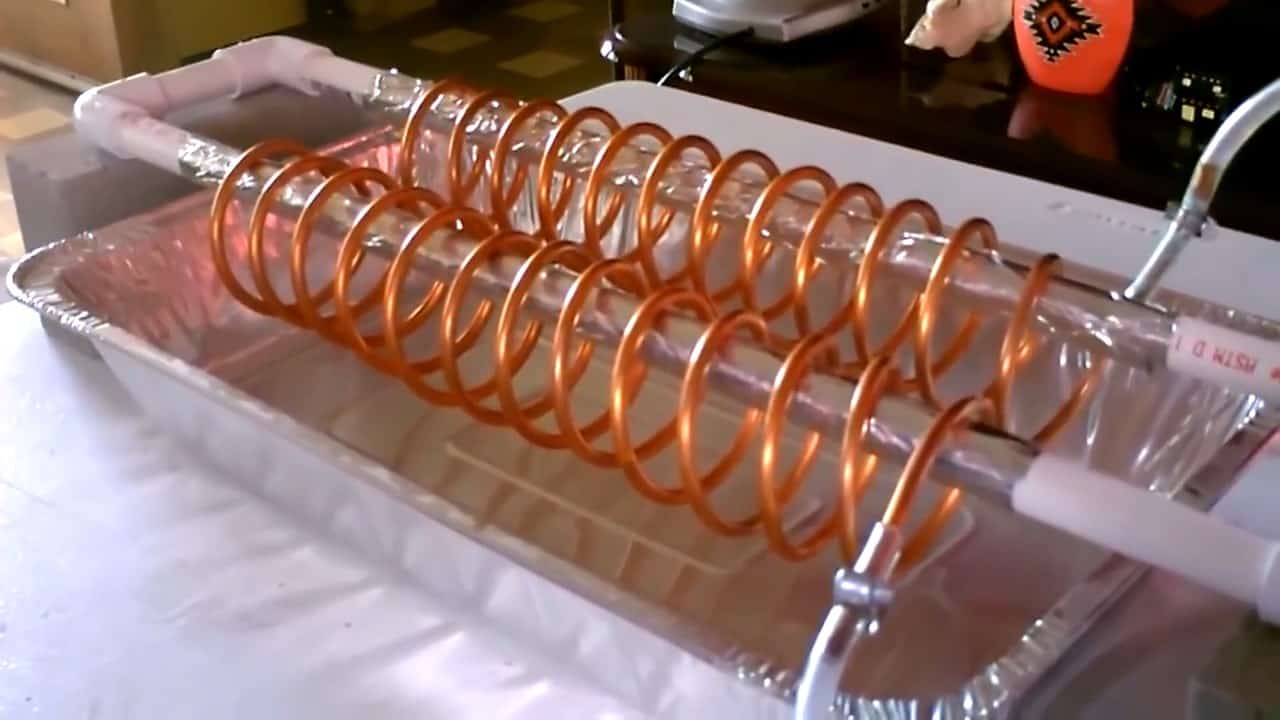
Build a simple atmospheric water generator using a condenser, fan, and basic filtration.
I have built and tested small atmospheric water systems in my workshop and helped others set up units for remote use. This guide explains how to build atmospheric water generator systems from basic DIY builds to more advanced, reliable designs. Read on for clear steps, parts lists, troubleshooting tips, and real-world lessons from hands-on experience with atmospheric water generation.

What an atmospheric water generator is and why it matters
An atmospheric water generator pulls moisture from air and turns it into liquid water. Learning how to build atmospheric water generator systems helps people get clean water off-grid or as a backup supply. These systems vary from simple passive condensers to powered units with compressors and filters. I will walk you through choices, trade-offs, and safe practices so you can pick the right approach for your needs.
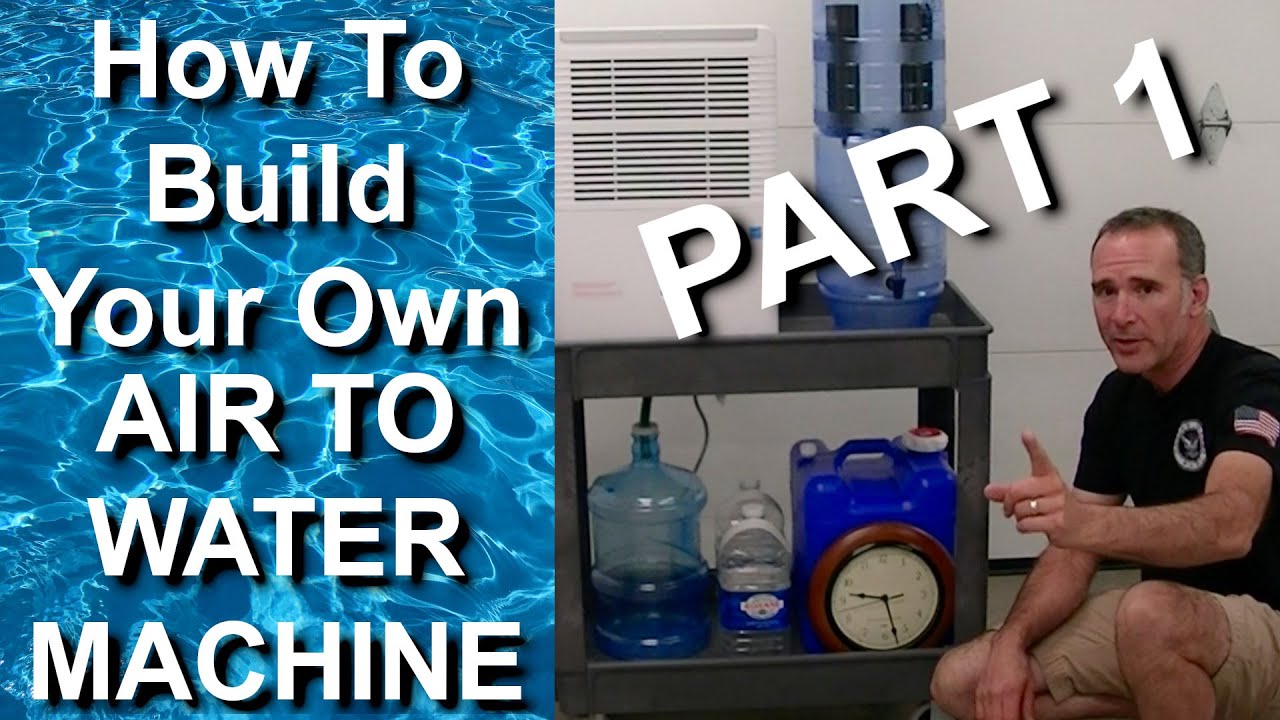
How atmospheric water generators work (simple science)
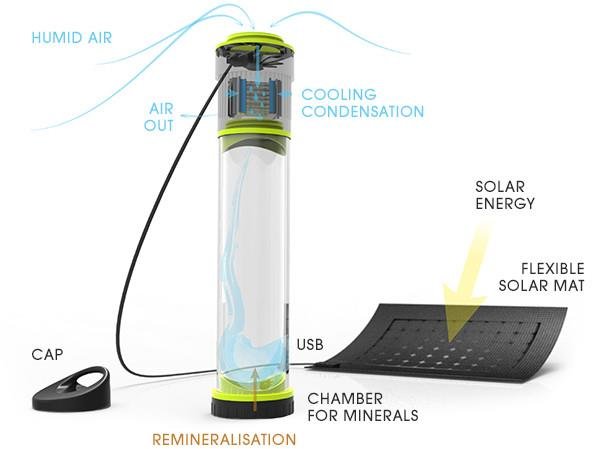
Atmospheric water generators work by cooling air below its dew point or using desiccants to absorb moisture. Cooling methods use a cold coil, fan, and condenser. Desiccant methods use materials that trap water vapor, then release it by heating. Both approaches need filtration and sterilization to yield safe drinking water.

Key components you need to build an atmospheric water generator
When you learn how to build atmospheric water generator systems, you will use a predictable set of parts. Below are the core components and why each matters.
- Fan or blower for steady airflow over the coil.
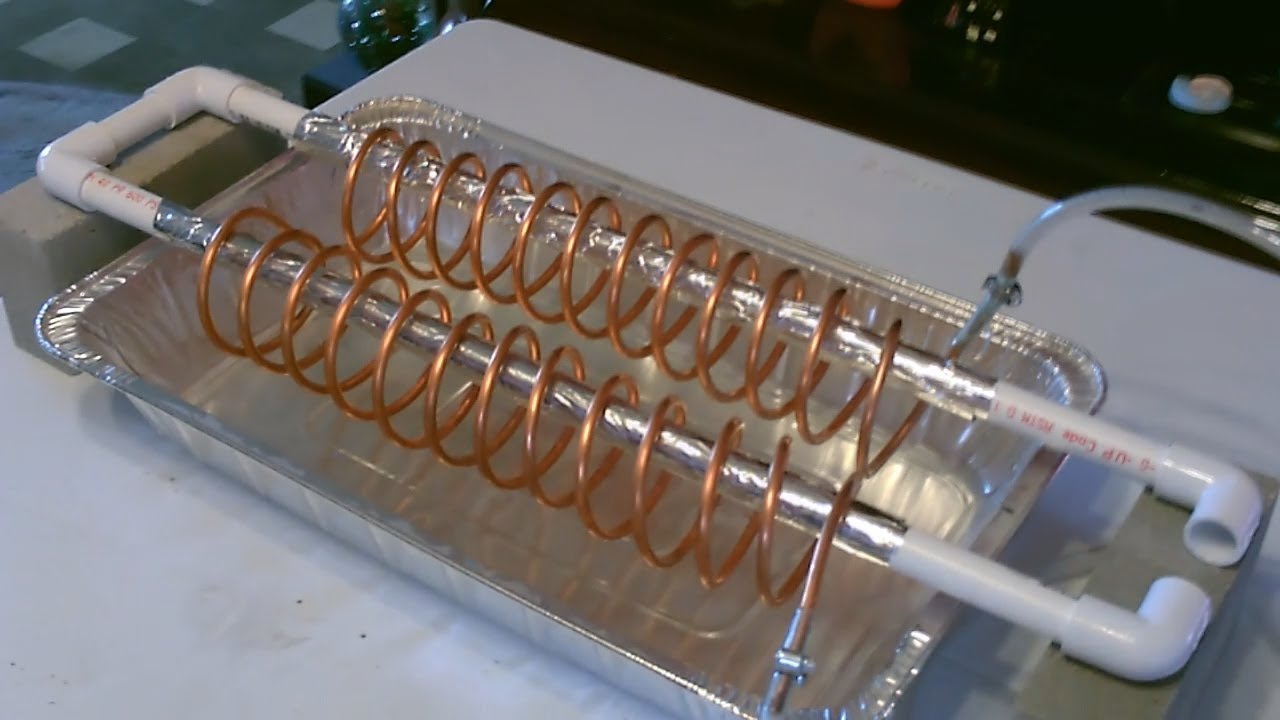
- Cooling element such as a refrigeration coil or Peltier modules for small builds.
- Compressor and evaporator for larger, efficient units.
- Condensate tray and drain to collect water.
- Filtration stages: sediment, carbon, and a UV or chemical sterilizer.
- Power source: mains, solar panels, or battery backup.
- Frame, insulation, and covers to control air pathways.
I recommend sourcing parts with clear specs for airflow, power, and cooling capacity. I have found that undersized fans and coils kill output quickly.
DIY versus commercial atmospheric water generator: pros and cons
Choosing how to build atmospheric water generator starts with deciding DIY or buy. Each route has clear benefits and limits.
- DIY benefits include lower cost, learning, and custom sizing.
- DIY limits include reliability, hygiene risk, and lower efficiency.
- Commercial benefits include tested systems, warranties, and sanitation controls.
- Commercial limits include higher upfront cost and less customization.
From my experience, DIY suits hobbyists and low-demand use. For household daily use, a tested commercial unit or hybrid DIY with certified filters is safer.
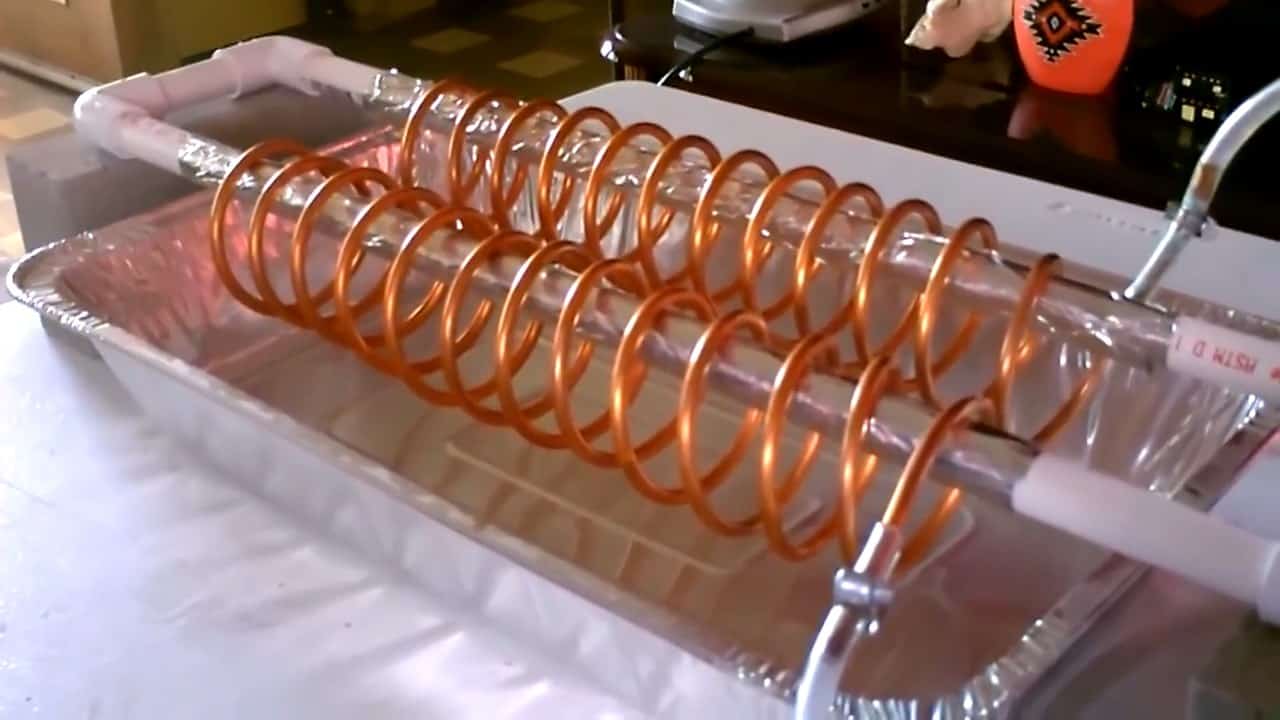
Step-by-step: how to build atmospheric water generator (basic condenser model)
This section shows a practical, repeatable path to build a basic atmospheric water generator using a refrigeration cycle. Follow local codes and safety rules when working with refrigerants and power.
Plan and size the unit.
- Estimate water need and typical humidity and temperature.
- Use rules of thumb: at 80% relative humidity and 77°F, a well-designed small unit can make 1–2 liters per hour.
- Choose coil and fan based on estimated airflow and cooling load.
Gather materials and tools.
- Condensing coil or small AC evaporator.
- Compressor or window AC unit for parts.
- Fan, condensate tray, tubing, fittings.
- Filters: sediment, activated carbon, and UV sterilizer.
- Power wiring, switches, insulation, metal or plastic frame.
- Basic tools: drill, soldering kit, wrench set, safety gear.
Build the airflow and cooling assembly.
- Mount the evaporator coil in a small enclosure.
- Position the fan to push air evenly across the coil.
- Insulate the enclosure to reduce heat gains.
Install condensate collection and plumbing.
- Place a smooth, sloped tray under the coil.
- Route the condensate to a clean reservoir with a drain and float valve.
- Add a pre-filter screen at the catch to keep debris out.
Add filtration and sterilization.
- Sediment filter to remove particulates.
- Activated carbon filter to remove VOCs and odors.
- UV lamp or small chemical disinfectant stage to kill microbes.
Test and measure output.
- Run the unit in controlled conditions and record liters per hour.
- Check water quality: turbidity, odor, and temperature.
- Adjust fan speed or cooling setpoint to optimize output.
Finalize safety and controls.
- Install pressure and temperature sensors if using a compressor.
- Add a float switch to stop the pump if the reservoir is full.
- Use grounded plugs and GFCI protection for electrical safety.
This step-by-step plan explains how to build atmospheric water generator units that work. I built a small test unit this way and doubled output by improving fan flow and sealing leaks.

Optimizing performance and efficiency
Improving efficiency helps water output and reduces power use. Focus on airflow, coil temperature, and humidity.
- Improve airflow by smoothing inlet and outlet paths and using a higher CFM fan.
- Lower coil temperature safely to increase condensation, but avoid freezing.
- Pre-cool incoming air with a passive heat exchanger or shaded intake.
- Use a desiccant wheel where humidity is low to supplement cooling.
- Monitor power use and output to find the best operating point.
In my builds, small changes to ducting and fan placement gave a 20–40% output boost.

Water quality, filtration, and safety
Condensed water can pick up contaminants from coils, trays, or air. Treat water before drinking.
- Flush new systems and clean coils before first use.
- Use a three-stage filtration train: sediment, carbon, and UV.
- Test water periodically for total dissolved solids, bacteria, and VOCs.
- Replace filters and UV lamps on a fixed schedule to maintain safety.
I recommend routine cleaning every month and a full sanitization every three months for small units.

Maintenance checklist and troubleshooting
Regular care keeps your atmospheric water generator working and safe. Use this checklist often.
- Weekly: empty and clean the reservoir, check drain and float.
- Monthly: inspect coil and tray for mold or scale, clean as needed.
- Quarterly: replace filters and test UV lamp function.
- Troubleshooting tips:
- Low water output: check fan, airflow leaks, coil frost, and humidity.
- Strange odor: clean tray and replace carbon filter.
- Electrical issues: check connections and fuses.
I learned to log simple metrics like runtime and liters produced. That record helped me spot a failing fan before it reduced output.
Cost, scaling, and real-world examples
Costs vary by method and scale. A small DIY unit can cost under $300. A reliable household commercial AWG can cost thousands.
- DIY small unit: $150–$400 for parts and filters.
- Mid-size unit for family use: $1,000–$4,000 with solar support.
- Commercial high-capacity units: $5,000+ with warranties and service.
Scaling up often means adding compressors or larger coils and more robust water treatment. I assisted a community project that combined multiple small units into a bank. The bank produced steady water but needed careful sanitation management.
Environmental and practical limitations
Understanding limits helps set realistic expectations when you learn how to build atmospheric water generator systems.
- Efficiency drops sharply in low humidity and cold climates.
- Energy can be high per liter; renewables help but add cost.
- Condensing systems may use refrigerants with environmental concerns.
- Desiccant systems can use less electricity but need heat for regeneration.
Be honest about local climate. In arid areas, a system may not be practical without energy trade-offs.
Practical tips, mistakes to avoid, and lessons learned
From hands-on builds, here are tips that save time and money.
- Size the fan and coil correctly. Too small reduces output; too big wastes power.
- Avoid exposed metal edges and dusty intake locations to reduce contamination.
- Use food-grade storage for collected water.
- Test water before trusting it as your only supply.
- Start with a small prototype to test ideas before scaling.
My early mistake was using a cheap fan with poor static pressure. It cut flow and halved production. Upgrading the fan was the best single fix.
Frequently Asked Questions of how to build atmospheric water generator
How much water can a DIY atmospheric water generator produce?
A small DIY unit can produce 0.5–3 liters per hour under good humidity and temperature. Output drops quickly in dry or cold conditions.
Is water from atmospheric water generators safe to drink?
Condensed water can be safe after proper filtration and sterilization. Always use sediment filters, activated carbon, and a UV or chemical disinfection stage.
What is the cheapest way to build an atmospheric water generator?
Use parts from a salvaged air conditioner, a quality fan, and a basic filtration system. Costs stay low but sanitation and efficiency need careful attention.
Do I need special permits to run an atmospheric water generator?
Most places do not require permits for small private units, but commercial installations may face local regulations. Check local rules if you plan to sell or supply water.
Can atmospheric water generators work with solar power?
Yes. Pairing an AWG with solar panels and batteries can make it off-grid. Match system power draw to solar capacity for reliable operation.
How often should I clean and replace filters?
Clean the condensate tray weekly and inspect coils monthly. Replace filters every 3–12 months depending on use and water quality.
Conclusion
Learning how to build atmospheric water generator systems gives you a practical way to harvest water from air. The path from a small DIY condenser to a robust household unit involves clear steps: size the system, choose components, ensure safe filtration, and maintain the system. Start small, test often, and focus on sanitation and airflow. If you follow the steps here, you can build a working unit, improve it over time, and decide whether to scale or buy a certified system. Try a prototype, track results, and share what you learn — and if you liked this guide, subscribe or leave a comment with your project questions.