
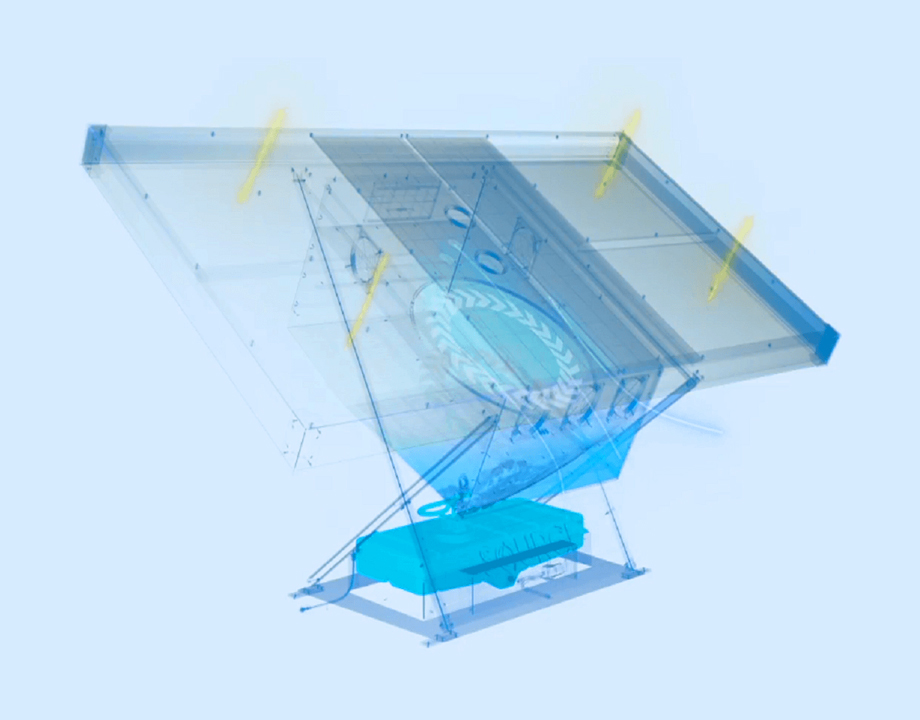
Use your air conditioner's condensate and a simple filter system to collect and purify water.
I have built and tested several DIY systems that turn air conditioner condensate into usable water. In this guide I explain how to make a atmospheric water generator from air conditioner step by step. You will learn what parts to use, how to route condensate, how to filter and sterilize the water, and how to estimate yield. I write from hands-on experience and technical knowledge so you can make a safe, reliable unit without guessing. Read on to get clear plans, safety tips, and cost estimates to build a working atmospheric water generator from air conditioner at home.
How an atmospheric water generator from air conditioner works
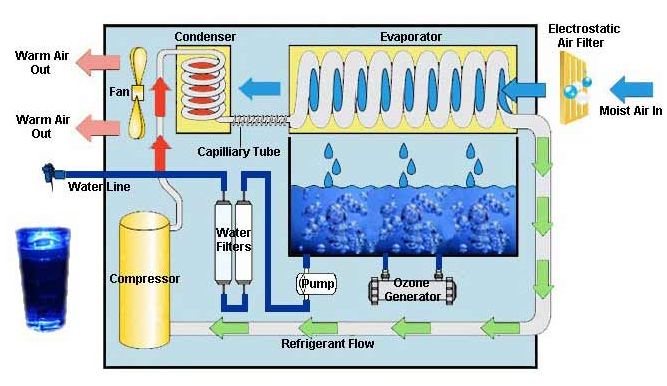
An air conditioner cools warm air and condenses moisture from it. Water forms on the cold coils and drops into a condensate pan. Collecting that condensate and treating it creates an atmospheric water generator from air conditioner. The core idea is simple: capture condensate, filter it, then store and disinfect it. This method does not invent water. It recovers humidity that the AC already removes from the room.

Materials and tools you will need
Plan and gather parts before you start. Use parts rated for potable water when possible.
- Condensate collection components: condensate pan, drain hose, fittings.
- Storage container: food-grade tank or bottle sized to need.
- Filtration: 5-micron sediment filter, activated carbon filter.
- Disinfection: inline UV-C sterilizer or small chlorine dosing (if safe).
- Pump and float switch: small DC or AC pump for transfer and auto-fill.
- Optional: RO membrane for drinking-level purity.
- Tools: drill, tubing cutter, silicone sealant, hose clamps, drill bits.
- Safety: gloves, eye protection, multimeter.
Most parts are common and low-cost. Quality filters and a UV unit add safety and peace of mind. Use food-grade tubing and avoid materials that leach chemicals.
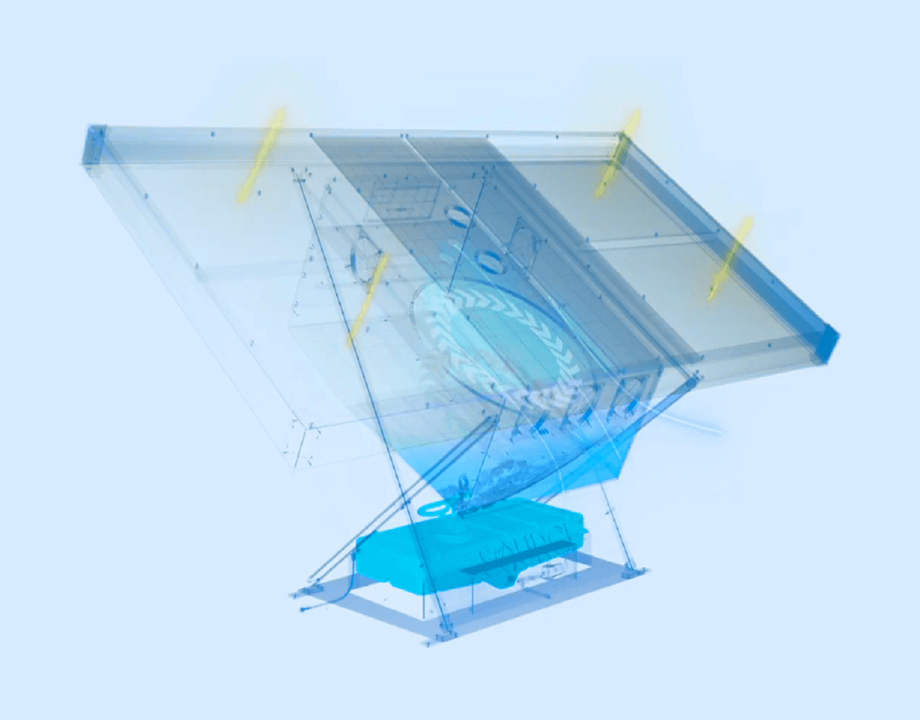
Step-by-step: how to make a atmospheric water generator from air conditioner
Follow these steps in order. Work slowly and test every connection.
- Inspect and prepare the AC unit
- Turn off power and unplug the unit.
- Clean the evaporator coils and condensate pan.
- Check the factory drain connection location.
- Install a dedicated condensate drain
- Fit a short piece of rigid or flexible PVC or vinyl tubing to the pan outlet.
- Slope the tubing down to a collection point. Keep runs short and smooth.
- Add a small debris strainer
- Install a simple mesh or inline strainer near the pan outlet.
- This stops dust and large particles from entering the storage tank.
- Route to a primary collection container
- Place a food-grade bucket or tank beneath the drain.
- Use a screened vent or breathable cap to avoid vacuum lock.
- Install filtration and disinfection
- Fit a 5-micron sediment filter first to trap solids.
- Add an activated carbon filter to remove odors and VOCs.
- Put an inline UV-C lamp after filters to kill bacteria and viruses.
- Pump and controls
– Use a pump if you need pressure or to move water uphill.
- Add a float switch to stop overflows and to auto-start the pump.
- Optional: add reverse osmosis
- For the highest purity, feed water into an RO unit after prefilters.
- RO reduces minerals and dissolved organics.
- Final checks and commissioning
- Run the AC and watch condensate flow into the system.
- Test water after 24–48 hours for taste and odor.
- Monitor filters and replace per manufacturer guidance.
Safety notes
- Never drink untreated condensate without proper filtration and disinfection.
- Beware of refrigerant leaks; do not tamper with refrigerant circuits.
- Modifying an AC could void warranties. Proceed with care.
I have used the above sequence on window and split AC units. The easiest wins come from short drain runs and good prefiltration. A UV sterilizer solved all my microbiological worries after initial tests.

Expected yield and performance factors
Yield depends mostly on humidity, temperature, and AC run time. A simple rule of thumb helps.
- Humidity: every percent of relative humidity adds potential water.
- Temperature: warmer air holds more moisture to condense when cooled.
- AC capacity: larger ACs remove more moisture when running.
Sample estimate
- A 1-ton air conditioner running 8 hours in 60% RH and 80°F can produce roughly 2 to 6 liters per day. Higher humidity or longer run time raises yield. Your actual yield may vary widely by climate and usage.
Practical tips
- Use local climate data to estimate daily yield.
- Place a small gauge to measure condensate flow for the first week.
- If yield is low, check airflow, coil cleanliness, and drain slope.
People also ask
- How much water can I get from AC condensate? Expect 1–10 liters per day depending on AC size and humidity.
- Will an AC produce water in dry climates? It produces less water as humidity drops; yields can approach zero in very dry air.
- Can I increase yield? Run the AC longer or use a larger unit, but note energy costs.

Source: trueprepper.com

Water quality, benefits, and limitations
Condensate is mostly distilled water but picks up contaminants from coils and pans. Treat it before use.
Benefits
- Low-cost water recovery.
- Reduces waste and improves indoor humidity control.
- Useful for irrigation, toilets, or cleaning.
Limitations
- Not reliably potable unless filtered and disinfected.
- Possible microbial growth in stagnant tanks.
- Risk of chemical residue from coatings or metals on coils.
- May void AC warranty if you alter draining or components.
From my experience, condensate was great for plants and cleaning. After installing good filtration and UV, I used it safely for clothes washing. For drinking, I added RO and a post-UV step. Be transparent about limits and test water before any drinking use.

Maintenance and monitoring
Regular upkeep keeps an atmospheric water generator from air conditioner safe and productive.
- Clean the condensate pan and drain every 1–3 months.
- Replace sediment and carbon filters per schedule (usually 3–6 months).
- Clean or replace the UV lamp annually.
- Inspect hoses and fittings for leaks and algae.
- Test water periodically for bacteria and common contaminants.
My tip: mark filter change dates on a calendar and keep spare filters on hand. Small neglect leads to bad taste and biofilm fast.
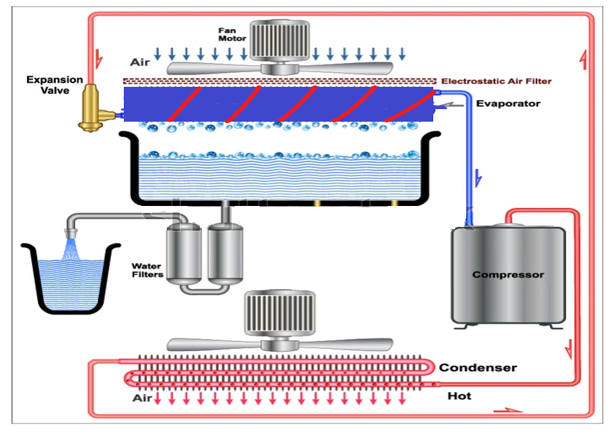
Cost estimate and DIY vs commercial units
DIY can be affordable. Commercial AWGs cost more but include warranties and controls.
- DIY parts cost: $50–$400 depending on filter and UV quality.
- Optional RO system adds $150–$400.
- Commercial atmospheric water generators start at several hundred to thousands of dollars.
Choose DIY if you want low cost and learning. Choose commercial if you want convenience, certification, and guaranteed output. I built DIY units under $300 that met my non-potable needs and performed well for months.
Frequently Asked Questions
How safe is water from an air conditioner?
Condensate is low in minerals but can contain bacteria, mold, or metal traces from the AC. Use filtration and a UV sterilizer before drinking.
Will collecting condensate damage my air conditioner?
Properly routing condensate does not harm the AC. Avoid modifying refrigerant or electrical systems to keep warranties valid.
What is the best filter for AC condensate?
A 5-micron sediment filter followed by activated carbon is a good start. Add UV or RO for drinking-level safety.
Can I use AC condensate for plants and pets?
Yes, plants and pets are usually fine with properly filtered condensate. Avoid untreated water for direct drinking by pets.
How often should I clean the system?
Clean the pan and strainers monthly, replace filters every 3–6 months, and check UV annually. More frequent maintenance is needed in dusty environments.
Do I need a pump for the system?
A pump is needed if you must move water uphill or to pressurize a tap. For gravity-fed setups, position the tank lower than the AC drain.
Is AC condensate considered distilled water?
Condensate is similar to distilled water but can pick up contaminants. Treat it before assuming it is pure.
Conclusion
Building an atmospheric water generator from air conditioner is practical and often cost-effective. Capture condensate, add prefiltration, use UV or RO for safety, and maintain the system. Start small and test your water before drinking it. Try a basic condosate-to-tank setup for non-potable use, then upgrade filters if you plan to drink the water. If this guide helped, try these steps, leave a comment with your build story, or subscribe for more DIY water and energy tips.