
Build a simple atmospheric water generator using a condenser, fan, and basic filtration.
I have built and tested small atmospheric water systems and will walk you step-by-step through how to make your own atmospheric water generator with clear parts lists, simple instructions, and real tips from hands-on trials. This guide covers the science, practical build steps, performance limits, safety, and maintenance so you can decide if a DIY atmospheric water generator fits your needs.

How atmospheric water generators work and key concepts
how to make your own atmospheric water generator starts with understanding condensation. Air holds water vapor. When warm, humid air cools below its dew point, it gives up moisture as liquid. An atmospheric water generator forces air to cool and collects that water.
Basic parts of a DIY system:
- Cooling surface where air condenses.
- Fan to move air.
- Compressor or Peltier cooler to lower temperature.
- Collection tray and tubing.
- Filtration to make the water safe to drink.
Core variables that affect yield:
- Relative humidity: higher is better.
- Air temperature: warmer air with high humidity yields more water.
- Cooling efficiency and surface area.
- Airflow rate and contact time.
I built a bench-scale unit using a window AC evaporator coil and a small compressor. It made a cup of water per hour in humid conditions. That taught me how climate and coil size limit output.

Materials and tools you will need
how to make your own atmospheric water generator begins with the right kit of parts. Below is a practical list for a small, entry-level unit.
Essential components:
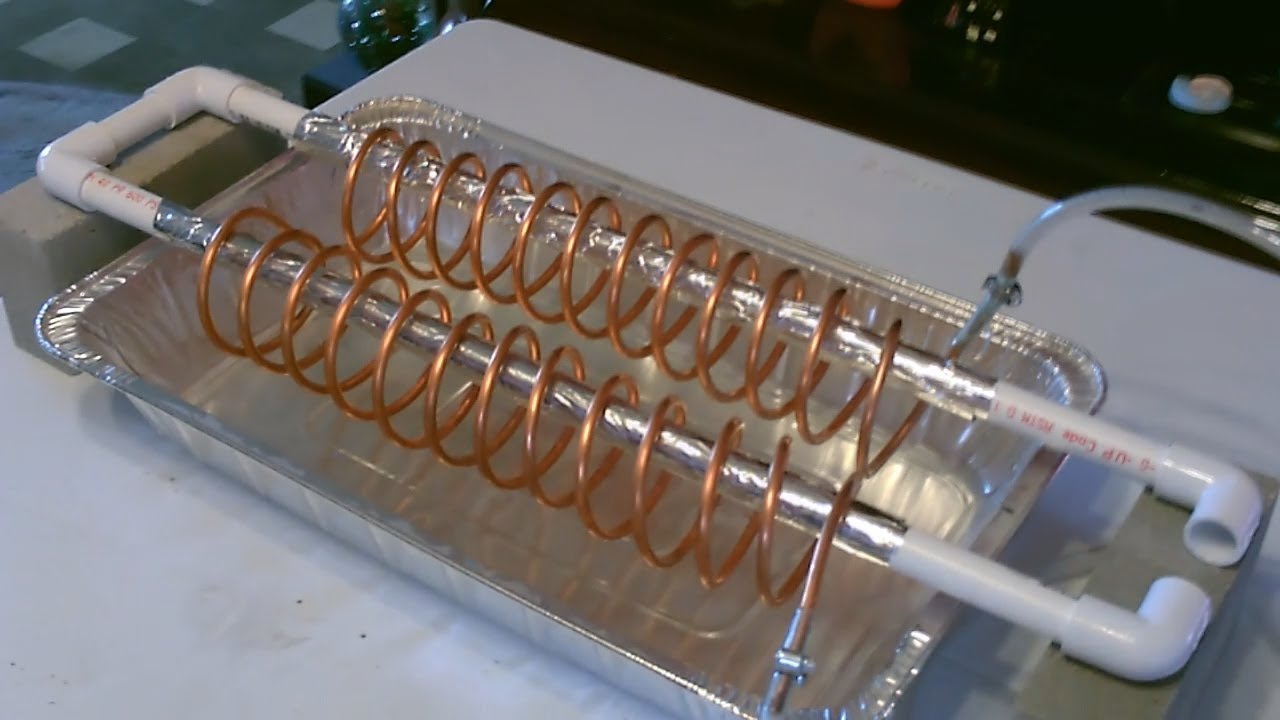
- Metal evaporator coil or heat exchanger.
- Small refrigeration compressor or Peltier modules.
- Condensate tray and food-grade tubing.
- 12V or household fan with speed control.
- Power supply compatible with compressor or Peltier.
- Pre-filter (mesh) and post-filter (activated carbon).
- UV LED or ceramic filter for disinfection (optional, recommended).
Tools and supplies:
- Basic hand tools: screwdriver, wrench, tube cutter.
- Sealant and insulation tape.
- Multimeter for electrical checks.
- Safety gloves and eye protection.
Safety tip from experience: choose a compressor rated for the refrigerant you handle, and follow safe handling and ventilation rules. Small Peltier systems are safer but much less efficient.

Step-by-step DIY build (simple condenser method)
how to make your own atmospheric water generator using a small compressor and coil is practical for most DIYers. Below are clear steps.
- Prepare the coil and tray
- Mount the evaporator coil so condensate drains into a food-grade tray.
- Insulate the coil support to avoid heat gain.
- Install the compressor and plumbing
- Connect the compressor to the coil following proper fittings.
- Ensure refrigerant lines are leak-tested if you install a sealed refrigerant loop.
- Add airflow and collection path
- Position a fan to blow air evenly across the coil.
- Route the condensate from the tray to a covered storage container.
- Filter and disinfect
- Add a simple mesh pre-filter to catch dust before air reaches the coil.
- Route collected water through activated carbon and then UV or ceramic filter for safety.
- Power and controls
- Add a thermostat or relay so the compressor cycles properly.
- Include an automatic shutoff for the pump or fan if the tank fills.
Practical build tip: For a low-risk test, skip refrigerant loops and use a cooled metal plate chilled with ice to prove the concept. Then scale to compressors. I started with ice tests to tune airflow and coil geometry before moving to powered cooling.
Performance expectations, limits, and optimization
how to make your own atmospheric water generator will perform differently by location. Expect small DIY units to produce anywhere from a few ounces to several liters per day, depending mostly on humidity and temperature.
What to expect:
- In dry climates (RH < 30%), yield is very low.
- In humid tropics (RH > 60%) and warm air, yields improve dramatically.
- Bigger coils, better compressors, and more surface area mean more water.
Ways to improve yield:
- Increase coil surface area for more condensation.
- Raise airflow but keep contact time; too fast reduces condensation.
- Use multi-stage cooling or larger compressors for larger systems.
Limitations to accept:
- Energy per liter is high for small systems.
- Maintenance (filters, coils, disinfecting) is ongoing.
- Water quality depends on air and system cleanliness; filtration is essential.
I once tried to boost output only by increasing fan speed. That lowered performance because air passed the cold surface too quickly. Balance is key.

Water quality, filtration, and safety
how to make your own atmospheric water generator can collect very pure water from air, but risks exist. Airborne particles, microbes, and chemical contaminants can deposit on surfaces.
Recommended sanitation steps:
- Use a pre-filter to keep dust off coils.
- Clean condensate tray weekly to prevent biofilm.
- Use activated carbon to remove odors and VOCs.
- Add UV treatment or a ceramic filter to remove microbes.
Testing and monitoring:
- Test collected water for pH, total dissolved solids, and microbial counts before drinking routinely.
- Replace filters on a schedule based on use and local air quality.
Trust tip: If you plan to use the water for drinking, treat and test it. I had a unit that smelled musty after weeks of idle time; a quick scrub and UV pass fixed it.

Costs, energy use, and environmental impact
how to make your own atmospheric water generator costs vary widely. A small Peltier-based unit can be built for under $200 but uses lots of electricity for little water. A compressor-based DIY system costs more to build but is more efficient.
Cost considerations:
- Upfront parts and tools.
- Electricity to run compressors.
- Filters and periodic maintenance.
Energy tradeoffs:
- Producing water from air requires more energy than tapping an existing municipal supply.
- Using excess renewable power (solar at night) can improve sustainability.
Environmental note: In areas without safe water, an AWG can help. But weigh energy and carbon costs against alternatives like rainwater harvesting or centralized treatment.

Common mistakes and practical tips
how to make your own atmospheric water generator successfully means avoiding common errors. Here are lessons from my builds.
Common mistakes:
- Under-sizing the coil relative to expected yield.
- Skipping filtration and UV treatment.
- Ignoring insulation, which drops efficiency.
- Running too-high fan speeds, reducing condensation time.
Smart tips:
- Start small and test in your climate.
- Use a detachable filter module for easy maintenance.
- Monitor performance with a simple hourly yield log.
- Keep electrical components dry and protected.
From experience, incremental testing saves money. Build one module, optimize it, then scale.

PAA-style questions (short answers)
how to make your own atmospheric water generator often brings up quick questions. Here are concise answers.
What humidity level do I need for useful water?
- Aim for relative humidity above 50% for meaningful yields. Above 60% is ideal for small DIY units.
Can I use solar power to run a DIY AWG?
- Yes, but you need enough solar capacity and batteries to meet peak compressor loads. Peltier units pair more easily with small solar arrays but are less efficient.
Is the water safe to drink straight from the unit?
- Not without filtration and disinfection. Use activated carbon and UV or ceramic filters before drinking.
How much water can a small DIY unit make daily?
- Expect a few ounces to several liters per day depending on climate and system size.
Do I need a certified electrician?
- For mains-powered compressor systems, a certified electrician is recommended for safe wiring and compliance.

Source: reddit.com

Frequently Asked Questions of how to make your own atmospheric water generator
What basic parts do I need to start a DIY AWG?
You need a cooling surface or coil, a fan, a compressor or Peltier cooler, a condensate tray, and basic filtration. Add a power source and safety switches for reliable operation.
How much will a home-made AWG cost to build?
Costs range from under $200 for a simple Peltier-based prototype to $500+ for a compressor-based unit with better yield. Ongoing electricity and filter costs add to the total.
Can I make drinking water with a DIY AWG safely?
Yes, if you add proper filtration and disinfection. Regular cleaning and testing are important to ensure water safety.
How do weather conditions affect water production?
Warm and humid conditions produce the most water. Cool or dry air lowers condensation rates significantly, so location matters most.
What maintenance does a DIY AWG need?
Clean the condensate tray weekly, change filters on schedule, inspect coils for frost or dirt, and check electrical connections. UV lamps need periodic replacement.
Conclusion
This guide showed how to make your own atmospheric water generator step-by-step, explained the science, listed parts and tools, and shared real-world tips from hands-on builds. If you want a working system, start small, test in your climate, add proper filtration, and learn from each iteration. Try a prototype with ice or a small Peltier module, track hourly yields, and improve from there. If this guide helped, subscribe for more DIY water projects, share your build story in the comments, or ask for a parts list tailored to your climate.