

Have you ever experienced a power outage and wished you had a backup plan? Using a generator at home can be a game-changer, providing you with the electricity you need when the lights go out.
Whether you want to keep your essentials running during an outage or power up your tools for DIY projects, understanding how to use a generator safely and effectively is crucial. In this guide, you’ll discover practical tips and expert advice on selecting the right generator for your needs.
You’ll learn essential safety measures, how to set it up correctly, and the best practices for maintaining it. By the end, you’ll feel confident in your ability to harness the power of a generator, ensuring that you and your family stay comfortable and secure, no matter what. Let’s get started!
Credit: www.ecicomfort.com
Choosing The Right Generator
Choosing the right generator for home use is important. Consider your power needs and the size of the space. Look for models that are easy to operate and maintain. Safety features are also essential to ensure smooth operation during outages.
Choosing the right generator for your home can make a significant difference in your comfort and safety during power outages. With various options available, it’s essential to understand the key factors that will guide your decision. This section breaks down the differences between portable and standby generators and highlights important power output considerations.Portable Vs Standby Options
Portable generators are versatile and can be moved easily. They are ideal for short-term use, such as camping trips or when you need backup power during an outage. You can plug in essential appliances like refrigerators or lights, making them a practical choice for many households. Standby generators, on the other hand, are permanently installed and automatically kick in when the power goes out. They connect directly to your home’s electrical system, providing seamless power for your entire home. If you live in an area with frequent outages, investing in a standby generator might be worth considering for peace of mind. Consider your lifestyle and power needs. Do you want a generator that you can easily transport, or do you prefer a system that requires minimal effort during emergencies? Each option has its pros and cons, so think about what fits your needs best.Power Output Considerations
Understanding power output is crucial for choosing the right generator. Generators are rated in watts, which determines how much electricity they can supply. Calculate the wattage of the appliances you want to power to ensure you select a generator that meets your needs. Make a list of essential items you need during an outage. For instance, a refrigerator might need about 600 watts, while a sump pump could require around 800 watts. Add these numbers together to find your total wattage requirement. Keep in mind that starting watts may be higher than running watts. Appliances like air conditioners or power tools often need more energy to start up. Always factor in this additional wattage when making your decision. Ask yourself, how much power do you realistically need? This question will guide you towards the right generator size, ensuring you have enough capacity for your essential devices without overspending on unnecessary power. Choosing the right generator is a significant step towards ensuring comfort and safety at home. Evaluate your options carefully, and you’ll find the perfect fit for your needs.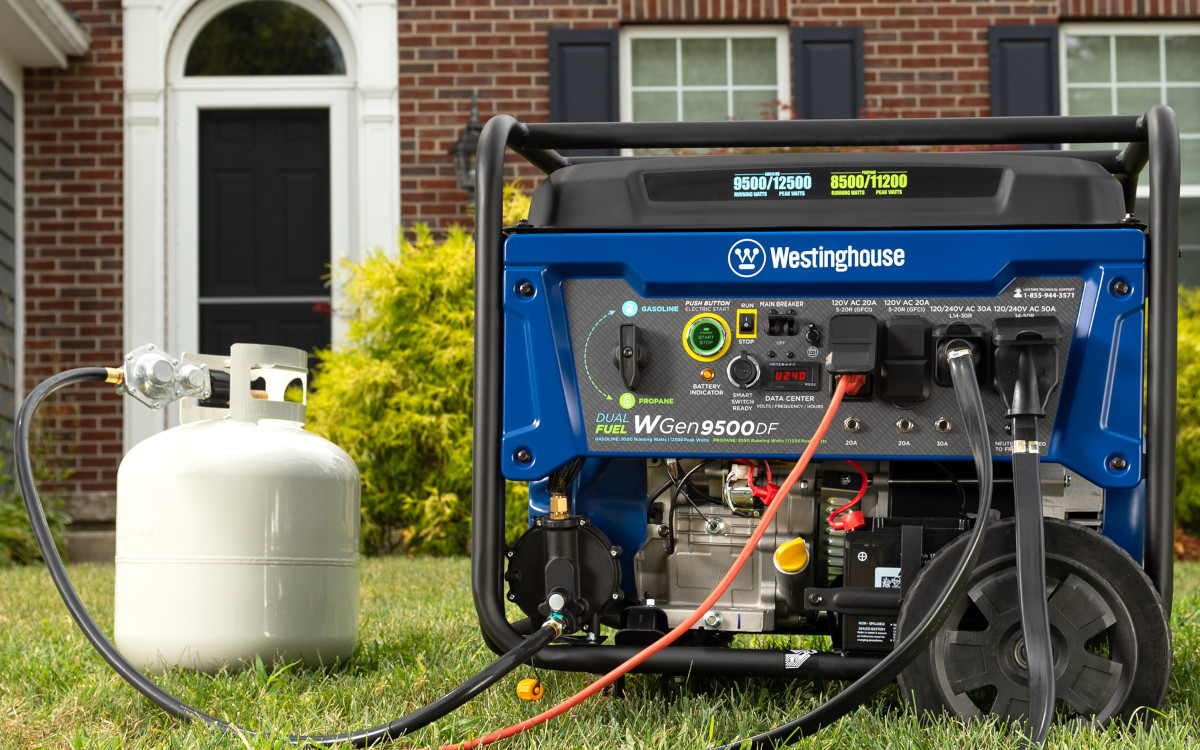
Credit: norwall.com
Preparing For Generator Use
Preparing for generator use requires careful planning. Ensure proper fuel and oil levels before starting. Familiarize yourself with safety measures and your generator’s controls. This will help you operate it safely and efficiently at home.
Preparing for Generator Use Using a generator at home can provide peace of mind during power outages, but preparation is key to ensuring safety and efficiency. Proper placement, ventilation, and fuel handling are essential steps to take before firing up your generator. Let’s dive into these crucial elements.Placement And Ventilation
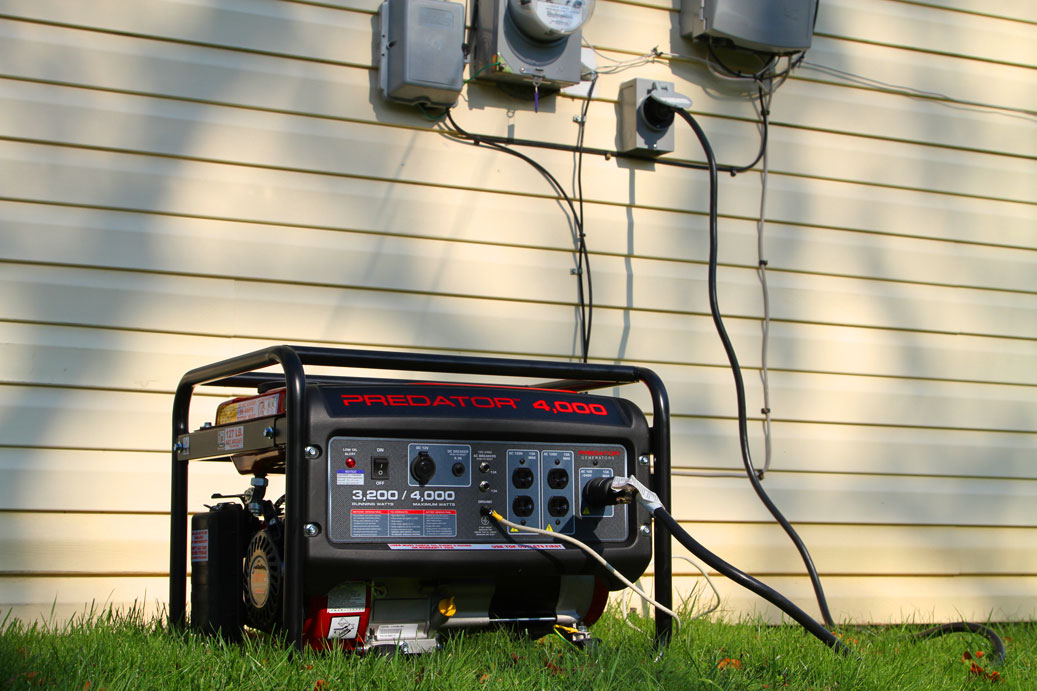
Choosing the right spot for your generator is vital. Place it outdoors, away from doors, windows, and vents. This keeps exhaust fumes from entering your home, reducing the risk of carbon monoxide poisoning. Ensure your generator is on a flat, stable surface. A sturdy ground prevents tipping and helps with proper functioning. Ventilation is equally important. Generators produce harmful gases that can accumulate quickly in enclosed spaces. A well-ventilated area allows for the safe dispersal of these gases, keeping you and your family safe.Fuel Storage And Handling
Safe fuel storage is a priority. Store fuel in approved containers away from heat sources and out of reach of children. Always keep the fuel in a cool, dry place. Avoid filling the generator tank indoors to prevent spills that could lead to fire hazards. When handling fuel, use a funnel to minimize spills. A little caution goes a long way in ensuring safety. Have you ever faced a situation where a lack of preparation caused a mishap? It’s a lesson many learn the hard way. By being diligent about placement and fuel management, you can enjoy the benefits of your generator without unnecessary risks.Starting The Generator
Starting a generator at home is simple. First, check the fuel level and oil. Then, turn the choke to the right position. Pull the starter cord firmly until it runs. Ensure all connections are secure before using appliances. Safety first! Always keep the generator in a well-ventilated area.
Starting your generator safely and effectively is crucial for ensuring it runs smoothly and meets your power needs. Properly starting your generator can prevent damage and ensure it works when you need it most. Here’s a detailed look at how to get your generator up and running.Pre-start Checks
Before you start your generator, perform a few essential checks. This helps guarantee that it’s safe and ready to operate.- Check the fuel level:Ensure your generator has enough fuel. If it’s low, refuel it in a well-ventilated area.
- Inspect for leaks:Look for any signs of fuel or oil leaks around the generator. Address any issues before proceeding.
- Oil level:Check the oil level using the dipstick. If it’s low, top it off with the recommended oil type.
- Air filter:Make sure the air filter is clean. A clogged air filter can hinder performance.
Proper Startup Procedure
Once you’ve completed your pre-start checks, it’s time for the actual startup. Follow these steps carefully to ensure a smooth start.- Set the choke:Depending on your generator model, adjust the choke to the appropriate position. This helps with starting.
- Turn on the fuel valve:Make sure the fuel valve is in the ‘on’ position. This allows fuel to flow to the engine.
- Engage the starter:Pull the recoil starter or turn the ignition key. Listen for the engine to catch.
- Adjust the choke:Once the engine starts, gradually move the choke back to the ‘run’ position.
- Let it warm up:Allow the generator to run for a few minutes before connecting any appliances. This ensures the engine stabilizes.
Connecting Appliances Safely
Using a generator at home can provide power during an outage. Connecting appliances safely is very important. It protects your home and devices from damage. Follow these guidelines to connect your appliances correctly.
Using Extension Cords
Extension cords are helpful for connecting appliances to your generator. Choose heavy-duty cords for safety. Look for cords rated for the wattage of your devices.
Keep cords short to reduce the risk of overheating. Avoid using multiple cords together. This can lead to voltage drops and may damage your appliances.
Avoiding Overloading
Overloading your generator can cause it to fail. Know the wattage of your generator and your appliances. Add up the wattage of all devices you plan to use.
Stay within the generator’s power limits. Unplug appliances not in use to avoid overload. This will help keep your generator running smoothly and safely.
Maintaining The Generator
Keeping your generator in good shape is important for home use. Regular checks on oil levels and fuel can help it run well. Always clean the air filter and inspect the spark plug. These simple steps ensure your generator works when you need it most.
Maintaining your generator is essential for ensuring it runs efficiently and lasts a long time. Regular upkeep can prevent unexpected breakdowns and costly repairs. By following a few simple steps, you can keep your generator in top shape and ready for use when you need it most.Routine Inspections
Conducting routine inspections is vital for the longevity of your generator. Start by checking the oil level and ensuring it’s clean. If the oil appears dark or gritty, it’s time for a change. Look for any signs of wear and tear on the cables and connectors. Replace any frayed wires immediately to avoid safety hazards. Make it a habit to inspect the fuel system regularly. Ensure there are no leaks, and the fuel is fresh. Stale fuel can cause performance issues, so replace it if it’s been sitting for a while.Cleaning And Servicing
Keeping your generator clean can significantly improve its performance. Dust and dirt can clog filters and vents, leading to overheating. Use a soft brush or cloth to clean the exterior and remove debris. Don’t forget to clean or replace the air filter as needed. A clean air filter allows for better airflow and efficiency. Schedule servicing according to the manufacturer’s guidelines. This may include tasks like spark plug replacement or checking the battery. Regular servicing can catch potential problems before they escalate. Have you ever faced a power outage and found your generator not working? Keeping up with these maintenance tasks can help avoid that frustrating situation. Prioritizing maintenance will ensure your generator is ready to go, no matter when you need it.Handling Emergencies
Using a generator at home can be crucial during emergencies. Power outages can happen anytime. Being prepared helps keep your home running smoothly. This section covers two key areas: dealing with power surges and troubleshooting common issues.
Dealing With Power Surges
Power surges can damage your devices. Generators can sometimes cause these surges. Always use a surge protector. This will safeguard your electronics. Make sure your generator has a built-in surge protector. Check the specifications before you buy.
During a power surge, unplug non-essential devices. This helps reduce the load. Restart your generator if you notice flickering lights. Monitor your appliances closely. Turn off any devices that seem to struggle.
Troubleshooting Common Issues
Generators can face several common issues. Knowing how to troubleshoot can save time. First, check the fuel level. An empty tank is a frequent problem. Fill it up if needed and try again.
Next, inspect the oil level. Low oil can shut down the generator. Change the oil regularly to keep it running well. Clean the air filter too. A clogged filter can cause performance issues.
Listen for unusual sounds. Strange noises might indicate a problem. If you hear something odd, turn it off. Consult the manual for further guidance. Don’t hesitate to seek professional help if needed.
Shutting Down The Generator
Shutting down your generator properly is important. It helps keep the machine safe and ready for next time. Follow the right steps to avoid problems. Here’s how to do it safely.
Safe Shutdown Procedure
To shut down your generator, start by turning off all connected devices. This prevents damage to your appliances. Next, turn off the generator’s main switch. Wait for the generator to cool down before you proceed.
Once the generator is cool, turn off the fuel valve. This stops fuel from flowing. Finally, store the generator in a dry place. Keep it away from flammable materials.
Post-use Checks
After shutting down, check the generator for any issues. Look for leaks or damages. Clean the exterior to remove dirt or dust.
Inspect the oil level. Add more if needed. Check the air filter and replace it if it is dirty.
Keeping your generator in good shape ensures it works well next time. Regular checks help catch problems early.
Storing The Generator
Proper storage of your generator is vital. It keeps the machine in good condition. A well-stored generator lasts longer. It also works better when you need it.
Protecting From Weather
Weather can harm your generator. Rain, snow, and sun can cause damage. Find a dry place for storage. A garage or shed works well.
Use a cover to protect it. A tarp or specially made generator cover is good. Ensure it is breathable to avoid moisture buildup.
Keep the generator off the ground. Use a wooden pallet or stand. This prevents rust and keeps it dry.
Long-term Storage Tips
For long-term storage, follow these steps. First, drain the fuel. Old fuel can clog the system.
Next, run the generator until it stops. This clears fuel from the lines. After that, clean the unit. Wipe away dirt and dust.
Check the oil level. Change it if needed. Proper oil levels help the engine.
Finally, check the battery. Remove it if storing for a long time. Store it in a cool, dry place.

Credit: blog.norwall.com
Frequently Asked Questions
How Do I Safely Use A Generator At Home?
To use a generator safely at home, place it outdoors in a well-ventilated area. Ensure it’s at least 20 feet away from windows and doors. Use heavy-duty extension cords rated for outdoor use. Always follow the manufacturer’s instructions and never run it indoors to prevent carbon monoxide poisoning.
What Appliances Can I Power With A Generator?
You can power essential appliances like refrigerators, lights, and heaters with a generator. The wattage of your generator determines what you can run. Always check the starting and running wattage of your appliances. Prioritize essential items during power outages to ensure you have enough power.
How Long Can A Generator Run Continuously?
Most portable generators can run for 8 to 12 hours on a full tank. However, this depends on the load you are powering. Always monitor fuel levels and provide breaks if needed. For extended use, consider investing in a larger generator or a dual-fuel option for convenience.
How Do I Maintain My Home Generator?
Regular maintenance of your home generator includes checking oil levels, replacing filters, and cleaning the air intake. Inspect fuel lines and ensure connections are tight. Run the generator monthly under load to keep it in working condition. Always refer to the manufacturer’s manual for specific maintenance guidelines.
Conclusion
Using a generator at home can be simple and safe. Follow the steps shared in this guide. Always prioritize safety first. Keep your generator in a well-ventilated area. Regular maintenance will help it run well. Understand how much power you need.
This will prevent overload. With careful use, generators provide reliable backup power. Stay prepared for outages. Enjoy the peace of mind a generator brings. Your home can stay powered during emergencies. Make the most of your generator today.