

Use a Westinghouse generator by preparing fuel, following safety steps, connecting loads, and regular maintenance.
I have tested Westinghouse generators and taught others how to use Westinghouse generator safely and effectively. This guide gives clear steps, smart tips, and trouble-shooting advice so you can set up, run, and maintain your unit with confidence. Read on to learn model basics, safety checks, start/stop routines, maintenance schedules, and real-world tips from hands-on experience.

Understanding Westinghouse generators
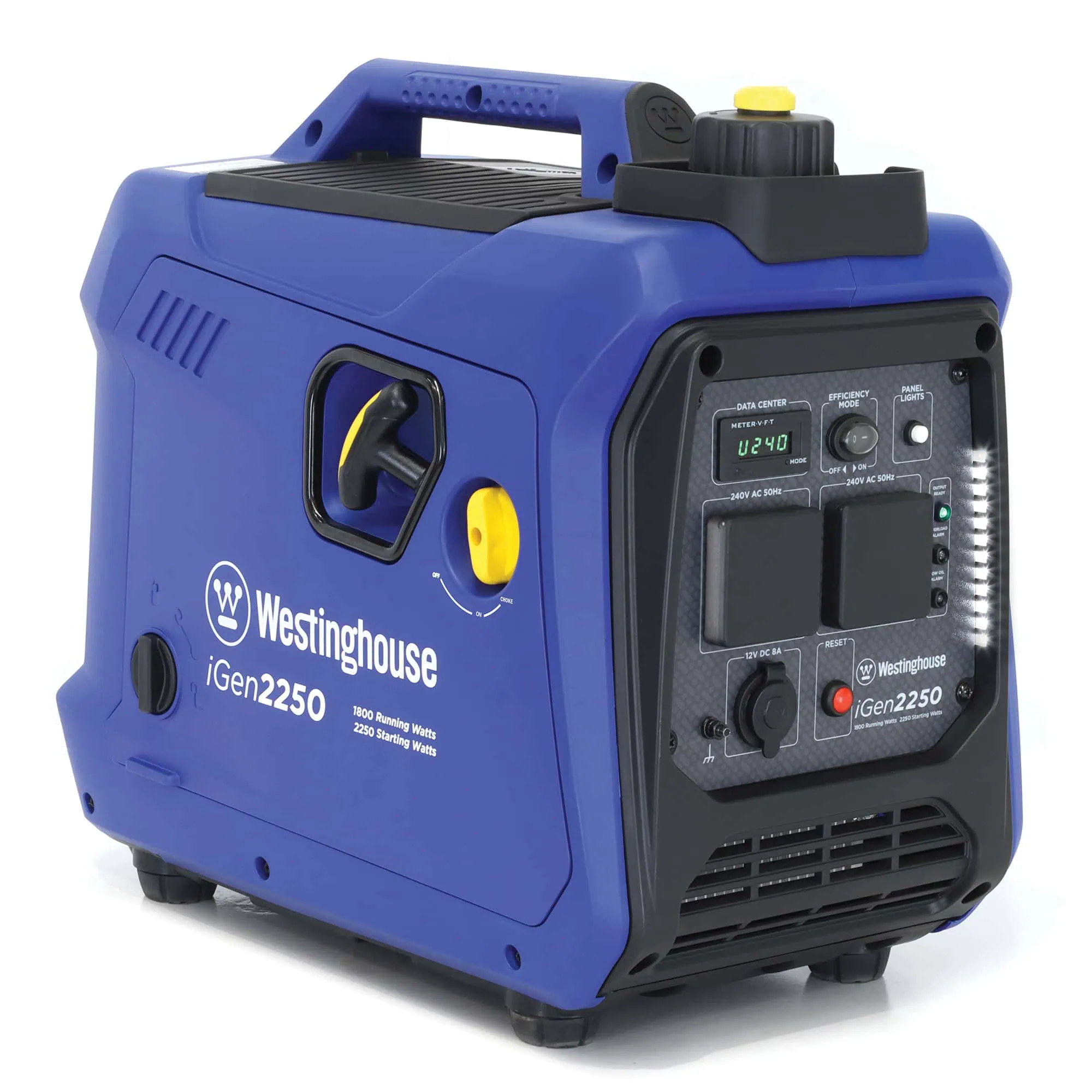
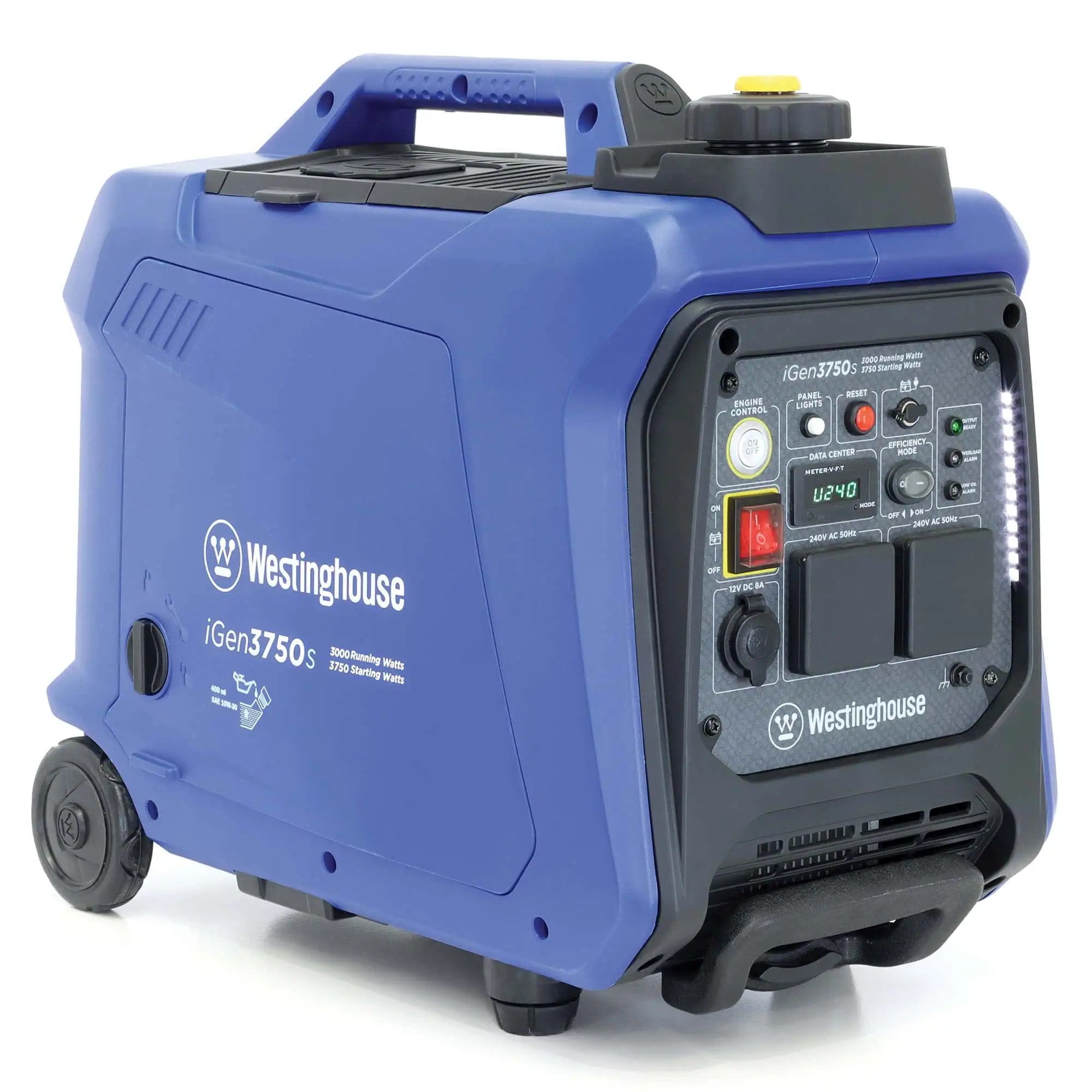
A Westinghouse generator is a portable or standby power unit that converts fuel into electricity. Models range from small inverter units for camping to larger units for home backup. Knowing your model’s wattage, fuel type, and control features is the first step in learning how to use Westinghouse generator.
Key specs to check before use:
- Rated watts and surge watts so you pick safe loads.
- Fuel type, usually gasoline, propane, or dual-fuel.
- Run time at a given load to plan fuel needs.
- Outlets and transfer switch compatibility for whole-house use.
Benefits and limits:
- Benefit: Reliable power for short- and long-term outages.
- Benefit: Many models are quiet and fuel-efficient.
- Limitation: Overloading can damage appliances and the generator.
- Limitation: Requires regular maintenance for longevity.
Safety first: essential precautions when using a Westinghouse generator
Safety matters more than saving time. Follow these rules every time you use a generator. Mistakes can cause carbon monoxide poisoning, fire, or electrical hazards.
Safety checklist:
- Never run the generator indoors or in an attached garage. Always use it outdoors in a well-ventilated area.
- Keep the unit dry and on a flat surface. Avoid wet conditions and use a canopy if needed.
- Use heavy-duty, outdoor-rated extension cords. Ensure cords are in good condition and have proper grounding.
- Install a transfer switch for home backup to prevent backfeeding into utility lines.
- Keep children and pets away while it runs. Hot parts can cause burns.
Simple ventilation tip:
- Place the generator at least 20 feet from doors and windows, with exhaust directed away from the house.

Step-by-step setup and installation
A clear setup reduces mistakes. These steps help you prepare the generator properly before starting.
- Inspect the unit.
- Check oil level, fuel level, and air filter.
- Look for leaks or loose parts.
- Position the generator.
- Set it on level ground outdoors.
- Ensure airflow around the unit.
- Connect fuel.
- Fill with fresh fuel or attach propane tank if applicable.
- For long storage, treat fuel as manufacturer recommends.
- Connect loads.
- Plug tools or appliances into the generator outlets.
- For home backup, connect through a transfer switch or inlet box. Never plug generator into a wall outlet.
- Ground the unit if required by local codes or the manual.
These steps show how to use Westinghouse generator safely and correctly from the first setup to powering devices.

How to start and stop your Westinghouse generator
Starting and stopping are simple if you follow the sequence. These steps prevent engine stress and electrical spikes.
Starting procedure:
- Turn fuel valve to ON if your model has one.
- Set choke to CLOSED for a cold start; OPEN for warm starts.
- Turn engine switch to RUN and pull the recoil or press the electric start.
- Let the generator run unloaded for 2–5 minutes to stabilize.
Stopping procedure:
- Turn off connected appliances first to reduce surge.
- Move the choke to OPEN and let the generator run for a minute.
- Turn the engine switch to OFF.
- Turn fuel valve to OFF if storing.
Tip: For inverter models, follow the remote or panel instructions. These steps explain how to use Westinghouse generator in everyday starts and stops.
Fuel, maintenance, and storage best practices
Regular care keeps your generator ready and extends its life. Follow a simple schedule and keep parts fresh.
Routine maintenance schedule:
- Before each use: Check oil, fuel, air filter, and spark plug visually.
- Every 50 hours or monthly: Change oil for heavy use and check air filter.
- Every 100 hours: Replace oil and check spark plug and fuel filter.
- Annually: Inspect valves, fuel lines, and carburetor. Consider a professional tune-up.
Fuel tips:
- Use fresh gasoline with the recommended octane. Avoid ethanol blends over time if not specified.
- Add fuel stabilizer for storage over 30 days.
- For propane models, check hoses and fittings for cracks and leaks.
Storage tips:
- Drain fuel or add stabilizer for long storage.
- Store in a dry place and cover the unit to keep dust out.
- Run the generator every three months under load for 20–30 minutes to keep parts lubricated.
These practices show how to use Westinghouse generator for years without surprises.

Troubleshooting common issues
Minor problems are common. Quick checks solve most issues without service calls.
No-start causes and fixes:
- Old fuel: Drain and replace with fresh fuel.
- Low oil shutoff: Refill oil to the correct level.
- Spark plug fouled: Remove and clean or replace.
Low power or sputtering:
- Clogged air filter: Clean or replace the filter.
- Incorrect fuel mix: Use correct fuel or clean carburetor.
Electrical problems:
- Tripped breaker: Reset generator and reduce load.
- Backfeeding risk: Always use transfer switch for home connections.
These steps help you troubleshoot how to use Westinghouse generator when things go wrong.
People also ask (PAA) — quick questions and answers
How long can a Westinghouse generator run continuously?
Most portable Westinghouse generators can run 8–12 hours at 50% load on a full tank. Larger standby models can run much longer with a steady fuel source.
Can I power my whole house with a Westinghouse generator?
You can power a whole house only if the generator’s rated watts match your home load and you use a transfer switch. For full-home backup, choose a model sized for your peak demand.
Is it safe to run a generator in the rain?
Avoid running a generator in heavy rain. Use a covered, well-ventilated area to protect from water while keeping exhaust away from living spaces.

Tips from my experience using Westinghouse generators
I have used Westinghouse generators for camping and home backup for years. Small habits make a big difference.
Lessons learned:
- Always keep a small checklist on the generator. It saves time and avoids mistakes.
- Label circuits on your transfer switch. It stops guesswork during outages.
- Keep spare spark plugs and oil in a small kit near the unit.
Mistakes to avoid:
- Never overload the generator for long. I once damaged a unit by running a heat pump startup repeatedly without a staggered start.
- Don’t skip a test run before storm season. A quick run reveals issues early.
These real tips show practical ways to use Westinghouse generator better and longer.

Frequently Asked Questions of how to use westinghouse generator
What routine checks should I do before each use?
Check oil level, fuel level, air filter, and visual damage. Start the generator briefly to confirm operation.
How do I prevent carbon monoxide risks?
Run the generator outdoors in a well-ventilated area, away from doors and windows. Never operate it indoors or in enclosed spaces.
How often should I change the oil?
Change oil after the first 5–8 hours of use for new units, then every 50–100 hours depending on use. Follow the owner’s manual for exact intervals.
Can I store gasoline in the generator long-term?
No. Either drain the fuel for storage or add fuel stabilizer for short-term storage. Old fuel can clog the carburetor.
When should I call a professional for repairs?
Call a professional for persistent starting issues, fuel system problems, or internal engine noises. Avoid DIY fixes that risk warranty or safety.
Conclusion
Learning how to use Westinghouse generator starts with safety, correct setup, and routine care. Use the steps here to choose the right model, set it up, start and stop safely, and keep it in peak condition. Take action today: make a quick checklist, run a test, and store spare parts so your generator is ready when you need it most. If you found this helpful, leave a comment, subscribe for updates, or share your own tips and questions below.