

If you rely on a generator to keep your home powered during outages, installing a transfer switch is one of the smartest moves you can make. But have you ever wondered why a transfer switch is so important, or how to install one safely?
This device acts as the crucial link between your generator and your home’s electrical system, ensuring power flows smoothly and safely when you need it most. You’ll discover what a transfer switch does, why it’s essential for your generator setup, and the key steps to install one correctly.
Whether you’re considering a DIY approach or thinking about hiring a professional, understanding this process will help you make the best decision for your home’s safety and convenience. Keep reading to learn how to protect your family and your home with the right transfer switch installation.
Benefits Of Transfer Switches
Installing a transfer switch for your generator brings many benefits. It makes power management safer and more efficient during outages. Transfer switches help protect your home and appliances from electrical damage. They also simplify the process of switching between utility power and generator power. These advantages make transfer switches an important part of any backup power setup.
Safe Power Transfer
A transfer switch prevents backfeed into the power grid. This protects utility workers from dangerous electrical shocks. It also stops damage to your generator and home wiring. Safe power transfer is essential for a reliable backup power system.
Easy Operation
With a transfer switch, switching power sources is simple and quick. You do not need to plug and unplug extension cords. This convenience saves time and reduces the chance of errors. It makes generator use hassle-free during power outages.
Protects Appliances
Transfer switches regulate the power flow to your home. They prevent voltage spikes that can harm electronics and appliances. This helps extend the life of your devices. Your sensitive equipment stays safe during generator use.
Code Compliance
Using a transfer switch ensures your generator setup meets electrical codes. This is required by most local laws and utility companies. Code compliance avoids fines and legal issues. It also guarantees a safer installation overall.
Improves Generator Efficiency
Transfer switches allow your generator to run smoothly and efficiently. They balance the load and prevent overloading circuits. This helps your generator last longer and perform better. Efficient operation saves fuel and reduces wear.

Credit: www.youtube.com
Types Of Transfer Switches
Choosing the right transfer switch is key for a smooth generator setup. Transfer switches come in different types that fit various needs. Each type controls how power moves between the main grid and your generator. Understanding these options helps pick the best switch for safety and convenience.
Manual Transfer Switches
Manual transfer switches require you to flip a switch to change power sources. They are simple and cost-effective. You control when the generator powers your home. This type is good for smaller setups or occasional use. Manual switches need you to be present during outages.
Automatic Transfer Switches
Automatic transfer switches detect power loss instantly. They switch to generator power without any action from you. Once the main power returns, they switch back automatically. This option is ideal for critical systems or busy households. It offers convenience and peace of mind during blackouts.
Interlock Transfer Switches
Interlock transfer switches prevent the main breaker and generator breaker from being on at the same time. This avoids dangerous backfeeding to the grid. They are often easier to install than full transfer switches. Interlocks provide a safe, budget-friendly option for many homes.
Safety Risks Of Diy Installation
Installing a transfer switch for your generator is not a simple task. Mistakes can cause serious safety hazards. Electricity is dangerous and can lead to shocks or fires. A wrong connection might damage your generator or home wiring.
Many people underestimate the complexity of this job. A transfer switch must meet strict electrical codes. Failing to follow these rules can cause legal problems and void insurance. Safety must always come first.
Risk Of Electric Shock
Handling live wires without proper training is very risky. Electric shock can cause severe injury or death. Even if the power is off, some parts may still be energized. Professionals use special tools to stay safe.
Fire Hazards From Incorrect Wiring
Wrong wiring may create sparks or overheating. These issues can start electrical fires. Transfer switches must be connected exactly as per instructions. Poor installation increases the chance of fire damage.
Non-compliance With Electrical Codes
Local electrical codes protect your safety and property. DIY installations often miss important code requirements. This can lead to fines or failed inspections. Licensed electricians know how to comply with all codes.
Damage To Generator And Home Systems
Improper installation may harm your generator and appliances. Overloading circuits or reversing connections can cause breakdowns. Repairs after damage can be costly. Proper installation helps your system work smoothly and lasts longer.
Liability And Insurance Issues
Improper DIY work may void your insurance coverage. Insurance companies require professional installation for generator systems. In case of damage, you might not get compensation. Hiring experts protects you from financial loss.
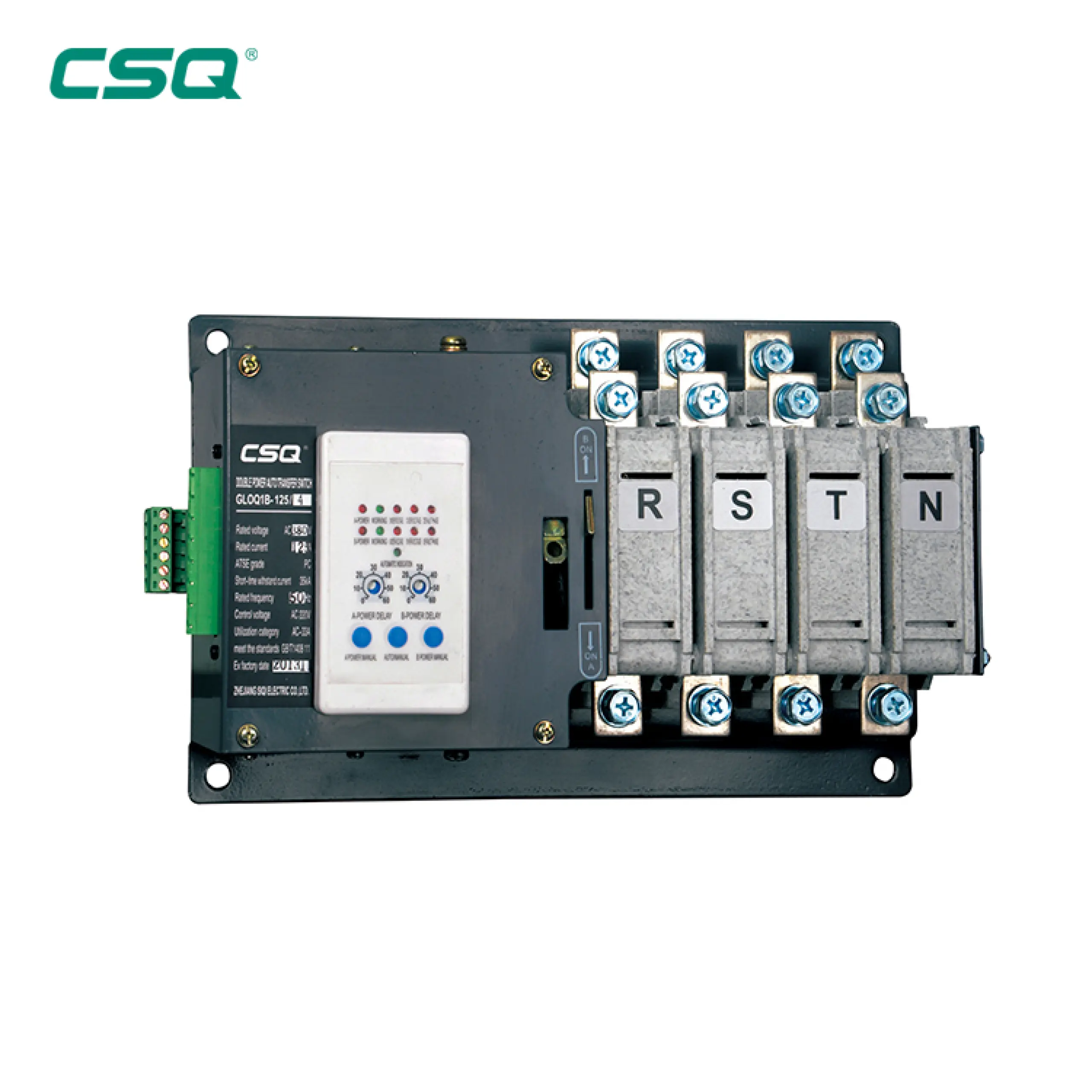
Credit: www.csqelectric.com
Code Requirements And Compliance
Installing a transfer switch for a generator requires strict adherence to electrical codes. These codes protect your home, family, and utility workers from electrical hazards. Meeting code requirements ensures your installation is safe and legal.
Electricians follow the National Electrical Code (NEC) and local regulations during installation. These rules cover wiring methods, grounding, and switch ratings. Compliance prevents accidents and power interruptions.
Understanding The National Electrical Code (nec)
The NEC sets the standard for electrical installations across the U.S. It requires transfer switches to have proper labeling and clear connection points. Switches must prevent backfeed, which can harm utility workers.
The code also specifies the amperage rating for transfer switches. It matches your generator and home electrical load. Using the correct rating avoids overloads and fires.
Local Authority And Permit Requirements
Local building departments often require permits before installation. Inspectors verify that the work meets code standards. Skipping permits can lead to fines or forced removal of the switch.
Consult your city or county office to know the exact rules. Some areas require inspections during and after installation for safety assurance.
Grounding And Wiring Standards
Proper grounding protects against electrical shocks and equipment damage. The transfer switch must connect to a reliable ground source. Wiring should use approved materials and follow color codes.
Incorrect wiring can cause short circuits or damage to your generator. Always follow manufacturer instructions and NEC wiring guidelines.
Choosing The Right Transfer Switch
Choosing the right transfer switch is key for safe generator use. A transfer switch controls power flow between the generator and your home. It protects utility workers and your devices from damage. The right switch matches your generator’s power and your home’s needs.
Several types of transfer switches exist. Each serves different power needs and budget levels. Understanding these helps pick the best option for your setup.
Manual Vs. Automatic Transfer Switches
Manual transfer switches require you to flip a switch during power outages. They are affordable and simple to use. Automatic transfer switches detect outages and switch power on their own. They cost more but offer convenience and faster response.
Amperage And Load Capacity
Check your generator’s amperage to match the switch. The transfer switch should handle your home’s total power load. Undersized switches can cause overheating or damage. Oversized switches may cost more but offer future-proofing.
Number Of Circuits Supported
Decide how many circuits you want to power during an outage. Some switches power only essential circuits. Others can handle your whole home. Choose a switch that fits your power priorities and budget.
Compatibility With Your Generator
Ensure the transfer switch matches your generator brand and model. Some switches are universal, while others fit specific generators. Compatibility ensures smooth operation and safety.
Safety And Code Compliance
Pick a transfer switch that meets local electrical codes. Look for UL listing or other safety certifications. Proper installation by a licensed electrician is essential for safety and legal reasons.
Tools And Materials Needed
Installing a transfer switch for your generator requires specific tools and materials. Having the right equipment makes the job safer and easier. This section lists everything needed to complete the installation smoothly.
Gather all tools and materials before starting. This preparation saves time and reduces mistakes.
Essential Tools For Transfer Switch Installation
Basic hand tools are necessary for most steps in the installation. A screwdriver set helps with panel covers and screws. Wire strippers and cutters prepare the cables. A voltage tester ensures power is off before working. A drill with bits makes mounting the switch easier. Adjustable wrenches tighten bolts and connectors.
Materials Required For The Transfer Switch
The transfer switch unit itself is the main material. Choose a switch rated for your generator’s power. Electrical wires must be the correct gauge for safety. Circuit breakers protect your home’s electrical system. Mounting hardware secures the switch to a wall or panel. Conduit pipes protect wires from damage.
Safety Equipment To Have On Hand
Safety glasses shield your eyes from debris. Insulated gloves protect against electric shock. A sturdy ladder helps reach high places. Keep a fire extinguisher nearby for emergencies. Proper lighting improves visibility in tight spaces.
Step-by-step Installation Process
Installing a transfer switch for a generator ensures safe power transfer during outages. Following a clear step-by-step process helps avoid mistakes. This guide breaks down each stage for easy understanding and effective installation.
Preparing The Work Area
Turn off the main power supply to your home. Clear the space near your electrical panel. Gather all tools and materials needed for the installation. Safety gear like gloves and goggles is essential.
Mounting The Transfer Switch
Choose a spot close to the main electrical panel. Secure the transfer switch to the wall with screws. Ensure it is level and firmly attached. This placement minimizes wiring complexity and improves safety.
Connecting To The Electrical Panel
Open the main electrical panel carefully. Identify circuits to connect to the transfer switch. Turn off breakers for those circuits. Run wires from the transfer switch to the panel slots. Connect wires following the manufacturer’s instructions exactly.
Wiring The Generator
Install the inlet box outside your home. Run wiring from the inlet box to the transfer switch. Connect the generator’s power output to this inlet. Use proper gauge wires to handle the generator’s load safely.
Testing The Installation
Restore main power and check for any loose connections. Start the generator and switch power through the transfer switch. Verify that selected circuits receive power from the generator. Test multiple times to confirm reliability and safety.
Testing And Troubleshooting
Testing and troubleshooting the transfer switch is critical to ensure safe operation during power outages. Proper testing confirms the switch works correctly with your generator and home wiring. Troubleshooting helps find and fix any issues before you need emergency power.
Conduct tests in a controlled way. Avoid rushing to prevent damage or hazards. Careful checks give peace of mind that your system will work when needed.
Testing The Transfer Switch Functionality
Start by turning off the main power supply to your home. Then, switch the transfer switch to generator mode. Turn on your generator and check if power flows to the selected circuits. Use a voltage tester to confirm power presence. If power is stable and consistent, the switch works properly.
Checking For Wiring Errors
Inspect all wiring connections for tightness and correct placement. Loose wires cause faults or power loss. Look for signs of damage or corrosion. Use a multimeter to measure continuity and resistance. Fix any wiring problems before proceeding with further tests.
Troubleshooting Common Issues
If the transfer switch does not operate as expected, isolate the problem step-by-step. Verify the generator produces correct voltage. Ensure the switch mechanism moves freely without obstruction. Check circuit breakers for tripping or faults. Replace faulty components or consult a professional electrician if problems persist.
When To Hire A Professional
Installing a transfer switch for your generator is a critical task. Proper installation ensures safety and compliance with electrical codes. Knowing when to hire a professional can save you from costly mistakes and hazards.
Some situations require expert skills beyond basic DIY abilities. Professionals have the training and tools to install transfer switches safely. They also understand local regulations and can obtain permits if needed.
Complex Electrical Systems
Homes with complex electrical wiring need expert handling. Professionals can evaluate your system and plan the best installation. Mistakes in complex systems can cause fires or damage appliances.
Local Code And Permit Requirements
Transfer switch installations must follow local electrical codes. Licensed electricians know these rules well. They can get the necessary permits and inspections done correctly.
Safety Concerns
Working with electricity is dangerous without proper knowledge. A small error can lead to shocks or electrocution. Professionals use safety gear and techniques to avoid accidents.
Warranty And Insurance Issues
Some generator manufacturers require professional installation for warranty. Insurance claims may be denied if installation is not certified. Hiring a pro protects your investment and coverage.
Time And Efficiency
Professionals finish the job faster and with fewer errors. They have experience and the right tools for smooth installation. This saves you time and stress during power outages.

Credit: www.reddit.com
Maintenance And Safety Tips
Proper maintenance and safety practices keep your transfer switch working well. They protect your home and your family. Regular checks and safe handling reduce risks of damage or accidents.
Simple steps help you avoid costly repairs. They also extend the life of your generator and transfer switch. Understanding these tips is key for safe and smooth power transfer during outages.
Regular Inspection And Cleaning
Inspect the transfer switch at least twice a year. Look for dirt, dust, or moisture buildup. Clean the switch using a dry cloth to remove debris. Avoid using water or liquids near electrical parts. Check for loose wires or signs of wear. Tighten any loose connections carefully.
Test The Transfer Switch Periodically
Test your transfer switch regularly to ensure it works. Switch power between the generator and the main line. Confirm that all circuits transfer smoothly without sparks or delays. Testing helps spot problems early before an outage occurs. Follow the manufacturer’s instructions for safe testing.
Follow Safety Precautions During Operation
Always turn off the main power before switching to the generator. Use the transfer switch only for its intended purpose. Never bypass the transfer switch to connect the generator directly. Keep children and pets away from the generator and switch area. Use gloves and safety glasses if you handle the switch or generator.
Schedule Professional Maintenance
Hire a licensed electrician to inspect your transfer switch yearly. They can find hidden issues and fix wiring problems. Professionals ensure your system meets local codes and safety standards. Professional checks give peace of mind that your setup is safe and reliable.
Frequently Asked Questions
Can I Install A Generator Transfer Switch Myself?
Installing a generator transfer switch yourself is possible but not recommended. It involves safety risks and strict electrical codes. Hire a licensed electrician to ensure proper, safe, and code-compliant installation. Incorrect wiring can cause fire, shock, or backfeeding hazards. Professional installation protects your home and utility workers.
How Much Should It Cost To Install A Generator Transfer Switch?
Installing a generator transfer switch typically costs between $500 and $1,500. Prices vary by switch type and labor fees. Hiring a licensed electrician ensures safety and code compliance.
Do I Need A Permit To Install A Generator Transfer Switch Near?
Yes, you need a permit to install a generator transfer switch near your home. Permits ensure safety and code compliance. Always check local regulations and hire a licensed electrician for proper installation.
Do You Have To Turn Off Your Main Breaker When Using A Generator Transfer Switch?
Yes, turn off your main breaker before using a generator transfer switch. This prevents backfeeding and ensures safe power transfer. Always follow safety guidelines to protect your home and utility workers.
What Is A Transfer Switch For A Generator?
A transfer switch safely connects your generator to home electrical circuits.
Why Install A Transfer Switch For My Generator?
It prevents back-feeding and protects utility workers during power outages.
Can I Install A Transfer Switch Myself?
DIY installation is risky and may violate electrical codes; hire a licensed electrician.
How Does A Manual Transfer Switch Work?
It allows you to switch power sources manually between utility and generator.
What Types Of Transfer Switches Are Available?
Manual and automatic transfer switches suit different needs and budgets.
Where Should A Transfer Switch Be Installed?
Near your main electrical panel for easy access and safety compliance.
Conclusion
Installing a transfer switch improves your home’s power safety during outages. It lets your generator supply electricity without risks like backfeeding. Always choose a professional electrician for installation. This ensures the work meets safety standards and local codes. With a proper transfer switch, you stay prepared and secure when power goes out.
Simple steps protect your home and family effectively. Don’t take chances with electrical work; trust experts for best results.