
Are you curious about how generators work? You might have heard debates about whether they are electrical or mechanical.
Understanding this can help you make better decisions when choosing a generator for your needs. We’ll break down the key concepts, clear up any confusion, and provide insights that could save you time and money. By the end, you’ll have a solid grasp of the topic, allowing you to confidently discuss generators with friends or make informed purchases.
Let’s dive in and uncover the truth about generators together!
What Is A Generator?
A generator is a device that converts energy. It changes mechanical energy into electrical energy. This process is called electromagnetic induction. Generators are important for providing power.
They are used in homes, industries, and events. When the main power goes out, generators provide backup. They ensure that lights stay on and equipment keeps running.
Generators come in various sizes and types. Some are small and portable. Others are large and stationary. Each type serves different needs.
How Does A Generator Work?
A generator works by spinning a rotor inside a magnetic field. This motion creates electricity. The rotor is connected to an engine or turbine. The engine provides the mechanical energy needed.
The magnetic field can come from magnets or electromagnets. As the rotor spins, it cuts through the magnetic lines. This action generates an electric current.
There are several types of generators. The most common are portable, inverter, and standby generators. Portable generators are easy to move and use. They are great for camping or outdoor events.
Inverter generators produce clean power. They are quieter and more efficient. Standby generators are connected to home power systems. They automatically turn on during a power outage.
Applications Of Generators
Generators have many applications. They power homes during outages. They are essential on construction sites. Events like festivals also use generators for electricity.
In hospitals, generators provide critical power. They keep life-saving equipment running. This shows how vital generators are in our daily lives.

Credit: www.researchgate.net
Core Functionality Of Generators
The core functionality of generators lies in their ability to convert different forms of energy into electrical energy. This process is crucial for providing power in homes, industries, and even during outdoor activities. Understanding how generators work enhances your ability to choose the right one for your needs.
Energy Conversion Process
At the heart of every generator is the energy conversion process, which transforms mechanical energy into electrical energy. This transformation typically involves a rotating component, often called a rotor, which is connected to an energy source like an engine or a wind turbine.
As the rotor spins, it generates electricity by moving through a magnetic field. This interaction results in the production of electrical current, which can then be harnessed for various applications.
Think of your home generator. When you turn it on, the engine drives the rotor, converting its mechanical energy into the electrical energy that powers your lights and appliances. Without this conversion process, we wouldn’t have the reliable power sources we often take for granted.
Role Of Electromagnetic Induction
Electromagnetic induction plays a pivotal role in how generators function. This principle was first discovered by Michael Faraday and is the foundation of how electrical currents are generated in a generator.
When the rotor spins within the magnetic field, it induces a flow of electrical current in the coils of wire. This occurs because the movement of the rotor changes the magnetic field around it, leading to the generation of voltage.
Have you ever felt a slight shock when touching a metal object after walking on a carpet? That’s a simple demonstration of static electricity, a basic form of electromagnetic induction. In a generator, this principle is harnessed on a much larger scale, making it possible to power entire homes or businesses.
Understanding these concepts not only demystifies how generators work but also empowers you to make informed decisions when selecting one for your needs. Are you ready to harness the power of generators in your life?
Electrical Components In Generators
Generators use both electrical and mechanical components to function. They convert mechanical energy into electrical energy. Understanding these parts helps clarify how generators operate effectively.
Understanding the electrical components in generators is essential to grasp how these devices function. Generators convert mechanical energy into electrical energy, and the electrical components play a crucial role in this process. Let’s break down the key elements that make up the electrical side of a generator.Stator And Rotor
The stator and rotor are the heart of any generator. The stator is the stationary part, housing the coils of wire that generate electricity. It creates a magnetic field when current flows through it. The rotor, on the other hand, rotates within the stator. It’s typically equipped with magnets or windings that induce electrical current as it spins. The interaction between the stator’s magnetic field and the rotor’s motion generates electricity. Understanding this relationship is vital. If the rotor does not turn or if the stator coils are damaged, the generator will fail to produce power.Wiring And Connections
Wiring and connections are just as important as the stator and rotor. They carry the electric current produced by the generator to where it’s needed. Proper wiring ensures minimal resistance and loss of power. Quality connections help prevent overheating and electrical failures. You might have experienced a power outage due to faulty wiring. This highlights the importance of maintaining your generator’s wiring and connections. Regular checks can save you from unexpected breakdowns when you need power the most. Keeping these electrical components in top shape not only extends the life of your generator but also ensures reliable performance. Are you ready to take a closer look at your generator’s electrical system?Mechanical Aspects Of Generators
Generators combine both electrical and mechanical elements. They convert mechanical energy into electrical energy. Understanding their mechanical aspects helps clarify how generators function in various applications.
Understanding the mechanical aspects of generators is essential for grasping how they function. These components work together to convert mechanical energy into electrical energy. Without this mechanical foundation, generators wouldn’t be able to provide the power we rely on daily.Prime Mover Mechanism
The prime mover is the heart of any generator. It’s the component that drives the generator’s rotor, turning mechanical energy into electrical energy. You might wonder how this process works. The prime mover can be a variety of machines such as turbines, engines, or even water wheels. Each type has its own advantages and is chosen based on the energy source available. For instance, if you have access to running water, a hydro turbine might be your best bet. In contrast, diesel or gas engines are often used in portable generators due to their efficiency and mobility.Turbines And Engines
Turbines and engines are two prominent types of prime movers. Turbines convert fluid flow into mechanical energy. They are used extensively in hydroelectric plants and wind farms. – Hydraulic turbines harness the power of flowing water. – Wind turbines convert wind energy into rotational energy. Both types are efficient and can produce large amounts of power. Engines, on the other hand, burn fuel to create mechanical energy. – Internal combustion engines are common in generators for portable power. – Steam engines use heat to produce steam, which drives a turbine. Each type of prime mover has its specific applications. Choosing the right one depends on factors like availability of resources, cost, and desired output. Think about your needs. What energy source is most accessible to you?How Electrical And Mechanical Systems Work Together
Generators combine electrical and mechanical systems. Each part plays a vital role. The mechanical system generates movement. The electrical system converts that movement into power. Understanding this relationship is important for efficient operation.
Mechanical energy comes from engines or turbines. These create motion, spinning the generator. As the generator spins, it creates magnetic fields. These fields help produce electricity. Both systems must work in harmony.
Synchronization Of Processes
Synchronization is key for efficiency. Mechanical systems must match the speed of electrical systems. If they do not align, power generation can suffer. Mismatched speeds create energy loss. This reduces overall performance.
Generators often use governors to maintain speed. These devices adjust the engine’s output. They help keep everything in sync. Proper synchronization leads to stable power output.
Energy Transmission Efficiency
Energy transmission relies on both systems. Mechanical energy must convert to electrical energy efficiently. Losses in this process can waste resources. High-quality materials and designs improve efficiency.
Wiring and connections play a role too. Proper connections reduce energy loss. This ensures more power reaches its destination. Efficient energy transmission benefits everyone.
Types Of Generators
Generators come in various types. Each type serves a different purpose. Understanding these types helps in choosing the right generator.
Ac And Dc Generators
AC generators produce alternating current. They are widely used in homes and businesses. AC power is easy to transmit over long distances.
DC generators produce direct current. They are often used in batteries and small devices. DC power is useful for specific applications.
Portable And Standby Models
Portable generators offer flexibility. You can move them easily for different needs. They are great for camping or outdoor events.
Standby generators are fixed in place. They provide power during outages. These models kick in automatically when the main power fails.
Applications In Real-world Scenarios
Generators play a crucial role in various settings, providing power when the grid fails or when an extra boost is needed. Understanding their applications in real-world scenarios helps you appreciate their value and versatility. Whether in industrial settings or at home, generators serve essential functions that can significantly impact daily life.
Industrial Uses
Industries rely heavily on generators to maintain operations during power outages. Manufacturing plants, for example, utilize generators to keep machinery running, preventing costly downtime. Without a reliable power source, production schedules can quickly fall behind.
- Construction sites often use portable generators to power tools and equipment.
- Data centers depend on backup generators to safeguard sensitive information.
- Oil and gas operations use generators in remote locations where grid power is unavailable.
Imagine walking through a factory during a blackout. The sudden silence can be alarming. But with a generator, the hum of machinery continues, ensuring productivity and safety.
Residential And Emergency Power
In your home, a generator can be a lifesaver during unexpected blackouts. You can keep your refrigerator running, ensuring food stays fresh. Lighting becomes a non-issue, letting you navigate your space safely.
- Portable generators are great for camping trips and outdoor events, providing power for appliances and devices.
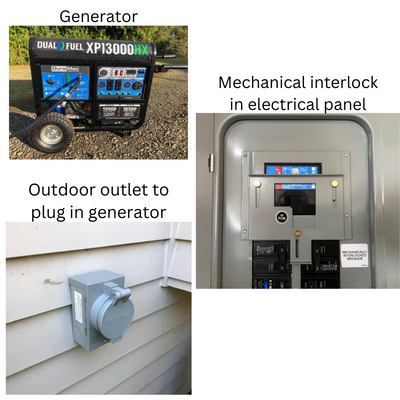
- Home standby generators automatically kick in during outages, giving you peace of mind.
Have you ever found yourself in the dark during a storm? Knowing you have a generator ready can change your experience from frustrating to manageable. You can stay connected, entertained, and comfortable, even when the power goes out.
Understanding how generators function in various applications highlights their importance. Whether for industrial use or residential emergencies, their role is indispensable in today’s world.
Credit: www.classicelectricnw.com
Common Misconceptions About Generators
Generators often confuse people about their nature. Some think they are purely electrical devices. In truth, generators combine both electrical and mechanical components to produce power. Understanding this helps clear up common myths about how they work.
Understanding generators can be a bit tricky. Many people hold misconceptions that cloud their knowledge about how these machines work. Let’s clarify these misunderstandings to help you better grasp the differences between mechanical and electrical components in generators.Mechanical Vs. Electrical Misunderstandings
One common misconception is that generators only function as electrical devices. While it’s true that they produce electricity, the process is rooted in mechanical principles. Generators convert mechanical energy into electrical energy. Think about it: when you crank a generator, you are applying mechanical force. This force spins the rotor, which creates a magnetic field. It’s this interaction that generates electricity. So, both mechanical and electrical elements are crucial for a generator’s operation. You might also hear people say that all generators are the same. This isn’t accurate either. Different types of generators have varying designs and applications, leading to unique operational characteristics.Generator Vs. Motor Confusion
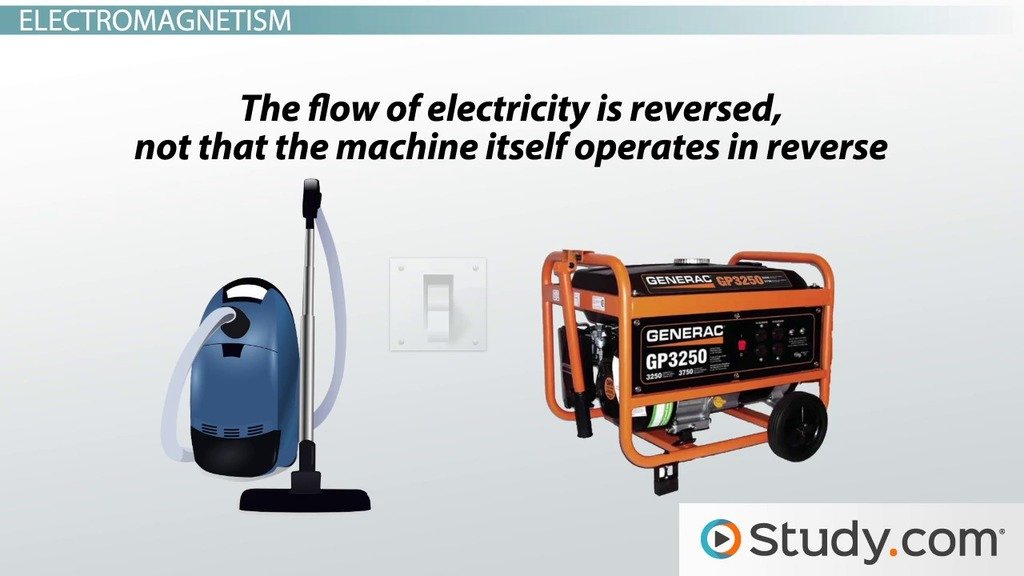
Another frequent source of confusion lies in the difference between generators and motors. Many people mistakenly believe that these two devices perform similar functions. While both convert energy, they do so in opposite directions. A generator converts mechanical energy into electrical energy, while a motor does the reverse. If you plug in a generator, it produces power. But if you plug in a motor, it consumes power to create motion. Understanding this distinction is vital. It helps you choose the right device for your specific needs, whether you’re powering a home or running industrial machinery. Have you ever thought about how often we interchange these terms? Recognizing their unique roles can save you from costly mistakes and enhance your understanding of electrical systems. By addressing these misconceptions, you can approach the topic of generators with greater clarity. This knowledge not only empowers you but also enhances your ability to make informed decisions about energy use and machinery.
Credit: study.com
Frequently Asked Questions
Is A Generator Considered Electrical Or Mechanical?
Generators are primarily mechanical devices that convert mechanical energy into electrical energy. They use electromagnetic induction to generate electricity. The mechanical aspect involves moving parts, while the electrical component is the output current produced. Thus, generators embody both electrical and mechanical characteristics in their operation.
How Does A Generator Produce Electricity?
A generator produces electricity by converting mechanical energy into electrical energy through electromagnetic induction. When a conductor, like a wire, moves within a magnetic field, it induces an electric current. This process is typically powered by engines or turbines, which supply the necessary mechanical energy.
What Are The Main Types Of Generators?
The main types of generators include portable, standby, and inverter generators. Portable generators are versatile for outdoor use, while standby generators are permanently installed for emergency power. Inverter generators provide cleaner power, ideal for sensitive electronics. Each type serves distinct purposes based on energy needs.
What Is The Role Of Magnets In Generators?
Magnets play a crucial role in generators by creating a magnetic field necessary for electricity generation. When a conductor passes through this magnetic field, it induces an electric current due to electromagnetic induction. Thus, magnets are fundamental to the generator’s operation and efficiency.
Conclusion
Generators work through both electrical and mechanical processes. They convert mechanical energy into electrical energy. Understanding this helps you choose the right generator for your needs. Whether for home use or outdoor activities, knowing how generators function is key. This knowledge leads to better decisions and safer usage.
Always consider your power needs and the generator type. Make informed choices for reliable energy solutions. Embrace the technology that fits your lifestyle.