

Are you tired of power outages disrupting your daily routine? Do you want a reliable source of energy for your home or outdoor activities?
Choosing between a generator and an inverter can be a tough decision. Each has its own benefits, and understanding these can help you make the right choice for your needs. We’ll break down the differences between generators and inverters, helping you figure out which option best suits your lifestyle.
By the end, you’ll feel confident about your decision and ready to take control of your power supply. Let’s dive in!
Generator Basics
Choosing between a generator and an inverter depends on your needs. Generators provide more power for larger appliances. Inverters are quieter and better for sensitive electronics. Consider your usage and budget before deciding.
Understanding the basics of generators is essential before deciding if one is right for you. Generators provide a reliable source of power during outages or in off-grid situations. Knowing how they work and the types available can help you make an informed choice.How Generators Work
Generators convert mechanical energy into electrical energy. They do this through a process called electromagnetic induction. When the engine runs, it spins a rotor inside a magnetic field, generating electricity. The amount of electricity produced depends on the generator’s size and design. You can find models that generate enough power for essential appliances or larger units for whole-home use. Generators typically run on gasoline, diesel, or propane. It’s important to consider the fuel type when choosing a generator, as it affects both availability and operating costs.Types Of Generators
There are several types of generators, each designed for specific needs:- Portable Generators:These are small and easy to move. They can power essential tools and appliances during outages or while camping.
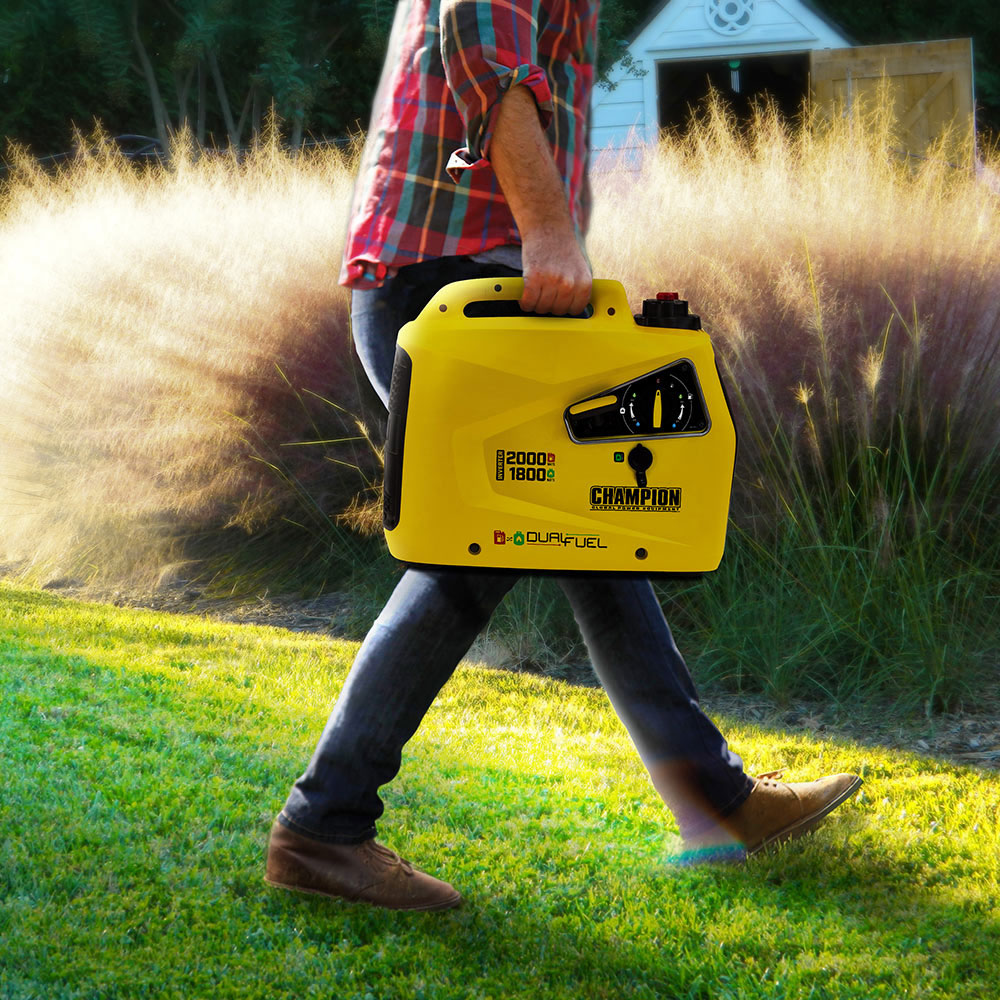
- Inverter Generators:These produce cleaner power, making them ideal for sensitive electronics. They are quieter and more fuel-efficient than traditional models.
- Standby Generators:These are permanently installed and automatically kick in during a power outage. They provide a seamless transition to backup power.
- Solar Generators:These use solar panels to charge a battery and supply power. They are environmentally friendly and great for off-grid living.
Credit: www.homedepot.com
Inverter Basics
Choosing between a generator and an inverter can be tough. Generators are great for heavy power needs, while inverters are quieter and more efficient. Think about your power needs and where you’ll use it most.
Inverter Basics Understanding inverters can help you make a smart decision about your power needs. An inverter converts direct current (DC) into alternating current (AC). This process is essential for powering most household appliances since they typically run on AC.How Inverters Work
Inverters function by taking the DC electricity from sources like batteries and converting it into AC electricity. This conversion involves a few key components: – Oscillator: It creates a square wave signal. – Transistors: These switch the current on and off to create AC. – Transformer: It steps up the voltage to a usable level. The result is a stable and reliable power source. You can easily connect your appliances to an inverter and enjoy uninterrupted power, even during outages.Types Of Inverters
There are several types of inverters, each catering to different needs. Here’s a quick overview: 1. Pure Sine Wave Inverters: Best for sensitive devices. They produce a clean and smooth waveform similar to grid power. 2. Modified Sine Wave Inverters: More affordable but less efficient. They work well for basic electronics but may cause issues with more sensitive devices. 3. Grid Tie Inverters: Ideal for solar power systems. They allow you to send excess power back to the grid. 4. Off-Grid Inverters: Designed for standalone systems. These inverters store energy from batteries and provide power when needed. Choosing the right type depends on your specific needs. Think about the appliances you want to power and how much energy they consume. Have you considered how each type of inverter might impact your daily life? Understanding your options is key to making the best choice for your situation.Power Output Comparison
Choosing between a generator and an inverter depends on your power needs. Generators usually provide more power for heavy tasks. Inverters are quieter and better for sensitive electronics. Consider what you need before making a decision.
Power Output Comparison is crucial when deciding between a generator and an inverter. Understanding the differences in power output can help you choose the right option for your needs. Let’s break down how each performs in terms of output.Generator Output
Generators typically produce a higher wattage than inverters. They can power larger appliances and tools, making them ideal for heavy-duty use. – Standard Output: Most generators range from 1,000 to 10,000 watts. – Surge Capacity: They can handle short bursts of higher output, which is useful for starting motors. Imagine you’re on a camping trip and need to power a refrigerator and a few lights. A generator can easily handle this demand without straining. However, keep in mind that the noise level can be significant. This can be a concern if you’re in a quiet area or need to maintain peace.Inverter Output
Inverters, on the other hand, are designed to provide stable and clean power. They typically have a lower output, ranging from 200 to 3,000 watts. – Efficiency: They convert DC power to AC power, making them great for sensitive electronics. – Portable Options: Many inverters are compact and easy to transport, perfect for road trips or outdoor activities. Think about charging your laptop and running a small fan during a power outage. An inverter is a better choice here because it offers consistent power without risking damage to your devices. The trade-off is that inverters may struggle with high-wattage appliances like air conditioners or power tools. Consider your regular usage and choose accordingly. Which option fits better into your lifestyle? Would you prioritize power capacity or the quiet, efficient output of an inverter? Your needs will dictate the best choice.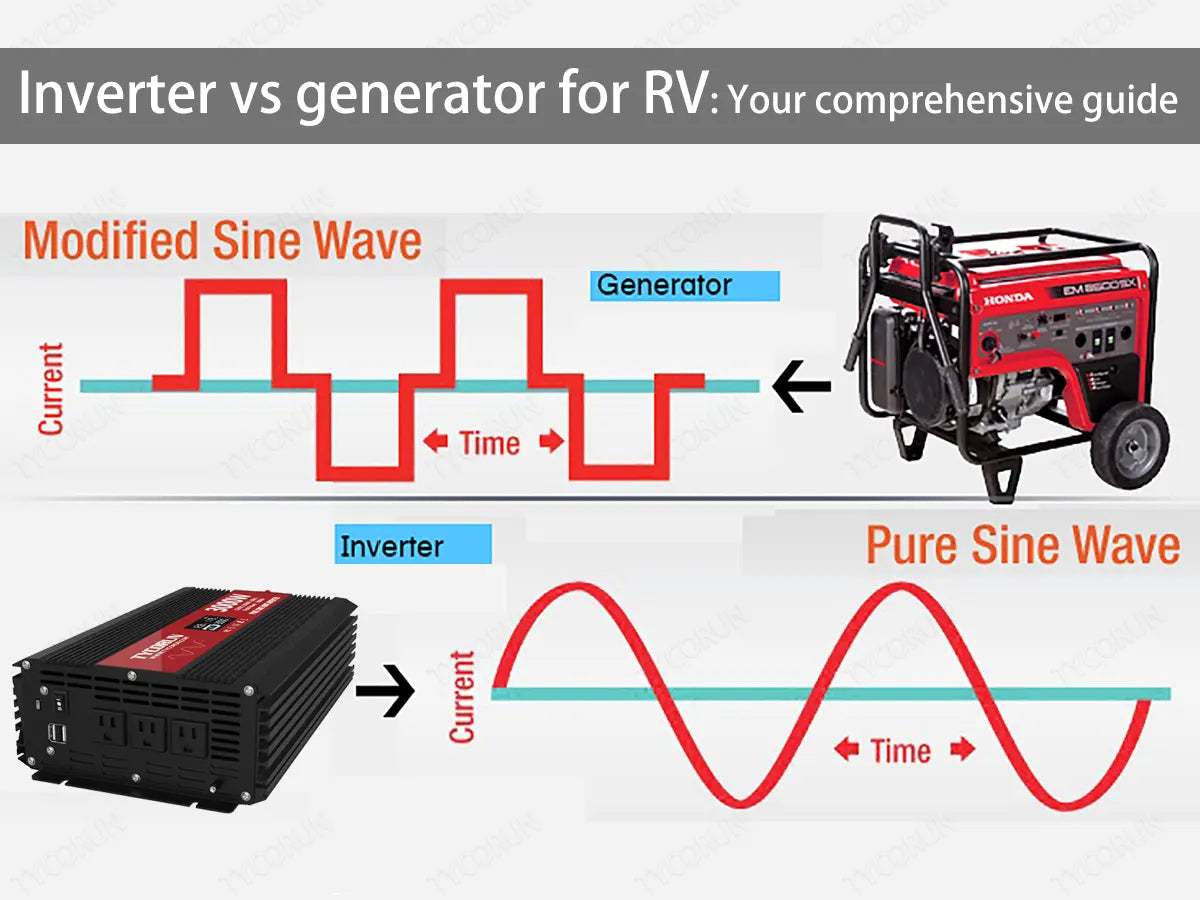
Credit: www.tycorun.com
Fuel Efficiency
Fuel efficiency matters when choosing between a generator and an inverter. It affects your overall costs and environmental impact. Understanding how each option consumes fuel helps you make a better choice.
Generator Fuel Consumption
Generators typically consume more fuel than inverters. They run on gasoline, diesel, or propane. Depending on the load, fuel consumption can vary greatly. Most generators have a constant running rate. This means they use fuel even when the demand is low.
For example, a small generator may use about one gallon per hour. Larger models can consume up to five gallons or more. This high consumption can lead to increased costs over time. Regular use can strain your budget significantly.
Inverter Fuel Savings
Inverters are designed for better fuel efficiency. They only produce the power you need. This smart technology adjusts output based on demand. As a result, they use less fuel than traditional generators.
Many inverters can run on less than half a gallon per hour. This makes them ideal for small appliances and devices. You save money on fuel and reduce emissions. Inverters offer a quieter operation too, making them perfect for residential areas.
Noise Levels
Choosing between a generator and an inverter often depends on noise levels. Generators can be loud, while inverters are typically quieter. Consider your needs and the environment where you’ll use the power source. Silent operation can make a big difference in comfort and convenience.
Noise levels can significantly impact your experience with either a generator or an inverter. If you’re considering a power source for your home or outdoor activities, understanding the noise levels of both options is crucial. You want a solution that meets your power needs without disrupting your peace.Generator Noise
Generators are known for being loud. Many traditional models can produce noise levels between 60 to 90 decibels. That’s comparable to a vacuum cleaner or a busy street. Imagine trying to enjoy a quiet evening outdoors, only to be interrupted by the roar of a generator. This noise can be a deal-breaker for many people, especially if you plan to use it in residential areas or during camping trips. Some generators come with noise-reducing features, but they often come at a higher price. If you decide on a generator, look for models labeled as “quiet” or “low-noise.”Inverter Quiet Operation
In contrast, inverters are designed for quiet operation. They typically operate between 50 to 60 decibels. You can enjoy a conversation or listen to music without straining to hear over the sound. Many people find inverters perfect for camping or tailgating. I’ve used one on multiple trips and never had to raise my voice to chat around the campfire. Inverters also adjust their speed based on the load, which helps keep noise levels down. This feature means they can run quietly when powering small devices but ramp up only when needed. Choosing between a generator and an inverter should include considering noise levels. Do you value a peaceful environment, or is raw power your priority? Your lifestyle will guide your choice.
Credit: www.angi.com
Portability
Portability is key when choosing between a generator and an inverter. Generators are often bulkier and harder to move. Inverters are typically lighter and easier to transport, making them ideal for camping or outdoor use. Consider your needs for convenience and mobility before deciding.
Portability is a crucial factor to consider when deciding between a generator and an inverter. Your choice will largely depend on where you plan to use it and how often you’ll need to move it around. Understanding the weight, size, and design of each option can help you make a more informed decision.Generator Weight And Size
Generators are typically heavier and bulkier than inverters. They often weigh between 50 to over 200 pounds, making them less convenient to transport. If you plan to use it at home during power outages, weight might not be a big issue. However, if you want to take it camping or to outdoor events, the size and weight can become a hassle. Imagine trying to lift a 100-pound generator into your car. It can be a workout—one you didn’t sign up for.Inverter Compact Design
Inverters shine in the portability department. They are designed to be lightweight and compact, often weighing around 20 to 50 pounds. Their smaller size means they can fit easily in your trunk or even in the backseat. You can take them to a picnic, a camping trip, or use them for tailgating without breaking a sweat. The compact design also means less storage space is needed when it’s not in use. You won’t have to clear out a whole shed just to store your power source. When considering portability, ask yourself: How often will you be moving your power source? Your answer could guide you toward the best choice for your needs.Cost Factors
Cost factors play a key role in deciding between a generator or inverter. Generators usually have a higher upfront cost but offer more power. Inverters are often cheaper and quieter but have limited output. Consider your budget and power needs to make the right choice.
Understanding the cost factors when deciding between a generator and an inverter is crucial. Both options have their advantages, but the financial implications can vary significantly. Let’s break down the costs you might encounter.Initial Cost
The initial cost is often the first thing you consider. Generators typically come with a lower upfront price. You can find portable generators starting at around $200, while larger, more powerful options can reach $1,500 or more. In contrast, inverters are generally more expensive. A small inverter may start at $300, but high-capacity models can exceed $2,000. The price difference reflects the technology and efficiency offered by inverters. Think about your budget. Are you willing to invest more upfront for potentially lower long-term costs?Maintenance Expenses
Maintenance expenses play a vital role in your total cost. Generators require regular oil changes, fuel, and air filter replacements. If you use your generator frequently, these costs can add up quickly. Inverters, on the other hand, often need less maintenance. They are quieter and more efficient, which can result in lower fuel costs over time. Some models even offer maintenance-free options. Consider your usage patterns. Will you be relying on your power source often, or only during emergencies? This will help you gauge the long-term expenses associated with each option. Understanding these cost factors can guide you in making an informed decision that aligns with your financial situation and power needs.Best Use Cases
Choosing between a generator and an inverter depends on your needs. Each has its own strengths. Knowing the best use cases can help you decide.
Ideal Scenarios For Generators
Generators are best for heavy-duty tasks. They provide a lot of power quickly. Use them in emergencies like power outages.
Construction sites benefit from generators. They can run tools and machinery. This makes work easier and more efficient.
Outdoor events often need generators. They power lights, sound systems, and more. Enjoy your event without worrying about power.
Generators are also great for camping trips. Bring them along to power your appliances. Keep your food fresh and devices charged.
Ideal Scenarios For Inverters
Inverters shine in quiet environments. They run quietly, making them perfect for residential areas. Use them for small appliances like fans and lights.
Traveling in an RV? Inverters are lightweight and easy to use. They can charge laptops and phones without much hassle.
Solar power systems often use inverters. They convert solar energy into usable power. This is perfect for eco-friendly homes.
Inverters are also safer for sensitive electronics. They provide clean power, which helps prevent damage.
Environmental Impact
Generators and inverters both have environmental impacts. Generators often run on fossil fuels, releasing emissions. Inverters, especially solar ones, use renewable energy, making them cleaner options. Choosing wisely can help reduce your carbon footprint. Consider the long-term effects on the planet when making your choice.
The environmental impact of choosing between a generator and an inverter is a crucial consideration for many consumers today. Both options provide power, but they do so with different implications for our planet. Understanding the emissions and ecological footprints of each can help you make an informed decision that aligns with your values.Generator Emissions
Generators typically run on fossil fuels, such as gasoline or diesel. This reliance leads to significant emissions of carbon dioxide and other harmful pollutants. – Carbon Footprint: A standard portable generator can emit as much as 100 pounds of carbon dioxide in just one day of operation. – Noise Pollution: They are also noisy, contributing to sound pollution that can disturb wildlife and human communities alike. Consider the impact on your environment. When I used a generator during a power outage, I noticed the fumes and noise were not just bothersome, they also made me rethink my choices.Inverter Eco-friendliness
Inverters, on the other hand, are generally more eco-friendly. Many modern inverters run on cleaner energy sources or are designed for high efficiency. – Lower Emissions: They produce fewer emissions compared to traditional generators, making them a better choice for the environment. – Quiet Operation: Inverters operate quietly, which reduces noise pollution and creates a more pleasant environment. If you’re looking for a sustainable option, investing in an inverter might be the way to go. Think about it—would you rather contribute to pollution or support a cleaner planet? Making a choice that benefits the environment can be empowering.Choosing The Right Option
Choosing between a generator and an inverter can be tough. Both options serve specific needs. Understanding your requirements is key. This section helps simplify your decision.
Assessing Your Needs
First, think about how you plan to use the power source. Do you need it for home backup? Or perhaps for outdoor activities? Generators usually provide more power. They can run heavy appliances like refrigerators and heaters.
Inverters, on the other hand, are quieter and more portable. They are ideal for charging small devices. Consider the total wattage you need. This will help you determine which option fits your lifestyle.
Long-term Considerations
Long-term costs matter. Generators often need more fuel. They can be costly to run over time. Inverters typically use less fuel. They also have lower maintenance needs.
Think about where you will store the unit. Generators can take up more space. Inverters are compact and easier to move. Assess how often you will need power. This can impact your choice significantly.
Frequently Asked Questions
Should I Choose A Generator Or Inverter?
Choosing between a generator and an inverter depends on your needs. Generators provide more power for heavy appliances. Inverters are quieter and more fuel-efficient. Assess your power requirements and usage frequency to make an informed decision.
What Are The Advantages Of Using An Inverter?
Inverters are typically lighter and quieter than generators. They provide clean energy, which is safe for sensitive electronics. Inverters also consume less fuel, making them more economical for long-term use. Their portability makes them ideal for camping and outdoor activities.
Can I Run My Home Appliances On An Inverter?
Yes, you can run many home appliances on an inverter. However, check the inverter’s wattage capacity against your appliance requirements. Some high-demand devices, like air conditioners, may exceed an inverter’s limits. Always choose an inverter with sufficient power output for your needs.
Is Maintenance Required For Generators And Inverters?
Yes, both generators and inverters require regular maintenance. Generators need oil changes and fuel system checks. Inverters should be kept clean and checked for battery health. Regular maintenance ensures longevity and optimal performance for both devices.
Conclusion
Choosing between a generator and an inverter depends on your needs. Consider how much power you require. Think about portability and fuel options. Generators provide high power but can be noisy. Inverters are quieter and more efficient for smaller devices.
Your budget also plays a role. Both options have their pros and cons. Assess your situation carefully. Making an informed decision will ensure you stay powered up when you need it most. Take your time to weigh your choices. A good choice will serve you well for years.