
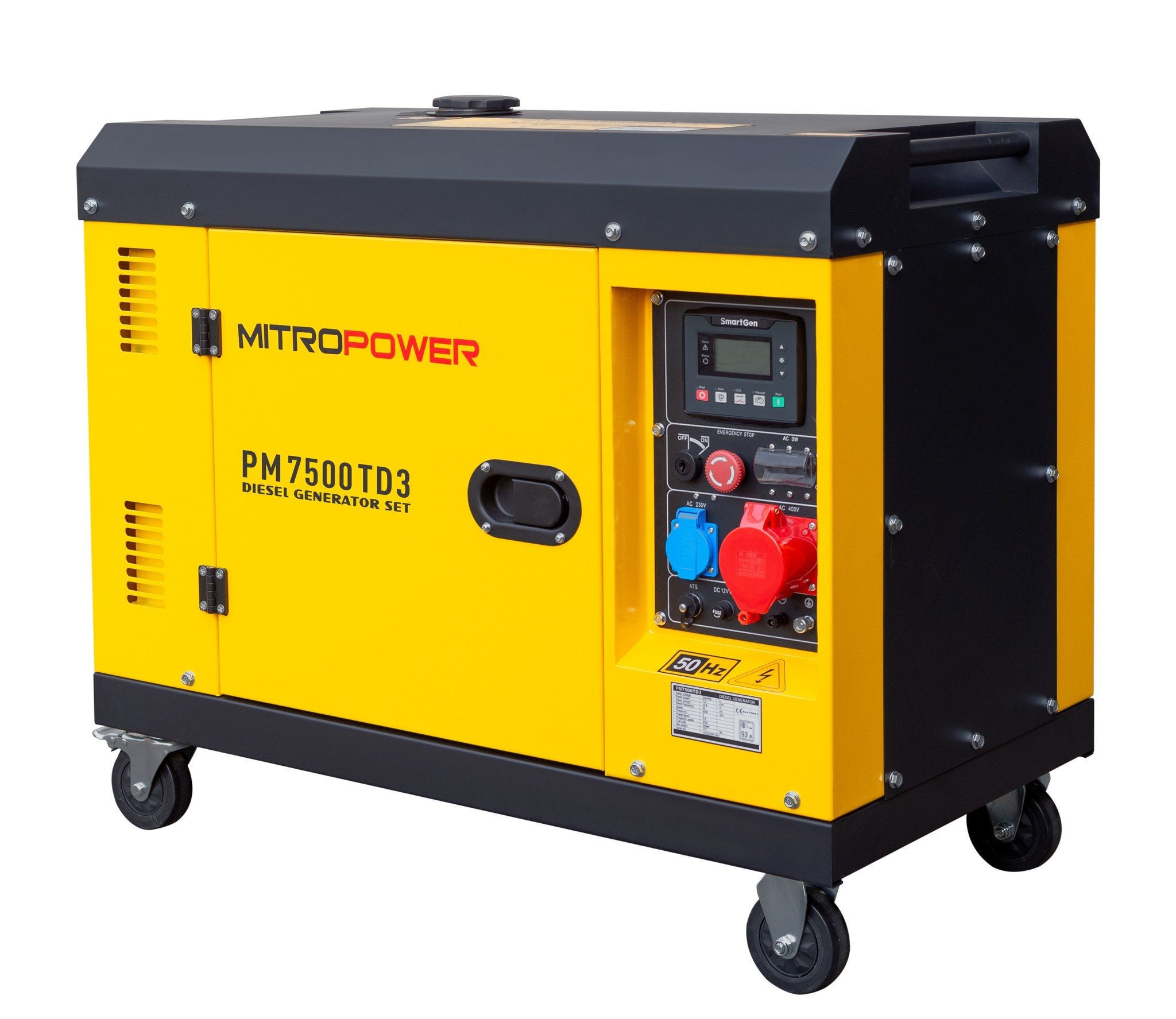
A 7.5 KVA generator typically powers a small house, several major appliances, or a worksite setup.
I have wired, sized, and run portable and standby generators for years. In this guide I explain What Can a 7.5 KVA Generator Power, how to calculate loads, and real-world combos you can trust. Read on for clear examples, safety tips, and hands-on advice so you can choose and use a 7.5 KVA unit with confidence.

How a 7.5 KVA Generator Rating Works
A generator rated 7.5 KVA means it can supply 7.5 kilovolt-amperes of apparent power. To convert to watts, multiply by the power factor. For typical household loads use a 0.8 power factor: 7.5 KVA × 0.8 = 6,000 watts of usable power. That is the running capacity most users should plan around.
Generators have two key numbers. Running watts are continuous output. Starting (or surge) watts are short bursts needed to start motors. A 7.5 KVA generator often delivers higher surge for a few seconds to handle inductive loads like compressors and pumps.

Typical Loads a 7.5 KVA Generator Can Power
Below are common appliances and typical wattages. These show realistic combinations a 7.5 KVA generator can handle when you plan loads and start order.
- Refrigerator (running 150–800 W, start 600–2,000 W)
- Window air conditioner 1.5–2.0 ton (running 1,200–2,400 W, start 2,000–4,500 W)
- Chest freezer (running 200–600 W, start 600–1,800 W)
- Well pump 1/2 HP (running 600–900 W, start 1,200–2,000 W)
- Sump pump (running 500–1,200 W, start 1,000–2,500 W)
- Lights and outlets (LED bulbs 8–12 W each)
- Electric stove burners (1,200–2,400 W per element)
- Microwave (600–1,200 W)
- TV and home office (100–400 W)
- Small workshop tools: table saw, compressor, drill (1,000–2,500 W each, depending)
Practical combinations on a 7.5 KVA generator (approx. 6,000 W usable)
- Option A: Lights, fridge, freezer, modem/router, TV, small microwave (avoid running large AC).
- Option B: One 2-ton central AC is likely too much at startup. A single 1.5-ton window AC may work if start surge is handled and nothing else heavy starts at same time.
- Option C: Small jobsite with circular saw, compressor, lights, and battery chargers—manage starts to avoid overload.
What Can a 7.5 KVA Generator Power in real homes? It can run essentials: fridge, freezer, lights, sump pump, a few outlets, and one small AC or select kitchen circuits, if you manage simultaneous starts.

Calculating Loads and Start-Up Strategies
Step 1: List every appliance you want to run and note running and starting watts.
Step 2: Add running watts to get continuous load. Keep total below about 80–90% of rated watts for safety. For a 7.5 KVA unit with 6,000 W usable, aim for 4,800–5,400 W continuous.
Step 3: Check surge needs. Do not start two large motors at the same time. Stagger starts by 10–30 seconds or use a soft-start device.
Step 4: Use a transfer switch or manual interlock for safe house connection. Never backfeed through a wall outlet.
Practical tip from experience: I always start the fridge, then wait, then key motor loads. That avoids nuisance trips and keeps the generator healthy.

Real-World Examples and Load Plans
Example 1 — Essential home backup
- Refrigerator 700 W running, 1,500 W start
- Sump pump 800 W running, 1,800 W start
- Lights + outlets 400 W
- Router + TV 200 W
Total running ≈ 2,100 W. This is safe and leaves headroom.
Example 2 — Comfort mode with one AC (1.5 ton)
- AC running 1,800 W, start 3,500 W
- Fridge 700 W running, 1,500 W start
- Lights + outlets 400 W
Stagger starts: start AC alone, wait 30 seconds, then start fridge. Running total ≈ 2,900 W. This fits a 7.5 KVA if surge handled.
Example 3 — Jobsite
- Circular saw 2,000 W
- Air compressor 1,500 W (start 3,000 W)
- Work lights 300 W
Start saw, wait, then start compressor. Running ≈ 3,800 W. Works if starts are staggered.
Source: co.nz

Limitations and What to Avoid
- Avoid simultaneously starting multiple large motors like AC units or compressors.
- Do not expect to run central HVAC with multiple zones on a 7.5 KVA generator.
- High-wattage electric stoves and ovens often exceed the generator’s capacity. Consider gas stove or limited use.
- Sensitive electronics benefit from inverter generators or an external AVR (automatic voltage regulator) to avoid voltage spikes.
From hands-on experience, the biggest mistake people make is assuming the running watt rating is all that matters. Start-up surges can instantly overload the unit. Respect surge specs.

Installation, Safety, and Maintenance Tips
- Use a properly sized transfer switch installed by a licensed electrician. This prevents backfeed and keeps utility workers safe.
- Run the generator outdoors on a firm level surface with exhaust away from openings. Carbon monoxide is a risk.
- Keep fuel cool and use fuel stabilizer for long storage. Test run your generator monthly under load.
- Change oil, air filter, and spark plug per manufacturer schedule. Clean and inspect connections regularly.
- Consider a soft-start or motor controller to reduce startup surges for large motors.
A tip I learned: label your circuits and make a simple load chart you tape near the transfer switch. It saves guessing during an outage.
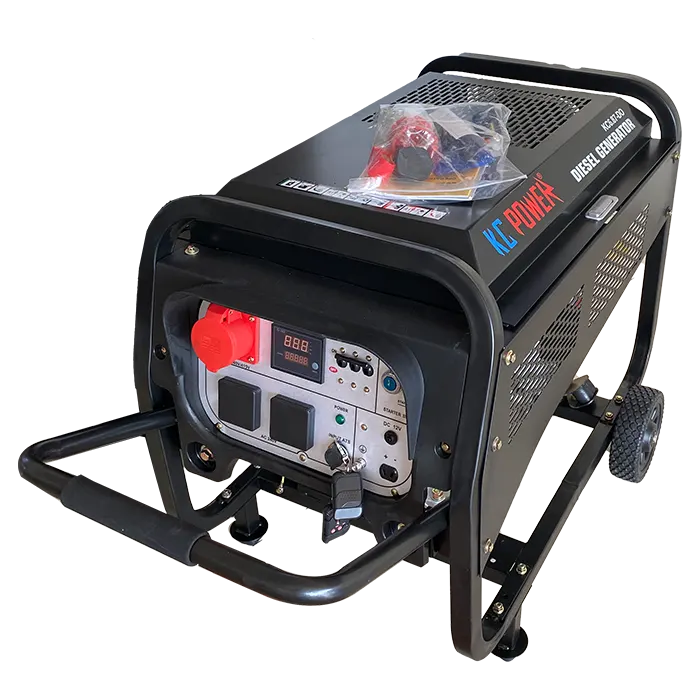
How to Choose the Right 7.5 KVA Generator
- Match usable watts to expected continuous load. Use the 0.8 power factor rule: 7.5 KVA ≈ 6,000 W.
- Pick units with a good surge capacity and reliable AVR or inverter tech for sensitive gear.
- Check fuel type. Diesel units run longer under load, gasoline units are cheaper, and LPG/propane offers cleaner storage.
- Factor noise, runtime, warranty, and service network. I prefer brands with local parts and clear manuals.
If you are unsure, hire a qualified electrician to perform a load analysis. That investment avoids poor performance and possible damage.

People Also Ask — Short Practical Answers
- What Can a 7.5 KVA Generator Power for home use?
A 7.5 KVA generator can run essentials: fridge, freezer, lights, sump pump, and small AC or selected kitchen circuits when loads are managed. - Can a 7.5 KVA generator run a central AC?
Most central AC systems need more surge power than a 7.5 KVA can handle. Running a small window AC is more realistic. - How many appliances can a 7.5 KVA generator support simultaneously?
It depends on wattage. Typically 4–8 mid-size appliances or a mix of essentials and one heavy load if starts are staggered. - Is a 7.5 KVA enough for a small workshop?
Yes for many small tools if you stagger starts. High-draw equipment may need a larger generator or separate power planning. - Do I need a transfer switch for a 7.5 KVA generator?
Yes. A transfer switch is essential for safe, legal connection to home wiring and protects utility workers and equipment.
Frequently Asked Questions of What Can a 7.5 KVA Generator Power
What can a 7.5 KVA generator power in a house?
A 7.5 KVA generator typically powers essential circuits: fridge, freezer, lights, small AC, and a few outlets when loads are managed and starts are staggered.
Will a 7.5 KVA generator run an air conditioner?
It can run a small window or 1.5-ton AC if the unit provides enough starting surge and other loads are minimized during startup.
Can I run power tools on a 7.5 KVA generator?
Yes, many handheld and some stationary tools work fine. Avoid starting multiple large-motor tools at once.
How do I calculate if my appliances fit a 7.5 KVA generator?
Add running watts for all devices. Keep continuous load under about 80–90% of usable watts (roughly 4,800–5,400 W for 7.5 KVA). Check surge needs too.
Is a 7.5 KVA generator good for long outages?
It is good for day-to-day essentials and short outages. For extended whole-house power, consider a larger standby generator or multiple load management strategies.
Conclusion
A 7.5 KVA generator is a versatile option. It reliably powers essential home circuits, a small AC, and many jobsite tools when you plan loads and manage motor starts. Use a transfer switch, follow safety rules, and stagger high-start loads to get the best performance. Take action: list your essential appliances, do a simple watt check, and consult an electrician to match a 7.5 KVA generator to your needs. If this helped, try the load-plan worksheet and share your setup or questions below.