
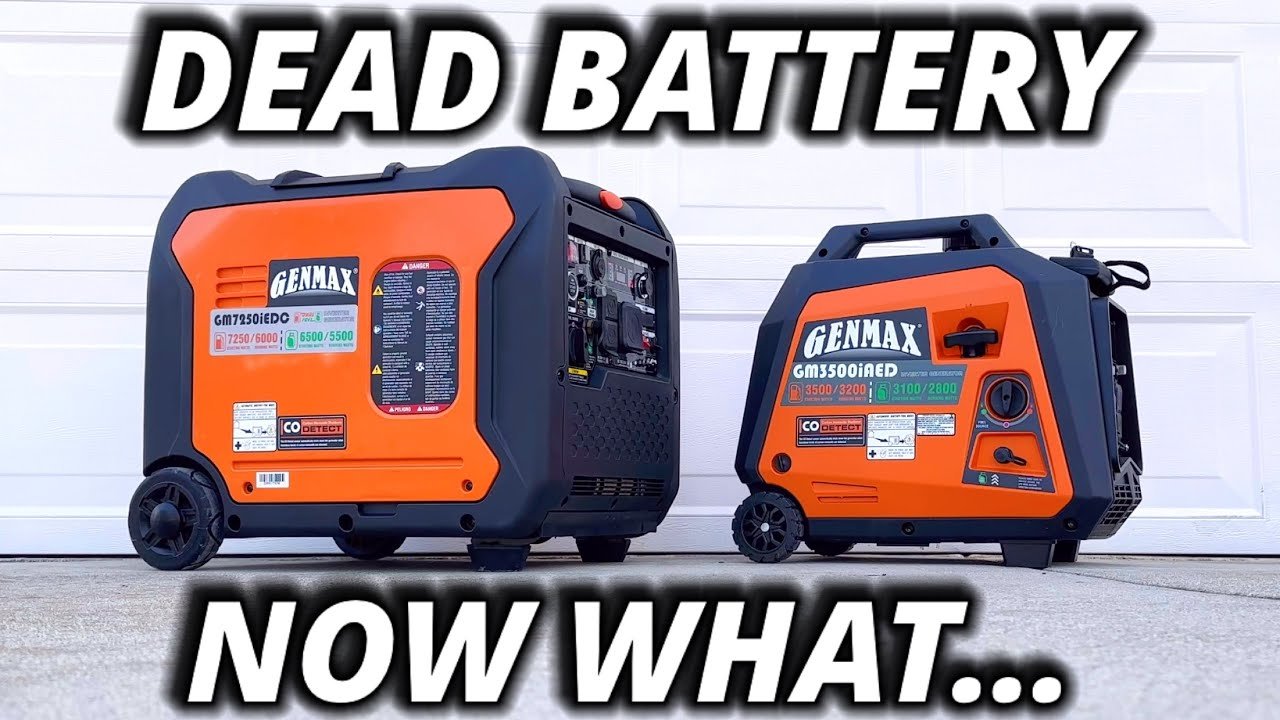
When your generator battery is dead, it can feel like a major setback. You rely on your generator to keep your home powered during outages or to support your outdoor adventures.
But what do you do when it won’t start? Don’t worry—this is a common issue, and you have options. We’ll walk you through practical steps to troubleshoot and revive your generator battery. You’ll learn how to identify the problem, what tools you might need, and tips to prevent this from happening again.
Read on to take control of your generator’s performance and ensure you’re never left in the dark.

Credit: www.youtube.com
Signs Of A Dead Generator Battery
A dead generator battery can cause problems. Recognizing the signs early helps. This ensures you can address issues promptly. Here are the common signs to watch for.
1. Generator Won’t Start
The most obvious sign is when your generator won’t start. You may hear clicking sounds. This often means the battery lacks power.
2. Dim Or Flickering Lights
Another sign is dim or flickering lights. This occurs when the battery does not supply enough power. It indicates a weak battery or connection issue.
3. Slow Cranking
Slow cranking can also signal a dead battery. The engine may turn over slowly. This happens due to low voltage in the battery.
4. Battery Warning Light
Some generators have a battery warning light. This light turns on when there is a problem. Always check this light for signs of battery issues.
5. Corrosion On Battery Terminals
Inspect the battery terminals for corrosion. White or greenish buildup can appear. This corrosion affects the battery’s performance.
6. Age Of The Battery
Consider the age of your battery. Most batteries last between 3 to 5 years. An old battery may need replacement, even if it seems fine.
Safety Precautions To Take
Taking safety seriously is crucial when dealing with a dead generator battery. A few simple steps can keep you safe. Follow these precautions to avoid accidents and injuries.
Wear Protective Gear
Always wear gloves and safety glasses. This protects you from acid spills. It also keeps you safe from sparks.
Work In A Well-ventilated Area
Make sure your workspace has good air flow. This helps prevent gas buildup. Battery gases can be harmful.
Disconnect The Battery Safely
Always disconnect the negative terminal first. This reduces the risk of sparks. After that, disconnect the positive terminal.
Check For Damage
Inspect the battery and cables for any damage. Look for cracks or leaks. If you find any, do not attempt to charge the battery.
Keep Fire Extinguishers Nearby
Have a fire extinguisher close by. Choose one rated for electrical fires. This can be life-saving in case of an emergency.
Follow Manufacturer Instructions
Read the user manual carefully. Each generator has specific guidelines. Following them can prevent accidents.
Testing The Battery
Testing the generator battery is a key step. A dead battery can leave you without power. Knowing how to check the battery helps you act quickly.
Using A Multimeter
A multimeter is a useful tool for testing battery voltage. Start by setting the multimeter to DC voltage. Connect the red probe to the positive terminal. Connect the black probe to the negative terminal.
Check the reading on the display. A healthy battery usually shows between 12.4 to 12.7 volts. Anything lower indicates the battery is weak or dead. Replace the battery if the voltage is low.
Visual Inspection
A visual inspection can reveal battery issues. Look for corrosion around the terminals. Corrosion appears as a white or green powdery substance.
Check for cracks or leaks in the battery casing. These signs indicate the battery is damaged. Ensure all connections are tight and secure.
Inspect the battery for swelling. A swollen battery is a sign of failure. Replace it immediately to avoid further problems.
Charging The Battery
A dead generator battery can be a hassle. Start by checking the battery connections for rust or dirt. Then, use a charger or jump-start the battery with another vehicle. Regular maintenance helps prevent future issues.
Charging the battery of your generator is crucial for reliable operation. A dead battery can leave you stranded in an emergency. Here are two effective methods to get your battery back in action: using a portable charger and jump-starting the battery.
Using A Portable Charger
A portable charger is a convenient solution. Simply connect it to your generator’s battery terminals. Ensure the charger is compatible with your battery type. Make sure the charger is fully charged before use. This will ensure efficient charging. Typically, it takes a few hours to restore your battery to a usable state. Monitor the charging process. Many portable chargers have indicators to show when charging is complete. Once done, disconnect the charger and start your generator.
Jump-starting The Battery
If a portable charger isn’t available, jump-starting is another option. You’ll need jumper cables and a working vehicle or another generator. Ensure both engines are off before connecting. Connect the red cable to the positive terminal of the dead battery first. Then, attach the other end to the positive terminal of the working battery. Next, connect the black cable to the negative terminal of the working battery. Finally, attach the other end of the black cable to a metal surface on the generator. This acts as a ground connection. Start the working engine and let it run for a few minutes before trying to start your generator. Jump-starting is effective, but remember to follow safety guidelines. Protect yourself and avoid any sparks. Have you ever had to jump-start your battery in an unexpected situation? It’s always a good idea to be prepared.
Replacing The Battery
A dead generator battery can stop your equipment. Replacing it helps restore power. It’s a simple task that anyone can do. Follow these steps to ensure a smooth battery replacement.
Identify The Right Battery
Check your generator’s manual. It lists the correct battery type. Look for specifications like voltage and size. Choosing the right battery is crucial for performance.
Gather Necessary Tools
You will need a few tools. Gather a wrench, screwdriver, and gloves. Safety glasses are helpful too. Having everything ready makes the job easier.
Disconnect The Old Battery
Start by turning off the generator. Remove the battery cover if there is one. Use a wrench to loosen the negative cable first. Then, remove the positive cable.
Remove The Old Battery
Carefully lift the old battery out. Batteries can be heavy. Handle with care to avoid spills. Place it on a flat surface for disposal.
Install The New Battery
Take the new battery out of the box. Place it in the same spot as the old one. Connect the positive cable first. Then, attach the negative cable.
Secure The Battery
Make sure all connections are tight. This prevents future issues. Replace the battery cover if needed. Check for any loose wires or parts.
Test The Generator
Turn on the generator to test it. Listen for any unusual sounds. Make sure everything runs smoothly. This confirms the new battery is working well.
Dispose Of The Old Battery Properly
Never throw old batteries in the trash. Check for local recycling programs. Many places accept used batteries. This helps keep the environment safe.
Credit: www.tiktok.com
Preventing Future Battery Issues
A dead generator battery can be a hassle. To prevent future issues, keep the battery clean and charged. Regularly check connections and maintain proper fluid levels. Simple care can help your generator run smoothly for years.
Preventing future battery issues is essential for keeping your generator running smoothly. A dead battery can leave you stranded during a power outage or when you need it most. By taking a few simple steps, you can ensure your generator remains reliable and ready for action.
Regular Maintenance
Regular maintenance is crucial for your generator’s battery health. Schedule routine checks every few months. During these checks, inspect the battery terminals for corrosion. Here are some maintenance tasks you can perform: – Clean the battery terminals with a mixture of baking soda and water. – Ensure the battery is securely mounted to avoid vibrations. – Check the fluid levels if you have a lead-acid battery. I’ve learned the hard way that neglecting these tasks leads to battery failure. A friend once lost power during a storm because their generator wouldn’t start. They hadn’t checked their battery in over a year. Don’t let this happen to you.
Proper Storage
How you store your generator can significantly affect its battery life. If you’re not using your generator for a while, store it in a cool, dry place. This helps prevent battery degradation due to extreme temperatures. Consider these storage tips: – Disconnect the battery if you won’t use the generator for an extended period. – Keep the generator covered to protect it from dust and moisture. – Check the battery every month, even during storage, to ensure it’s holding a charge. I once left my generator in a damp garage, and the battery died within weeks. It’s a simple mistake that can be easily avoided. Think about your storage practices—are they helping or harming your generator’s battery? Taking these proactive steps can save you from unexpected surprises. Your generator deserves the best care to stay functional when you need it most.
Credit: wenproducts.com
Frequently Asked Questions
What Causes A Generator Battery To Die?
A generator battery can die due to several reasons. Common causes include extended inactivity, extreme temperatures, or leaving the battery connected without use. Additionally, poor maintenance, such as not checking the battery fluid levels, can lead to battery failure. Regular checks can help prevent these issues.
How To Jump-start A Dead Generator Battery?
To jump-start a dead generator battery, you need jumper cables and another working battery. Connect the positive terminal of the dead battery to the positive terminal of the working battery. Then, connect the negative terminal of the working battery to a metal ground on the generator.
Start the generator after a few minutes.
Can A Dead Generator Battery Be Recharged?
Yes, a dead generator battery can often be recharged. Use a compatible battery charger to restore power. Ensure the charger is set to the correct voltage and follow the manufacturer’s instructions. However, if the battery is old or damaged, replacement may be necessary for reliable performance.
How Do I Maintain My Generator Battery?
Maintaining your generator battery involves regular checks and care. Inspect battery terminals for corrosion and clean them as needed. Keep the battery charged, especially during long periods of inactivity. Additionally, check the fluid levels and ensure the battery is stored in a cool, dry place.
Conclusion
A dead generator battery can be frustrating. Check the connections first. If they are loose or dirty, clean them. Try jumping the battery with another one. Charging the battery is another option. Always keep spare batteries handy. Regular maintenance can prevent future issues.
Understanding your generator helps you act quickly. With these steps, you can get your generator running again. Stay prepared and keep your power supply reliable.