
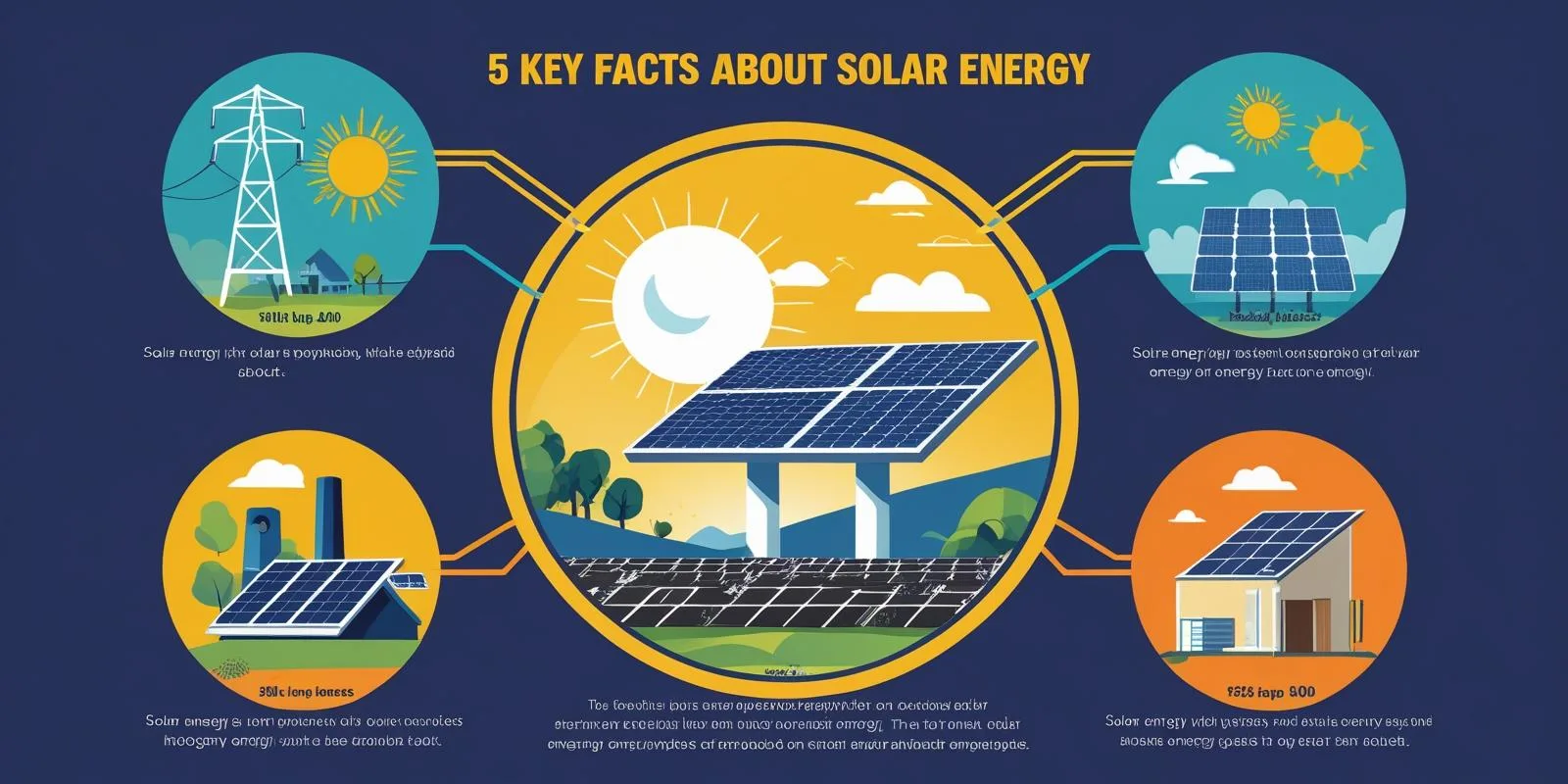
Are you curious about solar energy? You’re not alone.
Many people are eager to learn how this powerful source of energy can impact your life and the environment. We’ll explore five fascinating facts about solar energy that might surprise you. From its cost-saving benefits to its role in reducing carbon footprints, understanding solar energy can help you make informed choices.
Keep reading to discover how harnessing the sun’s power can benefit you and your future. Your journey to a more sustainable lifestyle starts here!
The Basics Of Solar Energy
Solar energy is a powerful and clean source of energy. It comes from the sun. This energy can be used for many purposes. People use it to power homes, businesses, and more. Understanding solar energy helps us see its benefits.
Solar energy is becoming popular. Many people want to use it. It reduces electricity bills and helps the environment. Here are some key facts about solar energy.
What Is Solar Energy?
Solar energy is energy we get from sunlight. Solar panels capture this sunlight. They convert it into electricity. This electricity can power everything from lights to appliances.
Types Of Solar Energy
There are two main types of solar energy. They are solar thermal and solar photovoltaic. Solar thermal uses sunlight to heat water. Solar photovoltaic turns sunlight into electricity. Each type has unique benefits.
Solar panels consist of many small cells. These cells are made from silicon. When sunlight hits these cells, it creates an electric current. This current flows through wires to power devices.
Benefits Of Solar Energy
Solar energy has many benefits. It is renewable, meaning it won’t run out. It also reduces greenhouse gas emissions. Using solar energy helps fight climate change. It can lower energy costs over time.
Challenges Of Solar Energy
Solar energy does have challenges. It depends on sunlight. On cloudy days, energy production decreases. Storage of solar energy can also be costly. Finding solutions to these challenges is important.
How Solar Panels Work
Solar panels are devices that convert sunlight into electricity. They do this using special materials called photovoltaic cells. These cells capture sunlight and turn it into usable power. Understanding how solar panels work helps us appreciate their benefits.
Photovoltaic Cells
Photovoltaic cells are the heart of solar panels. They are made of silicon, a common material. When sunlight hits these cells, it creates an electric field. This field generates direct current (DC) electricity. Each cell produces a small amount of power.
Inverters
Inverters play a key role in solar energy systems. They convert DC electricity into alternating current (AC) electricity. AC is what we use in our homes. Without inverters, solar power would not be usable for everyday appliances.
Energy Storage
Energy storage systems help manage solar energy. Batteries store excess energy for later use. This is important for cloudy days or at night. Stored energy ensures a steady power supply.
Grid Connection
Many solar panel systems connect to the power grid. This allows users to send excess power back. It can reduce electricity bills. Grid connection provides energy security and reliability.
Efficiency
Solar panel efficiency varies by type. Most panels convert about 15-20% of sunlight into energy. Higher efficiency panels produce more power in less space. Choosing the right type can maximize benefits.
Environmental Benefits
Solar energy brings many environmental benefits. It reduces pollution and helps preserve natural resources. This energy source is clean and renewable. Using solar power can lead to a healthier planet.
Reduces Greenhouse Gas Emissions
Solar energy generates electricity without harmful emissions. Traditional energy sources release carbon dioxide. This gas contributes to climate change. Solar power helps cut these emissions significantly.
Conserves Water Resources
Many energy sources use large amounts of water. Solar panels need little to no water. This helps conserve water for drinking and farming. A smaller water footprint is better for the environment.
Protects Ecosystems
Solar farms can be built on degraded land. This protects natural habitats and ecosystems. Wildlife can thrive in areas not used for farming or buildings. Solar energy supports biodiversity.
Decreases Air Pollution
Air pollution harms health and the environment. Solar power produces clean electricity. It reduces the need for fossil fuels. Less burning of these fuels means cleaner air.
Promotes Sustainable Development
Solar energy supports sustainable practices. It encourages the use of renewable resources. This leads to a cleaner and greener future. Communities can benefit from local solar projects.
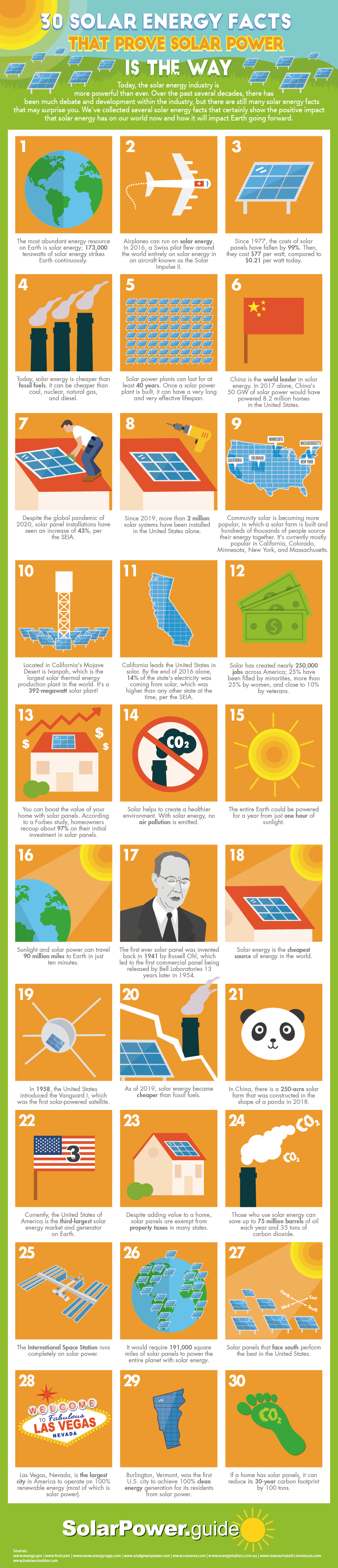
Credit: solarpower.guide
Cost Savings And Incentives
Switching to solar energy can lead to significant cost savings. Many people worry about the initial investment. However, the long-term benefits often outweigh these concerns.
Government incentives make solar energy more affordable. These programs help reduce the overall cost for homeowners. People can save money while helping the environment.
Lower Energy Bills
Solar panels can greatly reduce your monthly energy bills. Once installed, they generate free electricity. This means less money spent on utility bills every month.
Tax Credits And Deductions
Many governments offer tax credits for solar installations. These credits can cover a large part of the installation cost. Homeowners can benefit from these financial incentives each year.
Financing Options
Various financing options are available for solar energy. Some programs allow for low-interest loans. This makes it easier to afford solar panels without a big upfront payment.
Increased Home Value
Installing solar panels can increase a home’s value. Many buyers look for energy-efficient homes. This means homeowners can sell their property for a higher price.
State And Local Incentives
Some states offer additional incentives for solar energy. These can include rebates and grants. Local programs can further reduce costs and encourage solar adoption.
Future Of Solar Technology
The future of solar technology holds immense potential for both individuals and the planet. As advancements continue, solar energy is becoming more efficient, accessible, and affordable. This evolution not only helps reduce our carbon footprint but also opens up exciting possibilities for how we power our lives.
Innovations In Solar Panels
New technologies are making solar panels more efficient than ever. Traditional panels typically convert around 15-20% of sunlight into electricity. Recent innovations have pushed this number to over 25% in some cases.
These advancements mean you can generate more power from the same amount of sunlight, making solar installations more cost-effective. Imagine cutting your energy bills significantly while contributing to a cleaner environment!
Energy Storage Solutions
Energy storage is a game-changer for solar technology. With the rise of batteries, you can store excess energy generated during sunny days for use at night or during cloudy weather. This capability makes solar power more reliable and consistent.
Consider how having a battery backup could keep your home powered during outages. Are you ready to take control of your energy supply?
Integration With Smart Technology
Smart home technology is evolving alongside solar energy. Systems now integrate seamlessly with smart devices, allowing for better energy management. You can monitor and control your solar energy usage from your smartphone.
This level of control helps you optimize energy consumption and maximize savings. How comfortable are you with using technology to enhance your home’s energy efficiency?
Government Incentives And Policies
Governments worldwide are implementing policies to promote solar energy adoption. Tax credits, rebates, and grants can significantly reduce the cost of solar installations. These incentives encourage more people to make the switch.
Have you checked what incentives are available in your area? Taking advantage of these can make solar energy even more affordable.
Global Growth And Accessibility
The global market for solar energy is expanding rapidly. Countries are investing in solar farms, and communities are adopting decentralized solar solutions. This growth is making solar energy accessible to more people than ever before.
Imagine living in a world where clean energy is not just a luxury but a standard. Are you ready to be part of this transformation?

Credit: earth.org
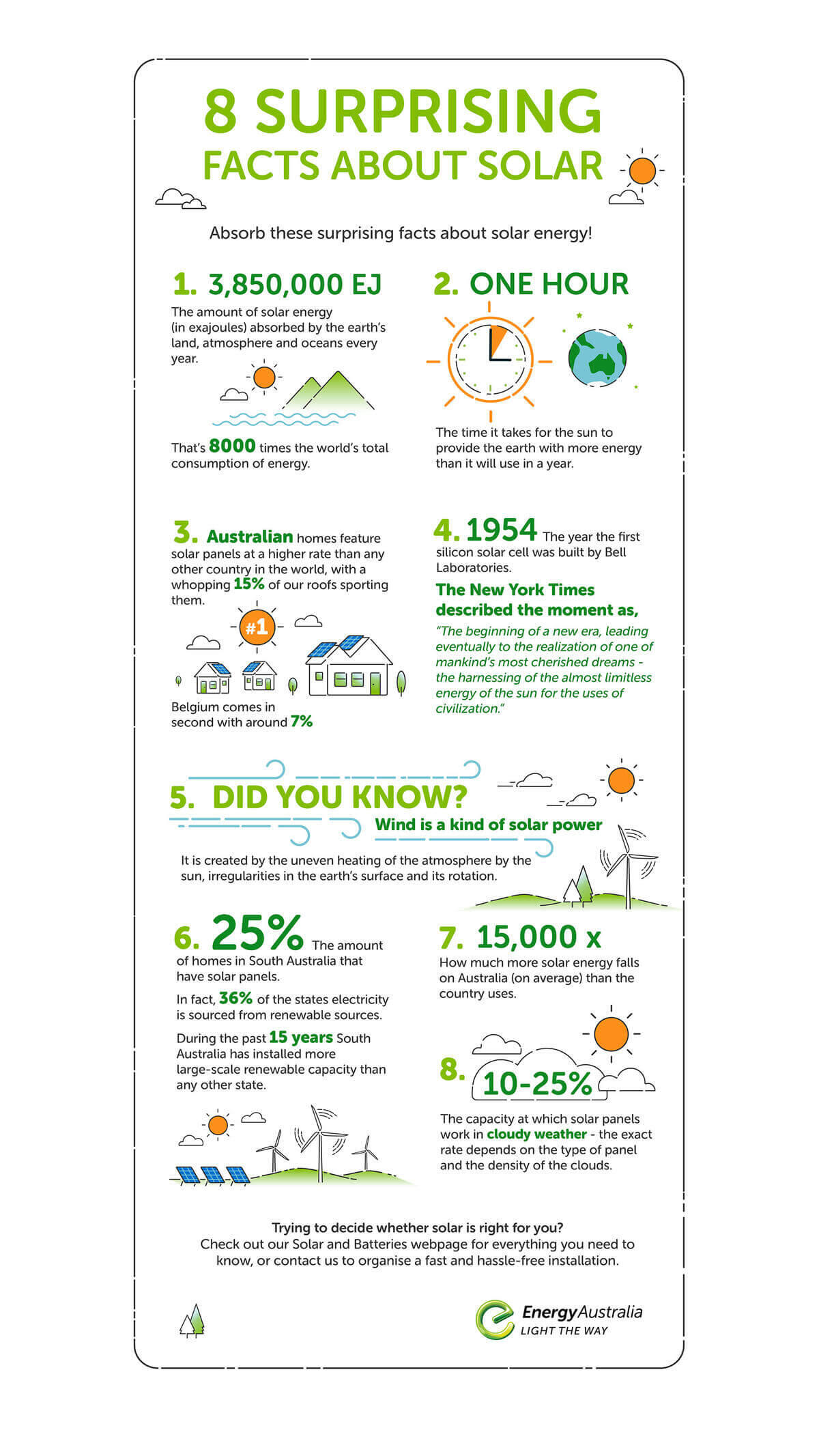
Credit: www.energyaustralia.com.au
Frequently Asked Questions
What Are The Benefits Of Solar Energy?
Solar energy offers numerous benefits. It reduces electricity bills, as sunlight is free. Additionally, solar power is renewable, decreasing reliance on fossil fuels. It also lowers greenhouse gas emissions, promoting a healthier environment. Finally, using solar energy can enhance energy independence for individuals and communities.
How Does Solar Energy Work?
Solar energy works by converting sunlight into electricity. Photovoltaic (PV) cells in solar panels capture sunlight. These cells generate direct current (DC) electricity, which is then converted into alternating current (AC) for home use. This process allows homes and businesses to utilize clean energy effectively.
Is Solar Energy Cost-effective?
Yes, solar energy can be cost-effective over time. Initial installation costs are offset by long-term savings on electricity bills. Many regions offer incentives, tax credits, and rebates that further reduce expenses. Additionally, solar panel prices have decreased significantly, making it more accessible for homeowners.
What Is The Lifespan Of Solar Panels?
Solar panels typically have a lifespan of 25 to 30 years. Most manufacturers offer warranties that guarantee performance for this duration. After this period, panels may still generate electricity but at reduced efficiency. Regular maintenance can help maximize their lifespan and performance.
Conclusion
Solar energy is a powerful resource. It helps reduce electricity bills. Using solar can lower carbon footprints. Many countries are investing in solar technology. This shift leads to cleaner air and a healthier planet. Learning about solar energy can inspire action.
More people should consider solar for their homes. It offers benefits for both individuals and the environment. Embracing solar energy is a smart choice. Understanding these five facts can guide your decision. Make informed choices for a brighter future.