
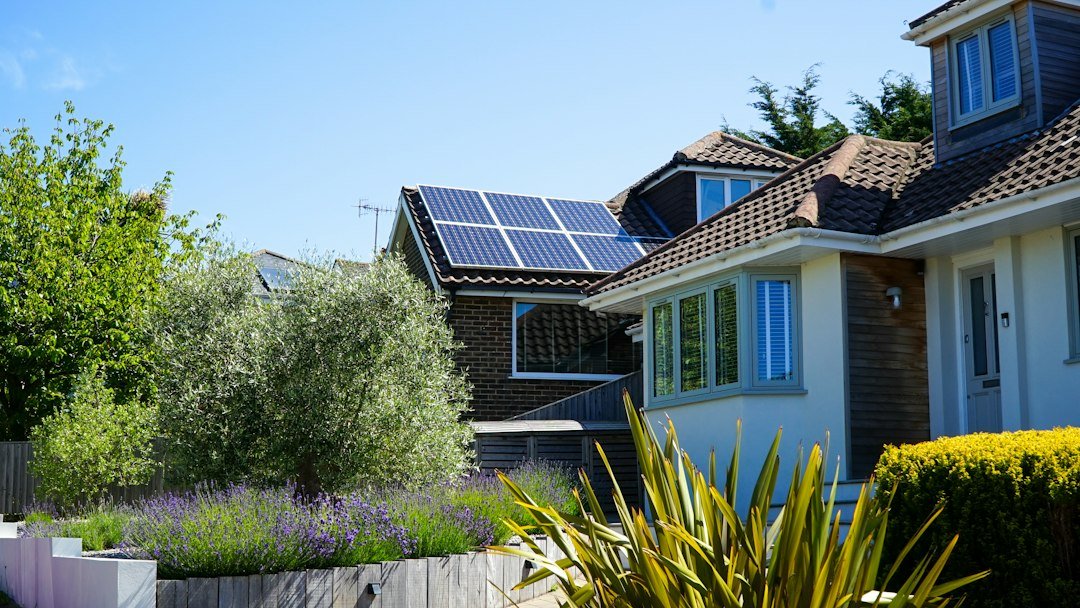
Do solar panels damage your roof? Not inherently. A properly designed and installed rooftop solar system should not routinely damage a sound roof. But solar installation is construction work, and it can create real risks if mounting hardware, waterproofing, roof loading, or future maintenance are handled badly. Roof leaks, damaged shingles or tiles, membrane abrasion, and problems with roof warranties are the issues homeowners should understand before signing a contract.
The U.S. Department of Energy (DOE) advises homeowners to evaluate roof age, shape, and condition before installing solar. Its guidance for choosing an installer specifically recommends asking who will be responsible if the roof is damaged or a leak develops. A DOE-supported photovoltaic system owners’ guide also documents how rooftop mounting components can abrade a roof membrane and create moisture-entry problems. These are reasons for careful design and workmanship, not proof that every solar array causes roof damage.
Quick Answer: Can Solar Panels Ruin a Roof?
Most sound roofs can be evaluated for a code-compliant solar mounting system, but the installer must choose hardware appropriate to the roofing material and structure. The main risk is not that sunlight-generating panels somehow weaken the roof. It is that the installation adds attachments, loads, foot traffic, and equipment that must be integrated with an existing waterproof building envelope.
| Concern | Can it happen? | How to reduce the risk |
|---|---|---|
| Leaks around mounting points | Yes, if waterproofing fails | Use approved flashing and roof-specific attachment details |
| Broken shingles or tiles | Possible during installation or servicing | Use trained roof crews and inspect before/after |
| Excessive roof load | Possible on an unsuitable structure | Confirm structural capacity and code-required loads |
| Flat-roof membrane abrasion | Documented risk | Keep equipment from rubbing directly on membrane |
| Roof warranty dispute | Possible | Obtain written warranty and installer responsibility terms |
| Costly future roof replacement | Possible | Address an aging roof before installation |
How Solar Panels Are Attached to a Roof
A conventional residential solar array consists of modules, racking, clamps, wiring, and roof-specific attachments. On many pitched roofs, mounts connect to structural framing beneath the roof surface. The mounting assembly is designed to carry the array and resist forces such as wind uplift. A qualified designer must account for local building codes and the existing roof structure rather than simply fastening panels wherever there is space.
Roof penetrations, where required, must be detailed to keep water out. Installers commonly use purpose-built flashing and attachment systems compatible with the roofing material. A flashing assembly is intended to direct water away from the penetration as part of the roof’s normal drainage path. Sealant alone should not be assumed to substitute for a correctly engineered, roof-compatible mounting method.
Some roof types use alternative mounting approaches, including systems designed for standing-seam metal roofs and certain flat-roof configurations. No single mounting method is appropriate for every house. The DOE’s PV system design basics explains that mounting structures must support the array and withstand environmental conditions over time.
Can Solar Panels Cause Roof Leaks?
Yes, leaks can occur when water finds a path around an improperly installed or damaged roof attachment. Problems may arise from poorly positioned penetrations, incompatible flashing, damaged underlayment, degraded seals, or workmanship that compromises existing roofing. A leak appearing after installation does not automatically prove the solar system caused it, but it warrants prompt professional investigation.
The DOE-supported PV System Owner’s Guide to Weather Vulnerabilities describes another mechanism: mounting components or conduits in direct contact with a roof membrane may move with wind and thermal expansion, gradually abrading the surface. If the membrane is compromised, moisture may penetrate and cause significant damage. This is especially relevant to certain low-slope or membrane-roof designs.
Water may travel along roof layers before becoming visible on a ceiling, so the interior stain may not be directly beneath the failed attachment. A qualified roofer or waterproofing specialist may need to inspect the area. Avoid walking on the array, lifting modules, or trying to reseal energized equipment yourself. Document the symptoms and notify both the installer and roofer promptly.
Do Solar Panels Damage Asphalt Shingle Roofs?
Asphalt-shingle roofs can support properly designed solar systems, but the installation requires care. Workers may crack, displace, or scuff shingles while moving equipment. Attachments must be placed and waterproofed correctly, and older brittle shingles can be more vulnerable to disturbance. If the shingles are already curling, missing, or deteriorating, a roof repair or replacement may be advisable before panels are installed.
Ask the installer to identify the exact mounting system, flashing method, and responsibility for replacing shingles damaged during work. Request photographs of the roof before the array covers the attachment areas. The goal is to ensure that the original roofing system continues to shed water as designed. For an old roof, a roofer’s assessment may be more valuable than a quick sales inspection.
What About Tile and Metal Roofs?
Tile roofs present different challenges because some tiles can crack when stepped on or improperly handled. Solar mounting on tile requires roof-specific hardware and careful replacement or modification of roofing elements. The installer should explain how broken tiles will be identified and replaced, and how the underlying waterproof layer will be protected.
Metal roofs may use mounting methods that differ from asphalt-shingle attachments. Certain standing-seam systems can accept engineered clamps, but compatibility depends on the seam profile, metal condition, wind requirements, and the specific clamp design. It would be misleading to promise that every metal-roof solar installation is penetration-free or that any clamp fits any seam. Ask for manufacturer-approved specifications.
Can Solar Panels Damage a Flat Roof?
Flat and low-slope roofs can host solar arrays, but drainage and membrane protection are especially important. A roof membrane may be vulnerable to abrasion from unsupported equipment, concentrated loads, or maintenance foot traffic. Some designs use ballast, protective pads, or mechanically attached supports; each has structural and waterproofing implications.
The DOE’s rooftop PV guidance emphasizes protecting membranes from contact and movement that can lead to moisture penetration. Ask the installer to show how racking, conduits, and equipment supports will avoid rubbing against the roof and how access for drainage inspections and repairs will be preserved. Do not assume that a ballasted system is automatically safer: ballast still adds weight and must be engineered for local wind conditions.
Will Solar Panels Make a Roof Too Heavy?
A solar array adds permanent weight, and it changes how some wind and snow loads act on the roof. Whether that is acceptable depends on the building’s framing, roof condition, attachment design, and local codes. There is no single safe panel-count or weight limit for every house. A roof with existing structural damage or inadequate capacity may need repairs or reinforcement before installation.
The DOE’s step-by-step homeowner guide recommends asking an installer, roofing expert, or structural engineer to assess whether the roof can support solar panels. If the project requires an engineering review, obtain the assessment and approved plans rather than relying on a salesperson’s verbal assurance.
Do Solar Panels Protect the Roof Underneath?
Panels cover part of a roof, so they can change how sunlight, rain, and debris reach the covered area. However, it is too simplistic to say solar panels always extend roof life or protect the roof from every kind of weather. Roof surfaces beneath an array can still age, and improper attachments or trapped debris can create maintenance concerns. Any potential sheltering benefit depends on the roof and installation.
Solar panels are not a substitute for roofing material, flashing, underlayment, or regular inspections. The roof must remain weatherproof independently of the panels. Treat claims that solar automatically adds years to a roof’s life as unverified unless supported by evidence specific to the roof type and installation.
Do Solar Panels Void a Roof Warranty?
They can affect warranty coverage, but there is no universal rule that installing solar automatically voids every roof warranty. Terms vary by roofing manufacturer, installer, material, and region. Some warranties require approved attachment methods, notification, inspections, or work performed by an authorized roofing contractor. Other warranties may exclude damage caused by third-party modifications.
Before installation, obtain the existing roof warranty and ask the roofing company or manufacturer what solar-related work is allowed. Ask the solar installer for a written workmanship warranty covering penetrations, leaks, and repairs attributable to its work. The DOE’s installer-selection guidance specifically recommends clarifying who is responsible if the roof is damaged or a leak develops.
Also check the claim process: whom should you contact first, who pays for diagnostic work, and whether panels must be removed before repairs? A long warranty duration is less useful if responsibility is unclear or exclusions are broad. Keep copies of roof inspection reports, installation photos, permits, and all warranty documents.
Should You Replace Your Roof Before Installing Solar?
If your roof is nearing the end of its useful life, replacing it before adding solar may avoid future labor and disruption. Solar modules can remain in service for many years, while some roofs may need replacement sooner. The DOE’s rooftop system replacement guide explains that roof replacement generally requires removal of the panels and mounting equipment.
A new roof is not automatically necessary. A qualified roofer can evaluate whether the existing materials and structure have enough remaining life for the planned system. If the roof needs only limited repairs, ask whether those can be completed before installation. Coordinate the roofer and solar contractor so that waterproofing details and warranties are compatible.
How Much Does It Cost to Repair Roof Damage From Solar Panels?
There is no reliable single nationwide price for every solar-related roof repair. Costs depend on whether the problem is a small flashing defect, broken tiles, membrane damage, structural deterioration, or water damage inside the building. Roof height, access, material availability, and the need to remove modules also affect the price.
Request an itemized assessment that separates diagnosis, roofing repairs, electrical isolation, panel removal and reinstallation, and any interior restoration. Before authorizing work, determine whether the solar installer’s workmanship warranty, roofing warranty, or an insurance policy may apply. Do not assume that a homeowner insurance policy will cover a faulty installation; coverage depends on the contract and cause of loss.
What Happens When You Need a New Roof After Solar Installation?
A roofer generally needs clear access to remove and replace roofing materials. That may require a qualified solar contractor to disconnect, remove, store, and later reinstall the modules and mounting system. This work adds complexity and cost compared with replacing an unobstructed roof. The exact sequence should be coordinated by the roofing and solar professionals.
Before removing panels, review the solar equipment warranties and any lease or power purchase agreement. If a third party owns the array, you may need its authorization and approved contractor. After reinstallation, the electrical system should be inspected and recommissioned as appropriate. Never allow unqualified roof workers to disconnect live solar wiring.
How to Prevent Roof Damage When Installing Solar Panels
- Get a roof assessment first. Have a qualified roofer or structural professional identify existing damage, age-related concerns, and load issues.
- Choose a qualified solar installer. Verify licensing where required, insurance, experience with your roof type, and references.
- Review mounting details. Ask what attachments, flashing, and waterproofing methods will be used.
- Coordinate roof warranties. Obtain written confirmation of any requirements from the roof manufacturer or roofer.
- Confirm permits and engineering. Ensure the design addresses structural, wind, fire, and electrical code requirements.
- Document roof condition. Take safe ground-level photographs or obtain professional pre-installation documentation.
- Inspect the completed work. Request evidence that attachments and visible roof surfaces were installed and repaired correctly.
- Keep records. Save the contract, plans, warranty, inspection results, and installer contact information.
Do not climb onto a roof or work around energized PV equipment to perform your own inspection. The goal is to make the installer and roofer accountable for the work, not to shift dangerous technical tasks to the homeowner.
Warning Signs of Possible Roof Damage After Solar Installation
Possible warning signs include new ceiling stains, damp insulation, dripping after rainfall, cracked or displaced tiles visible from a safe location, unusual roof sagging, or visible damage near conduits and attachment areas. Some symptoms may come from unrelated roof defects, plumbing, or condensation, so diagnosis matters. A professional roofer can investigate the cause without unnecessary disturbance to the solar array.
If you notice water entering the home, document the date, weather, and visible symptoms, then contact the responsible contractors promptly. If there is water near electrical equipment, stay clear and seek qualified help. After severe storms, inspect only from a safe position and have trained personnel assess loose modules, damaged mounts, or exposed wiring. The DOE’s solar operations guidance emphasizes making damaged systems physically and electrically safe before repair.
Questions to Ask a Solar Installer About Roof Safety
- Have you installed solar on this exact roof material and mounting configuration?
- Will a roofer or structural engineer inspect the roof before installation?
- What waterproofing and flashing products will be used, and are they approved for this roof?
- Who repairs broken shingles, cracked tiles, or damaged membrane?
- Who pays if a leak develops around the mounting points?
- Will the installation affect the existing roof warranty?
- Are removal and reinstallation costs covered if roofing work becomes necessary?
- What workmanship warranty applies to roof penetrations and for how long?
- Can you provide proof of insurance, permits, and inspection approval?
- How will you protect drainage routes and allow future roof maintenance?
Get the answers in writing and compare more than one proposal. A low installation price can be expensive in the long run if it excludes essential roof repairs or provides weak workmanship protection. For a broader look at home suitability, read can I get solar panels on my house?. For the installation process, see how to install solar panels.
Frequently Asked Questions
Do solar panels cause roof leaks?
They can if attachments or waterproofing are poorly installed or become damaged. A properly designed system should preserve the roof’s water-shedding function. Any new leak needs a professional diagnosis rather than an assumption about its cause.
Will installing solar panels make holes in my roof?
Many pitched-roof mounting systems use attachments secured to structural framing and may involve roof penetrations. Other mounting systems work differently. What matters is whether the specific method is engineered and waterproofed for your roof type.
Are solar panels bad for asphalt shingles?
Not inherently. Asphalt-shingle roofs can support solar, but workers and mounting work can damage brittle or deteriorated shingles. Proper attachments, flashing, and a pre-installation roof assessment reduce avoidable risk.
Can solar panels cause a roof to collapse?
A properly engineered system should be designed within the structure’s load capacity. A weak roof, unapproved mounting, or underestimated wind and snow loads can create structural hazards. A qualified assessment is essential when the roof condition or framing is uncertain.
Do solar panels shorten roof life?
There is no basis for claiming that every solar array shortens roof life. The effect depends on roof condition, attachment details, weather, and maintenance. Poor installation can cause damage, while a properly installed array should not routinely harm a sound roof.
Can solar panels be installed on an old roof?
Sometimes, but the remaining roof life matters. If replacement is likely soon, it may be more practical to complete roofing work first rather than pay to remove and reinstall solar equipment later.
Who pays if solar panels cause a roof leak?
Responsibility depends on the cause, the contract, workmanship warranty, roofing warranty, and applicable law. Ask the installer and roofer to define this in writing before installation. Keep inspection records and photographs.
Will solar panels void my homeowners insurance?
Not automatically, but coverage and notification requirements vary by insurer and ownership arrangement. Tell your insurer about the proposed system and ask whether additional coverage, documentation, or a premium change is required.
Can I replace my roof without removing solar panels?
A full roof replacement usually requires removing panels and mounting equipment from the work area. Qualified contractors should coordinate safe disconnection, removal, roofing, reinstallation, and system checks.
What is the safest roof for solar panels?
There is no universally safest material. A roof in sound condition, with adequate structure, a compatible mounting system, proper waterproofing, and qualified installation is more important than a simple ranking of shingle, tile, metal, or membrane roofs.
Final Verdict: Do Solar Panels Damage Roofs?
Solar panels do not automatically damage a roof, but poor installation can. The main risks are failed waterproofing, damaged roofing materials, inappropriate loading, and mounting components that abrade the roof surface. A sound roof, engineered attachment design, qualified installers, and clear warranty responsibility can substantially reduce avoidable problems. If your roof is old or already leaking, address those concerns before adding solar.
The smartest first step is a professional roof assessment and a written installation proposal that identifies the mounting method, waterproofing approach, roof repair responsibilities, and future removal costs. Solar can be a worthwhile addition to a home, but roof protection should be part of the project design from day one.
Sources and Editorial Notes
- U.S. Department of Energy: Homeowner’s Guide to Solar — roof suitability and age.
- U.S. Department of Energy: Step-by-Step Guide — roof assessment before installation.
- U.S. Department of Energy: Choosing a Solar Installer — damage, leaks, and installer responsibility.
- DOE: PV System Owner’s Guide to Weather Vulnerabilities — membrane abrasion and water intrusion risks.
- U.S. Department of Energy: PV System Design Basics — durable mounting structures.
- U.S. Department of Energy: Rooftop System Replacement — removal for roof replacement.
Editorial note: This article focuses on residential rooftop PV in the United States. Local codes, roof warranties, insurance policies, and construction details vary. It does not replace a professional roofing or structural inspection. Featured image: Watt A Lot / Unsplash.