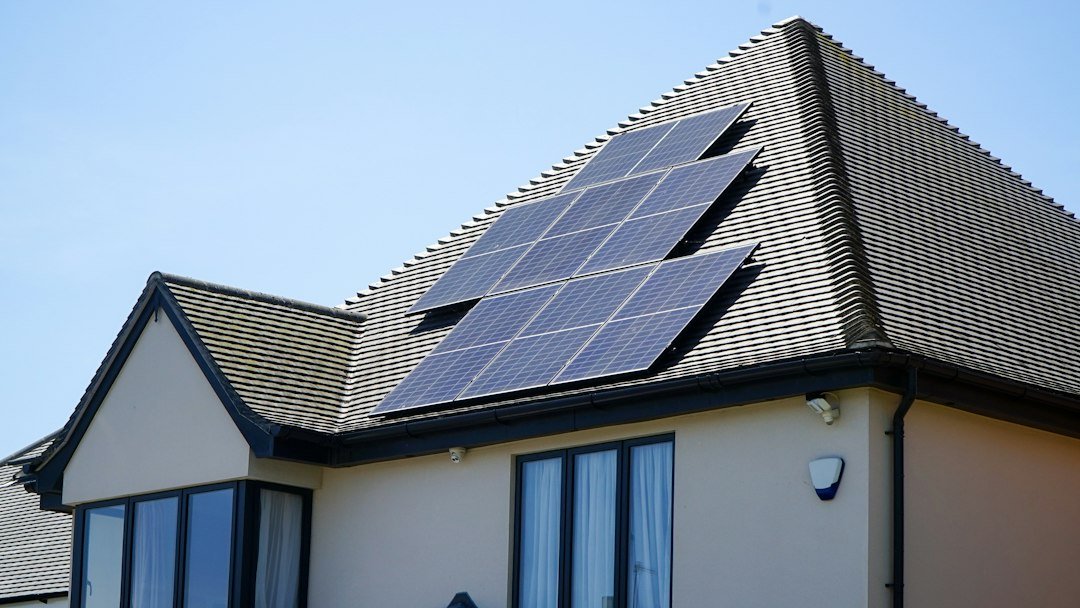
Are solar panels free in 2026? For most U.S. homeowners, no. Solar panels and professional installation cost money, even when an advertisement says “free solar panels,” “government-paid solar,” or “$0 down.” Some legitimate programs can reduce costs for eligible households, and some financing arrangements require little or no money at installation. But no upfront payment does not mean you own a free system or receive electricity without ongoing charges. The U.S. Department of Energy warns that the federal government does not operate a general program that installs free rooftop solar panels for anyone who asks.
The answer depends on what the advertiser means by “free.” A solar lease can put panels on your roof without an initial equipment purchase, but the provider owns them and you generally make payments. A power purchase agreement (PPA) can require you to pay for the solar electricity generated rather than buy the panels. A grant or targeted low-income program may provide meaningful assistance to qualifying households, but eligibility and funding vary by location. And a solar system that has already been paid off can produce electricity without a fuel bill, though maintenance and other costs can remain.
The Short Answer: Are Solar Panels Actually Free?
Solar panels are not generally free to buy or install in the United States. A claim of free installation should prompt you to ask who owns the system, what you will pay each month, whether rates rise, what happens if you move, and which costs are excluded. The Federal Trade Commission cautions that some misleading sellers promise free panels, zero electricity bills, or government-funded systems to pressure consumers into expensive agreements. Read the FTC’s solar scam warning.
| Offer or arrangement | Upfront payment | Are the panels truly free? |
|---|---|---|
| Cash purchase | Usually substantial | No; homeowner buys the system |
| Solar loan advertised as $0 down | May be $0 | No; principal, interest and fees may apply |
| Solar lease | Sometimes $0 | No; monthly lease obligations generally apply |
| Power purchase agreement (PPA) | Sometimes $0 | No; customer pays for generated electricity |
| Income-qualified assistance | Depends on program | Some programs may cover eligible costs; verify locally |
| Community solar subscription | May have no installation cost | No rooftop panels are given to the subscriber |
Why Do Companies Advertise Free Solar Panels?
The phrase “free solar” is often shorthand for “no money down.” That describes the timing of payment, not the total cost. A company may finance equipment, own the rooftop array under a lease, or sell the electricity it produces through a PPA. Each option can be legitimate when disclosed accurately, but the economics are different. A homeowner who signs a 20-year agreement can end up with a substantial long-term financial commitment even if the installation-day invoice says zero.
Marketing may also emphasize expected utility-bill savings while minimizing lease payments, escalators, maintenance exclusions, or the possibility that the homeowner will still pay fixed utility charges. The FTC’s solar power guide recommends comparing total costs and contract terms rather than relying on a salesperson’s savings projection. Actual electricity savings depend on the solar array’s production, household demand, local rates, and utility compensation rules.
Free Solar Panels vs No-Cost Solar Installation
These expressions are not interchangeable. “Free solar panels” suggests no equipment cost and no obligation to pay for them. “No upfront cost” means an arrangement may avoid an initial payment, but later payments or other obligations can still apply. “No installation fee” could mean labor is rolled into the system price or financing. A legitimate written offer should state the full price or contractual payment structure, ownership, service responsibilities, and any cancellation or transfer charges.
What happens with a solar lease?
With a lease, a third-party company typically owns the system and lets you use it for a specified period. You generally pay a monthly amount for access to the equipment. Some contracts increase the payment annually, and the company may handle certain repairs or monitoring. The details vary. Before signing, confirm who pays for roof repairs, panel removal and reinstallation, equipment replacement, and insurance. Ask what happens when the lease ends and whether you can buy the system.
What happens with a solar PPA?
With a power purchase agreement, the provider generally owns the panels and sells you the electricity the system generates at a contractual rate, often measured per kilowatt-hour. That rate can be lower than the local utility’s retail rate, but savings are not guaranteed. A PPA may include annual rate increases, minimum purchase obligations, or other conditions. You may still need utility electricity at night or when solar output is insufficient.
What does a $0-down solar loan mean?
A loan allows the homeowner to own the system while paying for it over time. A zero-down loan avoids a large initial payment but can include interest, lender fees, dealer fees, and other charges. Compare the cash price with the financed price, annual percentage rate, loan term, monthly payment, and total amount repaid. A low monthly payment may reflect a long repayment term rather than an inexpensive system.
Does the U.S. Government Give Away Free Solar Panels?
There is no general federal program that gives every homeowner a free rooftop solar installation. The Department of Energy explicitly addresses this claim in its consumer warning. That does not mean all public assistance is fictional: some state, local, tribal, utility, or income-qualified initiatives can subsidize solar access for eligible participants. The existence of a legitimate targeted program does not validate an unsolicited advertisement claiming every household qualifies.
A genuine program should have an identifiable public agency or administrator, published eligibility requirements, a service area, clear funding conditions, and official contact information. Start with your state energy office or utility rather than a link from an unexpected text message. Verify the program using an independently located official website or phone number. Funding and enrollment can change, so do not assume a program listed in an older article is currently accepting applications.
Can Low-Income Households Get Solar Panels at No Cost?
Some income-qualified assistance programs may reduce or cover particular solar-related costs for eligible households, but availability varies significantly by state and provider. Qualification can depend on household income, utility service territory, property ownership, roof suitability, and whether the program has remaining funding. It would be inaccurate to promise free panels to every low-income homeowner or to name a nationwide guaranteed program.
One option that does not require a private rooftop installation is community solar. The Department of Energy explains that participants may subscribe to a shared solar array and receive credits on their electricity bills. Some programs target low- or moderate-income subscribers and offer discounted access. A subscription is not the same as receiving ownership of panels on your house, and program fees and savings terms should still be checked.
Are Solar Panels Free Through Community Solar?
Community solar can make solar benefits available to renters, apartment residents, or homeowners with unsuitable roofs. A shared solar project generates electricity elsewhere, and eligible subscribers receive a corresponding bill credit according to the program’s rules. They usually do not purchase or install panels on their own property. In many arrangements, subscribers pay a subscription charge, and the value of bill credits is intended to exceed that charge.
Community solar is not available under identical rules everywhere. Before enrolling, ask about subscription fees, guaranteed or projected savings, contract duration, cancellation fees, credit allocation, and what happens if you move. The Department of Energy recommends transparent disclosures and consumer protections, particularly for programs serving households with limited incomes. Do not assume a subscription will power your house during an outage; ordinary community solar bill credits are not the same as an onsite backup system.
Is the 30% Federal Solar Tax Credit Available in 2026?
For new homeowner-owned residential solar installations completed after December 31, 2025, the former federal Residential Clean Energy Credit under Section 25D is not available. The IRS confirms that the credit applied to qualifying property installed through December 31, 2025, and is not available for property placed in service after that date. IRS guidance also explains that simply paying before the deadline did not preserve eligibility if the original installation was completed later.
This matters because some older websites, social media posts, and sales scripts still describe a 30% homeowner solar tax credit as though it applies to every new installation in 2026. Do not base a financing decision on that outdated assumption. State, local, utility, and certain other incentives may have separate rules; confirm them with the relevant program administrator or qualified tax professional. A tax credit also was never the same as the government giving away a solar array for free.
How Much Do Solar Panels Cost If They Are Not Free?
The installed price of rooftop solar depends on system capacity, equipment, roof complexity, labor, permits, and location. A panel’s online retail price does not include the complete cost of a functioning, code-compliant home installation. Inverters, mounting equipment, electrical work, inspection, and utility interconnection can all add to the total. A battery for outage backup is typically a separate cost unless specifically included.
For an up-to-date discussion of installed U.S. pricing and size-based examples, see how much solar panels cost. When comparing bids, ask for the total installed price before incentives and divide it by the array’s rated DC watts. This gives a cost per watt for comparing similarly scoped systems. Check whether financing fees, electrical upgrades, batteries, and maintenance are included rather than treating the lowest headline number as the best deal.
Do Free Solar Panels Mean You Will Never Pay an Electricity Bill?
No. Even a well-sized solar array may not eliminate every utility charge. A grid-connected home can still draw electricity after sunset, during poor weather, or whenever its electricity demand exceeds solar output. Utilities may also charge fixed fees or apply rules that affect compensation for exported electricity. Lease or PPA customers have an additional contractual payment stream to consider.
A claim that solar will permanently erase every bill should be backed by a transparent production model and the actual utility tariff. Compare the expected annual kilowatt-hours generated with your historic electricity use, and review how the model treats seasonal changes, degradation, export credits, and fixed charges. For the savings question, see do solar panels save money?. For battery decisions, see do solar panels need batteries?.
How to Spot a Free Solar Panel Scam
The FTC warns that scammers may impersonate government agencies or utilities, promise extraordinary savings, pressure consumers into signing, or request sensitive information and advance payments. A claim that the federal government is required to install panels on your roof for free is inconsistent with the Department of Energy’s published warning. Treat it as a major red flag rather than a special opportunity.
- Guaranteed free installation for everyone: ask for the official program name and independently verify eligibility.
- Urgent deadline or high-pressure sales pitch: do not sign a contract before reviewing all terms.
- Guaranteed zero electricity bills: request a realistic utility-bill and solar-production model.
- Requests for gift cards, crypto, or unusual upfront transfers: stop and independently verify the organization.
- Claims of government or utility affiliation: contact the agency or utility using its official published number.
- Refusal to provide a written contract: avoid the offer until every fee, payment, and obligation is documented.
Do not submit Social Security numbers, banking information, or other sensitive details merely to find out whether you qualify for “free solar.” Research the provider’s business registration, contractor licensing, complaint history, and references. If you believe an offer is fraudulent, the FTC accepts reports at ReportFraud.ftc.gov. See the FTC’s solar and clean energy scam guidance.
How to Check Whether a Solar Offer Is Really Affordable
First, identify who will own the panels. Second, request the total upfront price and every expected payment over the full contract term. Third, ask for the system’s rated capacity and an annual production estimate based on your roof, shading, and local weather. Fourth, compare the proposed solar payment with the electricity costs it is expected to offset. Fifth, check the warranty, maintenance responsibilities, insurance, and the consequences of selling your home.
A useful simple comparison is total nominal contract payments. Suppose a hypothetical lease costs $120 per month for 20 years and has no escalator. The payments would total $28,800 before any additional fees. That is just an arithmetic example, not a quoted market rate. If payments increase each year, the total would be higher. Ask the seller to show a full payment schedule and avoid relying on an estimated monthly savings figure without the corresponding long-term obligation.
What Happens If You Sell a Home With Leased Solar Panels?
A lease or PPA can affect the home sale process because the buyer may need to assume the agreement, the seller may need to buy out the contract, or the company may have other transfer requirements. Contract terms vary widely. The FTC recommends checking whether a new buyer must pass a credit review, whether transfer fees apply, and what happens if the buyer refuses to assume the contract.
If you own the solar system outright, there may be fewer third-party contractual obligations, although warranties, roof condition, and equipment records still matter. If you are financing the panels with a loan, determine whether the balance must be repaid at closing or can be transferred under the loan terms. Do not accept a salesperson’s verbal statement that selling will be effortless; review the actual written documents.
Are Free Solar Panels Worth It?
A genuine subsidy that covers eligible costs may provide substantial value, but the word “free” is not enough to evaluate an offer. A lease or PPA can be reasonable for some households when projected savings, payment terms, service obligations, and transfer conditions are transparent. Buying can be attractive for households that can afford the upfront price and want to own the equipment. None of these options is automatically best for every homeowner.
The financial outcome depends on electricity prices, system production, roof condition, financing costs, and how long you plan to stay in the home. If you do not have a suitable roof or do not own your property, community solar may offer a different route to bill credits without rooftop installation. Compare realistic alternatives rather than making a decision based solely on a zero-down advertisement.
Frequently Asked Questions About Free Solar Panels
Are solar panels free from the government in 2026?
There is no general federal program giving every U.S. homeowner a free rooftop solar system. Some targeted assistance may exist through state, local, tribal, utility, or income-qualified programs. Check the official administrator and current eligibility before applying.
What does free solar panels with no money down mean?
It usually means you may not pay an initial installation charge. The system could be financed through a loan, lease, or PPA, with payments or electricity charges over time. Always ask who owns the panels and what the complete contract costs.
Can low-income homeowners get free solar panels?
Some qualifying households may receive substantial assistance through specific programs, but availability, funding, eligibility, and coverage vary. There is no universal guarantee. Contact an official state energy office or utility to confirm current options.
Are solar panels free in California, Texas, or Florida?
No blanket rule makes residential panels free in any of these states. Local incentives, electricity rates, net-billing rules, and program eligibility differ. Search the relevant state energy office and utility for currently active programs instead of assuming a national advertisement applies.
Do solar panels give you free electricity?
Sunlight is free, and a paid-off solar system does not need purchased fuel to generate power. But the equipment, installation, maintenance, and any utility connection charges still have costs. During hours when the panels are not producing enough electricity, the home may still buy power from the grid.
Do I get the solar tax credit if I lease the panels?
A lessee generally does not own the solar equipment and cannot claim an ownership-based solar tax credit for it. Moreover, the former federal Section 25D homeowner credit ended for new residential installations completed after 2025. Verify any other claimed incentive using current official program guidance.
Can renters get solar power without buying panels?
Community solar may allow eligible renters to subscribe to a shared array and receive utility bill credits without rooftop installation. Availability and fees vary by utility territory and program. Read the subscription contract and confirm that expected bill credits exceed the subscription cost.
Will free solar panels eliminate my electric bill?
Not necessarily. Grid fees, nighttime usage, weather, system size, export rules, and contractual payments can all affect the final cost. Request a realistic annual bill comparison that includes utility charges and any lease, PPA, or loan payment.
Is a free solar consultation safe?
A legitimate consultation can be useful, but do not share sensitive personal or financial information with an unsolicited caller or online advertisement without verifying the company. Avoid pressure to sign immediately and insist on written pricing and licensing details.
Final Verdict: Are Solar Panels Free?
For most U.S. homeowners in 2026, solar panels are not free. The federal government does not offer a general free rooftop installation program. Some targeted assistance can reduce costs, and zero-down loans, leases, and PPAs can avoid a large initial payment, but they typically create other financial obligations. Community solar may provide bill savings without rooftop ownership. The best next step is to verify any claimed program with an official source, compare complete written offers, and calculate the total cost over the contract’s life.
Sources and Editorial Method
- U.S. Department of Energy: Free Solar Panels? Don’t Get Burned — federal free-solar claims.
- Federal Trade Commission: Solar Energy Is Rising in Popularity. So Are the Scams — misleading sales claims.
- Federal Trade Commission: Solar Power for Your Home — buying, leasing, PPAs, and contract checks.
- Internal Revenue Service: Residential Clean Energy Credit — end of the Section 25D homeowner credit for installations after 2025.
- U.S. Department of Energy: Community Solar Basics — subscriptions and utility bill credits.
Editorial note: This U.S.-focused guide distinguishes public assistance from financing and explains 2026 federal homeowner tax rules using current IRS guidance. Programs and contracts differ by location. No particular grant, rebate, savings amount, or approval is guaranteed. Photo credit: Watt A Lot / Unsplash.