
When it comes to using a generator, you might wonder about its performance in different weather conditions. Specifically, can your generator be out in the rain?
This question is crucial for anyone who relies on a generator for power during storms or outdoor events. The last thing you want is to damage your equipment or endanger your safety. We’ll explore the risks of using a generator in wet conditions and provide you with practical tips to protect your investment.
You’ll learn how to keep your generator safe, effective, and reliable, no matter the weather. By the end, you’ll have the confidence to make informed decisions about your generator usage. Keep reading to find out how to safeguard your power source in the rain!


Generators And Rain Exposure
Generators provide power when you need it most. But what happens in the rain? Can they survive wet weather? Understanding how rain affects generators is important for safety and efficiency.
Are Generators Waterproof?
Most generators are not fully waterproof. They can handle some moisture. But heavy rain can cause problems. Water can damage electrical components. This can lead to failure.
Risks Of Using Generators In Rain
Using a generator in the rain poses risks. Water exposure can create electric shock hazards. Wet conditions can lead to short circuits. This can result in fires or equipment failure.
Protecting Your Generator From Rain
Cover your generator with a waterproof tarp. Make sure the cover does not block air vents. Elevate the generator off the ground. This keeps it dry and safe from puddles.
Proper Placement During Rain
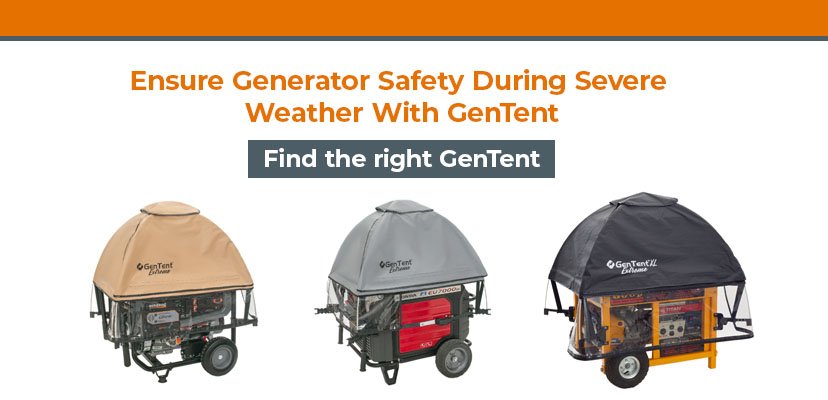
Place generators in a sheltered area. Avoid direct exposure to rain. Use a generator tent or shed for extra protection. Ensure proper ventilation to prevent carbon monoxide buildup.
Signs Of Water Damage
Watch for rust or corrosion on metal parts. Check for water in the fuel tank. Inspect electrical connections for wear or damage. These signs indicate potential problems.

Credit: www.gentent.com
Potential Risks Of Wet Generators
Understanding the potential risks of wet generators is crucial for anyone who relies on these machines. Generators are valuable during power outages or outdoor events. However, exposing them to rain can lead to significant safety hazards and operational issues.
Electrical Hazards
One of the main risks of using a generator in the rain is the threat of electrical shock. Water is a great conductor of electricity. If water seeps into the generator’s electrical components, it can create a shocking situation.
Imagine setting up your generator during a downpour, thinking you can power your home temporarily. Suddenly, you hear a pop, and the lights flicker. This could be due to water contact with electrical parts, posing a serious danger to you and your property.
Damage To Components
Water exposure can cause severe damage to the generator’s internal components. Corrosion can develop over time, leading to breakdowns. A wet generator may not start when you need it most.
Have you ever faced a situation where your generator failed during a storm? That’s a frustrating experience that could have been avoided. Protecting your generator from rain helps ensure it’s ready when you need power.
Fire Risks
Water and electricity don’t mix well, and wet generators can create fire hazards. If the electrical system shorts out, it can ignite nearby materials. A fire can spread quickly, endangering your home and loved ones.
Consider this: you’re using a wet generator to keep your refrigerator running. Suddenly, you notice smoke rising from the unit. That alarming moment could cost you more than just food; it could lead to devastating damage.
Preventative Measures
Taking precautions can help mitigate these risks. Always use a weatherproof cover or set up the generator in a sheltered area. Ensure it’s on a dry surface to avoid water pooling around it.
- Invest in a generator tent or canopy.
- Use extension cords that are rated for outdoor use.
- Regularly inspect your generator for any signs of wear or damage.
Have you checked your generator for potential vulnerabilities lately? Taking these steps can make a world of difference in protecting your equipment and ensuring your safety.
Protecting Your Generator Outdoors
Generators are useful tools for many people. They provide power during outages. Protecting your generator from rain is important. Rain can damage the unit and reduce its lifespan. Here are some tips to keep your generator safe in wet weather.
Waterproof Covers
A waterproof cover is essential for outdoor generators. It shields the generator from rain and moisture. These covers are made from durable materials. They fit snugly over the unit. This prevents water from entering the engine and electrical parts.
Choose a cover designed for your generator model. A good fit ensures full protection. Look for covers with ventilation. This helps prevent condensation inside the cover. Regularly check the cover for wear and tear. Replace it if it becomes damaged.
Elevated Placement
Elevating your generator can help keep it dry. Place it on a platform or concrete slab. This keeps it off the ground. It reduces the risk of water pooling around the unit.
Make sure the area has good drainage. Avoid placing the generator in low spots. Water can collect in these areas. Check local weather forecasts. Move the generator to a safe spot before heavy rain.
Safe Operating Practices
Using a generator in the rain can be risky. Following safe operating practices is essential. Proper setup and ventilation can help prevent accidents. Always prioritize safety to avoid electric shock or damage.
Dry Surface Setup
Place the generator on a dry, flat surface. Avoid muddy or wet areas. Water can cause electrical parts to short circuit. Keep it away from puddles or standing water.
Use a tarp or canopy for extra protection. This will shield the generator from direct rain. Ensure that air vents remain clear. This helps keep the generator cool and safe.
Proper Ventilation
Good ventilation is crucial for safe operation. Generators produce carbon monoxide. This gas can be deadly in enclosed spaces. Always operate your generator outdoors.
Maintain at least five feet of clearance around the generator. This allows air to flow freely. Avoid placing it near windows or doors. This prevents harmful gases from entering your home.
Handling Emergencies
Generators can be damaged if left outside in the rain. Water can cause electrical issues and make them unsafe. It’s best to keep generators dry and use protective covers or enclosures when needed. Being cautious can ensure they work properly during emergencies.
Handling emergencies with your generator can be a daunting task, especially when the weather takes a turn for the worse. If you’ve ever found yourself in a storm with your generator running, you might wonder how to best manage the situation. It’s crucial to ensure both your safety and the functionality of your equipment. Here’s how to handle emergencies effectively.
Wet Generator Recovery
If your generator has been exposed to rain, the first step is to assess the situation calmly. – Turn off the generator immediately. This prevents further electrical issues and potential hazards. – Move the generator to a dry area if possible. This helps it recover from the wet conditions. Allow the generator to dry thoroughly before attempting to restart it. – Check all connections and components for any signs of water damage. – Let the generator sit for at least 24 hours in a well-ventilated area. I once faced a storm that left my generator soaked. After letting it dry and checking the connections, it started up just fine!
Electrical Safety Precautions
Safety should always come first when dealing with a wet generator. – Avoid standing in puddles or wet areas while operating the generator. Water conducts electricity, increasing the risk of shock. – Use a ground fault circuit interrupter (GFCI) to add an extra layer of protection. Before you try to restart a wet generator, ensure that all electrical components are dry. – Inspect the power cords for frays or damage. – Consider using a waterproof cover when not in use, especially in inclement weather. Have you ever thought about how your safety measures can impact your generator’s longevity? Taking the time to protect your equipment can save you from costly repairs in the future.
Alternatives For Rainy Conditions
Rain can pose a serious threat to traditional generators. Water can cause damage and create safety risks. Fortunately, there are several options for using power during rainy weather. These alternatives provide safety and reliability.
Indoor Backup Solutions
Indoor backup systems are a great choice for stormy weather. They keep you safe from rain and wind. Battery-powered systems are quiet and efficient. They can run lights, fans, and even small appliances.
Portable power stations are another option. These devices store energy for later use. They can be charged during sunny days. When the storm hits, you have power ready. No need to worry about rain damage.
Weatherproof Models
Some generators are built to withstand the elements. Weatherproof models have special coatings and designs. They resist water and protect internal parts.
These generators often come with covers. They provide extra protection from rain and snow. Look for units with high IP ratings. A higher rating means better water resistance.
Using a weatherproof model keeps your power running. It also ensures safety during bad weather. Choose wisely to stay prepared.

Credit: www.solentpower.co.uk
Frequently Asked Questions
Can I Use My Generator In The Rain?
Using a generator in the rain is not recommended. Water exposure can cause electrical shorts and hazards. It’s crucial to keep your generator dry and protected. If you need to use it outdoors, consider a waterproof cover or a designated shelter.
Always prioritize safety and manufacturer guidelines.
What Happens If A Generator Gets Wet?
If a generator gets wet, it may short circuit. Water can damage electrical components and pose fire risks. Always disconnect the generator before it rains or if it becomes wet. Allow it to dry completely before restarting to avoid further damage or hazards.
How To Protect A Generator From Rain?
To protect a generator from rain, use a waterproof cover. Alternatively, set it up under a canopy or shelter. Ensure proper ventilation to avoid carbon monoxide buildup. Regular maintenance checks can also help identify potential damage from moisture. Always follow safety protocols.
Is A Generator Safe Under A Tent?
Using a generator under a tent is unsafe. Tents can trap carbon monoxide, creating a serious health risk. Additionally, tents offer little protection from rain for the generator. It’s best to place the generator in a well-ventilated, dry area, away from living spaces.
Conclusion
Rain can damage generators. Wet conditions can cause electrical issues. Always keep your generator dry. Use a weatherproof cover or move it indoors. If you must use it in rain, take precautions. Protect the electrical parts from water. Safety should always come first.
Understanding these tips helps you use your generator wisely. Keep it running well for years. Stay safe and enjoy reliable power, even in bad weather.