
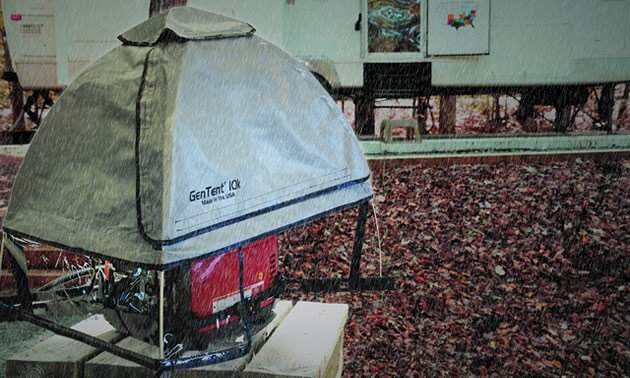
Imagine relying on your generator during a power outage, only to find it drenched in rainwater. What happens next?
Understanding the risks of a wet generator is crucial for your safety and the longevity of your equipment. Water and electricity don’t mix, and the consequences can be serious. We’ll explore the potential dangers of a wet generator, how to handle the situation, and tips to keep your generator dry and functioning.
You’ll gain valuable insights that could save you from costly repairs or accidents. Keep reading to ensure you’re prepared for any weather condition.
Risks Of Wet Generators
Generators and water do not mix well. Wet generators pose several risks. Understanding these risks is crucial for safety and performance. Here are the main dangers of wet generators.
Electrical Shock Hazards
Water can create a path for electricity. This increases the risk of electrical shock. Wet surfaces can lead to serious injuries. Always handle a generator with dry hands. Stay clear of wet areas when operating a generator.
Internal Damage To Components
Water can seep into the generator’s internal parts. This can cause corrosion and rust. Damaged components may not work properly. Repairs can be costly and time-consuming. Keep your generator sheltered from rain and moisture.
Impact On Performance
Wet generators often struggle to operate efficiently. Water can disrupt the fuel system and ignition. This leads to poor performance or failure to start. Regular maintenance helps prevent these issues. Ensure the generator stays dry for optimal function.
Risk Of Fire
Moisture can lead to short circuits. This creates a fire hazard. Generators can overheat and catch fire. Always inspect your generator for water damage. Safety should be your top priority.
Signs Of Water Damage
Water damage can harm your generator. When wet, it may short-circuit or stop working. Always check for rust or corrosion. These signs indicate potential issues. Keeping your generator dry is essential for safe operation.
Water damage can wreak havoc on your generator, leading to performance issues or even complete failure. Recognizing the signs of water damage early can save you from costly repairs or replacements. Here’s what to look for if you suspect your generator has been exposed to moisture.Unusual Sounds
Pay attention to any strange noises coming from your generator. If you hear grinding, sputtering, or any rattling sounds, it could indicate water has infiltrated the engine or electrical components. These unusual sounds may signal internal damage. Ignoring these noises can lead to bigger problems down the line.Difficulty Starting
Has your generator been hard to start lately? If you find yourself struggling to power it on, water damage may be the culprit. Moisture can cause electrical components to short-circuit. This issue might lead to the generator not starting at all.Visible Corrosion
Visible rust or corrosion is a clear sign of water damage. Check the exterior and interior parts of your generator for any signs of oxidation. Corroded components can hinder functionality. If left untreated, corrosion can spread, leading to further damage.Fluctuating Power Output
Are you experiencing inconsistent power delivery from your generator? Fluctuating voltage can indicate internal damage due to water exposure. This inconsistency can result in appliances not running properly or even getting damaged. If you notice these fluctuations, it’s crucial to investigate further. Being proactive about these signs can save you from a generator breakdown. Have you checked your generator lately for any of these indicators? Taking action early can keep your equipment running smoothly and efficiently.Preventive Measures
Generators can be damaged if they get wet. Water can cause short circuits and rust. To prevent this, store generators in dry places and use protective covers. Always check for moisture before starting your generator. Taking these steps can help keep your generator safe and working well.
Preventive measures are essential to ensure your generator remains functional and safe, especially when it comes to water exposure. Water and electrical components simply don’t mix. Taking proactive steps can save you from costly repairs and dangerous situations. Here are some effective strategies to protect your generator from getting wet.Using Waterproof Covers
Investing in a quality waterproof cover is a smart move. These covers shield your generator from rain, snow, and other moisture sources. – Look for covers made from durable, water-resistant materials. – Ensure the cover fits snugly to prevent water from seeping in. – Choose breathable options to avoid trapping humidity underneath. I learned this the hard way. After a heavy storm, my uncovered generator had water pooled inside. It took time and money to repair the damage. A simple cover could have avoided that hassle.Proper Storage Techniques
Storing your generator properly can make a significant difference. – Always store it in a dry, sheltered area, like a garage or shed. – Elevate the generator off the ground if possible, especially in flood-prone areas. – Ensure the storage space has good ventilation to prevent moisture buildup. Consider using plastic bins or containers for extra protection. They can help keep your generator dry and safe from the elements.Avoiding Operation In Heavy Rain
Operating your generator in heavy rain is risky. It can lead to serious electrical malfunctions. – Always check the weather forecast before using your generator. – If rain is expected, postpone your operation until conditions improve. – Consider investing in a transfer switch to connect your generator directly to your home’s electrical system. This minimizes the need for outdoor operation. Have you ever been caught in a sudden downpour while trying to power your home? It’s not just inconvenient; it can be dangerous. Play it safe and wait for better weather.Regular Maintenance
Regular maintenance is crucial for keeping your generator in tip-top shape. – Schedule periodic checks to ensure all components are functioning well. – Clean the exterior regularly to prevent dirt and moisture buildup. – Check seals and gaskets for wear, as these can allow water to enter. You don’t want to be left in the dark during an emergency due to an unmaintained generator. A little effort in upkeep can go a long way in avoiding potential issues. Taking these preventive measures will help ensure your generator remains safe and operational, even in less-than-ideal weather conditions. What steps have you taken to protect your equipment?
Credit: outbax.com.au
Steps To Take After Exposure
Wet generators can cause serious problems. First, turn off the power and unplug all devices. Next, dry the generator completely before using it again. Inspect for damage and check the oil and fuel levels. Always prioritize safety to avoid electrical hazards.
After your generator has been exposed to water, quick action is essential to prevent further damage and ensure safety. Knowing the right steps to take can save your equipment and keep you protected. Here’s what you should do immediately after your generator gets wet.Immediate Shutdown
Shut down the generator immediately. Water and electricity do not mix, and operating a wet generator can lead to serious electrical hazards. If you notice water pooling around the unit, turn off the power supply before anything else. Safety first! Make sure to wear rubber gloves and boots to protect yourself from electric shock.Drying The Generator
Once the generator is powered down, start the drying process. Remove any coverings or accessories, like the spark plug, to allow air to circulate. Use towels to absorb any visible water. Open the generator’s panels to help it air out. If possible, place the generator in a dry area or use fans to speed up the drying process. It’s crucial to wait until everything is completely dry before attempting to start it again.Inspecting For Damage
After drying, conduct a thorough inspection. Check for rust, corrosion, or any signs of water damage in the electrical components. Look for frayed wires or damaged connections. If you find any issues, make a note of them. Taking photographs can help if you need to consult a professional later.Seeking Professional Help
If you’re unsure about the condition of your generator, don’t hesitate to seek professional help. A qualified technician can assess any potential damage and ensure it’s safe to operate. An expert can also offer advice on maintenance to prevent future incidents. Remember, the cost of repairs can be much less than the price of a new generator, so it’s worth investigating. Have you ever experienced a close call with your generator? What did you do?Best Practices For Long-term Care
Taking care of your generator is essential. Proper maintenance extends its life. Wet conditions can harm it. Follow these best practices to keep your generator safe.
Routine Inspection
Check your generator regularly. Look for signs of rust and corrosion. Inspect all electrical connections. Clean any dirt or debris around it. Make sure the air filter is clean. This helps with airflow and efficiency.
Using Weatherproof Enclosures
Invest in a good weatherproof enclosure. This protects your generator from rain and snow. Choose a cover that fits well. Ensure it allows for ventilation. Proper airflow prevents overheating.
Monitoring For Moisture
Keep an eye on moisture levels. Use a hygrometer to check humidity. If it gets too high, consider dehumidifiers. Dry out any wet areas immediately. This helps prevent mold and rust.
Investing In Quality Equipment
Choose high-quality generators. They often have better weather resistance. Research brands and read reviews. A reliable generator lasts longer. Quality pays off in the long run.

Credit: outbax.com.au

Credit: outbax.com.au
Frequently Asked Questions
What Should I Do If My Generator Gets Wet?
If your generator gets wet, first turn it off immediately. Unplug any connected devices and allow the generator to dry completely. Inspect for any water damage before attempting to restart. If you’re unsure, consult a professional before using it again to avoid potential hazards.
Can A Wet Generator Cause Electrical Shock?
Yes, a wet generator can pose a serious risk of electrical shock. Water can create conductive pathways, increasing the chance of electric shock. Always ensure the generator is dry and properly maintained to minimize these risks. Safety should be your top priority when handling electrical equipment.
How To Prevent My Generator From Getting Wet?
To prevent your generator from getting wet, store it in a dry, sheltered area. Use a weatherproof cover when not in use. Avoid operating it during heavy rain or storms. Regular maintenance can also help keep it in optimal condition, reducing the risk of water-related issues.
Is It Safe To Use A Wet Generator?
No, it is not safe to use a wet generator. Water can damage internal components and create electrical hazards. Always ensure the generator is completely dry before using it. If there’s any doubt about its condition, seek professional help to assess any potential risks.
Conclusion
Generators and water do not mix well. Getting a generator wet can cause serious damage. It can lead to rust, electrical issues, or even a fire. Always keep generators dry and covered. If your generator gets wet, turn it off immediately.
Let it dry completely before using it again. Regular maintenance helps prevent problems. Stay safe and protect your investment. Remember, a little caution goes a long way. Keep your generator in good shape for reliable power when you need it.