
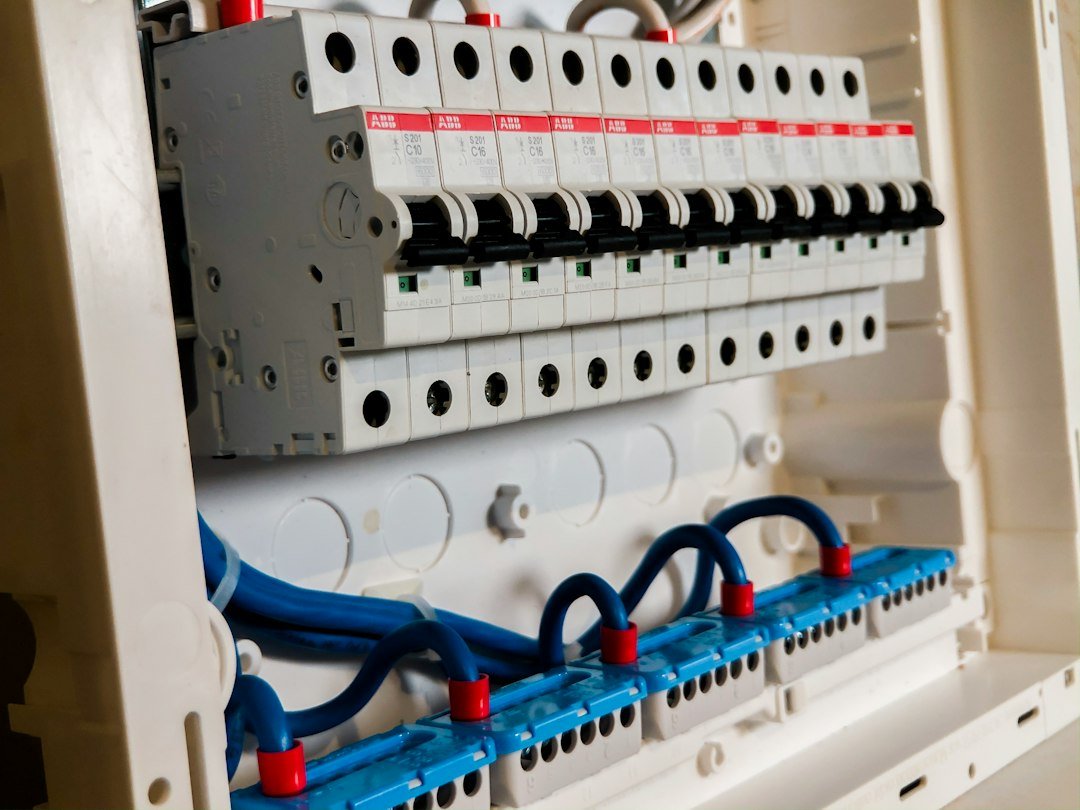
Do not power house wiring by connecting a portable generator to a wall outlet. CPSC warns that male-to-male cords used for this practice, commonly called backfeeding, can cause electrocution or fire. Source: CPSC’s 2026 warning.
Featured image: Mark Kats.
Understand what backfeeding means in a home-generator context
In this context, unsafe backfeeding means supplying building wiring through an improper path, such as plugging generator output into a household wall outlet. That can energize wiring and create hazards beyond the appliance someone intended to power. The CPSC warns against this practice because it can put utility workers and neighbors at risk and bypass household circuit protection. It is not made acceptable by using a thick cord, a larger outlet, or a generator with a protective shutdown feature.
A male-to-male cord creates an especially dangerous arrangement because an exposed plug end can become energized. Do not buy, build, or use one for home backup. This article does not provide a method for disconnecting breakers and attempting an improvised supply. The practical alternative is to decide whether you need direct appliance power or a properly installed building connection, then prepare the equipment appropriate to that specific arrangement.
Choose between direct appliance use and a building connection
For direct appliance use, compatible appliances are connected using suitable outdoor-rated cords under the generator and appliance instructions. The generator still needs an appropriate outdoor operating location, and each cord and connection needs to be suitable for the combined load and route. This approach does not authorize supplying house wiring through an outlet. Keep the boundary clear when explaining the plan to other household members.
For a building connection, engage a qualified electrician to specify and install the appropriate inlet and transfer or other locally accepted arrangement. Provide the exact generator model and manual, the panel information, and the intended loads. Ask which equipment is proposed, which approvals apply, and who obtains them. A building connection is a system design and installation question, not merely a shopping decision about which adapter fits.
Why a remembered breaker instruction is insufficient
A safe installed arrangement should not depend on a person remembering an improvised sequence that is supposed to prevent two power sources from being connected. Appropriate transfer equipment or a compatible locally accepted interlock arrangement addresses source separation within a defined installation. The exact equipment, panel, generator, protection, and local requirements still need assessment. An online statement to turn the main off first is not a substitute for that work.
Do not treat a neighbor’s installation as proof that your panel and generator are compatible. Similar-looking panels can have different equipment requirements, and local acceptance can vary. Ask the electrician to identify the proposed devices and explain the operating arrangement at handover. Keep the actual installed system’s written procedure available. This guide intentionally focuses on selecting a proper arrangement rather than supplying a generic switching sequence.
Give the electrician a useful project brief
List the generator model, rated voltage, receptacles, applicable continuous output, and fuel configuration. Include the intended essential appliances with their available running and startup information. Identify the panel location and a suitable outdoor generator position, then describe the likely route between them. Note other energy equipment such as solar or battery systems that may affect the installation. Do not omit a component because it seems unrelated to the portable generator.
Explain how the household expects to operate during an outage. Will an adult be available to deploy and manage a portable unit? Which automatically starting loads must be supported? Is the objective selected essentials or broader backup? These questions help prevent a quote for a connection that is technically possible but impractical for the people using it. The electrician needs the real operating goal, not only the generator’s headline watt number.
Compare the full installed scope
Request an itemized proposal covering the receiving connection, switching equipment, wiring route, any panel work, suitable cord, labor, permits, inspections where applicable, and handover. Mark each item included, excluded, allowance, or unresolved. A price for an inlet alone is not a complete house-backup installation if the required source-separation arrangement and other work are absent. Ask for missing items before comparing total prices.
For a hypothetical example, one proposal may list $700 for a limited piece of work while another lists $1,400 for a complete defined arrangement. Those invented totals do not establish market prices or show that the first option is cheaper for the same job. Clarify what each proposal supplies and what remains for others to complete. Compare revised scopes that meet the same household goal and approval requirements.
Keep the generator’s output limits visible
A proper connection does not increase generator capacity. The actual continuous rating, temporary starting capability, individual receptacle limits, cord rating, and receiving equipment all matter. Build a load plan that includes automatic starts and identifies optional loads to keep off. A panel with many available circuits does not mean the generator can operate them all simultaneously. Have the installer explain the intended usable supply and relevant operating restrictions.
Changing the generator later may require a new compatibility review, even if the replacement has a similar advertised watt number. Receptacles, protection, and neutral configuration can differ. Keep the generator model and approved connection in the household record so a borrowed unit is not substituted casually during an emergency. If substitution is necessary, obtain appropriate assessment before connecting it to the installed building system.
Plan exhaust safety with electrical safety
An installed inlet can make the cord route convenient while still leaving the engine in an unsuitable place. Choose a proper outdoor location away from building openings according to official guidance and the generator’s instructions. Review nearby occupied buildings as well as your own. Do not choose a position beside a window merely because it shortens the cable, and never operate a portable generator in a garage with the door open.
Prepare battery-operated or battery-backup CO alarms under their instructions and make the emergency response clear. Source-separation equipment addresses an electrical hazard; it does not control engine exhaust. A CO shutdown feature on the generator is also not permission for indoor operation. Keep the electrical installation, outdoor location, cord route, and alarm plan together so correcting one hazard does not leave another unresolved.
What to do if you find an improvised setup
If you discover a male-to-male cord, an outlet-based generator connection, or an unclear installation, do not use it. Arrange a qualified assessment and replacement with an appropriate backup configuration. If something is energized or damaged, keep people away and obtain professional or emergency assistance as appropriate. Do not unplug, probe, or open hazardous equipment in an attempt to verify a web article’s explanation.
For a purchased cord or accessory that raises concern, save the product identity and order information and consult the seller, manufacturer, or relevant safety notice. Do not pass a dangerous accessory to someone else as a bargain. Make sure other household members know which equipment should not be used. An emergency plan should remove ambiguity before someone reaches for the wrong cord during a nighttime outage.
Keep a clear handover and change record
Save the accepted scope, equipment identification, applicable inspection records, operating instructions, and installer contact. Have the intended operators understand the actual installed system and its restrictions. Photograph accessible labels for the record without opening electrical enclosures. Mark the approved cord and generator configuration in the household plan so future service or equipment changes can be reviewed against known information.
A proper backup arrangement should make source separation, load limits, connection equipment, and outdoor operation understandable. If any of those remain uncertain, resolve them before relying on generator power. Avoiding backfeeding is not a matter of buying a better improvised cable; it requires choosing and preparing the appropriate appliance or installed-building supply arrangement.
What to avoid
Do not buy or use a cord with two male plug ends as a household generator connection. If your outage plan depends on feeding a wall receptacle, stop and have the plan reviewed by a qualified electrician. A seller’s claim, a video demonstration, or an assurance that a breaker will be switched off is not a substitute for specified connection equipment.
Make the intended backup clear
Tell the electrician whether you need individual appliances powered or selected household circuits supported. Bring the generator model, panel information, and essential-load list. Ask for a written proposal identifying the equipment and operating procedure appropriate to that project.
Questions for the electrician
- What exact equipment separates the intended power sources?
- Which generator outlet, cord, and inlet are specified?
- Which household circuits can be supported?
- What approvals and inspections apply to this installation?
- What steps must the operator follow during an outage?
- What labels and written instructions will be supplied?
Review the total connection scope
Ask about transfer equipment, any panel work, wiring, inspection handling, and final testing. Generac explains that transfer switches select utility or generator power and can operate manually or automatically depending on the application. Source: Generac transfer-switch discussion. Have the installer review the exact installation rather than choosing equipment from a generic diagram.
Keep exhaust safety in the same plan
A professionally specified electrical connection does not resolve portable-generator placement by itself. CDC says to operate the generator outdoors at least 20 feet from doors, windows, and vents. Source: CDC generator guidance. Plan the generator location and cord route together.
Common questions
Does a thick cord make wall-outlet backfeeding acceptable?
No. The CPSC warning addresses the hazardous connection practice, not merely thin conductors.
Can I follow an online breaker-switching sequence instead?
Do not use a sequence from a video as a replacement for appropriate connection equipment and qualified installation.
Where can I start?
Use the electrician quote checklist and ask for an assessment of your actual backup requirements. This guide deliberately does not provide instructions for performing backfeeding.
2 thoughts on “Generator Backfeeding Dangers: Why a Wall Outlet Is Not a Connection”