
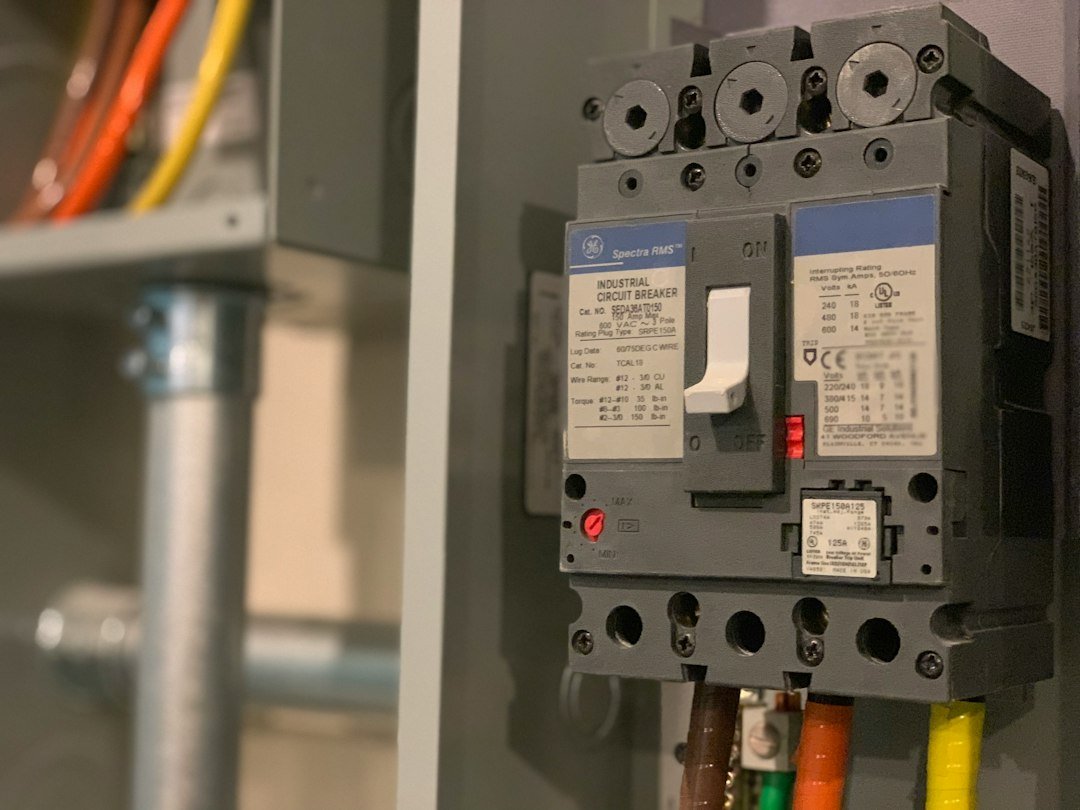
When an electrician offers a transfer switch or an interlock arrangement for generator backup, ask for a written explanation of the equipment and operating procedure proposed for your exact electrical panel. A product name alone does not confirm compatibility or approval for your installation.
Featured image: Troy Bridges.
Decide which backup arrangement you are actually comparing
A transfer switch and a panel interlock address the separation of utility power and generator power, but the words on a quote do not describe the complete installation. Start by asking whether the proposed transfer switch is manual or automatic, which circuits it serves, and who operates the system. A portable generator with a manual transfer arrangement is a different purchase from an automatically starting standby generator. Comparing only the price of the switching device can hide that difference and produce a misleading budget.
An interlock is a mechanical device associated with a particular panel arrangement. Its purpose is to prevent the utility main breaker and the generator supply breaker from being on together. Compatibility therefore begins with the exact panel, not with a photograph of a kit that looks similar. The electrician should identify the panel manufacturer and model, the applicable kit, and whether the local authority accepts the proposed installation. A generic online claim that every interlock is approved does not resolve your property’s installation requirements.
Build the circuit list around an ordinary outage
Write down what you need during a power failure before choosing either approach. For example, a household might prioritize a refrigerator, a sump pump, a furnace blower, several lights, and internet equipment. Another home may need a 240-volt well pump and have very different starting requirements. Record the appliances, their circuit locations, their operating voltage, and the available running and startup information. Do not infer generator capacity from the number of circuit spaces or from the panel’s service rating.
Separate essential loads from convenient loads. An electric range, clothes dryer, water heater, or large air conditioner can substantially change a backup plan. Mark which appliances may run together and which can remain off. This gives the installer a practical question: can the proposed generator and connection support the intended combination, including the largest relevant starting event? It also gives the household a clear operating plan instead of the vague instruction to keep the total load low.
Compare the homeowner’s responsibilities
A manual arrangement needs an available person who can follow the specific installed system’s instructions. Ask the installer to describe the tasks at a handover demonstration: preparing the portable generator, connecting the approved cord, managing the identified loads, using the switching equipment, and returning to utility operation. This article does not supply a breaker sequence because the installed equipment and manufacturer’s instructions determine the procedure. Keep the written procedure with the system rather than relying on a remembered online demonstration.
Consider who will actually operate it. A system that works well for one technically confident adult may be unsuitable when that person is away, when another family member cannot move the generator, or when the outage begins at night. An automatic standby arrangement can address some availability concerns, but automation has its own equipment, fuel, maintenance, and installation requirements. Ask whether automatic operation is part of the proposal; the phrase transfer switch by itself is not a promise of automatic backup.
Use a complete quote comparison instead of a kit price
Create columns for switching equipment, inlet, generator supply breaker where applicable, cord, wiring route, labor, permits, inspection, panel work, testing, and owner instruction. For each row, use included, excluded, allowance, or unresolved. An inexpensive kit can sit inside an expensive project if panel changes or a long wiring route are required. Conversely, a higher switching-device price can belong to a more complete proposal. The useful comparison is the finished, approved connection for the same backup goal.
Here is a hypothetical comparison, not a market price estimate. Proposal A lists $900 for a connection but leaves its cord, permit fee, and panel compatibility unresolved. Proposal B lists $1,300 with those items expressly included. You cannot conclude that A saves $400 until its exclusions are priced and the scope is confirmed. Request the missing information in writing and compare revised totals. Also check whether both proposals cover the same circuits, voltage arrangement, testing, and operating instructions.
Ask about changes you may make later
Future plans matter when they are specific. Tell the electrician if you expect to replace the portable generator, add a well pump, change the panel, install solar equipment, or add home battery storage. Do not ask for an undefined future-proof system; ask which anticipated change affects the inlet, switching equipment, generator compatibility, or load assessment. A different generator’s receptacles or neutral configuration can require a fresh review even when its advertised wattage seems similar.
Panel replacement is particularly relevant to an interlock proposal because its suitability is tied to the panel arrangement. Ask what happens to the installed backup connection if the panel is replaced later. For a selected-circuit transfer arrangement, ask how adding or moving circuits would be handled. These questions help you evaluate maintenance and modification costs without pretending that either option will always be simpler, cheaper, or accepted in every location.
Keep generator capacity and connection capacity separate
The switching system does not increase the generator’s power. A generator with a high advertised starting figure still has a lower continuous rating and individual receptacle limits. The connection may impose another limit. Ask the installer to identify the usable supply path from the generator to the loads and explain the relevant ratings. A breaker rating, cord rating, and generator output rating describe different parts of that path; none should be substituted for the others.
Similarly, having access to many panel circuits does not mean they can all operate together. A load schedule should identify priority loads and the combinations that the generator can support. If startup behavior, balance between supply legs, or compatibility is unresolved, the quote should identify that uncertainty. Do not buy a larger switching device as a substitute for finding the missing appliance information. The evaluation should connect the actual generator, the installed equipment, and the household’s operating needs.
Check the outdoor setup during the site visit
A building connection can make electrical use more orderly while leaving the portable generator’s exhaust hazard unchanged. Plan an outdoor operating location, a safe cord route, and access for operation before installing the inlet. The generator should not end up beside a bedroom opening simply because that is the shortest route to the panel. If the only practical inlet location creates an unsuitable generator setup, revise the overall plan rather than treating outdoor placement as a separate detail to solve during the outage.
Ask how the cord will avoid standing water, traffic, crushing, and doorway damage. Weather protection must not turn the operating area into an enclosed exhaust space. Keep the manufacturer’s instructions available and include the indoor CO alarm plan in the household preparation. An inlet, transfer switch, or interlock is not an exhaust-control device. A professionally completed electrical connection still needs a suitable location and a prepared operator for a portable fuel-burning generator.
What should a finished installation record contain?
Keep the accepted proposal, equipment identification, inspection records where applicable, operating instructions, and the installer contact together. The handover should confirm the intended circuits and demonstrate the installed arrangement using the actual compatible equipment. Ask which problems require stopping operation and calling for service. Photograph the equipment labels for your records without opening electrical enclosures. A clear record will be useful when a different household member, service technician, or future homeowner needs to understand the system.
Choose between proposals only after unresolved compatibility, approval, scope, and operating questions are answered. A locally accepted interlock arrangement can suit some portable-generator projects, while a manual or automatic transfer arrangement can suit others. The decision should follow your panel, loads, generator, household availability, and complete installed scope. Neither an attractive online kit price nor a neighbor’s setup establishes what is appropriate for your property.
Clarify the operating arrangement
Generac explains that transfer switches select utility or generator power and may operate manually or automatically, depending on the application. Its support library separately discusses interlock kits. Ask your electrician to demonstrate the intended operation and explain how the selected equipment prevents an unsafe connection between sources. References: Generac transfer-switch discussion and interlock support page.
Use a side-by-side proposal
| Decision | Ask the electrician |
|---|---|
| Compatibility | Which exact panel and device models are specified? |
| Backup loads | Which circuits can be used, and what must remain off? |
| Operation | What actions must the homeowner perform? |
| Approval | Who confirms local acceptance and inspection requirements? |
| Connection | Which inlet, cord, and generator outlet are required? |
| Handover | Will labels and a written operating guide be supplied? |
Compare the total job
Request the price of the complete arrangement, including equipment, electrical labor, approval handling, and any work needed at the panel. Ask whether a quoted price includes all necessary accessories. Keep optional work separate so you can compare proposals without confusing convenience features with the basic connection scope.
Do not use a wall outlet as a shortcut
CPSC warns that male-to-male cords and feeding generator power into residential wiring can cause electrocution or fire. Do not substitute that method for professionally selected connection equipment. See CPSC’s cord warning.
What should decide the choice?
Bring your generator model, panel identification, essential-load list, and intended operator to the consultation. Ask the electrician to explain the advantages and limitations of each acceptable proposal for those facts. Request a clear answer about manual operation, load selection, and future changes before choosing the lower price.
Is either option universally approved?
No universal approval is established here. Have the installer confirm the equipment and local requirements for your address.
Does this guide provide wiring instructions?
It is a proposal checklist. Use the selected equipment’s instructions and a qualified installer for the actual installation.
2 thoughts on “Transfer Switch vs Interlock: What to Ask Your Electrician”