
Prepare a well-pump generator assessment with the pump, motor, controller, supply voltage, and other outage loads identified. Do not select backup power from a generic household chart alone. This guide lists the information to take to the pump supplier and electrician.
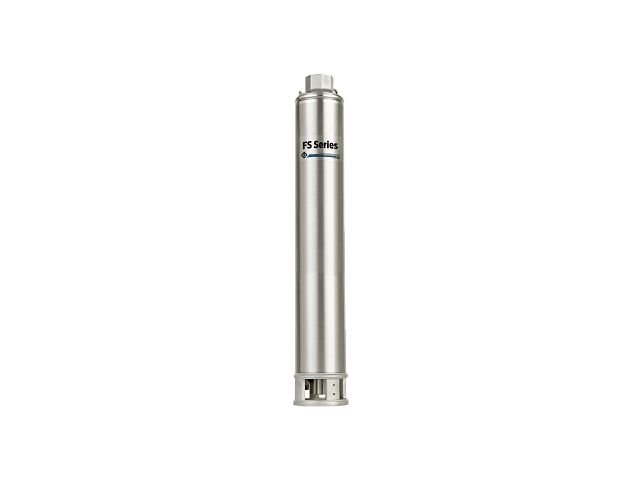
Featured image: Franklin Electric. Product image is illustrative; model requirements are stated in the article.
Identify the complete well-water system
Begin with the pump and motor identities, not with an assumed wattage for a well. Obtain accessible labels, installation records, manuals, and the information available from your well-service provider. Record the rated voltage, phase, motor model, control arrangement, and relevant electrical requirements. A submersible pump may not have an accessible motor label at the home, so records and professional help are often more useful than attempting to inspect equipment yourself.
Include the equipment that supports water delivery. Depending on the installation, the system may have a control box, pressure switch, variable-speed drive, treatment equipment, or other powered components. The generator plan should identify which parts must operate and which may remain off during an outage. A pump motor’s rating alone may not describe the whole electrical load or the compatibility requirements of a controller. Keep the configuration explicit when requesting a recommendation.
Check voltage and phase before discussing watts
A generator must provide the supply required by the actual motor and control equipment. A sufficient watt figure does not make a 120-volt-only supply suitable for equipment requiring another voltage. Read the exact generator’s receptacles and specifications and have the proposed building connection assessed. Do not rely on a plug adapter to create a voltage or supply arrangement that the generator does not provide.
Franklin Electric’s FS pump listings illustrate why model identity matters: options exist with different voltage and motor arrangements within one pump family. That is background evidence, not a recommendation for your installation. Ask your service provider to identify the actual motor and controller installed at your property. Avoid taking a specification from a similar pump in the same family and treating it as the requirement of an unknown system.
Why horsepower does not establish generator size
Horsepower is a mechanical power rating. One mechanical horsepower is approximately 746 watts, but that conversion does not describe the electrical input needed by a particular motor. Efficiency, power factor, starting behavior, and the control arrangement affect the electrical evaluation. Multiplying horsepower by 746 and choosing the next generator size therefore leaves important questions unanswered. It can produce a precise-looking result without checking whether the system will start and operate properly.
Use motor and control documentation for the relevant operating and starting requirements. Where a manufacturer provides generator-sizing guidance, retain its assumptions and applicability. A recommendation for a conventional motor may not apply unchanged to another controller or drive. If reliable data is unavailable, a qualified well professional or electrician can help obtain it and assess the arrangement. Keep missing inputs marked unknown rather than inventing a universal startup multiplier.
For Franklin equipment, use the official AIM manual download page and its 2026 60 Hz AIM Manual. The Engine Driven Generators section provides minimum-rating tables distinguished by motor arrangement. Its VFD Generator Sizing section separately addresses Franklin X-Drives. Have the installer choose the guidance applicable to the actual motor and controller; a conventional-motor table is not a universal drive-system recommendation. Include other connected loads and the generator’s operating limits in that assessment.
Include the pump start with other operating loads
The well pump can start automatically as water use changes. Record the other equipment that may already be running at that moment: refrigeration, heating controls, lighting, or another motor load. Build separate continuous and startup cases. A plan that works only when someone first switches off every other appliance may be impractical if the pump starts without a deliberate operator action. Tell the installer how the household expects to use water during an outage.
For an invented example, suppose other loads total 1,000 watts and the relevant pump-start requirement is 3,500 watts. The illustrative overlap is 4,500 watts. If the pump then operates at 1,200 watts, the illustrative steady total is 2,200 watts. These figures are not a well-pump specification or a generator recommendation. They show why ordinary consumption and the temporary starting case need separate checks against the applicable supply capability.
Review the connection with both trades when needed
A well-service provider can identify the pumping equipment and its operating needs, while an electrician can assess the generator supply and building interface. Make sure the same model and load brief reaches both. Ask who is responsible for unresolved compatibility questions and what information is still needed. A quote that says connect well pump without identifying its voltage or controls leaves the central sizing issue open.
Use a proper installed arrangement for building wiring. Never connect generator output through a household wall outlet or a male-to-male cord. The neutral and grounding configuration, transfer equipment, protection, and generator compatibility require equipment-specific assessment. This guide does not provide wiring instructions. The homeowner’s role is to supply the correct identities, explain the desired outage service, and obtain a clear specification and handover for the installed system.
Consider the whole electrical path
Voltage at the motor depends on the complete supply arrangement, not only the generator’s nameplate. The generator connection, building wiring, controller, and pump cable can all matter to an assessment. Existing equipment designed for utility supply may need review when supplied by a generator with different operating characteristics. Do not attempt energized measurements or open the control equipment based on a generic web explanation.
Ask the qualified assessor what was checked and under which operating conditions. A brief no-load generator run does not verify a pump start. A pump operating alone does not necessarily verify the planned simultaneous household loads. Preserve the record of the actual configuration assessed, including the generator model and relevant controls. If the generator or pump equipment changes later, arrange a fresh review rather than assuming the previous conclusion transfers automatically.
Separate electrical capability from water demand
Generator sizing concerns the electrical requirements, but the household also needs a realistic water-use plan. Determine which activities are essential during an outage and which can wait. Understand the system’s normal pressure and operating behavior through its documentation or service provider. Do not assume a pressure tank will provide indefinite water while the pump is off, or that reducing water use changes the pump’s electrical starting requirement.
Prepare a separate drinking-water reserve as part of the emergency plan where appropriate. That reserve serves a different purpose from proving generator compatibility. If the pumping system fails or water quality is uncertain after an emergency, follow relevant public-health and local guidance. A running generator and pump do not establish that water remains safe to drink. Keep electrical continuity, water availability, and water quality as distinct questions.
Plan fuel and service interruptions
A portable generator may need shutdown for cooling, refueling, oil checks, or other maintenance under its instructions. Consider how those interruptions affect the water system and other essential equipment. The fuel plan should use the intended operating load and a realistic schedule rather than a published low-load runtime copied without its conditions. Maintain operating-hour records during longer outages and keep the required service supplies ready.
Choose a suitable outdoor location for the engine and a compatible connection route before an emergency. Exhaust requirements do not change because the well equipment is important. If conditions make the generator setup unsafe or inaccessible, use another emergency arrangement rather than moving it indoors or closer to a building opening. The best electrical calculation is unusable without a workable outdoor operating plan.
What to request in a professional recommendation
Provide the pump and motor models, voltage and phase, controller identity, available operating and starting data, other intended loads, building connection, and outage goal. Ask for the recommended supply characteristics or exact generator model and the assumptions behind that recommendation. Clarify what was verified, what remains unresolved, and who will complete any required installation work.
Keep the recommendation, manuals, connection instructions, and service contacts together. Include the handover record and update it when equipment changes. A well-pump generator decision should be based on the actual motor, controls, supply path, and simultaneous loads. Horsepower charts can introduce the subject, but they cannot replace that system-specific assessment.
Identify every relevant component
Record the pump and controller models and photograph accessible electrical labels without opening energized equipment. Find the matching manuals. Ask the pump supplier for running and starting requirements where the documentation is incomplete. Mark unknown values as unresolved rather than filling them with another pump’s specifications.
Include other operating loads
Generac’s sizing guidance identifies well pumps as loads that can change a home’s backup requirements and advises a professional load analysis. Keep the pump demand and the other simultaneous loads visible in the assessment. Source: Generac sizing guidance.
Why startup data matters
Generac’s mobile-generator sizing paper discusses motor starting and gives a pump example. Treat that example as an illustration rather than a rating for your installed well system. Ask the installer which data applies to your motor and controller. Reference: Generac motor-load sizing paper.
Your installer worksheet
| Question | Record to bring |
|---|---|
| What is installed? | Pump, motor, and controller model numbers |
| What supply is required? | Manufacturer voltage and electrical data |
| What happens at startup? | Documented starting requirement |
| What else runs? | Other planned simultaneous loads |
| How is it connected? | Electrician’s specified connection equipment |
| How is it verified? | Supervised assessment and handover procedure |
Separate compatibility from duration
A source that can start the pump still needs a plan for the intended outage duration. Ask about fuel or stored energy using the exact backup equipment data. For standby fuel budgeting, keep the units and usage scenario on a separate worksheet rather than treating a capacity label as a runtime statement.
Questions before ordering
- Has the supplier reviewed the exact motor and controller?
- Is the planned output compatible with the required supply?
- Have startup and simultaneous loads been reviewed?
- Who installs and verifies the household connection?
- What alternative covers an unavailable backup source?
Can horsepower alone settle the generator size?
This guide does not verify that shortcut. Obtain the actual electrical requirements and a professional assessment.
For a different pump application, see the sump-pump load checklist.
1 thought on “Well Pump Generator Sizing: Information Your Installer Needs”