
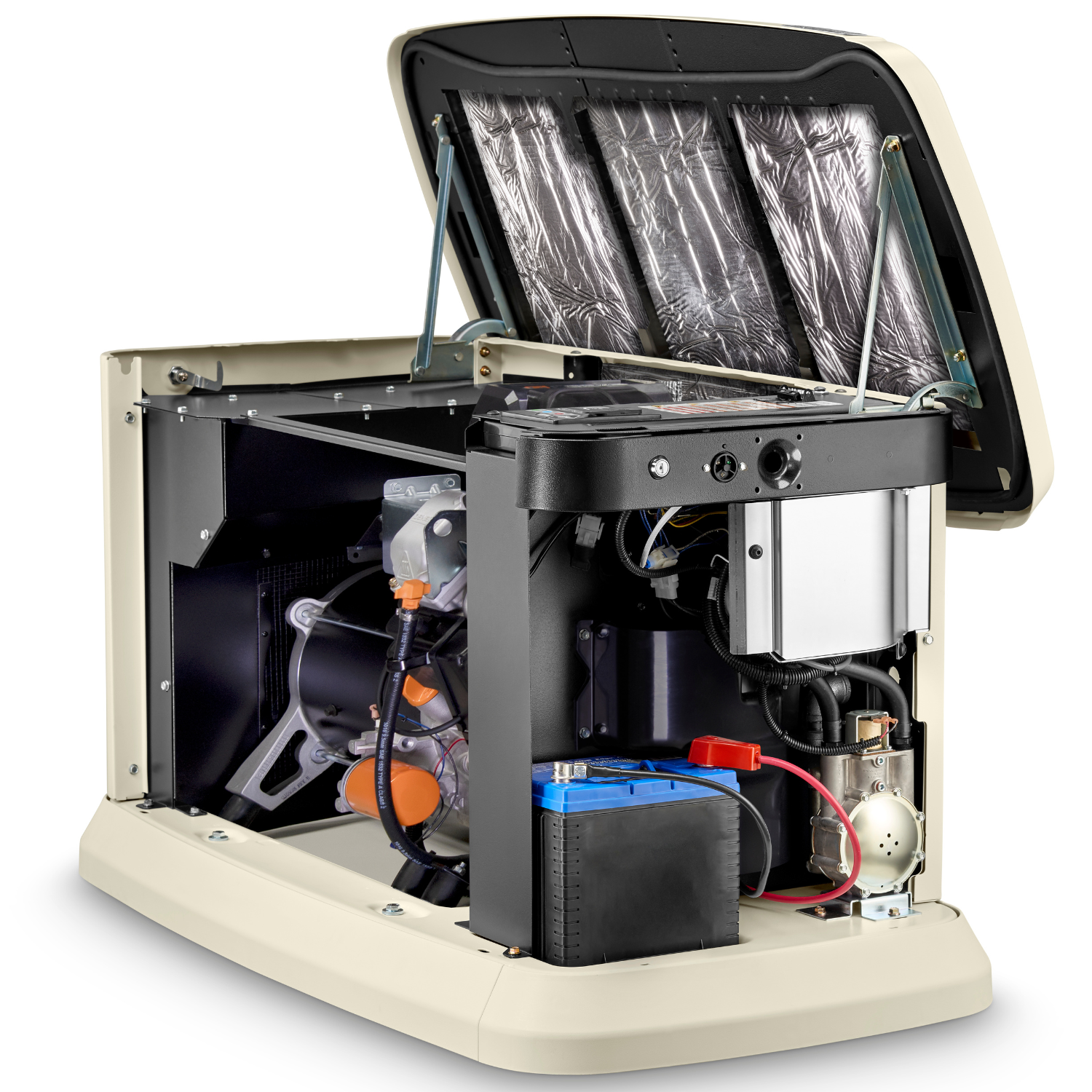
The Generac Guardian 18 kW G007226/G007228 series is rated for up to 18,000 watts on liquid propane (LP) but 17,000 watts on natural gas (NG). It is a 120/240-volt, single-phase, 60 Hz home standby generator, and its actual suitability depends on the home’s calculated loads, gas supply, transfer equipment and installation conditions.
This guide explains the 18 Kw Generac Generator Specs using Generac’s published documentation for the Guardian G007226 and G007228 series. It covers propane versus natural-gas output, electrical ratings, dimensions, fuel consumption, installation decisions, and common buying mistakes. Specifications differ by model and generation; verify the complete model and serial number before purchasing parts or planning installation.

18 Kw Generac Generator Specs: Verified Model 7226/7228 Quick Reference
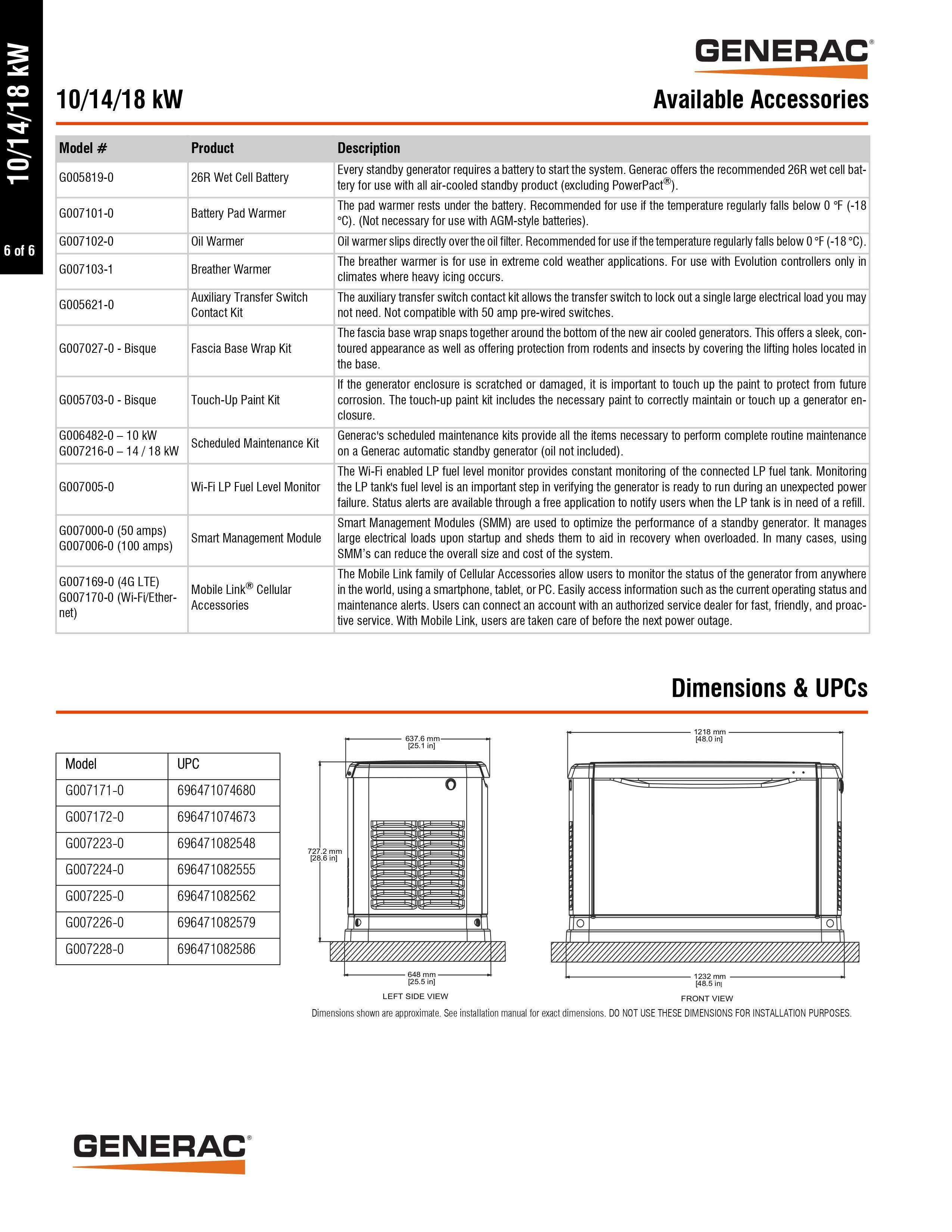
Model scope: The numbers in the table below refer to the older Generac Guardian G007226/G007228 18 kW air-cooled series, not every generator sold under an “18 kW” label. Always match the exact model number, serial number, and applicable specification revision. Generac’s official model 7226 page and 10/14/18 kW Guardian specification sheet are the primary references.
| Specification | Verified value |
|---|---|
| Rated continuous output, liquid propane | 18,000 W (18 kW) |
| Rated continuous output, natural gas | 17,000 W (17 kW) |
| Electrical output | 120/240 V, single-phase, 60 Hz |
| Rated maximum load current at 240 V | 75.0 A on LP; 70.8 A on NG |
| Main line circuit breaker | 80 A |
| Engine | Generac G-Force 800 series, 816 cc, two-cylinder |
| Operating speed | 3,600 rpm |
| Oil capacity with filter | Approximately 2.2 qt (2.1 L) |
| Battery requirement | 12 V Group 26R, minimum 540 CCA, or Group 35 AGM, minimum 650 CCA; battery not included per sheet |
| Dimensions (length × width × height) | 48 × 25 × 29 inches |
| Weight | 420 lb (191 kg) |
| Sound at 23 ft, normal load | 65 dB(A), measured from front under manufacturer test conditions |
| Total harmonic distortion | Less than 5% |
| Fuel consumption, NG at 50% load | 169 cubic feet per hour |
| Fuel consumption, NG at 100% load | 247 cubic feet per hour |
| Fuel consumption, LP at 50% load | 1.70 US gallons per hour |
| Fuel consumption, LP at 100% load | 3.02 US gallons per hour |
Important source discrepancy: The current 7226 product-page specification fields repeat the 50% natural-gas fuel figure for the 100% field. The official PDF specification sheet lists 169 ft³/hr at half load and 247 ft³/hr at full load for this 18 kW model. This guide uses the detailed PDF values; ask Generac or an authorized dealer to confirm against your unit’s exact documentation before designing a gas supply.
How to Use These Specs to Solve Real Home Backup Problems
Problem: “Will 18 kW Run My Whole House?”
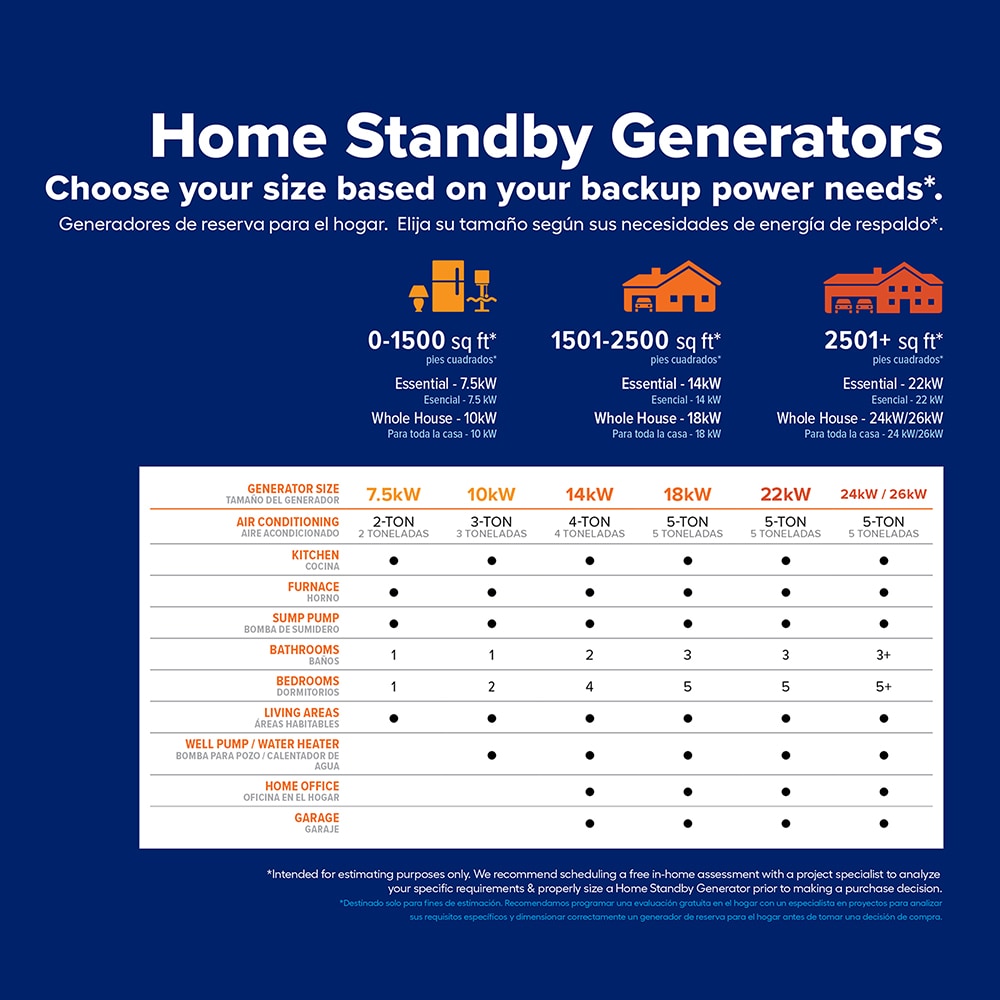
The answer depends on simultaneous demand, not simply the size of the home. Write down the running watts of the circuits you want protected, including refrigerators, well pumps, lighting, internet equipment, furnace blowers, water heaters, electric cooking and HVAC. Next, identify motor starting loads, especially central air conditioning and well pumps. A load-management system can temporarily prevent selected large appliances from operating together. A licensed electrical contractor should perform the load calculation and choose the appropriate transfer-switch arrangement. Generac says the 7226 can support up to whole-home coverage when paired with suitable load shedding; that is not a guarantee for every home.
For example, suppose a home’s selected running loads total 10 kW but its air conditioner adds a substantial starting surge. The 10 kW running total alone does not prove the generator can start that motor while all other loads operate. Check the HVAC equipment’s actual starting requirements and the generator’s motor-starting capability, then consider professional load management. Our well-pump generator sizing guide and refrigerator starting-watts guide explain why starting and continuous loads must be evaluated separately.
Problem: “Why Does an 18 kW Generator Only Deliver 17 kW on Natural Gas?”
The 18 kW model designation reflects its maximum continuous LP rating. The manufacturer specifies a lower 17 kW natural-gas rating for the same 7226/7228 series. At 240 volts, the published corresponding currents are 75.0 amps on LP and 70.8 amps on natural gas. Do not size loads on the assumption that an NG installation provides 18,000 continuous watts. Altitude, temperature, fuel quality and equipment condition may further reduce available power; the manufacturer sheet describes derating at higher elevation and temperature.
Problem: “How Much Propane Should I Plan for an Outage?”
The published LP consumption is approximately 1.70 gallons per hour at half load and 3.02 gallons per hour at full load. At those fixed test points, 24 hours would consume about 40.8 gallons or 72.5 gallons respectively. These are arithmetic illustrations, not guaranteed daily usage: real load varies, the generator exercises, fuel delivery and tank vaporization change with weather, and a tank’s usable propane is less than its nominal water capacity. Ask a propane supplier to size the tank for the expected outage duration, minimum ambient temperature, connected gas appliances and the unit’s full-load demand. Never assume a small portable cylinder can supply a home standby generator.
Problem: “Will My Natural-Gas Line Be Large Enough?”
The detailed specification sheet gives 169 cubic feet per hour at half load and 247 cubic feet per hour at full load for this model. Gas piping must be designed for the generator’s full-load requirement plus other connected appliances, taking into account meter capacity, line length, pressure loss and local code. The manufacturer’s sheet specifies natural-gas inlet pressure of 3.5–7.0 inches water column and LP inlet pressure of 10–12 inches water column for the listed series. A qualified gas professional should confirm pipe and regulator sizing; do not select pipe diameter from generator wattage alone.
Problem: “Does an 80-Amp Breaker Mean I Need an 80-Amp Transfer Switch?”
No. The 80-amp figure is the generator’s main-line circuit breaker rating, not a universal transfer-switch specification. Transfer-switch sizing depends on service entrance, selected circuits, applicable electrical code, load management and compatible equipment. Generac offered different switch packages with the series, including limited-circuit and service-rated configurations. A licensed electrician should determine whether a service-rated switch or another approved transfer arrangement is appropriate. Never connect a standby generator directly to a home panel without properly approved transfer equipment.
Problem: “Can I Install the Generator Next to a Window?”
No. Exhaust contains deadly carbon monoxide. The manufacturer’s sheet notes that some configurations are listed for installation as close as 18 inches to a structure, but that statement is conditional and explicitly requires separation from doors, windows and fresh-air intakes, plus compliance with local codes. It does not mean 18 inches is a safe clearance from every opening. The installation manual for the exact model, building and fire codes, local authority, fuel provider and installer determine final siting. Keep combustible materials and obstructions away and do not attempt a DIY fuel or electrical connection.
Problem: “What Battery and Oil Should I Buy?”
For the documented G007226/G007228 series, Generac lists a 12-volt Group 26R battery rated at least 540 CCA or a Group 35 AGM battery rated at least 650 CCA, with the battery not included in the specification sheet. It lists approximately 2.2 quarts of oil including the filter. However, oil grade, filter part number and maintenance intervals depend on the exact model, serial number, temperature and current owner’s manual. Do not buy a battery or service kit based only on a generic “Generac 18 kW” search result. Confirm dimensions, terminal layout, CCA, charging compatibility and parts fitment before ordering.
Buying Checklist: Generator, Installation, and Ownership Costs
When comparing quotes, request an itemized proposal covering the exact generator model, transfer switch, pad or approved mounting base, electrical wiring, gas piping, regulator or meter changes, permits, inspection, commissioning and any optional load-management modules. Equipment-only advertised prices do not represent a complete installed price. Fuel availability and site preparation can make two otherwise similar projects cost very different amounts. Verify whether the quote includes a starting battery, cold-weather kit, monitoring setup, maintenance visit and warranty service.
Ask the installer to demonstrate automatic transfer, load prioritization, remote monitoring and safe shutdown. Confirm how the generator will be serviced without blocking access. Retain the model number, serial number, installation documents and warranty registration. Compare the total cost of ownership rather than the headline generator price alone.
Relevant Products for Generator Owners
The most important purchases—generator, compatible automatic transfer switch, gas-line materials and model-specific service components—should be selected with an authorized dealer or qualified installer. The following are narrower consumer accessories with identifiable product listings; they do not replace professional installation or make unsafe placement acceptable.
Affiliate disclosure: As an Amazon Associate, we earn from qualifying purchases.

Kidde Battery-Powered Carbon Monoxide Alarm
Problem addressed: A household needs an indoor warning device for carbon monoxide. Follow the alarm maker’s placement and replacement instructions. An alarm does not make generator exhaust near windows or indoors safe.

P3 Kill A Watt P4400 Electricity Usage Monitor
Problem addressed: Measuring running consumption of a compatible plug-in 120-volt appliance when planning essential loads. This meter does not size hardwired 240-volt equipment and may not capture brief motor-starting peaks.
Model-Year Warning: Do Not Mix 7226/7228 Specs With Newer Units
Generac has released multiple Guardian generations. Product pages, retailer listings and search snippets sometimes group them under the same “18 kW” phrase even when their engine, oil capacity, battery requirement, dimensions, electrical specifications or fuel consumption differ. This table is specific to the documented G007226/G007228 family. Newer model numbers such as 7259 or 7324 must be checked against their own current manufacturer manuals; do not transfer these numbers automatically. For service and replacement parts, use the unit’s data plate and Generac’s official support resources.
Overview of 18 Kw Generac Generator Specs
The 18 Kw Generac Generator Specs define a common standby option for many homes. They list power output, engine type, alternator details, fuel type, dimensions, weight, and electrical connections. Knowing these specs helps match the generator to your home's load and transfer switch. I will explain each spec and what it means for daily use and during outages.
Detailed Technical Specs
Below are the main items you will find when reading the 18 Kw Generac Generator Specs. Each point explains why it matters.
- Power output and ratings: The 18 Kw Generac Generator Specs show continuous and standby ratings. Continuous load is lower than standby. Use the ratings to size the unit for essential circuits.
- Engine: The specs name the engine make, displacement, and rpm. Engine size affects runtime, durability, and service parts availability.
- Alternator and voltage: The specs list single- or three-phase output and voltage options. Most home units are 120/240 V single-phase.
- Transfer switch compatibility: The specs note whether the unit pairs with automatic transfer switches (ATS) and recommended models.
- Dimensions and weight: These specs guide pad size, transport, and crane needs.
- Noise level: The specs often include dB ratings at a given distance. Noise matters for neighborhood rules and comfort.
When you read 18 Kw Generac Generator Specs, focus on matching rated power, voltage, and transfer switch needs to your load list. My experience shows many buyers misuse specs and undersize protection for motors and HVAC.

Power Output Breakdown
The 18 Kw Generac Generator Specs typically state:
- Rated standby power: 18 kW (or about 22.5 kVA depending on PF).
- Prime or continuous rating: lower than standby; check specs for long-run capacity.
These numbers tell you how many appliances you can run at once. Running near the rated limit continuously can shorten engine life.
Engine and Fuel Details
The engine info in the 18 Kw Generac Generator Specs covers fuel type and consumption. Most 18 kW Generac standby units use liquid propane or natural gas engines designed for long idle times. Fuel consumption varies by load, so read the fuel curves in the specs.
Performance and Usage Scenarios
Use cases clarify how 18 Kw Generac Generator Specs translate to real life.
- Typical homes: An 18 kW standby unit supports a medium-size home with selective loads. It can handle furnace, fridge, lighting, and some circuits.
- Light commercial: Small offices or retail spaces with limited HVAC can use it with load management.
- Emergency readiness: The specs show run time at typical loads and help you plan fuel supply and maintenance.
I once installed an 18 kW unit for a two-story home. The owner prioritized furnace, refrigerator, garage door, and limited lighting. The 18 Kw Generac Generator Specs matched that plan well and avoided overspending on a larger unit.
Installation and Maintenance
Installation and maintenance notes in the 18 Kw Generac Generator Specs help ensure reliability.
- Site preparation: The specs specify pad dimensions, clearance, and ventilation needs. Follow local codes.
- Electrical hookup: The specs detail wiring, ATS connections, and recommended breaker sizes. Use a licensed electrician.
- Routine service: The specs include service intervals for oil, filters, and spark plugs. Regular maintenance extends life.
- Seasonal checks: The specs suggest tests before peak seasons and after long idle periods.
From my fieldwork, skipping the first-year service voids many warranties. Follow the 18 Kw Generac Generator Specs maintenance schedule to protect your investment.
Fuel, Emissions, and Efficiency
Fuel and emissions are often overlooked but matter for long-term cost and compliance.
- Fuel type: The 18 Kw Generac Generator Specs usually list liquid propane and natural gas options. Fuel choice affects runtime and cost.
- Fuel consumption: Specs often show gallons or cubic feet per hour at 50% and 100% loads. Use those values for planning.
- Emissions: The specs state compliance with local emissions standards and may list certified ratings.
- Efficiency: Generators are less efficient at low loads. Load management or paralleling may be advised in the specs.
When sizing fuel supply, use the consumption numbers in the 18 Kw Generac Generator Specs and add a safety margin. In my projects, a small margin avoided a mid-storm refuel.
Safety, Compliance, and Warranty
The 18 Kw Generac Generator Specs include safety and warranty details you must check.
- Safety features: Look for low-oil shutdown, over-temperature protection, and circuit breakers. These are standard in the specs.
- Code compliance: Specs often reference electrical and building code requirements. Ensure local permit approval.
- Warranty: The specs list warranty length and coverage terms. Registration and documented maintenance often required.
I recommend keeping the spec sheet and service records ready for any warranty claim. The 18 Kw Generac Generator Specs will guide you on required proof.

Comparisons and Alternatives
Compare the 18 Kw Generac Generator Specs to similar units to pick the best fit.
- Larger units: 22–24 kW units offer more headroom for HVAC or large motors.
- Smaller units: 10–14 kW options cost less and suit smaller homes.
- Brand comparison: Specs across brands show differences in engine choice, noise, and service network.
When comparing, place the 18 Kw Generac Generator Specs next to competitor specs and consider service support. I always weigh service network before final purchase because parts access saves time and money.

Buying Guide and Cost Considerations
Use the 18 Kw Generac Generator Specs to estimate total project cost.
- Unit cost: The specs list model numbers and options. Price varies by options and dealer markup.
- Installation cost: Include pad, ATS, wiring, permits, and labor per the specs. Installation often doubles the unit cost.
- Long-term cost: Use fuel consumption and maintenance intervals from the 18 Kw Generac Generator Specs to calculate lifetime cost.
- Financing and incentives: Check local rebates that the specs might mention for efficient models.
Tip from experience: ask the dealer to show the exact 18 Kw Generac Generator Specs for your model before buying. Compare the spec sheet to the quote to avoid surprises.
Common Questions (PAA-style)
How many amps does an 18 Kw Generac provide?
An 18 kW unit at 240 V single-phase typically supplies about 75 amps at full load. Check the 18 Kw Generac Generator Specs for exact amp ratings and phase details.
Will an 18 Kw Generac run central air?
An 18 kW unit may run a small to medium central air depending on startup and running loads. Review the 18 Kw Generac Generator Specs and the HVAC startup amperage to confirm.
How long can an 18 kW generator run on LP?
Run time depends on tank size and load. Use the fuel consumption numbers in the 18 Kw Generac Generator Specs to estimate hours for a specific tank.
Frequently Asked Questions of 18 Kw Generac Generator Specs
What is the continuous power rating for 18 Kw Generac Generator Specs?
Continuous or prime power is usually lower than standby. The 18 Kw Generac Generator Specs state standby at 18 kW and give the lower continuous figure for long runs.
Do 18 Kw Generac Generator Specs include transfer switches?
The spec sheet lists compatible automatic transfer switches and wiring requirements. You still need a licensed electrician for final selection and installation.
How noisy is an 18 kW Generac?
Noise levels appear in the specs as decibels at a set distance. Look for dB ratings in the 18 Kw Generac Generator Specs and compare to local noise rules.
What maintenance intervals are in the 18 Kw Generac Generator Specs?
Specs typically recommend oil and filter changes every 100-200 hours or annually, whichever comes first. Follow the specific intervals shown in the 18 Kw Generac Generator Specs.
Can the 18 Kw Generac Generator Specs be used for commercial loads?
Yes, for small commercial sites with limited HVAC or selective loads. The specs list phase, voltage, and duty ratings to guide use.
Are parts and service covered under warranty per the 18 Kw Generac Generator Specs?
Warranty coverage and service terms are detailed in the spec and warranty sections. Keep maintenance records as required by the 18 Kw Generac Generator Specs.
How do I interpret the fuel consumption charts in the 18 Kw Generac Generator Specs?
Fuel charts show consumption at different loads. Use those numbers to size tanks and estimate running costs for your outage scenarios.
Conclusion
We covered the core 18 Kw Generac Generator Specs in a clear, practical way. Use the spec sheet to match power, fuel, and installation needs to your home or business. My advice: verify model-specific specs, follow maintenance intervals, and consult a pro for installation. Take action now—compare spec sheets, request quotes from local dealers, and plan your installation to stay ready for the next outage. Leave a comment or question below if you want help interpreting a specific model's 18 Kw Generac Generator Specs.
1 thought on “18 Kw Generac Generator Specs: Full Specs & Performance”
Comments are closed.