
When it comes to powering your home or business, a generator can be a lifesaver. But have you ever stopped to think about how much it really costs to run one?
Understanding the ongoing expenses associated with your generator is crucial for budgeting effectively. Whether you’re preparing for an emergency or looking to keep your lights on during a storm, knowing the costs involved will help you make informed decisions. We’ll break down the factors that influence generator running costs, from fuel types to maintenance needs.
You’ll discover tips to save money and keep your generator running efficiently. By the end, you’ll have a clear picture of what to expect in terms of costs and how to manage them effectively. Let’s dive in and make sure you’re fully prepared for whatever comes your way!

Credit: rtpowersystems.com
Factors Affecting Generator Costs
Generators provide power during outages. Their running costs can vary. Several factors influence these costs. Understanding these factors helps you budget better.
Type Of Fuel Used
The fuel type impacts running costs. Common fuels include gasoline, propane, and diesel. Gasoline generators are often cheaper to run. Diesel generators are more efficient but cost more initially. Propane is cleaner but may be pricier.
Generator Size And Capacity
Generator size affects how much fuel it uses. Larger generators produce more power. They also consume more fuel. A small generator may save you money. It’s vital to choose a size that fits your needs.
Efficiency Ratings
Efficiency ratings show how well a generator uses fuel. Higher efficiency means less fuel for the same power. Look for generators with good ratings. They may cost more upfront but save money in the long run.
Fuel Consumption Estimates
Understanding fuel consumption is key to estimating generator costs. Different fuels affect how much you spend over time. Factors like usage and fuel type play a big role. Let’s dive into the details of each fuel option.
Gasoline Vs Diesel
Gasoline generators are common for home use. They are usually cheaper upfront. However, gasoline is less efficient. It burns faster than diesel. This leads to higher costs over time.
Diesel generators are more fuel-efficient. They use less fuel for the same power. This makes them a better choice for heavy-duty tasks. The initial cost is often higher. But savings on fuel can balance it out.
Propane And Natural Gas Options
Propane generators are clean and efficient. They burn cleaner than gasoline. This means less pollution. Propane is also stable in storage. It can last longer without degrading.
Natural gas is another option. It connects directly to your home. This provides a steady supply. Natural gas is often cheaper than gasoline or diesel. However, installation costs can be high.
Hybrid Generators
Hybrid generators combine different fuel types. They often use gasoline and propane. This flexibility can save money. You can choose the best fuel for your needs.
These generators can switch fuels automatically. This feature ensures efficiency. They are a great option for those seeking flexibility.
Maintenance And Repair Expenses
Maintaining a generator involves costs. These costs include regular upkeep and unexpected repairs. Understanding these expenses helps in budgeting. A well-maintained generator runs smoothly and lasts longer.
Routine Maintenance Tasks
Routine maintenance is crucial for your generator. Regular tasks include changing oil and filters. Checking spark plugs and battery health is also important. Clean the air filter to ensure good airflow. Schedule maintenance every few months. This helps catch small issues before they become big problems. Budget for these routine services as part of your overall costs.
Unexpected Repair Costs
Repairs can happen at any time. Parts may wear out or fail unexpectedly. Common issues include fuel system problems and electrical failures. These repairs can be costly. Always set aside funds for emergencies. Quick fixes can prevent further damage and higher costs later. Keeping spare parts on hand can also save time and money.
Warranty Coverage
Warranties can help with repair costs. Many generators come with a limited warranty. This often covers parts and some labor. Check the warranty terms carefully. Some issues may not be included. Extended warranties are available for extra peace of mind. Investing in a good warranty can save money long-term.
Tips To Reduce Running Costs
Running a generator can be costly. Knowing how to lower those costs helps you save money. Here are some effective tips to reduce your generator’s running expenses.
Choosing Energy-efficient Models
Selecting energy-efficient generators is crucial. Look for models with high efficiency ratings. They use less fuel while providing the same power. Consider inverter generators. They adjust their output based on demand. This feature saves fuel and reduces costs.
Optimizing Load Usage
Using your generator wisely cuts down on expenses. Only run necessary appliances. Avoid overloading your generator. Doing so increases fuel consumption. Spread out heavy loads. This practice maximizes efficiency and minimizes costs. Monitor your power needs regularly.
Regular Inspections
Keeping your generator in good condition helps save money. Schedule regular inspections and maintenance. Clean filters and check oil levels often. A well-maintained generator runs more efficiently. This reduces fuel use and lowers your costs. Stay ahead of issues before they become expensive repairs.
Comparing Short-term And Long-term Costs
Understanding the costs of running a generator is crucial. Many people focus only on the initial purchase price. However, it’s important to look at both short-term and long-term costs. This approach helps in making a smart decision.
Initial Investment Vs Operating Costs
The initial investment is the first cost you see. It includes the price of the generator itself. Prices can range widely based on size and type. Larger generators cost more than smaller ones.
Operating costs include fuel, maintenance, and repairs. Fuel costs can vary based on usage. If you use the generator often, this can add up fast. Regular maintenance is also necessary to keep it running well.
Fuel Savings Over Time
Fuel type impacts overall savings. Diesel generators often use less fuel than gasoline ones. Over time, this can lead to significant savings. Consider how often you will use the generator.
Some models are more fuel-efficient than others. Investing in a fuel-efficient generator may save money in the long run. Calculate your expected usage to see potential savings.
Lifespan Considerations
The lifespan of a generator affects its overall cost. Most generators last between 10 to 30 years. A well-maintained generator can run longer.
Longer lifespans mean fewer replacements. This can save you money over time. Regular maintenance can extend the life of your generator.
Think about the generator’s warranty. A good warranty can reduce future costs. Make sure you understand what it covers.

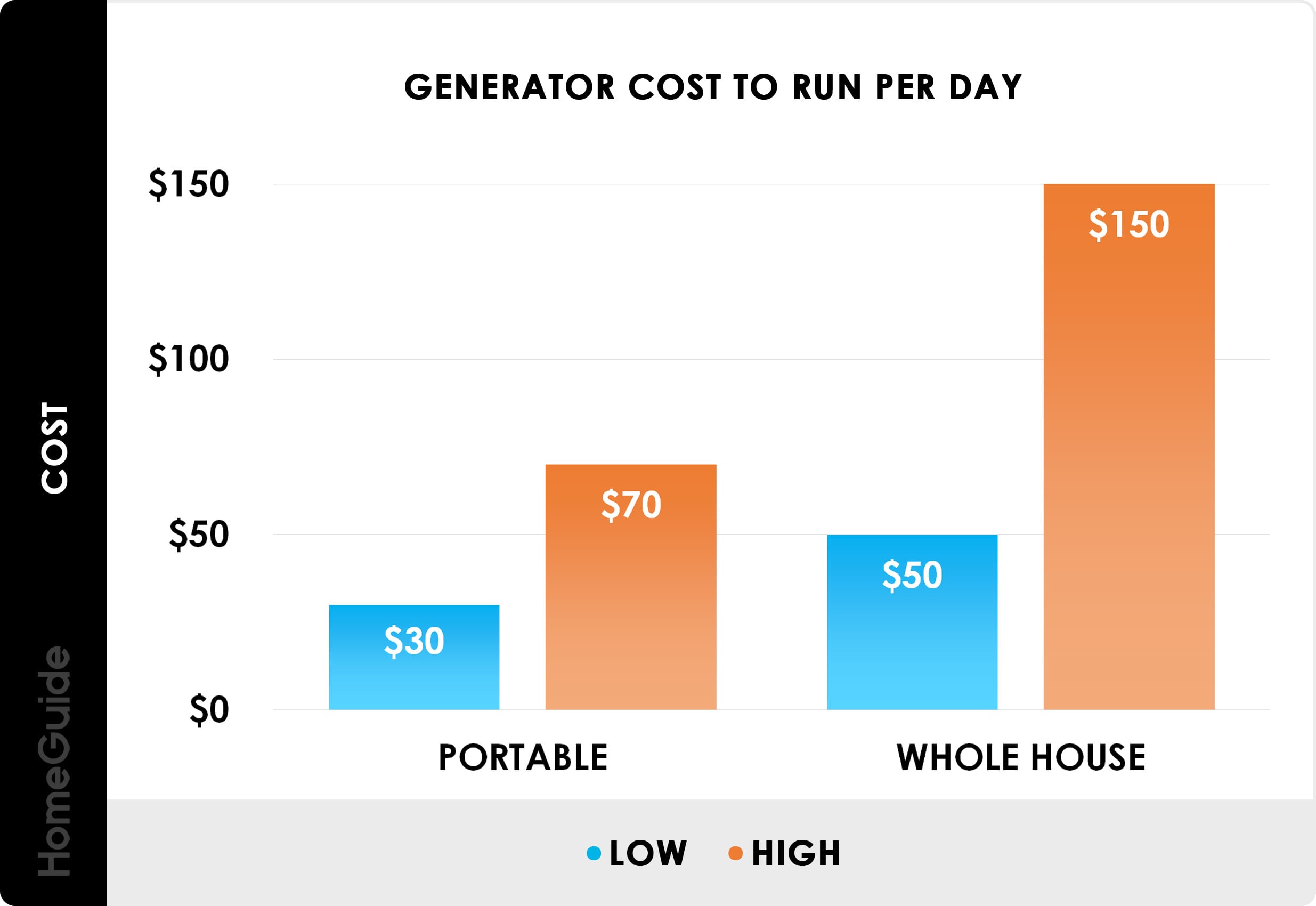
Credit: homeguide.com
Affordable Alternatives For Power Needs
Finding affordable alternatives for your power needs can save you money while ensuring you stay connected. There are various options available that cater to different budgets and requirements. Let’s dive into some practical choices that can help you power your life without breaking the bank.
Portable Generators For Small Budgets
Portable generators are excellent for those on a tight budget. They are versatile, easy to use, and provide power when you need it most. Models like the Champion 2000-Watt Generator can be found for under $500.
These generators are perfect for camping trips, tailgating, or even powering essential appliances during a blackout. Their fuel efficiency allows you to run them for hours without worrying about high operational costs.
- Pros:Affordable, easy to transport, and good fuel efficiency.
- Cons:Limited power output and can be noisy.
Battery-powered Solutions
Battery-powered generators are becoming increasingly popular. They are silent, easy to maintain, and eco-friendly. Brands like Goal Zero offer options that can power small devices or even run a mini-fridge.
These units are ideal for short trips or emergency situations. You can charge them at home and take them anywhere, making them a practical choice for your power needs.
- Pros:Silent operation, portable, and low maintenance.
- Cons:Limited runtime and may require solar charging for extended use.
Renewable Energy Options
Renewable energy solutions, like solar panels, can be an excellent investment. They allow you to harness the sun’s energy to power your home or gadgets. Many people find that solar panels quickly pay for themselves through savings on electricity bills.
Consider starting with a small solar kit that can power a few essential devices. Companies like Renogy offer kits that are budget-friendly and easy to install. Wouldn’t it be great to reduce your reliance on traditional power sources?
- Pros:Sustainable, long-term savings, and environmentally friendly.
- Cons:Initial setup cost and weather-dependent efficiency.
Choosing the right alternative depends on your specific needs and budget. Take some time to assess what works best for you. Are you ready to make the switch to a more affordable power solution?

Credit: uk.jackery.com
Frequently Asked Questions
How Much Does It Cost To Run A Generator?
The cost to run a generator varies based on fuel type, usage, and efficiency. On average, homeowners can expect to spend between $0. 50 to $3. 00 per hour. Factors like fuel prices and generator capacity also influence overall expenses.
Regular maintenance can help optimize fuel efficiency and reduce costs.
What Is The Fuel Cost For A Generator?
Fuel costs for a generator depend on fuel type and consumption rate. Typically, propane and gasoline are common options. On average, gasoline generators use about 0. 5 to 0. 75 gallons per hour. Propane consumption can be around 1 to 2 gallons per hour, depending on load and efficiency.
Do Generators Use A Lot Of Electricity?
Generators do not use electricity; they produce it. However, the energy consumption of appliances connected to the generator can vary. For example, a small generator may handle basic appliances, while larger units can power entire homes. Understanding your power needs helps determine the right generator size.
What Affects Generator Running Costs?
Several factors influence generator running costs, including fuel type, load demand, and maintenance. The generator’s efficiency rating also plays a crucial role. Additionally, fluctuating fuel prices can impact overall expenses. Regular maintenance can enhance performance, leading to lower operating costs over time.
Conclusion
Running a generator can vary in cost. Factors include fuel type and usage time. Knowing how much it costs helps you plan better. Regular maintenance can save money in the long run. Always consider energy needs before choosing a generator.
This way, you avoid overspending. Understanding these costs empowers you to make informed decisions. Take time to research and compare options. A little knowledge goes a long way. Being prepared ensures you stay powered without breaking the bank.