
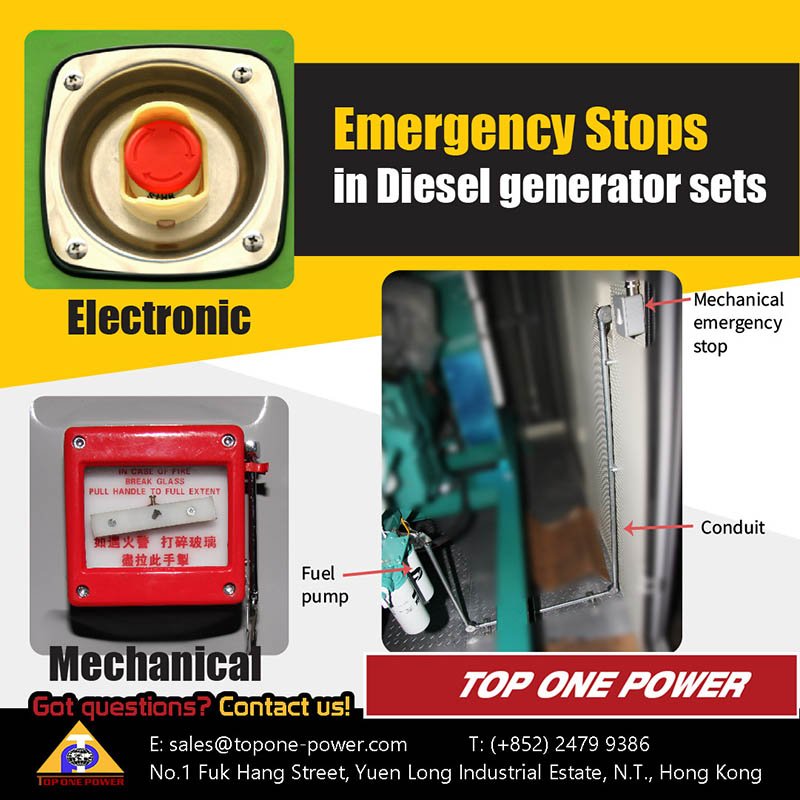
Are you tired of the noise and fumes from your diesel generator? Stopping it properly is crucial for both safety and efficiency.
Whether you’re looking to conserve fuel, reduce emissions, or simply enjoy some peace and quiet, knowing how to stop your diesel generator effectively can make a big difference. You’ll learn step-by-step instructions to shut down your generator safely. We’ll cover essential tips to ensure you avoid common mistakes that could lead to costly repairs or safety hazards.
By the end, you’ll be equipped with the knowledge you need to manage your generator with confidence. Let’s get started!
Safety Precautions
Stopping a diesel generator safely is very important. Follow these safety precautions to ensure a smooth shutdown. Protect yourself and others by being aware of your surroundings.
Inspect The Area
Before shutting down the generator, check the area. Look for any hazards like loose wires or fuel spills. Clear away any obstacles that could cause an accident.
Make sure there are no flammable materials nearby. A clean area helps prevent fires and injuries. Take a moment to ensure everything is in order.
Use Protective Gear
Wearing the right protective gear is essential. Use gloves to protect your hands. Safety goggles can shield your eyes from debris.
Wear sturdy shoes to protect your feet. Hearing protection may also be needed if the generator is loud. Proper gear keeps you safe while you work.
Preparations Before Shutdown
Stopping a diesel generator requires careful steps. First, ensure all equipment is turned off. Next, let the generator cool down before shutting it off. Finally, follow the manufacturer’s instructions to complete the process safely.
Preparing for a diesel generator shutdown is crucial for ensuring safety and efficiency. Taking the right steps before turning off the engine can prevent damage and extend the life of your equipment. Here’s how to prepare effectively.
Check Load Status
Before shutting down your diesel generator, check the load status. Make sure the generator is not running under heavy load. Running at full capacity can lead to overheating and damage. If the generator is supplying power to essential equipment, switch those off first. This ensures a gradual reduction in load, making the shutdown smoother. Have you ever faced issues because you shut down a generator under heavy load? It’s a lesson many learn the hard way.
Monitor Engine Temperature
Next, keep an eye on the engine temperature. High temperatures can indicate that the generator is still working hard, which can lead to complications during shutdown. Allow the engine to cool down before proceeding. You can do this by letting it run without load for a few minutes. This step helps avoid thermal shock, which can damage components. Have you noticed how important it is to give your generator a moment before shutting it down? It’s a small but impactful act. Taking these preparations seriously can save you time, money, and a lot of headaches later on.
Steps To Shut Down
Shutting down a diesel generator requires careful steps. This ensures safety and prevents damage. Follow these steps for a smooth shutdown process.
Reduce Load Gradually
Start by reducing the load on the generator. Turn off non-essential equipment first. This will lessen the strain on the generator. Wait a few minutes before turning off more loads. Check that the generator operates smoothly during this time.
Turn Off Fuel Supply
Next, turn off the fuel supply. Locate the fuel valve on the generator. Shut it off completely. This stops fuel from flowing to the engine. It helps prevent leaks and ensures safety.
Engage Stop Button
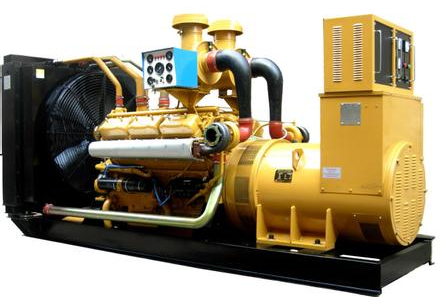
Finally, engage the stop button on the generator. Press the button firmly. This will stop the engine from running. Wait until the engine comes to a complete stop. Check the generator for any unusual sounds or leaks.
Credit: www.dieselgeneratortech.com
Post-shutdown Checks
Stopping a diesel generator after use is important for safety and maintenance. First, turn off all electrical loads connected to the generator. Then, switch off the fuel supply and let the engine cool down before shutting it off completely. Regular checks ensure the generator remains in good condition.
After shutting down your diesel generator, it’s crucial to conduct thorough post-shutdown checks. This step ensures that your generator remains in optimal condition for future use. Neglecting these checks can lead to performance issues down the line. Here’s what you need to focus on.
Inspect For Leaks
Start by visually inspecting the generator for any signs of leaks. Look around the fuel lines, oil pan, and coolant hoses. Use a flashlight to spot any fluid pooling under the generator. If you notice any leaks, address them immediately. Even a small leak can lead to significant problems if left unattended. Make it a habit to check seals and gaskets for wear. Over time, these components can degrade and become less effective. Keeping a record of your inspections helps track recurring issues. Regular checks can save you time and money in the long run.
Record Performance Metrics
After shutting down, take a moment to jot down the performance metrics. This includes the runtime, load percentage, and any unusual sounds you might have heard. Keeping a log helps you notice patterns over time. If a generator starts showing irregularities, you will have documented evidence to refer back to. Consider creating a simple table to track these metrics:
| Date | Runtime (hours) | Load (%) | Notes |
|---|---|---|---|
| 2023-10-01 | 10 | 75 | Normal operation |
| 2023-10-15 | 8 | 80 | Minor leak detected |
Regularly updating this table will keep you informed about your generator’s health. Are you taking the time to track these essential details? Caring for your diesel generator after shutdown not only prolongs its life but also ensures reliability when you need it most.
Maintenance After Shutdown
Stopping a diesel generator after use requires careful steps. First, turn off the load to avoid sudden power loss. Next, let the engine idle for a few minutes. Finally, switch off the generator and disconnect the fuel supply. This ensures safe and effective shutdown.
After shutting down your diesel generator, the work isn’t finished. Proper maintenance is crucial for ensuring longevity and efficiency. Taking a few simple steps after shutdown can prevent issues down the line and keep your generator running smoothly.
Clean Fuel Filters
Cleaning or replacing fuel filters is essential after your generator has been shut down. Dirty fuel filters can lead to fuel supply issues, impacting performance when you next start the unit. Make it a habit to inspect the filters regularly. If you notice any debris or clogs, it’s time for a thorough cleaning or replacement. Consider keeping a maintenance log. Documenting when you last cleaned or changed the filters helps you stay on track with upkeep.
- Turn off the fuel supply before you start.
- Remove the filter and inspect it.
- Clean with appropriate solvents or replace if necessary.
Neglecting this step can lead to costly repairs down the line. Have you checked your fuel filters lately?
Check Oil Levels
Checking oil levels should be a priority after your generator shuts down. Low oil can lead to serious engine damage, and topping it off is a quick fix. Use the dipstick to assess the oil level. If it’s below the recommended mark, add the appropriate type of oil. Remember, oil quality matters too. If the oil looks dirty or has been in use for a while, consider changing it.
- Let the generator cool before checking.
- Use the correct oil type as specified in the manual.
- Dispose of old oil properly.
Regularly checking oil levels not only extends the life of your generator but also ensures optimal performance. Is your oil level where it should be?

Credit: www.topone-power.com
Credit: powercontinuity.co.uk
Frequently Asked Questions
How Do You Safely Stop A Diesel Generator?
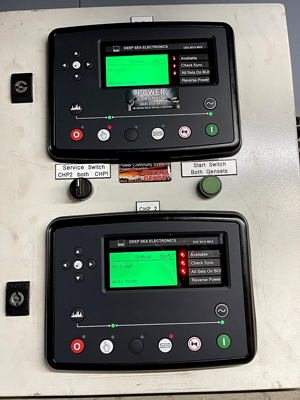
To safely stop a diesel generator, first reduce the load. Turn off all connected equipment before shutting down the generator. Allow it to run for a few minutes to cool down. Finally, switch off the generator using the control panel.
Always follow the manufacturer’s guidelines for the safest procedure.
What Are The Common Reasons To Stop A Diesel Generator?
Common reasons to stop a diesel generator include maintenance needs, fuel shortages, or completion of power requirements. Additionally, if there are overheating or mechanical issues, it’s crucial to stop operation immediately. Regularly monitoring performance helps in determining when to stop the generator safely.
Can You Stop A Diesel Generator While It’s Running?
Stopping a diesel generator while it’s running is not advisable. Doing so can cause damage to the engine and connected systems. Always follow the proper shutdown procedure to avoid potential risks. Sudden shutdowns can lead to fuel leaks or overheating, compromising safety and equipment integrity.
How Long Should A Diesel Generator Cool Down Before Stopping?
A diesel generator should ideally cool down for about 5 to 10 minutes before stopping. This allows the engine to stabilize and reduces thermal shock. Cooling down extends the life of the generator and prevents damage. Always consult the user manual for specific cooling recommendations.
Conclusion
Stopping a diesel generator is simple with the right steps. Always ensure safety first. Turn off all connected devices before shutting down. Allow the generator to cool for a few minutes. This prevents damage and ensures a smooth stop. Regular maintenance helps keep your generator in good shape.
Following these steps keeps your generator running well. Now, you can stop your diesel generator safely and confidently. Remember, practice makes perfect.