
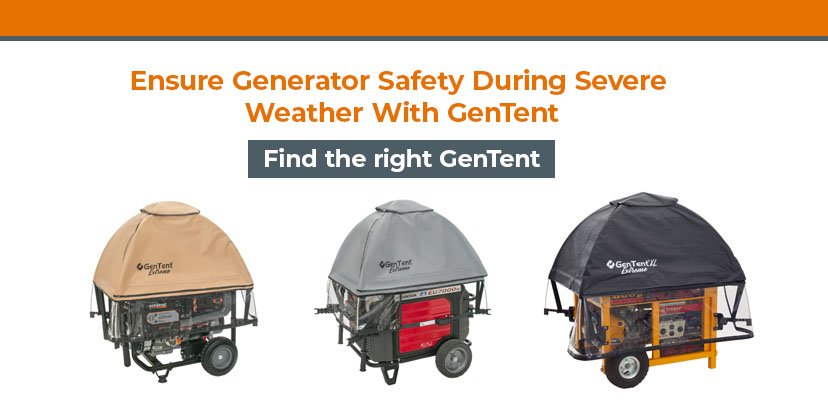
When the skies darken and rain pours down, the last thing on your mind may be your generator. But what if you need it?
Can you safely use a generator in the rain? This question is crucial for anyone relying on backup power during storms or outages. Understanding the risks and the right precautions can protect both you and your equipment. We’ll explore everything you need to know about using generators in wet weather, ensuring you make informed decisions.
Don’t let the rain catch you off guard—read on to discover how to stay safe and powered up, no matter the forecast.
Using Generators In Wet Conditions
Using a generator in rain can be risky. Water can damage the unit or cause electrical shock. Always keep generators dry and use a protective cover when necessary. Staying safe is the top priority.
Using generators in wet conditions can be tricky. Rain and moisture can pose serious risks, not just to the generator itself, but also to your safety. Understanding how to manage these situations can save you from potential hazards and ensure your generator performs effectively.Risks Of Operating In Rain
Operating a generator in the rain can lead to several risks. – Electric Shock: Water can create a pathway for electricity, increasing the risk of electric shock. If your generator is not properly grounded, this risk escalates. – Short Circuits: Moisture can cause components to short circuit. This can lead to equipment damage or even fires. – Personal Injury: Slipping on wet surfaces while handling fuel or cords can result in injury. Always prioritize safety when working in wet conditions. Consider my friend Mark, who once tried to use his generator during a downpour. He thought he was being practical, but he ended up with a shocking surprise. The generator shorted out, causing a small fire and nearly injuring him. Always assess the weather conditions before deciding to operate.Impact On Generator Performance
Rain can significantly affect how well your generator runs. – Fuel Contamination: If water enters the fuel tank, it can contaminate the fuel. This leads to poor engine performance or even failure to start. – Corrosion: Continuous exposure to moisture can cause rust and corrosion. Over time, this can damage critical components, reducing the lifespan of your generator. – Power Output: Wet conditions can lead to reduced power output. Your generator may struggle to deliver the necessary wattage for your appliances. Have you ever noticed how generators sound different in the rain? The moisture can muffle sounds, making it hard to detect problems. Regular maintenance and protective covers can help mitigate these issues, but it’s best to avoid using them in wet conditions altogether. Stay informed and prioritize safety when operating your generator. It’s better to be safe than sorry, especially when weather conditions are less than ideal.Safety Precautions For Rainy Weather
Using a generator in rainy weather can be risky. Water can damage the generator and create electrical hazards. Always keep your generator dry and use it in a covered area to ensure safety during storms.
When using a generator in rainy weather, safety should always be your top priority. Rain can pose significant risks, including electrocution and equipment damage. Understanding how to protect yourself and your generator can make a big difference in keeping your power running smoothly and safely.Proper Placement Of Generators
Place your generator in a dry area, away from direct rain. Ideally, it should be under a shelter, but not completely enclosed, as this can lead to dangerous carbon monoxide buildup. Consider setting it up on an elevated surface. This helps keep it away from standing water. If you’re using it on a patio or driveway, make sure there’s good drainage. Always ensure the exhaust is pointed away from your living space. This simple step can prevent harmful fumes from seeping into your home.Use Of Weatherproof Covers
Invest in a weatherproof cover designed specifically for generators. These covers can protect your equipment from rain while allowing ventilation. Make sure the cover fits properly. A loose cover can blow away or allow water to seep in, defeating its purpose. Never use a plastic tarp as a cover. While it may seem like a quick fix, it often traps moisture and can cause rust or electrical issues. Are you ready to take these precautions? Keeping your generator safe in rainy weather is essential for your peace of mind and safety.Electrical Hazards To Avoid
Using a generator in the rain poses serious risks. Water can enter the generator and cause electrical shocks. Always keep your generator dry and use it in a sheltered area to stay safe. Avoiding wet conditions protects you from electrical hazards.
Electrical hazards are a serious concern when using a generator in wet conditions. Rain can create unexpected risks, especially when electricity and water mix. Understanding these hazards is crucial to keeping you and your loved ones safe while you power your home or worksite.Danger Of Electrocution
Using a generator in the rain increases the risk of electrocution. Water can create conductive pathways that allow electricity to travel where it shouldn’t. Imagine setting up your generator outside during a storm. You might think you’re safe, but a single drop of water can cause a malfunction. Always use a weatherproof enclosure or cover your generator with a tarp, ensuring it’s not in direct contact with water. If you feel a tingling sensation when touching your generator, it’s a clear warning sign. Turn it off immediately and check for any water damage. Never ignore these signs; your safety should always come first.Preventing Short Circuits
Short circuits are another major risk when using generators in the rain. Moisture can seep into connections and components, causing your generator to malfunction. Make sure all connections are secure and protected from water. Use waterproof covers for outlets and plugs. Regularly inspect your generator for any signs of wear or damage, especially after heavy rain. Think about investing in a generator with built-in weatherproof features. This can provide an extra layer of protection against moisture and enhance your safety. Always remember, taking proactive measures today can prevent dangerous situations tomorrow. How prepared are you for the next storm?
Credit: www.reddit.com
Maintenance For Wet Weather Use
Using a generator in wet weather requires careful maintenance. Water can harm the generator’s parts. Proper care keeps it running well. Here are some key maintenance tips for wet weather use.
Inspecting For Water Damage
Check your generator for any signs of water damage. Look for rust or corrosion on metal parts. Inspect the electrical components closely. Water can cause shorts and other issues. Ensure all connections are dry and secure. Do not use the generator if you see water inside. This can lead to serious problems.
Cleaning And Drying After Use
After using your generator in the rain, clean it thoroughly. Wipe down all surfaces with a dry cloth. Remove any debris that may have collected. Make sure to dry all parts completely. Store the generator in a dry place. This helps prevent future damage. Regular cleaning extends the life of your generator.
Alternative Solutions For Power
When the power goes out, especially during rainy weather, it’s crucial to have reliable alternatives. Relying on a generator might not always be safe or feasible. Luckily, there are several effective solutions to keep your home powered up.
Battery-powered Options
Battery-powered devices are a fantastic alternative when traditional generators aren’t an option. They come in various sizes and capacities, ensuring you can find one that meets your needs. Consider investing in:
- Portable power stations:These are compact and can charge multiple devices at once.
- Solar-powered chargers:Great for keeping essential electronics charged during outages.
- Uninterruptible Power Supplies (UPS):Perfect for computers and home networks to ensure continuous operation.
These options are not only safe in wet conditions but also environmentally friendly. The convenience of grabbing a battery pack and heading outdoors for a day of work or leisure is incredibly appealing. Have you ever considered how much easier life could be with a portable power source by your side?
Indoor Generator Placement
If you decide to use a generator, proper placement is key to ensuring safety and efficiency. Generators should never be used indoors due to carbon monoxide risks. Instead, place your generator:
- Outside your home, at least 20 feet away from windows and doors.
- In a well-ventilated area to prevent overheating.
- On a flat, stable surface to avoid tipping.
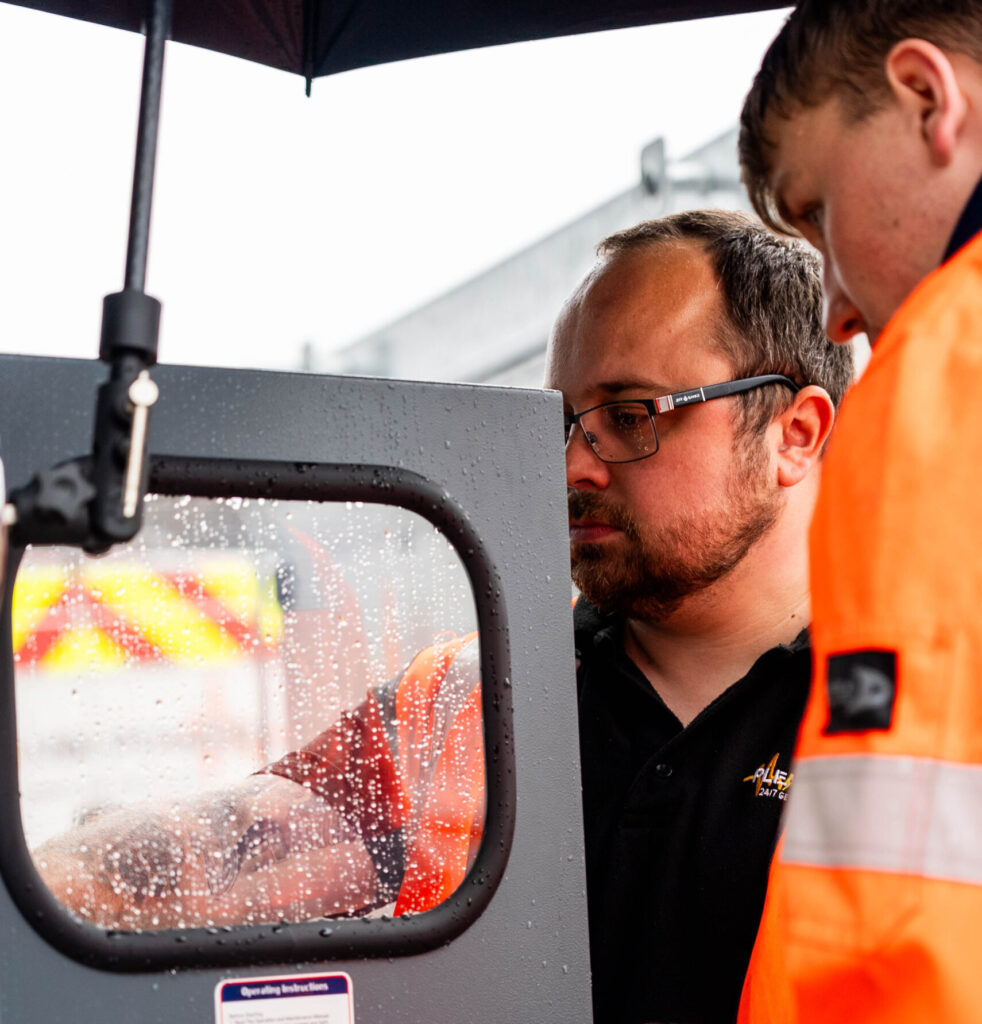
Using an outdoor generator safely can provide the power you need without compromising your health. Have you thought about how to effectively shield your generator from the elements while ensuring it remains accessible? Your safety and comfort should always come first.
Credit: pleavinpower.co.uk

Credit: www.solentpower.co.uk
Frequently Asked Questions
Can Generators Operate Safely In Wet Conditions?
Generators should not be operated in wet conditions without proper precautions. Rain can cause electrical hazards, posing risks of shock or fire. Always use a generator in a dry, well-ventilated area and consider using a weatherproof cover or enclosure. Safety is paramount when using generators outdoors.
What Happens If A Generator Gets Wet?
If a generator gets wet, it can short-circuit or malfunction. Water exposure increases the risk of electrical shock and damage to internal components. To prevent issues, avoid operating the generator during rain and ensure it is dry before starting. Always prioritize safety and maintenance.
How Can I Protect My Generator From Rain?
To protect your generator from rain, use a waterproof cover or tarp. Ensure the generator is placed in a sheltered area, like a garage or shed, when not in use. Additionally, consider investing in a generator enclosure designed for weather protection.
Proper care extends the lifespan of your generator.
Is It Safe To Run A Generator Under A Tent?
Running a generator under a tent is not safe. Tents can trap carbon monoxide, increasing the risk of poisoning. Always operate generators outdoors in open areas, away from structures and living spaces. Ensure proper ventilation to maintain safety while using your generator.
Conclusion
Using a generator in the rain is risky. Water can cause electrical shock or damage. Always keep your generator dry and covered. Use it in a well-ventilated area. Follow safety guidelines to protect yourself. Consider alternatives during heavy rain. Your safety should come first.
Stay informed about proper usage. Make wise choices to avoid accidents. A safe environment is key for using generators. Stay safe and keep your generator protected.