
When it comes to owning a generator, knowing how to store it outside is crucial for its longevity and performance. You want your generator to be ready whenever you need it, whether for power outages, camping trips, or construction projects.
But storing it improperly can lead to damage and costly repairs. You’ll discover the best methods to protect your generator from the elements, keep it secure, and ensure it runs smoothly when you need it most. Get ready to learn practical tips that will save you time, money, and headaches down the line.
Your generator deserves the best care, and we’re here to help you achieve that. Keep reading to find out how!
Credit: www.tiktok.com
Choosing The Right Location
Choosing the right location for storing a generator outside is crucial. Look for a dry, well-ventilated spot away from flammable materials. Ensure it’s easy to access for maintenance and use. Protect it from harsh weather to keep it in good condition.
Choosing the right location for your generator is crucial. The spot you select can significantly impact its performance and safety. Let’s dive into some key considerations to ensure your generator remains functional and secure.
Safe Distance From Home
Position your generator at least 20 feet away from your home. This distance helps reduce the risk of carbon monoxide poisoning, which can occur if exhaust fumes enter your living space. Consider using a heavy-duty extension cord to connect your generator to your home. Just make sure it’s rated for outdoor use and is in good condition. Check local regulations regarding generator placement to avoid any potential fines or issues.
Avoiding Flood-prone Areas
Never place your generator in an area that can flood. Water and electricity do not mix, and even a small amount of water can damage your generator and pose serious safety risks. Before choosing a location, assess your yard during heavy rain. Identify any low spots where water tends to collect. You might want to elevate your generator on a platform or sturdy base. This simple step can safeguard it during unexpected downpours.
Protecting From Wind And Debris
Wind can pose a threat to your generator, especially during storms. Look for a location that provides some natural windbreaks, like trees or fences. Avoid placing your generator near loose debris that can be blown around. Items like branches, leaves, and trash can damage your generator or clog its intake. Consider a protective cover for your generator when it’s not in use. This will shield it from the elements and keep it in good working condition. Choosing the right location is about ensuring your generator operates safely and efficiently. Are you ready to evaluate your outdoor space?
Weatherproofing Techniques
Storing a generator outside requires careful planning. Use a weatherproof cover to shield it from rain and snow. Elevate the generator off the ground to prevent rust and damage. Choose a shaded area to protect it from direct sunlight. These steps ensure your generator stays safe and functional.
Storing your generator outside can be a practical solution, but it’s essential to protect it from the elements. Weatherproofing techniques ensure your generator remains functional and extends its lifespan. Here are some effective strategies to keep your generator safe from harsh weather conditions.
Using Durable Covers
A high-quality cover can make a significant difference in protecting your generator. Choose a cover made from weather-resistant materials, such as heavy-duty vinyl or polyester. These materials guard against UV rays, rain, and snow. Make sure the cover fits snugly. Loose covers can trap moisture and lead to rust. Consider investing in a cover with ventilation features. This helps prevent condensation buildup inside.
Elevating The Generator
Elevation is a smart way to shield your generator from potential flooding. Place your generator on a concrete platform or sturdy wooden pallets. This simple step can keep it above standing water during heavy rain. If you live in an area prone to flooding, this technique is a must. Regularly check the area around your generator to ensure proper drainage. You want to avoid water pooling around it.
Shielding Against Rain And Snow
Creating a protective shelter can be a game-changer. A simple lean-to structure or a shed can provide significant protection against rain and snow. Ensure there’s enough airflow to prevent overheating, especially if you use the generator frequently. Consider using tarps or weather-resistant panels to create a temporary shield during storms. Have you ever had to scramble to cover your generator during an unexpected rainstorm? A little preparation can save you from that hassle. By implementing these weatherproofing techniques, you can confidently store your generator outside while keeping it safe from the elements.
Ventilation Considerations
Proper ventilation is vital for storing a generator outside. Good airflow prevents overheating and ensures safety. Consider these key factors to protect your generator.
Preventing Heat Build-up
Generators produce heat during operation. Storing them without airflow can trap that heat. High temperatures may damage internal parts. Choose a shaded area to keep your generator cooler. Avoid placing it near walls or fences that block air. A few feet of space on all sides helps reduce heat build-up.
Ensuring Proper Airflow
Air must flow freely around the generator. Install the generator on a flat surface. Avoid areas with tall grass or dense foliage. These can obstruct airflow. Consider using a platform to elevate the generator. This keeps it clear from debris and allows air to circulate.
Avoiding Hazardous Fumes
Generators produce carbon monoxide, a dangerous gas. Proper ventilation helps disperse these fumes. Always store your generator in an open area. Keep it away from windows and doors. This prevents fumes from entering your home. Ensure the storage area has good airflow, especially during use.
Security Measures
Storing a generator outside requires careful planning. Choose a dry, shaded area to protect it from rain and sunlight. Use a sturdy cover to keep dirt and debris away, ensuring it remains safe and ready for use.
Storing your generator outside requires more than just a good spot; it calls for effective security measures. A generator can be a valuable asset, especially during power outages or emergencies. Ensuring its safety means implementing strategies to prevent theft and tampering.
Locking Mechanisms
Utilizing strong locking mechanisms is crucial. Invest in high-quality locks specifically designed for outdoor use. – Padlocks: Use heavy-duty padlocks that resist cutting and picking. – Lockable Storage: Consider a lockable enclosure or cabinet for your generator. These measures not only deter thieves but also give you peace of mind.
Installing Surveillance Cameras
Surveillance cameras are a powerful deterrent against theft. Installing them near your generator offers extra protection. – Visible Cameras: Place cameras in plain sight to discourage potential thieves. – Motion Sensors: Use cameras with motion sensors to alert you of any unusual activity. You can easily monitor your generator from your smartphone, providing reassurance wherever you are.
Preventing Theft And Tampering
Taking proactive steps to prevent theft is essential. Here are some effective strategies: – Secure Location: Choose a well-lit area that is not easily accessible. – Fencing: Install a sturdy fence around the generator for added security. Consider engaging your neighbors in a watch program. A community that looks out for one another can deter thieves more effectively than any single measure. Are you ready to take your generator security to the next level?
Maintenance Tips
Keeping your generator in good shape is vital. Proper maintenance extends its life. Follow these tips to ensure your generator runs well for years.
Regular Cleaning
Clean your generator every few months. Dust and dirt can harm its parts. Use a soft cloth to wipe down the exterior.
Check the air filter. A dirty filter reduces efficiency. Replace it if it looks clogged or worn.
Checking For Rust And Damage
Inspect your generator for rust. Rust can weaken metal parts. Use a wire brush to remove any rust you find.
Look for cracks or dents. Damage can affect performance. Address any issues immediately to avoid bigger problems.
Testing For Smooth Operation
Run your generator monthly. This keeps it ready for use. Listen for unusual sounds while it runs.
Check the fuel levels. Low fuel can cause starting issues. Ensure the oil is at the correct level too.

Credit: www.sawdustzone.org
Choosing The Right Shelter
Storing a generator outside requires careful planning. A good shelter protects it from weather and damage. Choosing the right type of shelter makes a big difference.
Portable Generator Sheds
Portable generator sheds are a great option. They are easy to set up and move. These sheds offer protection from rain and snow. Many models include ventilation for safety. Choose a shed that fits your generator size.
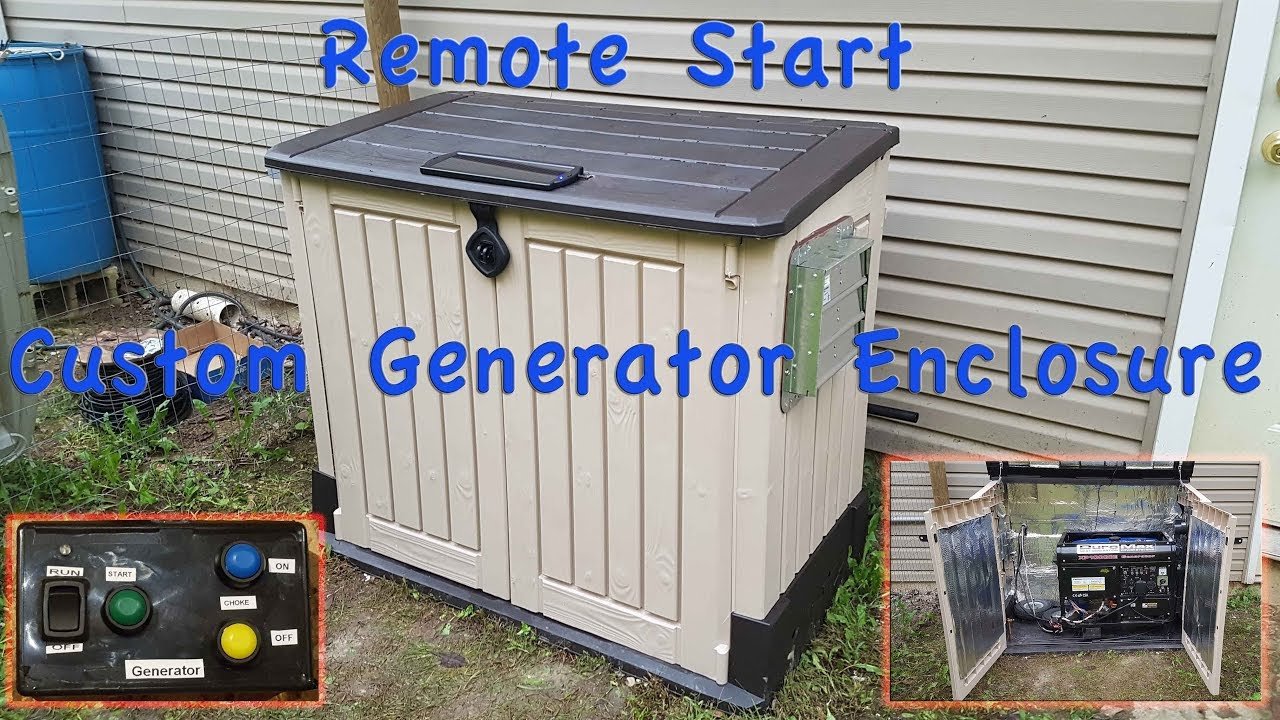
Custom Enclosures
Custom enclosures provide a tailored solution. You can design them to fit your specific needs. A custom enclosure can blend with your home style. Ensure it offers proper airflow. Use durable materials to withstand the elements.
Benefits Of Permanent Structures
Permanent structures offer long-term security. They can withstand harsh weather conditions. These shelters often include insulation. This helps maintain a stable temperature. A permanent structure adds value to your property.
Addressing Noise Concerns
Proper storage of a generator outside helps reduce noise concerns. Choose a location away from living spaces. Use soundproofing materials or barriers to lessen the noise impact. Regular maintenance also ensures quiet operation. Keep your generator covered to protect it from the elements.
Addressing noise concerns is crucial when storing your generator outside. A noisy generator can disrupt your peace and even annoy your neighbors. Finding ways to minimize this noise can enhance your outdoor experience and maintain good relationships in your community.
Using Soundproof Barriers
One effective strategy is to use soundproof barriers. These can include fences, walls, or specially designed acoustic panels. – Solid fences can significantly reduce noise. Opt for materials like wood or vinyl that can absorb sound. – Acoustic panels are another option. You can place them around your generator to create a sound-dampening enclosure. Consider adding plants or shrubs around your generator as well. They not only beautify your space but also help absorb sound.
Positioning Away From Living Spaces
Positioning your generator away from living areas is essential. The further you place it from your home, the less noise you will hear. – Aim for a distance of at least 20 feet from windows and doors. – If your yard allows, consider placing it behind a shed or garage. This simple adjustment can make a noticeable difference. Imagine enjoying your backyard without the constant hum of a generator.
Choosing Low-noise Models
Choosing a low-noise model is another smart approach. Many manufacturers now offer generators designed to operate quietly. – Look for models that advertise a low decibel rating, ideally below 60 dB. – Inverter generators are often quieter than conventional models. They adjust their speed based on your power needs, reducing noise levels. Have you ever been startled by a loud generator while relaxing outdoors? Selecting a quieter option can transform your experience.

Credit: m.youtube.com
Frequently Asked Questions
How Do I Protect My Generator From Rain?
To protect your generator from rain, use a weather-resistant cover. Ensure proper ventilation to prevent overheating. Place the generator under a canopy or shed to shield it from direct rainfall. Avoid storing it in a damp area to prevent rust and damage.
What Is The Best Surface For Generator Storage?
The best surface for generator storage is a flat, stable area. Concrete or gravel is ideal as it provides drainage. Avoid placing the generator on grass or soft ground, which can lead to uneven positioning. A solid surface also helps prevent water accumulation around the unit.
Can I Store My Generator On A Patio?
Yes, you can store your generator on a patio. Ensure it is well-ventilated and away from flammable materials. Use a protective cover to shield it from the elements. Regularly check for moisture and corrosion to maintain its functionality.
Should I Cover My Generator Outside?
Yes, covering your generator outside is advisable. A weather-resistant cover protects it from rain, snow, and UV rays. Ensure the cover allows for ventilation to prevent overheating. Regularly check the generator for moisture buildup to ensure its longevity.
Conclusion
Storing a generator outside requires careful planning. Choose a dry, safe spot away from direct sunlight. Use a weatherproof cover to protect it from rain and snow. Regularly check the generator to ensure it stays in good shape. Keep it away from flammable materials.
Follow these steps for safe storage. Proper care extends your generator’s life. Your generator will be ready when you need it. Store wisely, and enjoy peace of mind.