
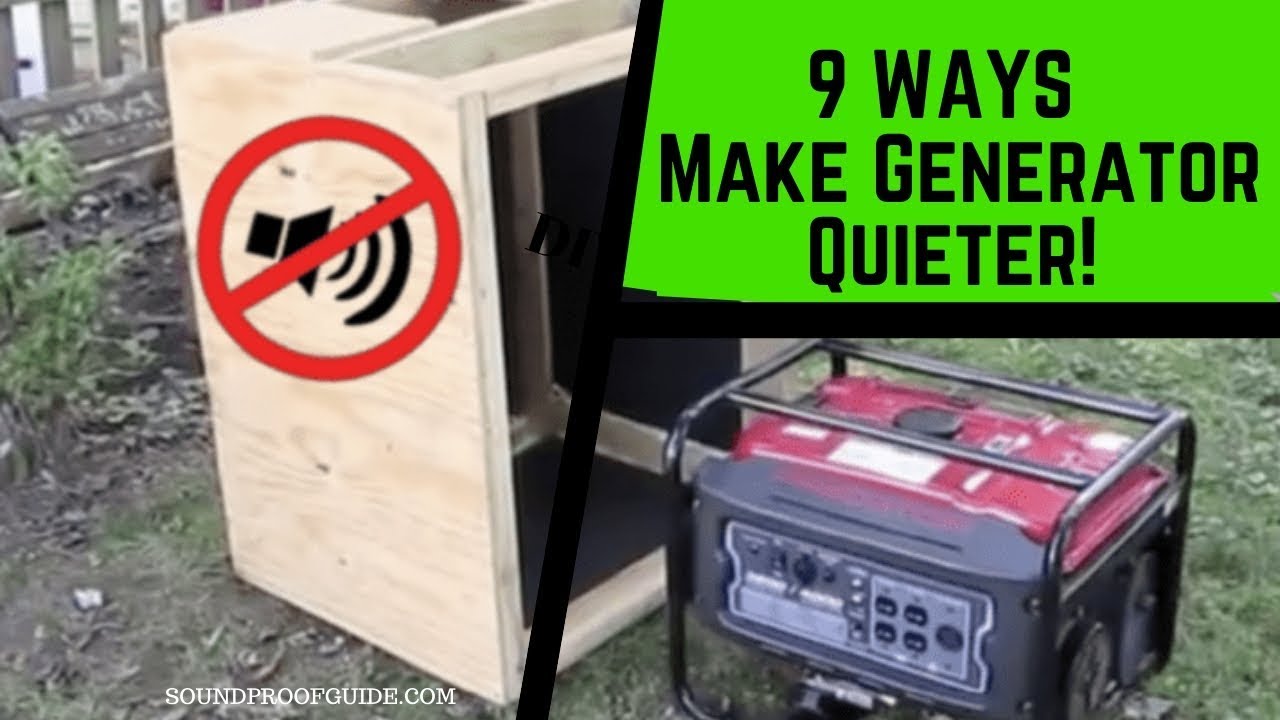
If you’ve ever struggled with a noisy generator, you know how frustrating it can be. Whether you’re using it for camping, backup power, or construction, the constant hum can disrupt your peace and quiet.
But there’s good news! You don’t have to put up with that racket. You’ll discover practical tips and tricks on how to make your generator quieter. Imagine enjoying your outdoor activities without the annoying noise, or working on your projects without distractions.
Let’s dive into the simple solutions that can transform your generator experience. Read on to reclaim your comfort and tranquility!
Soundproofing Techniques
Soundproofing techniques can help reduce generator noise. Using sound barriers like foam panels or heavy curtains can absorb sound. Placing the generator on a rubber mat also minimizes vibrations and noise. These simple steps make a quieter environment.
Soundproofing techniques can significantly reduce the noise generated by your generator. This is especially important if you live in a quiet neighborhood or need to use your generator during late hours. Let’s dive into some effective methods to make your generator quieter.Building An Enclosure
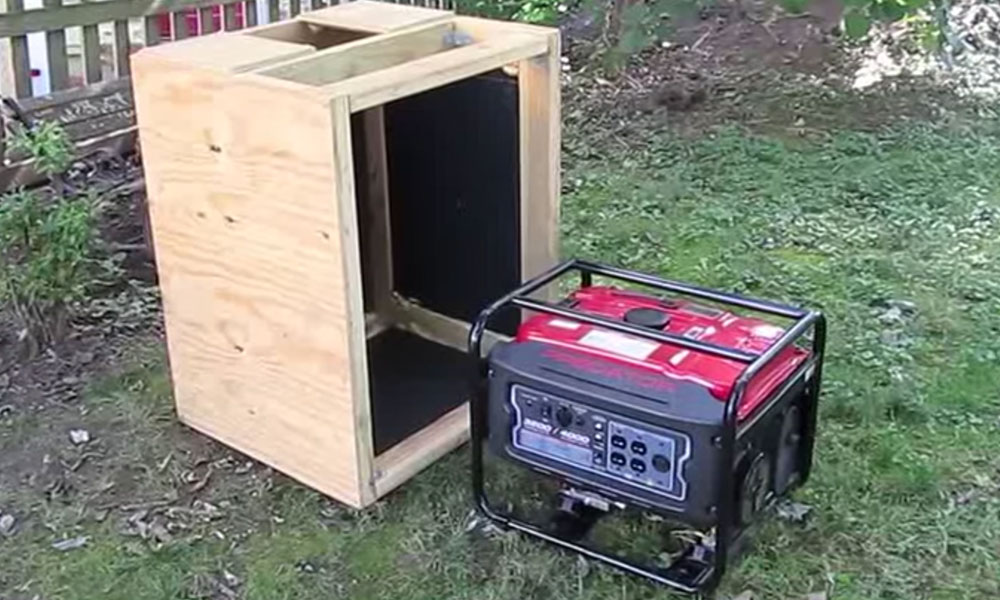
Creating an enclosure around your generator is one of the most effective soundproofing techniques. A simple wooden or metal box can do wonders in muffling noise. Make sure the enclosure is well-ventilated to prevent overheating. Consider using soundproofing materials for the walls of the enclosure. Acoustic foam panels or mass loaded vinyl can absorb sound waves effectively. You can also add a roof to the enclosure to contain more sound. Just ensure that there is enough space for air circulation and maintenance access.Using Acoustic Barriers
Acoustic barriers are another great option for reducing generator noise. These barriers can be placed around the generator to absorb sound. Heavy blankets or specialized soundproofing curtains can serve as effective barriers. Simply drape them around the generator area to help reduce noise levels. If possible, consider planting trees or shrubs around the generator. They act as a natural sound barrier and improve the aesthetics of your yard at the same time.Sealing Gaps And Openings
Gaps and openings around your generator can let sound escape freely. Inspect your generator’s setup for any holes or cracks. Sealing these gaps can drastically lower noise levels. Use weather stripping or acoustic sealant to close any openings. This simple step can make a noticeable difference in sound reduction. Be sure to check for any loose panels or connections, as they can vibrate and create additional noise. Tightening or securing these parts will enhance your soundproofing efforts. Have you tried any of these techniques? Your experience could inspire others looking to make their generators quieter.Upgrading Mufflers
Upgrading the muffler on your generator can greatly reduce noise. A better muffler helps make your generator quieter. This can improve your comfort and enjoyment. It also makes it easier to use the generator in different settings.
Choosing the right muffler is key. High-performance mufflers can significantly lower sound levels. Here is how to choose and install them.
Choosing High-performance Mufflers
High-performance mufflers are designed for noise reduction. Look for mufflers made from durable materials. Stainless steel is a good choice. It resists rust and lasts longer.
Consider the size of the muffler. A larger muffler can quiet the engine better. Check the specifications to ensure it fits your generator. Read reviews to find trusted brands.
Some mufflers feature internal baffles. These help break up sound waves. They are effective in reducing noise. Choose a muffler with a good sound rating for best results.
Installation Tips For Better Noise Control
Proper installation is crucial for maximum noise reduction. Start by reading the manufacturer’s instructions. Follow them carefully for best results.
Use quality tools for installation. A tight seal prevents leaks. Leaks can cause more noise. Make sure all connections are secure.
Consider adding insulation around the muffler. This can further reduce sound levels. Use heat-resistant materials for safety. Test the generator after installation. Check for any unusual sounds.
Placement Strategies
Placement strategies can help reduce generator noise. Positioning the generator away from living spaces or using barriers can significantly lower sound levels. Choosing the right location makes a big difference in comfort and peace.
Placement strategies play a crucial role in reducing generator noise. By strategically positioning your generator, you can significantly lower its impact on your living space. Let’s look at two effective strategies: positioning away from living areas and using soft ground or pads.Positioning Away From Living Areas
Keeping your generator as far away from your living areas as possible is one of the simplest ways to cut down on noise. If you have a backyard, place the generator at the far end, away from windows and patios. Consider installing a barrier, like a fence or shrubs, to help absorb sound. You might find it helpful to think about the layout of your property. Where does the noise travel? I once moved my generator from the side of my house to the back corner of my yard. The difference was remarkable—my family could finally enjoy time outdoors without the constant hum of the generator.Using Soft Ground Or Pads
The surface beneath your generator can greatly affect noise levels. Generators placed on hard surfaces, like concrete, tend to vibrate more and create additional sound. Consider placing your generator on a softer surface, such as grass or mulch. This can help absorb some vibrations and reduce noise. Another option is to use rubber pads or mats designed specifically for generators. These pads dampen vibrations and minimize sound transmission. Have you ever noticed how sound behaves differently on various surfaces? Paying attention to where you place your generator can lead to a quieter environment. Implementing these placement strategies can transform your outdoor experience, allowing you to enjoy peace and quiet while still benefiting from your generator’s power.
Credit: www.youtube.com
Maintenance Practices
Generator noise can be bothersome. To reduce this sound, consider using soundproof enclosures or acoustic blankets. Proper placement and regular maintenance also help in making your generator quieter. Simple adjustments can lead to a more peaceful environment.
Keeping your generator quiet involves more than just adding soundproofing materials. Regular maintenance plays a crucial role in reducing noise levels. Implementing simple maintenance practices can lead to a more efficient and quieter generator. Here are some key aspects to focus on.Lubricating Moving Parts
Regular lubrication of your generator’s moving parts is essential. This reduces friction and minimizes noise. Using a high-quality lubricant can make a noticeable difference. For example, I once neglected this step and noticed my generator became increasingly noisy. After applying lubricant to the engine and other moving parts, the noise level dropped significantly. Make it a habit to check and lubricate these components every few months.- Check the user manual for specific lubrication recommendations.
- Use a lubricant that is suitable for your generator model.
- Don’t forget to clean the parts before applying lubricant.
Checking For Loose Components
Loose components can amplify noise in your generator. Regularly inspect your generator for any loose bolts, screws, or panels. Tightening these parts can help reduce vibrations and noise. I remember a time when my generator rattled excessively. After a quick inspection, I found a loose panel. Tightening it made a significant difference in reducing the overall noise. Make checking for loose components a part of your maintenance routine.- Start with the exterior panels and work your way in.
- Don’t overlook the screws that hold the engine in place.
- Consider using thread-locking adhesive for added security.
Adding Noise Reduction Accessories
Generators can be loud. Noise can disturb your peace. Luckily, noise reduction accessories can help. These tools reduce sound levels. They make using a generator more pleasant.
Using Soundproof Mats
Soundproof mats are a simple way to reduce noise. Place them under your generator. They absorb vibrations and sound. This helps keep the noise down.
Look for mats made from rubber or dense foam. These materials work well. They block sound effectively. Choose mats that fit your generator’s size.
Ensure the mats are thick enough. Thicker mats usually offer better soundproofing. They can also protect your surface from scratches.
Installing Vibration Dampeners
Vibration dampeners help minimize noise too. These devices reduce vibrations from the generator. They can be installed on the legs or base. This prevents sound from traveling through the ground.
Choose dampeners made from rubber or silicone. These materials absorb vibrations well. They are easy to install and do not require special tools.
Check the weight limit of the dampeners. Make sure they can support your generator’s weight. Proper installation makes a big difference in sound levels.
Credit: bb-rv.com
Alternative Power Sources
Generators can be noisy, making it hard to enjoy peace and quiet. Simple methods exist to reduce their sound. Adding soundproofing materials or placing the generator in an enclosed space can help lower noise levels effectively.
Alternative power sources can significantly reduce the noise generated by traditional gas-powered generators. If you’re looking for a quieter solution, consider your options carefully. Investing in alternative energy can not only lower the sound levels but also provide cleaner energy for your needs.Exploring Inverter Generators
Inverter generators are a fantastic alternative to conventional models. They produce cleaner power and operate at lower noise levels. These generators adjust their engine speed to match the load, which means they can run quietly when less power is needed. I remember using an inverter generator during a camping trip. My friends and I were amazed at how quiet it was, allowing us to enjoy the serenity of nature without the loud hum of a traditional generator. If you want to reduce noise while still having power, consider getting an inverter generator. They are available in various sizes and capacities, catering to different needs and preferences. – Benefits of Inverter Generators: – Quieter operation – Portable and lightweight – Fuel-efficient – Clean power for sensitive electronicsConsidering Solar Power Options
Solar power is another excellent choice for reducing generator noise. With solar panels, you harness the sun’s energy, creating an almost silent power source. You can charge batteries during the day and use the stored energy at night. Imagine enjoying a peaceful evening without the background noise of a generator. I installed solar panels at my home a few years back, and it was a game-changer. Not only did I cut down on noise, but my energy bills also dropped significantly. Think about your energy needs. You can start small with a few panels and expand as you get more comfortable with solar technology. – Advantages of Solar Power: – No noise pollution – Environmentally friendly – Reduces electricity costs – Low maintenance Consider these alternative power sources for a quieter, more sustainable energy solution. What would you prefer—enjoying the sounds of nature or the drone of a generator? The choice is yours.
Credit: www.wikihow.com
Frequently Asked Questions
How Can I Reduce Generator Noise?
To reduce generator noise, consider using soundproofing materials. Enclose the generator in a soundproof box or install acoustic panels around it. You can also use vibration dampeners to minimize noise from the ground. Additionally, placing the generator on a soft surface can help absorb sound.
What Materials Quiet A Generator Effectively?
Effective materials for quieting a generator include acoustic foam, soundproof blankets, and rubber mats. Acoustic foam absorbs sound waves, while soundproof blankets provide insulation. Rubber mats help reduce vibration noise. Combining these materials can significantly lower the overall noise level of your generator.
Are Quieter Generators Worth The Investment?
Yes, quieter generators are worth the investment for many users. They provide a more pleasant experience, especially in residential areas. Quieter models often have advanced technology for noise reduction. Investing in a quieter generator can enhance your comfort without compromising power efficiency.
Can I Build A Noise Barrier For My Generator?
Yes, you can build a noise barrier for your generator. Use materials like wood, concrete, or heavy-duty soundproofing panels to construct the barrier. Ensure the barrier is tall and dense enough to block sound effectively. Position it strategically to redirect noise away from living spaces.
Conclusion
A quieter generator makes life easier. Use soundproofing materials to reduce noise. Choose the right location for your generator. Regular maintenance also helps keep it running smoothly. Consider investing in a quieter model if needed. These steps can improve your comfort and peace.
Enjoy your power source without the loud sounds. A little effort can go a long way in making your generator less noisy. Your neighbors and family will appreciate it too. Take action today for a quieter tomorrow.