
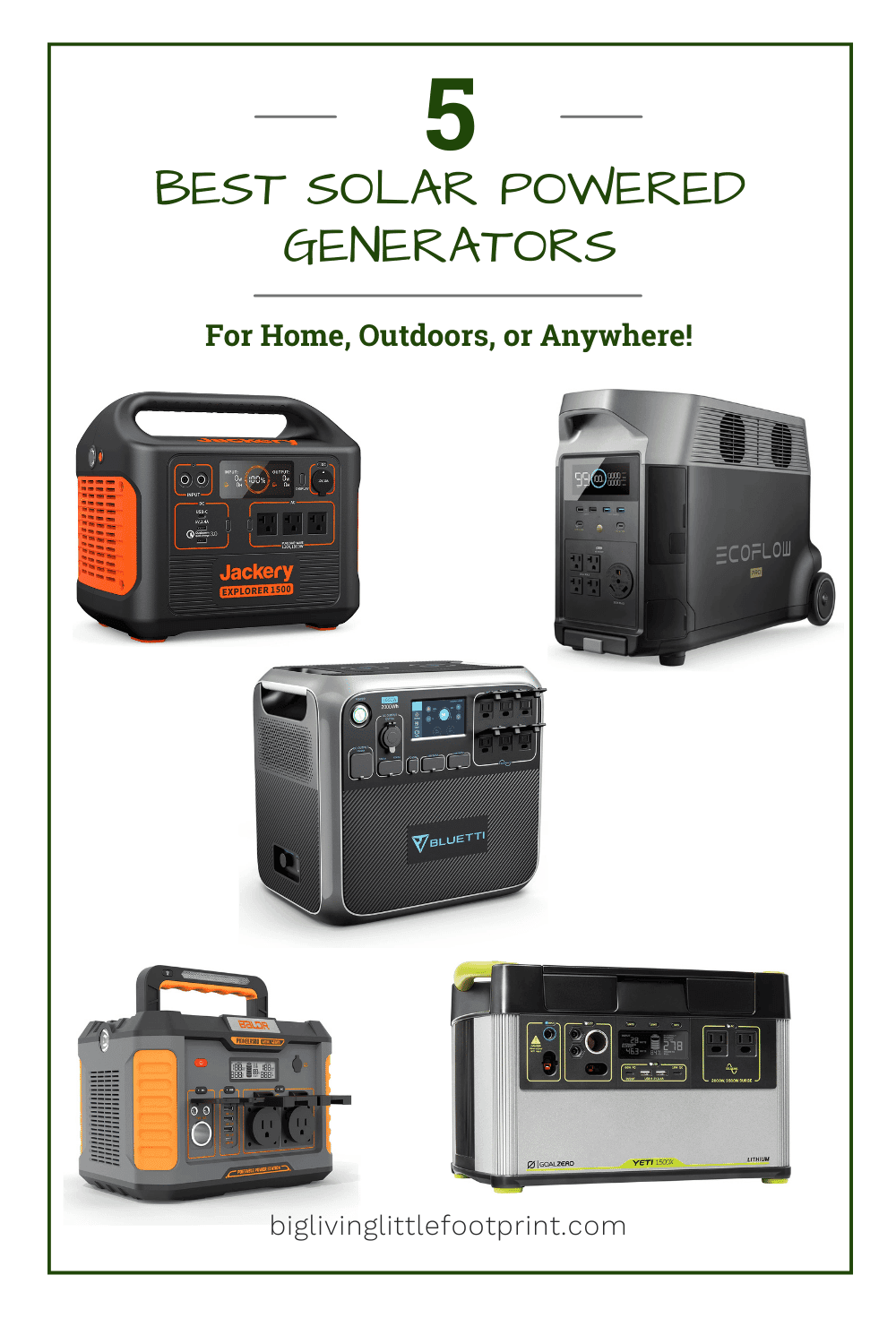
Are you torn between choosing solar power or a generator for your energy needs? You’re not alone.
Many people find themselves weighing the pros and cons of these two options. Each has its unique benefits and drawbacks, and the right choice can significantly impact your lifestyle, budget, and the environment. We’ll break down the key factors you need to consider before making a decision.
By the end, you’ll have a clearer understanding of which option aligns best with your needs and values. So, let’s dive into the details and help you make an informed choice that suits your lifestyle!
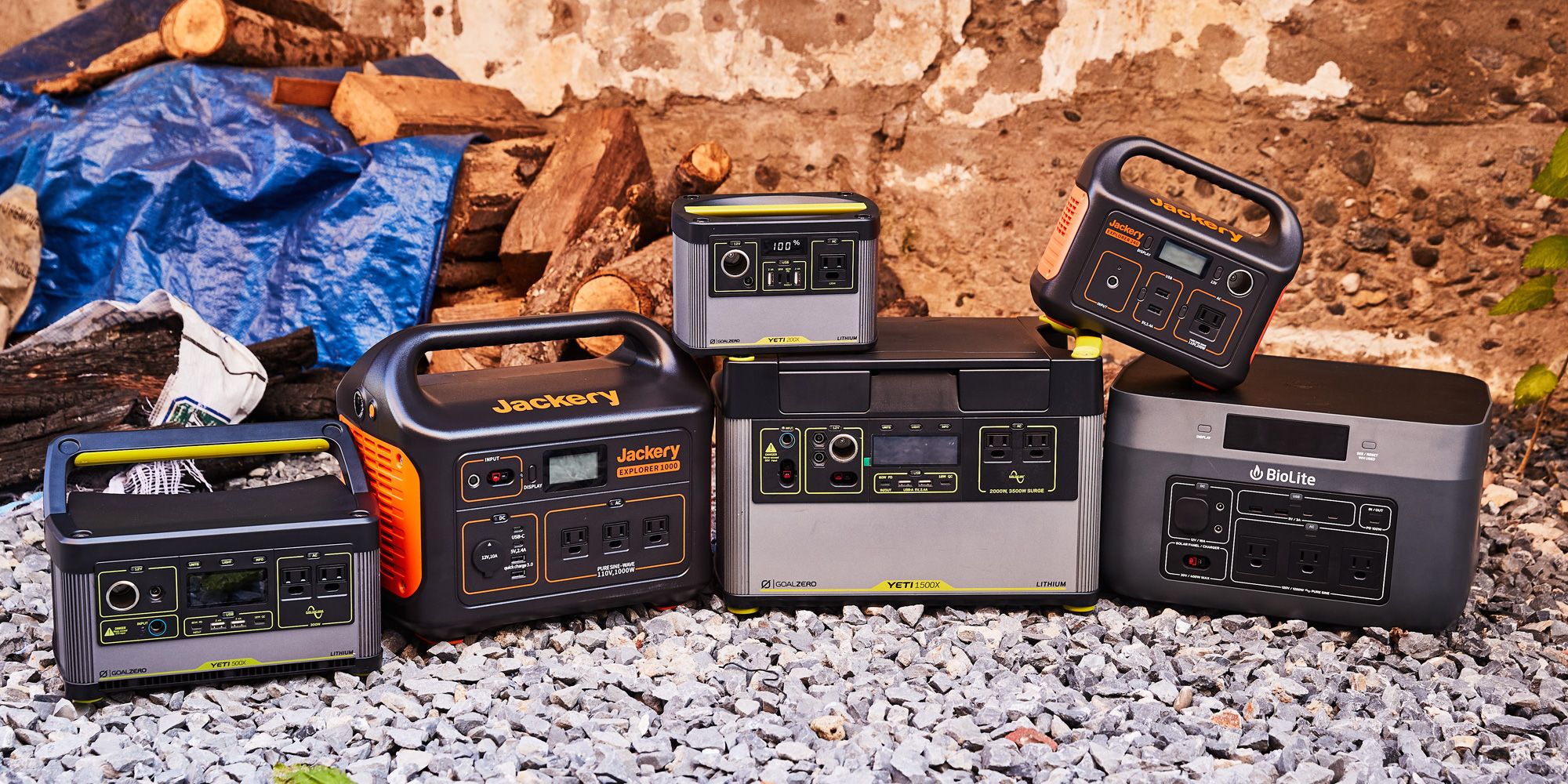
Credit: www.popularmechanics.com
Solar Vs Generator: Key Differences
Choosing between solar power and generators depends on your needs. Solar energy is clean and renewable, while generators provide instant power. Each option has pros and cons, affecting cost, maintenance, and usage. Understanding these key differences helps in making the right choice for your situation.
Understanding the key differences between solar energy systems and generators can help you make an informed decision for your energy needs. Each option has its unique advantages and drawbacks. Let’s dive into the specifics to help you choose what’s best for you.Energy Source And Sustainability
Solar panels harness energy from the sun, making them a renewable source of energy. This means they have a minimal environmental impact and can significantly reduce your carbon footprint. On the other hand, generators typically run on fossil fuels, such as gasoline or diesel. This reliance on non-renewable resources contributes to pollution and can lead to resource depletion over time. Choosing solar means investing in a sustainable future. You can generate electricity for years without the need for constant refueling, while generators may require regular fuel purchases and maintenance.Performance In Various Conditions
Solar systems perform best in sunny conditions but can still generate power on cloudy days. However, efficiency drops significantly without direct sunlight. Generators, in contrast, can operate effectively in any weather. They provide a reliable power source during storms or extended periods of overcast skies. Consider your location and typical weather patterns. If you live in a sunny area, solar may be ideal. If your region experiences frequent storms or power outages, a generator might be more suitable.Suitability For Different Applications
Solar energy systems are excellent for long-term applications. They are perfect for powering homes, RVs, or off-grid cabins. Once installed, your ongoing costs are minimal, mainly for maintenance. Generators shine in short-term situations. They are great for emergency power during outages or for outdoor activities like camping. However, they require ongoing fuel expenses and maintenance. Think about how you will use your energy source. Are you looking for a long-term solution or something for occasional use? Your needs will guide your choice between solar and generators.Cost Analysis
Understanding the costs of solar energy and generators is important. Each option has its own expenses. This section will break down the costs involved in both choices.
Initial Investment
The initial investment for solar panels is higher. You pay for the panels, installation, and permits. Costs can range from a few thousand to tens of thousands of dollars. It depends on your energy needs and location.
Generators usually have a lower upfront cost. Portable generators can start under a thousand dollars. Bigger standby generators will cost more, but still less than solar setups.
Maintenance Expenses
Maintenance for solar panels is generally low. Panels need cleaning and occasional inspections. Most systems last 25 years or more.
Generators require more upkeep. You need to change oil, replace filters, and check fuel. Regular maintenance is crucial to keep them running. This can add to your overall costs.
Long-term Savings
Solar energy can save you money over time. After the initial investment, energy from the sun is free. You may even sell excess energy back to the grid.
Generators can be costly in the long run. They need fuel to operate. Fuel costs can add up, especially during long outages. This can lead to higher overall expenses.
Environmental Impact
The choice between solar and generators has important environmental effects. Each option carries its own set of benefits and drawbacks. Understanding these impacts helps in making a responsible decision.
Carbon Footprint
Solar energy produces minimal carbon emissions. It uses sunlight, a clean and renewable resource. Generators, on the other hand, burn fossil fuels. This process emits significant amounts of carbon dioxide.
Higher carbon emissions contribute to climate change. Reducing our carbon footprint is vital for a healthier planet. Choosing solar energy can greatly lower personal emissions.
Noise Pollution
Solar panels operate silently. They do not create noise while generating electricity. This makes them a great choice for quiet areas.
Generators, however, are often loud. They produce constant noise during operation. This can disturb both people and wildlife nearby.
Reducing noise pollution improves quality of life. Solar energy offers a peaceful alternative.
Resource Depletion
Solar energy relies on sunlight, an abundant resource. It does not deplete natural resources. Once installed, solar panels can last for decades.
Generators depend on fossil fuels. These resources are finite and can run out. Extracting these fuels can harm the environment.
Choosing solar helps preserve natural resources. It supports a sustainable future for everyone.
Ease Of Use And Installation
Solar panels are easy to set up and use. Most systems require simple mounting and connections. Generators need fuel and regular maintenance. This can make them less user-friendly. Consider your needs when choosing between solar and generators.
Choosing between solar power and a generator often boils down to ease of use and installation. You want a solution that doesn’t complicate your life. Let’s break down what it really takes to set up and operate both options.Setup Complexity
Setting up a solar power system can seem daunting at first. However, modern solar kits are designed for simplicity. Many systems come with clear instructions and everything you need to get started. On the other hand, a generator is often straightforward to set up. You typically just need to find a flat, dry area and connect the fuel. But consider this: how often will you need to move it? If portability is a factor, a generator may require more ongoing effort.Operational Requirements
Once your solar system is installed, it largely runs itself. You can enjoy free electricity without worrying about fuel. Maintenance is minimal, often limited to cleaning the panels occasionally. Generators, however, require regular attention. You need to monitor fuel levels, change oil, and conduct routine checks. This can become a hassle, especially during emergencies when you need them most.User Accessibility
Solar systems are becoming more user-friendly, even for those with limited technical skills. Many have apps that let you monitor energy production from your phone. This accessibility can empower you to understand and manage your energy needs better. Generators, while easy to use, can be noisy and disruptive. If you have neighbors close by, running a generator might not be the best option. Consider how you would feel about the noise during a power outage—would it be a source of stress or comfort? Overall, both solar power and generators have their pros and cons when it comes to ease of use and installation. Your choice should reflect what aligns best with your lifestyle and needs.Reliability And Efficiency
Choosing between solar power and generators is important. Reliability and efficiency are key factors. Each option has its strengths. Understanding these can help you make the right choice.
Power Output Consistency
Solar panels generate power from sunlight. Their output can vary with weather. On cloudy days, production drops. This can affect your energy needs.
Generators provide steady power. They run on fuel like gasoline or diesel. This gives a consistent output, rain or shine. This reliability is crucial for many users.
Durability Over Time
Solar systems have few moving parts. They can last over 25 years with proper care. Maintenance is minimal. This makes them a long-term investment.
Generators can wear out faster. They need regular maintenance and fuel. Over time, parts may need replacement. This can add to overall costs.
Adaptability In Emergencies
Solar power works best with sunlight. In emergencies, cloudy skies can be a problem. Energy storage systems help but can be limited.
Generators are reliable in emergencies. They can run on fuel, regardless of conditions. This makes them more adaptable when power is critical.
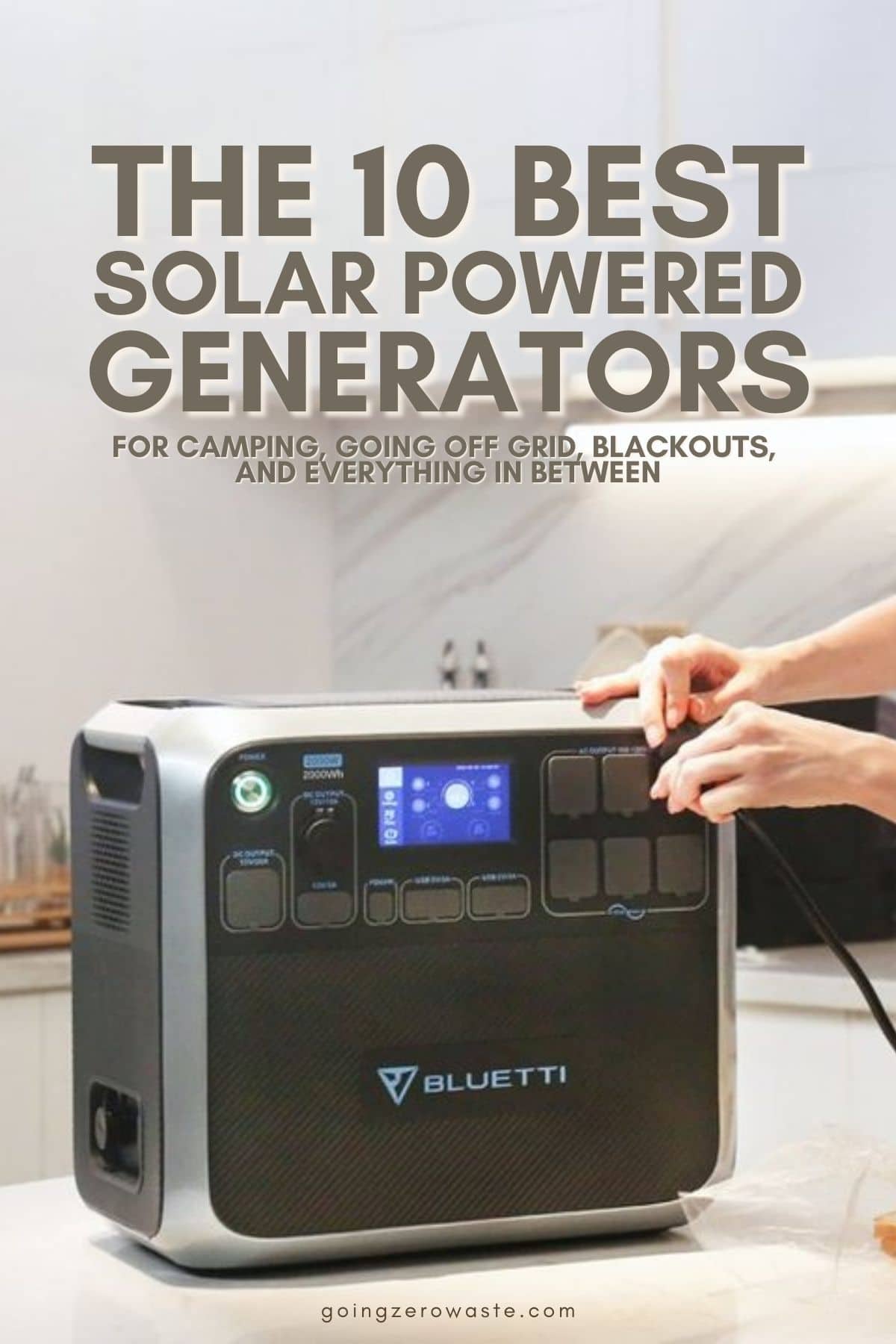
Credit: www.goingzerowaste.com
Scalability For Future Needs
Thinking about future energy needs is important. Both solar systems and generators have unique ways to grow. Understanding scalability helps in making the right choice. Let’s explore how each option adapts to future demands.
Expanding Capacity
Solar energy systems can grow easily. You can add more panels as your needs change. This makes solar a smart choice for homeowners. Generators can also expand, but it often requires new units. This can be costly and complicated.
Integration With Smart Systems
Solar systems work well with smart home technology. They can connect to devices that monitor energy use. This allows for better management of power. Generators may not have this feature. They usually operate independently, which limits their efficiency.
Flexibility In Growth
Solar systems offer great flexibility. You can choose to increase capacity gradually. This makes it easier to manage costs. Generators often need larger investments for upgrades. This can be a barrier for many users.
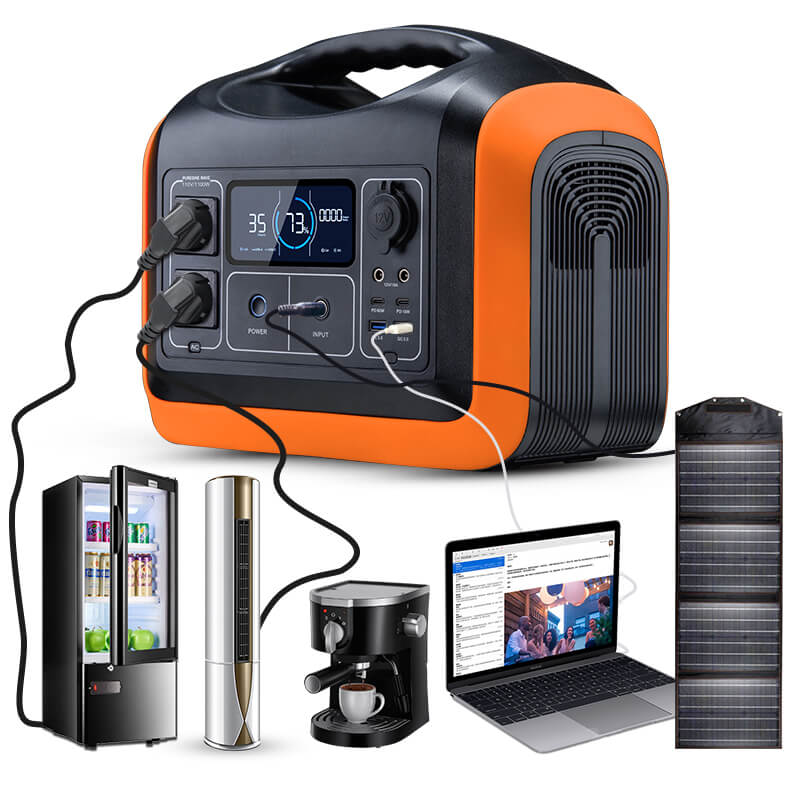
Credit: www.daranener.com
Frequently Asked Questions
Which Is More Efficient: Solar Or Generator?
Solar energy systems are generally more efficient over the long term. They convert sunlight into electricity without fuel costs. Generators, on the other hand, rely on fuel and may require regular maintenance. Solar panels can produce energy even in cloudy conditions, making them a reliable choice for sustainable power.
What Are The Costs Of Solar Vs. Generator?
The initial cost of solar panels is higher than that of a generator. However, solar systems can lead to significant savings on energy bills over time. Generators incur ongoing fuel costs, which can add up quickly. Consider both installation and maintenance when evaluating overall expenses.
Which Lasts Longer: Solar Panels Or Generators?
Solar panels typically have a lifespan of 25 years or more. Generators often have a shorter lifespan, ranging from 10 to 15 years, depending on usage and maintenance. Solar technology also requires less frequent maintenance. This longevity makes solar an attractive long-term investment for energy needs.
Can I Use Solar And A Generator Together?
Yes, you can use both solar and a generator in tandem. This setup can provide a reliable power source, especially in emergencies. Solar panels can charge batteries, while the generator serves as a backup. Combining both options maximizes energy availability and enhances overall efficiency.
Conclusion
Choosing between solar and generators depends on your needs. Both options have pros and cons. Solar energy is eco-friendly and can save money long-term. Generators provide reliable power during emergencies. Think about your budget, space, and energy needs. Each choice has its benefits.
Weigh them carefully before deciding. Energy independence is valuable. Make an informed choice for your lifestyle. The right option will enhance your quality of life. Consider all factors and take the step that suits you best. Your energy solution awaits.