
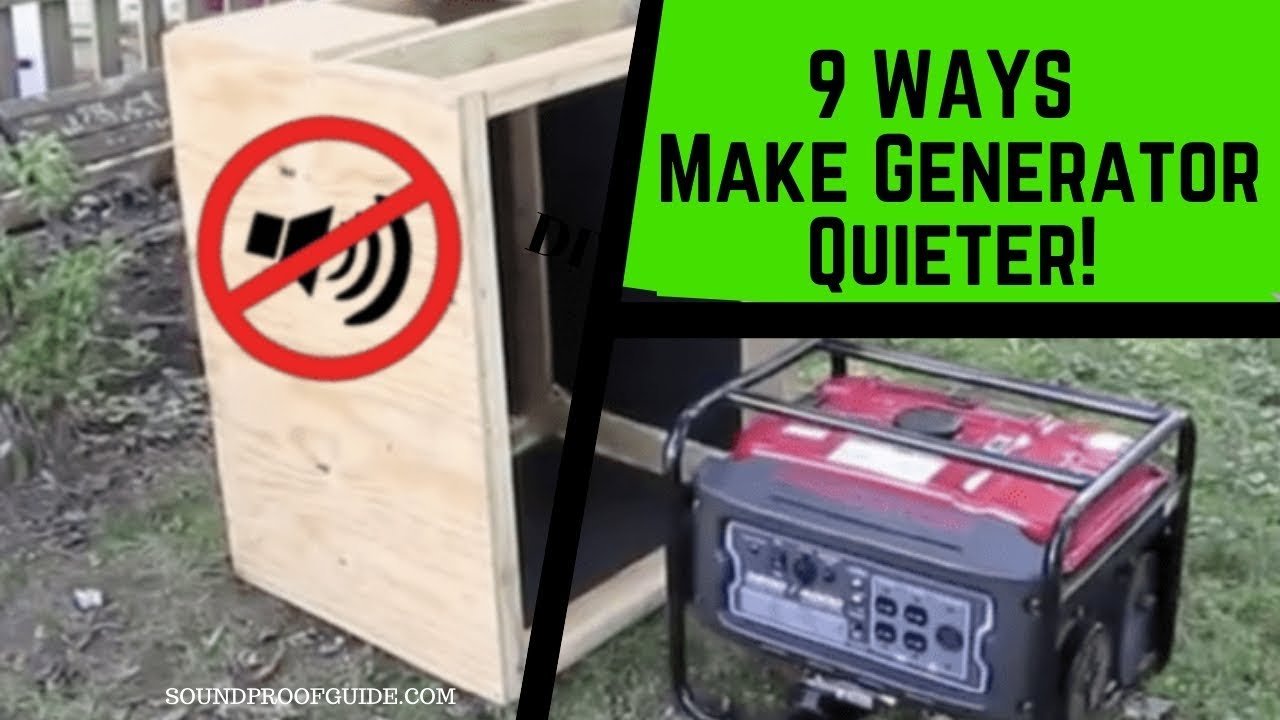
Are you tired of the noisy generator that disrupts your peace? You’re not alone.
Many people struggle with the loud hum of their generators, especially during camping trips or power outages. Fortunately, there are effective ways to make your generator silent or at least much quieter. Imagine enjoying the great outdoors or working from home without the constant roar in the background.
In this guide, you’ll discover practical tips and tricks to reduce noise levels, enhance your comfort, and even extend the life of your generator. Keep reading to transform your noisy machine into a quieter companion!
Soundproofing Techniques
Reducing generator noise can improve comfort. Soundproofing techniques help achieve this goal. You can use several methods to minimize sound effectively.
Acoustic Enclosures
Acoustic enclosures are boxes that surround the generator. They absorb sound waves and reduce noise. Choose a sturdy material for the enclosure. Heavy plywood or metal works well.
Ensure the enclosure has ventilation. Generators need airflow to operate safely. Use sound-absorbing foam inside the enclosure. This will further reduce noise levels.
Insulation Materials
Using insulation materials can help dampen sound. Materials like fiberglass or mineral wool work best. Install these materials around the generator. Cover walls, floors, and ceilings where possible.
Seal any gaps or openings. Even small spaces can let sound escape. This will make your soundproofing more effective.
Placement Strategies
Where you place your generator matters. Position it away from living spaces. Keep it at least 20 feet from your home. This distance can significantly lower noise levels.
Consider placing the generator on a soft surface. Grass or gravel absorbs sound better than concrete. Use barriers like fences or shrubs. They can block noise from reaching your home.
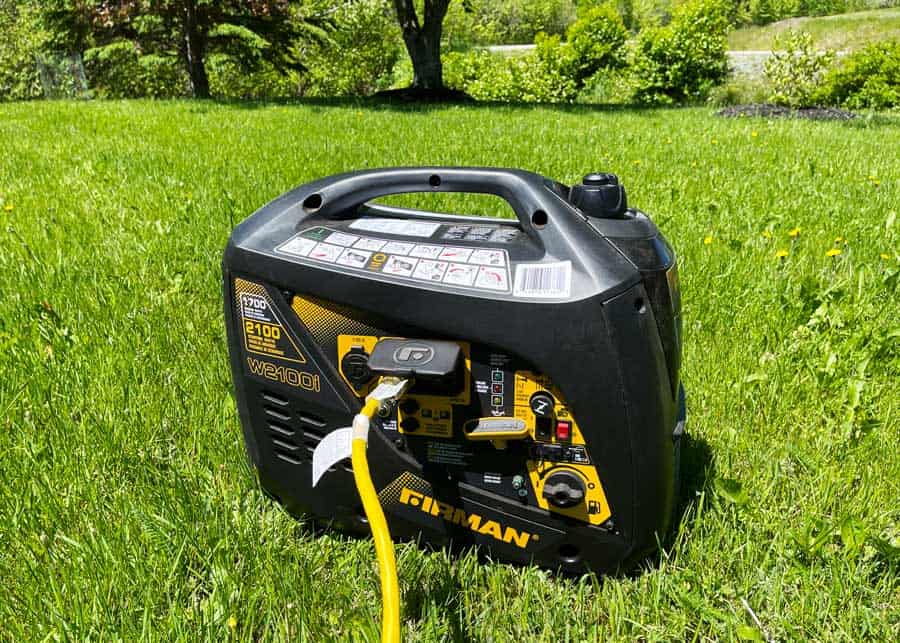
Credit: gudgear.com
Maintenance Tips
Proper maintenance is key to making a generator silent. Simple steps can reduce noise and improve performance. Regular upkeep keeps your generator running smoothly. It also extends its life. Follow these tips for better maintenance.
Lubrication For Moving Parts
Lubrication is essential for reducing friction. Friction leads to noise and wear. Use high-quality oil for your generator. Check the oil level regularly. Add oil as needed to keep parts moving smoothly.
Follow the manufacturer’s guidelines for lubrication. Apply oil to the engine and other moving parts. This reduces noise and helps the generator run quietly.
Tightening Loose Components
Loose parts can cause vibrations. Vibrations lead to louder operation. Regularly check all screws, bolts, and nuts. Tighten any loose components you find. This simple step can significantly lower noise levels.
A well-secured generator runs more quietly and efficiently. Make it a habit to inspect these parts often.
Regular Inspection
Inspection is crucial for maintenance. Look for signs of wear and tear. Check filters, belts, and hoses for damage. Replace any worn parts immediately.
A clean generator operates better. Remove dirt and debris from the unit. Regular cleaning helps maintain a quiet operation. Schedule inspections at least once a month.
Upgrading Components
Making a generator silent can be achieved by upgrading its components. These improvements reduce noise levels. They can enhance your generator’s performance, too. Here are key upgrades to consider.
Muffler Installation
A good muffler is essential for noise reduction. It controls the exhaust sound effectively. Choose a high-quality muffler designed for your generator type.
Install the muffler according to the manufacturer’s instructions. Ensure tight connections to prevent leaks. A well-fitted muffler can cut noise significantly.
Advanced Noise Filters
Advanced noise filters can further reduce sound output. These filters work by absorbing sound waves. Look for filters made from durable materials.
Install these filters in the generator’s air intake. This placement helps reduce noise while maintaining airflow. Regular maintenance keeps them effective.
Vibration Dampers
Vibration dampers minimize the noise created by vibrations. These dampers can be placed under the generator. They absorb vibrations and prevent sound from spreading.
Choose dampers that match your generator’s size and weight. Proper installation ensures maximum effectiveness. This small upgrade can make a big difference.
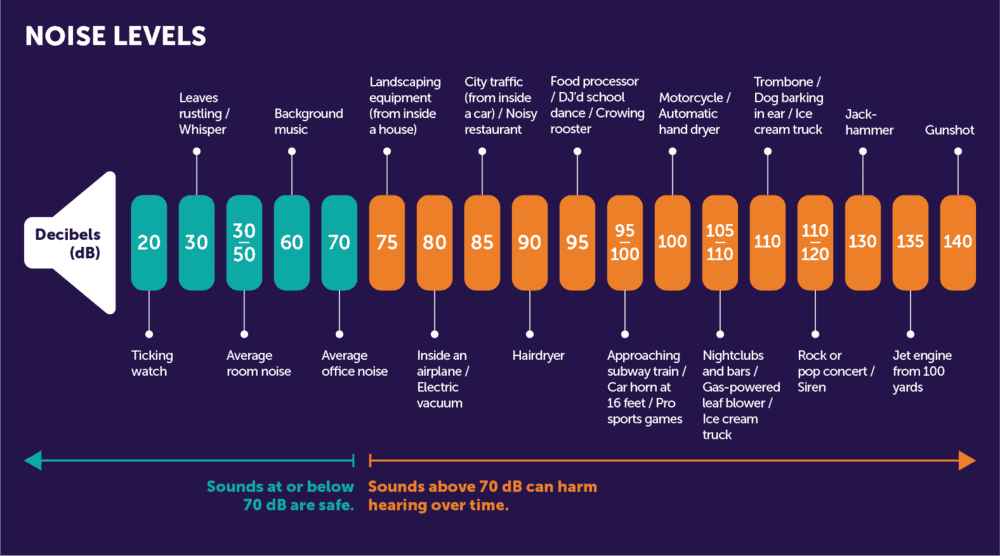
Credit: www.ecoflow.com
Optimizing Location
Choosing the right location for your generator can greatly reduce noise. Placing it on a flat surface, away from living spaces, helps. Use soundproof enclosures or barriers to minimize sound further.
Optimizing the location of your generator can significantly reduce noise levels. By strategically placing your generator, you can protect your peace while still enjoying its benefits. Here’s how to make the most of your generator’s location.Distance From Living Areas
Position your generator at a reasonable distance from your home and outdoor living spaces. A good rule of thumb is to keep it at least 20 to 30 feet away. This simple adjustment can make a noticeable difference in the noise you experience. Consider the layout of your property. If you have a large yard, take advantage of that space. If your generator is too close, you may hear it more than you’d like, disrupting your relaxation or family gatherings.Natural Barriers
Using natural barriers can help to absorb and deflect sound. Trees, bushes, and fences can act as effective sound barriers. Planting dense shrubs around your generator can create a buffer that softens the noise. Think about the terrain as well. A slight hill can further shield the sound from reaching your home. If you have the option, try to situate your generator behind existing structures or natural features.Proper Elevation
Elevation plays a critical role in noise reduction. Placing your generator on a raised platform can help direct the sound away from your living spaces. This setup can also prevent noise from bouncing off the ground and back toward your home. Consider the height of your generator as well. If it’s higher than nearby structures, the sound is less likely to travel down into your yard. Evaluate your property and find the most beneficial elevation for your generator placement. Optimizing your generator’s location is a practical step toward achieving a quieter environment. Are you ready to make these adjustments for a more peaceful outdoor experience?Using External Noise Barriers
External noise barriers can effectively reduce generator sounds. These barriers block and absorb noise, creating a quieter environment. Placing barriers around your generator helps keep the peace at home or work.
Using external noise barriers is one of the most effective ways to reduce the sound from your generator. These barriers can help create a more peaceful environment, especially in residential areas where noise can disrupt your daily life. Let’s look at some practical solutions you can implement to make your generator quieter.Walls And Fences
Building a solid wall or fence around your generator can significantly dampen the noise. Opt for materials like concrete or brick, as they provide excellent sound insulation. Consider adding height to your fence. A taller barrier can block sound waves more effectively. If a full wall isn’t feasible, even a well-placed fence can make a noticeable difference. You might also think about positioning your generator closer to the wall or fence. This will allow the barrier to absorb more sound before it reaches your living area.Sound Absorbing Panels
Installing sound-absorbing panels is another smart approach. These panels are designed specifically to absorb sound waves, reducing noise levels. Look for panels made from foam or other soft materials. They can be mounted on nearby walls or fences to increase their effectiveness. In my experience, placing these panels strategically around the generator created a noticeable drop in noise. You’ll be amazed at how much quieter it can become with just a few adjustments. If you’re worried about aesthetics, choose panels that blend well with your surroundings.Plant-based Solutions
Using plants as noise barriers is both eco-friendly and visually appealing. Dense shrubs or trees can act as natural sound barriers. Consider planting a row of tall, thick bushes around your generator. This will not only absorb sound but also enhance your yard’s beauty. In my backyard, I planted a few hardy evergreens near my generator. The combination of their height and density has made a significant difference in sound levels. Think about the long-term benefits too. Plants grow and fill out over time, providing even more noise reduction as they mature. Have you thought about how you can creatively use your outdoor space to reduce noise?
Credit: www.youtube.com
Choosing Quiet Generators
Choosing a quiet generator involves selecting models designed for low noise levels. Look for features like sound insulation and quieter engines. Proper placement and maintenance also help reduce noise, making your generator more pleasant to use.
Choosing a quiet generator can significantly enhance your outdoor experience or backup power needs without disturbing your peace. The right model not only keeps the noise level down but also ensures you get the performance you need. Let’s look at some key features to consider when selecting a quiet generator.Inverter Models
Inverter generators are renowned for their quiet operation. These models use advanced technology to produce a cleaner, stable power output, which translates to less noise. They often range from 50 to 60 decibels, making them perfect for camping or tailgating. Many users appreciate how they can run their sensitive electronics without worrying about interference. If you plan to use your generator in a residential area, an inverter model should be at the top of your list.Low Decibel Options
Searching for generators with low decibel ratings can lead you to some excellent choices. Look for models that advertise a noise level of 50 decibels or lower. Several brands offer quiet options, such as the Honda EU2200i and the Yamaha EF2000iSv2. These generators make it easy to enjoy the outdoors without disrupting your surroundings. Consider checking user reviews to see how others have experienced the noise levels in real-world settings.Energy-efficient Designs
Energy-efficient generators not only save on fuel costs but also tend to operate more quietly. These designs optimize power usage, which can contribute to less noise. Models like the Champion 2000-Watt Ultralight Generator are designed with efficiency in mind. They adjust their engine speed based on the load, which keeps noise levels down while maximizing performance. When you think about your power needs, consider how much energy you really require. This can lead you to a quieter, more efficient generator that fits your lifestyle perfectly. What features do you find most important in a generator?Frequently Asked Questions
How Can I Make My Generator Quieter?
To make your generator quieter, consider using soundproofing materials. Install acoustic panels or build a soundproof enclosure. You can also place the generator on a rubber mat to absorb vibrations. Additionally, opt for a quieter generator model designed for low noise output.
What Are The Best Soundproofing Materials For Generators?
The best soundproofing materials for generators include acoustic foam, fiberglass insulation, and mass-loaded vinyl. These materials effectively reduce noise levels. When constructing an enclosure, ensure it allows for proper ventilation. This will help maintain the generator’s efficiency while minimizing sound.
Can I Use A Muffler To Reduce Generator Noise?
Yes, using a muffler can significantly reduce generator noise. A good-quality muffler minimizes exhaust sounds effectively. Ensure that the muffler is compatible with your generator model for optimal performance. Regular maintenance of the muffler is essential for long-lasting noise reduction.
Do Sound Barriers Really Work For Generators?
Sound barriers can effectively reduce generator noise when properly installed. They work by blocking and absorbing sound waves. Choosing the right materials and positioning is crucial for maximum effectiveness. Always check local regulations regarding sound barriers to ensure compliance.
Conclusion
Making your generator silent is easier than you think. Use soundproofing materials to reduce noise. Consider placing the generator in an insulated enclosure. Regular maintenance also helps keep noise levels down. Choose a quieter model if you need a new generator.
Remember, a silent generator makes your space more peaceful. Follow these tips to enjoy a quieter environment. Take action now for a better experience with your generator.