

When the power goes out, having a generator can be a lifesaver. But have you ever wondered if it’s safe to store your generator in the garage?
You’re not alone in this concern. Many people worry about the potential risks and benefits of keeping their generator close at hand. We’ll dive into the important safety considerations you need to know. From carbon monoxide risks to fire hazards, we’ll cover everything that affects your decision.
By the end, you’ll have a clear understanding of whether storing your generator in the garage is right for you. Don’t take any chances with your safety—let’s explore this topic together!

Credit: teagueelectric.com
Safety Concerns
Storing a generator in your garage raises important safety concerns. Generators can pose risks if not handled properly. Understanding these risks helps keep your home safe.
Fire Hazards
Generators can be fire hazards. They produce heat and have fuel sources. If stored near flammable items, a fire can start easily. Keep fuel containers away from the generator.
Check for leaks. A small leak can lead to big problems. Always store the generator on a stable surface. This reduces the risk of tipping or spilling fuel.
Carbon Monoxide Risks
Carbon monoxide is a serious danger. Generators emit this gas when running. Storing a generator in a closed garage can trap carbon monoxide inside.
This gas is colorless and odorless. It can cause illness or even death. Never run a generator inside your garage. Always use it outdoors, far from windows and doors.
Proper Ventilation
Ventilation is key for safety. A well-ventilated area reduces gas buildup. Open windows and doors when using a generator.
Avoid storing the generator in tight spaces. Ensure air can flow freely around it. This practice helps prevent dangerous situations.
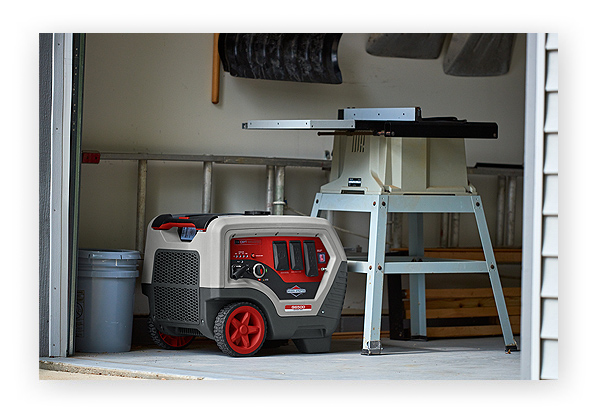
Credit: www.briggsandstratton.com
Generator Storage Guidelines
Storing a generator in a garage can be risky. Generators produce carbon monoxide, a dangerous gas. Always ensure proper ventilation. Keep fuel containers away from heat sources. Regularly check for leaks. Follow safety protocols to protect your home and family.
Storing your generator properly is crucial for safety and longevity. Whether you’re preparing for a storm or just need backup power, knowing how to store your generator can prevent accidents and maintain its functionality. Here are essential Generator Storage Guidelines to keep your equipment safe and ready for action.Fuel Handling Tips
Proper fuel handling is a must. Always store fuel in approved containers. This reduces the risk of leaks and accidental spills. Make sure to fill your generator with fresh fuel. Old fuel can cause engine problems when you need it most. Use a fuel stabilizer if you’re planning to store fuel for an extended period. This can help prolong its life and maintain engine performance.Distance From Combustibles
Keep your generator at least five feet away from any flammable materials. This includes boxes, tools, or anything that could catch fire easily. Consider the ventilation in your garage. Generators produce carbon monoxide, which can be dangerous. Ensure there’s adequate airflow to disperse any harmful gases. If possible, store your generator outside, away from your home, to minimize risk. If you must keep it in the garage, make sure it’s in a well-ventilated area.Securing The Generator
Secure your generator to prevent theft. Use a heavy-duty lock or chain to attach it to a fixed object, like a wall or a sturdy shelf. Check your local regulations regarding generator storage. Some areas have specific guidelines you must follow. Regular maintenance checks are essential. Inspect the generator for any signs of wear and tear before storing it. This way, you ensure it’s always ready for use when you need it. Are you prepared to keep your generator safe and functional? Taking these steps can make all the difference in an emergency.Garage Setup Recommendations
Storing a generator in your garage can be safe. Proper setup is key. Follow these recommendations to ensure safety. Pay attention to temperature, space, and electrical safety.
Temperature Control
Generators need a stable environment. Extreme heat or cold can harm them. Keep the garage temperature moderate. A range of 32°F to 100°F works well.
Avoid placing the generator near heaters or vents. This prevents overheating. Consider using a fan for ventilation in warmer months.
Dedicated Storage Space
Designate a specific area for your generator. Keep it away from flammable materials. Store it on a stable surface to prevent tipping.
Use a cover to protect it from dust and moisture. This helps maintain its condition. Ensure easy access for maintenance and operation.
Electrical Safety Precautions
Electrical safety is crucial. Never plug the generator into a wall outlet. Use proper extension cords rated for your generator’s output.
Ensure all cords are in good condition. Damaged cords can lead to fires. Install a carbon monoxide detector in the garage. This adds an extra layer of safety.

Credit: www.youtube.com
Maintenance Practices
Keeping your generator in good shape is important. Regular maintenance helps it run well. Follow these practices to ensure safety and efficiency.
Regular Cleaning
Cleaning your generator is essential. Dust and dirt can harm its parts. Use a soft cloth to wipe the exterior. Make sure to remove any debris around it. Check the air filter regularly. Replace it if it’s dirty. A clean generator works better and lasts longer.
Checking For Leaks
Inspect your generator for leaks often. Look for any signs of fuel or oil leaks. Even small leaks can be dangerous. If you find a leak, fix it right away. This helps prevent fire hazards. Keeping your generator leak-free is a key safety step.
Battery Care
Battery care is crucial for your generator. Check the battery connections regularly. Make sure they are tight and free of corrosion. Clean any buildup with a brush. Test the battery voltage to ensure it is strong. Replace the battery if it shows signs of weakness.
Alternatives To Garage Storage
Storing a generator in a garage raises safety concerns. Fumes from the generator can accumulate and create fire hazards. Instead, consider outdoor storage options or dedicated sheds to keep your generator safe and accessible. Always prioritize safety when deciding where to store your equipment.
Storing a generator in your garage might seem convenient, but there are safer alternatives to consider. Finding the right storage solution can enhance safety and prolong the life of your generator. Here are some options to keep your generator secure and accessible.Outdoor Storage Units
Outdoor storage units provide a secure environment for your generator. These units are often weather-resistant, keeping your generator protected from the elements. You can rent a unit specifically designed for outdoor equipment. Many facilities offer 24/7 access, allowing you to retrieve your generator whenever you need it. Consider the size of the unit. Ensure it’s spacious enough for your generator and any additional accessories.Sheds And Enclosures
Building a shed or enclosure can be a practical storage solution. A dedicated space keeps your generator safe and organized. Look for materials that withstand harsh weather. Metal or treated wood can offer better protection and durability. Adding ventilation is crucial. Proper airflow prevents moisture buildup and minimizes the risk of rust or mildew.Portable Generator Covers
Using a portable generator cover is an easy way to protect your generator outdoors. Covers shield your generator from rain, snow, and UV rays. Choose a cover that fits snugly and is made from durable materials. This investment can significantly extend the lifespan of your generator. Remember to store your generator in a dry area when not in use. Combining a cover with other storage solutions can enhance safety and convenience. Have you considered which of these options would work best for you? Each choice has its benefits, and the right one depends on your specific needs and space.Frequently Asked Questions
Is It Safe To Keep A Generator In The Garage?
Storing a generator in the garage can be risky. Generators produce carbon monoxide, a dangerous gas. Proper ventilation is crucial to prevent buildup. If you must store it indoors, ensure the garage is well-ventilated and never run it inside.
What Are The Risks Of Storing A Generator Indoors?
The primary risk of indoor storage is carbon monoxide poisoning. This gas is odorless and can be lethal in high concentrations. Additionally, flammable materials may ignite from the generator’s heat. Always prioritize safety by following guidelines for indoor storage.
How To Safely Store A Generator In A Garage?
To safely store a generator, ensure it’s turned off and cool. Keep it away from flammable materials and ensure proper ventilation. Consider using a carbon monoxide detector to monitor gas levels. Regularly check the generator for maintenance and functionality.
Can A Generator Be Used In A Closed Garage?
No, using a generator in a closed garage is extremely dangerous. It can lead to carbon monoxide accumulation, posing serious health risks. Always operate the generator outdoors, at least 20 feet away from windows and doors, to ensure safety.
Conclusion
Storing a generator in your garage can be safe, but take precautions. Keep it well-ventilated to avoid gas build-up. Ensure it is cool and dry to prevent rust. Always store fuel in proper containers. Check local laws for safety guidelines.
Regular maintenance keeps your generator in good shape. Think about safety first. With the right care, you can store your generator safely. Always prioritize safety and make informed choices. Your garage can be a suitable place with the right steps.