
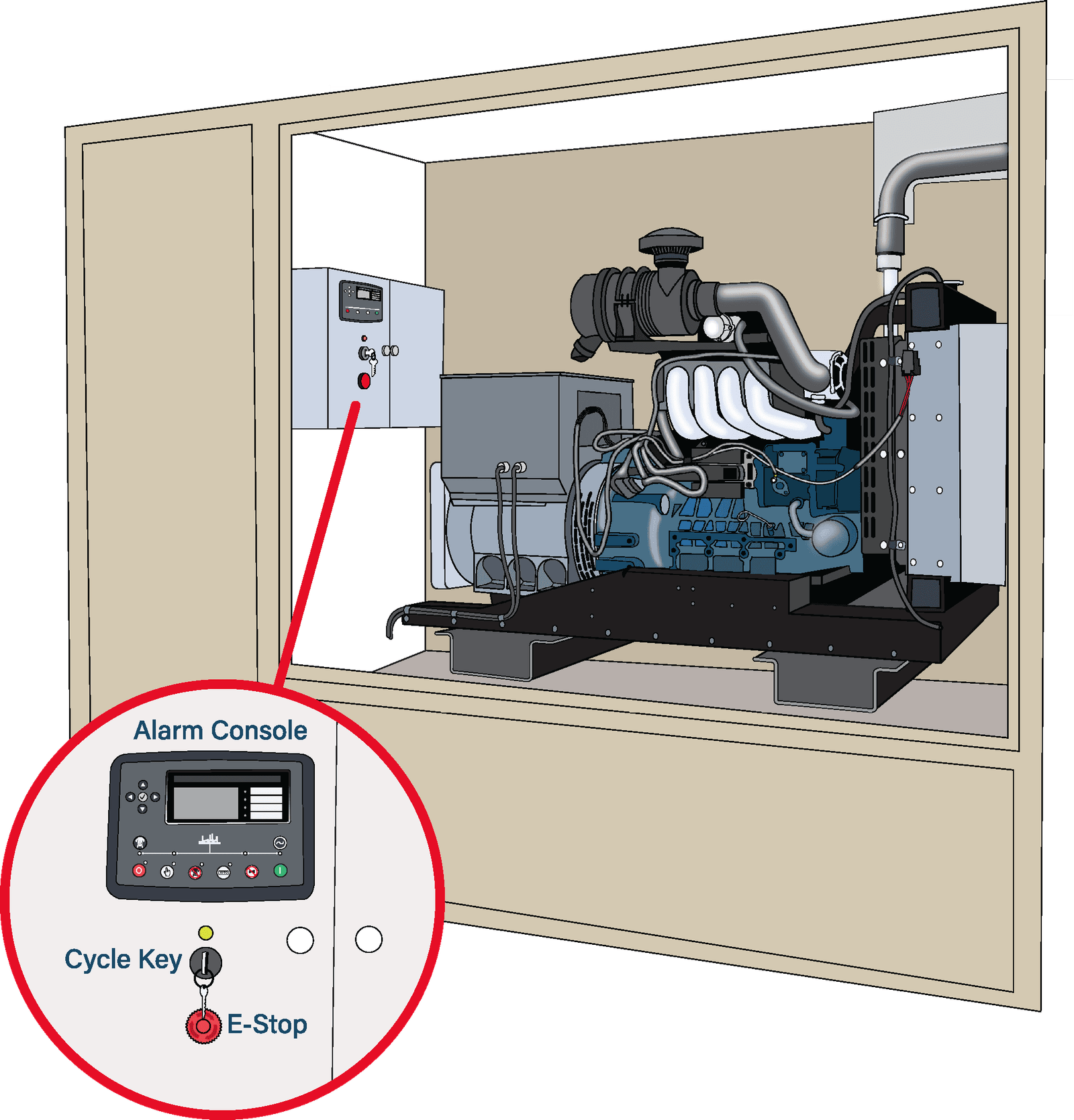
When your generator suddenly stops working, it can be frustrating and stressful. You rely on it for power during outages or for outdoor events, so knowing how to troubleshoot it is essential.
In this guide, you’ll learn practical steps to identify and fix common generator issues. Whether you’re a seasoned user or a first-time owner, you’ll find valuable tips that can save you time and money. Keep reading to discover how to get your generator back up and running smoothly.
Don’t let a simple problem leave you in the dark!
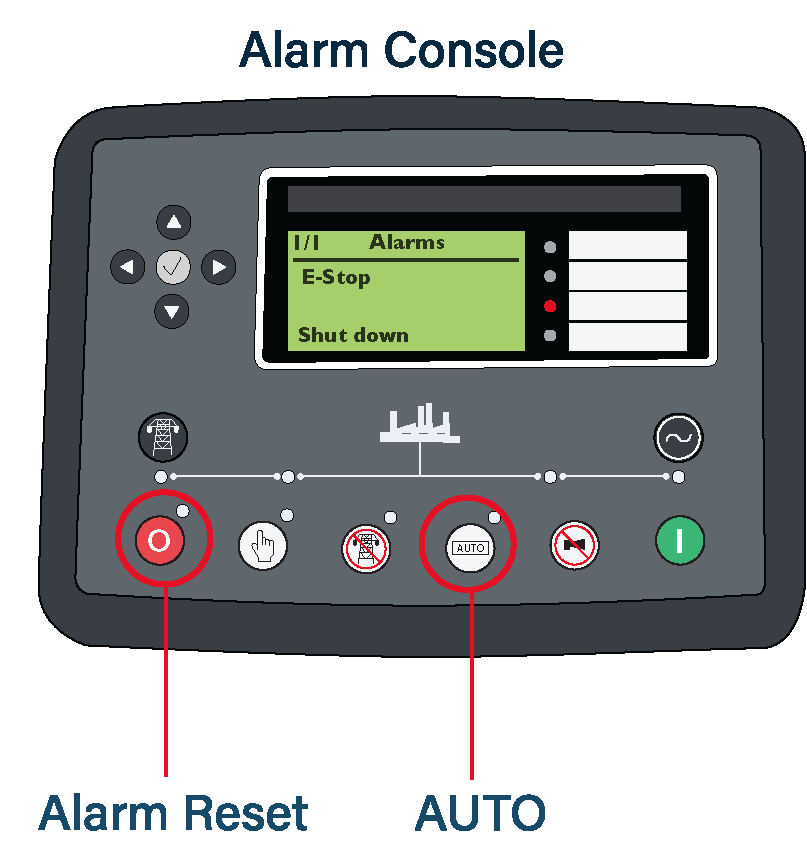
Credit: www.hcienergy.com
Common Generator Problems
Generators can face various issues, from fuel problems to electrical faults. Troubleshooting involves checking fuel levels, inspecting the battery, and examining connections. Identifying these common problems helps keep your generator running smoothly.
Understanding common generator problems can save you time and frustration. Whether you rely on a generator for backup power during outages or for outdoor activities, knowing what issues to look for can help you troubleshoot effectively. Here are some frequent problems you might encounter and how to tackle them.Generator Won’t Start
A generator that won’t start can be one of the most frustrating issues. First, check the fuel level. It’s easy to overlook, but an empty tank is a common culprit. Next, inspect the battery. If it’s dead or not connected, the generator won’t turn on. Also, examine the oil level. Low oil can trigger safety features that prevent starting.Low Power Output
Experiencing low power output can be concerning. Start by checking the load on your generator. If you’re trying to power too many devices, it simply may not be able to handle it. Inspect the spark plug for wear and tear. A dirty or faulty spark plug can lead to reduced power. Cleaning or replacing it might do the trick. Additionally, ensure the air filter is clean. A clogged filter restricts airflow, causing performance issues.Strange Noises Or Vibrations
Unusual noises or vibrations signal that something might be wrong. Listen closely. A rattling sound could indicate loose components, while a grinding noise often points to internal issues. Check the generator’s mounting. Loose mounts can lead to excessive vibration. Tightening them may resolve the issue. Don’t ignore these sounds; they often hint at more significant problems that could lead to costly repairs.Overheating Issues
Overheating can damage your generator significantly. Start by ensuring that the cooling vents are clear. Blocked vents can trap heat, leading to overheating. Monitor the oil level and quality. Old or low oil can cause the engine to run hot. Changing the oil regularly helps maintain optimal temperatures. Finally, check the load once again. Running the generator at maximum capacity can lead to overheating. Are you pushing it too hard? Taking these steps can help you keep your generator in top shape. Regular maintenance and quick troubleshooting can extend its life and ensure reliable performance.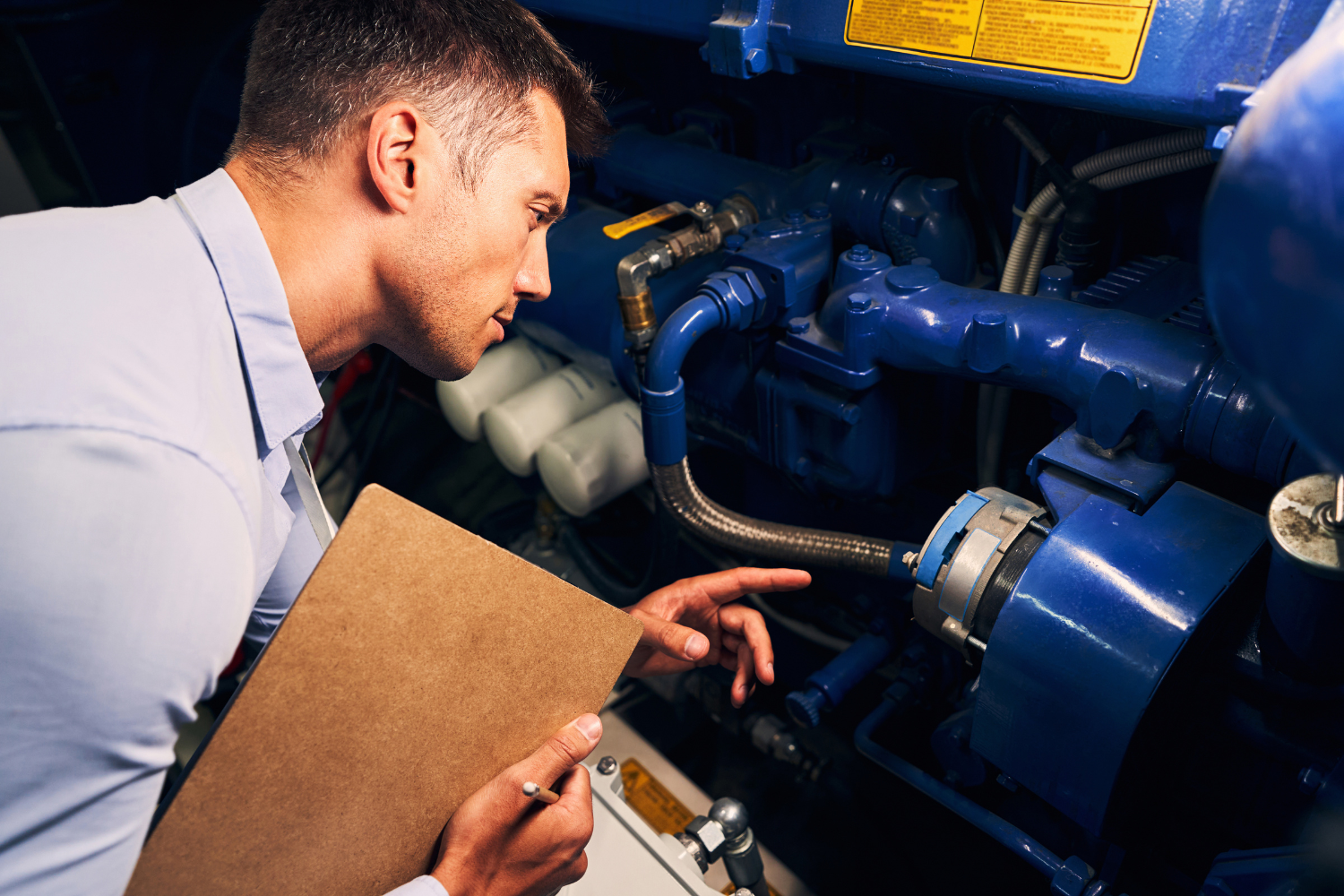
Credit: swiftequipment.com
Preliminary Checks
Before diving into complex repairs, start with simple checks. These preliminary steps can save time and effort. They often reveal common issues that are easy to fix.
Inspect Fuel Levels
First, check the fuel tank. Make sure there is enough fuel. Low fuel can stop your generator from running.
Look for any signs of old or contaminated fuel. Using fresh fuel is important for smooth operation.
Check Battery Connections
Next, examine the battery. Ensure connections are tight and clean. Corroded connections can cause starting problems.
Look for any loose wires. Tighten them if needed. A strong battery is crucial for generator performance.
Verify Oil And Coolant Levels
Lastly, check oil and coolant levels. Low oil can damage the engine. Always use the right type of oil.
Coolant prevents overheating. Make sure it is filled to the proper level. Regular checks can extend the life of your generator.
Electrical Component Issues
Generator problems often stem from electrical components. Check the battery, fuel supply, and connections first. Simple troubleshooting steps can help identify and fix these issues quickly.
Electrical component issues can be the root of many generator problems. Understanding how to troubleshoot these components can save you time and money. Here’s a breakdown of key areas to examine.Examine Circuit Breakers
Start with your circuit breakers. These are your first line of defense against electrical overloads. – Check if any breakers have tripped. If they have, reset them and monitor the generator’s performance. – Look for any signs of damage or burning. A damaged breaker needs immediate replacement to avoid further issues. If you notice frequent trips, your generator may be overloaded. Consider reducing the connected load or upgrading your generator.Inspect Wiring And Connections
Next, inspect the wiring and connections throughout your generator. Loose or frayed wires can lead to poor performance and safety hazards. – Ensure all connections are tight and corrosion-free. Corroded terminals can disrupt the electrical flow. – Look for any signs of wear or damage. If you find any faulty wiring, replace it promptly to maintain your generator’s efficiency. Have you ever experienced a sudden loss of power while using your generator? Often, it could be linked to wiring issues. Regular inspections can prevent such surprises.Test Voltage Regulator
Finally, test the voltage regulator. This component ensures your generator produces the correct voltage. – Use a multimeter to check the output voltage. It should match the manufacturer’s specifications. – If the voltage is too high or too low, the regulator may need adjustment or replacement. Ignoring a faulty voltage regulator can lead to damaged appliances and inefficient operation. Stay proactive to keep your generator running smoothly. Taking these steps can significantly enhance your generator’s performance and reliability. Remember, regular maintenance is key to avoiding major electrical issues down the line.
Credit: diy.stackexchange.com
Mechanical Failures
Mechanical failures can stop your generator in its tracks. These issues often arise from wear and tear. Regular inspections can help catch problems early. Here are key areas to check for mechanical issues.
Inspect Belts And Pulleys
Belts and pulleys play a crucial role in generator function. Check for signs of wear. Look for cracks, fraying, or missing pieces. A damaged belt can slip or break. This leads to generator failure. Ensure pulleys are aligned and secure. Misaligned pulleys can cause extra stress on belts. Replace any damaged parts promptly to keep the generator running smoothly.
Check For Engine Damage
Engine damage can halt your generator. Look for leaks or unusual noises. Check the oil level and quality regularly. Low or dirty oil can cause serious harm. Inspect the spark plugs for wear. Worn plugs can lead to poor performance. Examine the engine for any signs of rust or corrosion. Addressing engine issues early can prevent costly repairs.
Assess Air Filter Condition
The air filter keeps dirt and debris out of the engine. A clogged filter reduces airflow. This can lead to poor performance or overheating. Remove the air filter and check its condition. Clean or replace it as needed. A clean air filter helps the engine run efficiently. Regular checks can extend the life of your generator.
Maintenance Tips
Regular maintenance is crucial for keeping your generator running smoothly. Proper upkeep not only extends its lifespan but also ensures it operates efficiently when you need it most. Here are some essential maintenance tips to help you troubleshoot and maintain your generator.
Regular Cleaning
Cleaning your generator regularly is vital for optimal performance. Dust and debris can accumulate, blocking airflow and causing overheating. Make it a habit to wipe down the exterior and ensure the air vents are clear.
- Use a soft brush or cloth to remove dirt.
- Check the fuel tank and clean any spills immediately.
- Inspect the area around the generator to prevent debris buildup.
A clean generator not only looks better but runs better too. Have you ever noticed how a tidy workspace can boost your productivity? The same principle applies here.
Scheduled Oil Changes
Changing the oil in your generator is one of the most effective ways to keep it in top shape. Oil lubricates the engine, reducing friction and wear. Neglecting this task can lead to serious issues down the line.
Check your owner’s manual for the recommended oil change schedule. Typically, you should change the oil every 50 to 100 hours of operation, depending on the model.
- Use high-quality oil that meets your generator’s specifications.
- Don’t forget to replace the oil filter at the same time.
- Keep track of your oil change history for future reference.
Have you ever experienced a breakdown due to overlooked maintenance? Keeping a regular oil change schedule can help you avoid that headache.
Routine Component Inspections
Inspections are essential for identifying potential problems before they escalate. Regularly check components like the spark plug, air filter, and battery. These parts play a crucial role in your generator’s performance.
- Inspect the spark plug for wear and replace it if necessary.
- Clean or replace the air filter to ensure proper airflow.
- Check battery terminals for corrosion and clean as needed.
Think about the last time you waited too long to fix a small issue. A simple inspection could have saved you time and stress. Make inspections a priority in your maintenance routine.
When To Call A Professional
Signs of trouble with your generator? Call a professional. Strange noises, frequent stalling, or failure to start often indicate serious issues. Experts can diagnose and fix problems safely, ensuring your generator works when you need it most. Don’t risk your safety; professional help is the best choice.
Knowing when to call a professional for generator issues can save you time, money, and potential hazards. While some problems can be easily fixed with a little DIY effort, others require the expertise of a trained technician. Understanding the signs can help you make the right decision.Persistent Issues
If your generator keeps having the same problem after you’ve tried fixing it, it’s time to call a professional. Persistent issues often indicate underlying problems that require specialized knowledge. You might have changed the oil, replaced the spark plugs, and cleaned the filters, but if the generator still won’t start, something deeper is wrong. Ignoring these signs can lead to further damage. Calling a professional can provide you with peace of mind and ensure your generator is safe to use.Complex Repairs
Some repairs are simply beyond the average DIY enthusiast’s skill set. If you encounter complex issues, such as electrical problems or internal engine failures, it’s best to seek help. These types of repairs often need specific tools and knowledge that only a trained technician possesses. Attempting to fix these on your own can lead to costly mistakes or unsafe situations. When in doubt, trust the experts to handle the heavy lifting.Safety Concerns
Your safety should always come first. If you notice smoke, strange smells, or unusual noises coming from your generator, don’t hesitate to call a professional. These signs can indicate serious issues like electrical shorts or fuel leaks, which can pose significant risks. Also, if you feel uncomfortable working on the generator yourself, it’s wise to seek professional help. It’s better to be safe than sorry when dealing with potentially hazardous equipment. Is it worth risking your safety for the sake of saving a few bucks? Prioritize your well-being and leave complicated or dangerous repairs to the experts.Frequently Asked Questions
How Do I Know If My Generator Is Faulty?
To determine if your generator is faulty, check for unusual noises or vibrations. Inspect the power output; if it fluctuates, that may indicate issues. Additionally, look for leaks or a burning smell. Regular maintenance checks can also help identify potential problems before they escalate.
What Are Common Generator Troubleshooting Steps?
Common troubleshooting steps include checking fuel levels, inspecting the battery, and examining connections. Make sure the oil level is adequate and the air filter is clean. Resetting the circuit breaker can also resolve many issues. Always refer to the user manual for specific troubleshooting instructions.
Why Won’t My Generator Start?
If your generator won’t start, first check the fuel supply. Ensure there’s enough fuel and that it’s fresh. Examine the battery for charge and connections. It may also be beneficial to inspect the spark plug and the oil level. If issues persist, consult a professional technician.
How Can I Fix A Generator That Won’t Produce Power?
To fix a generator that won’t produce power, start by checking the circuit breaker. Make sure it hasn’t tripped. Inspect the load; it should not exceed the generator’s capacity. Finally, ensure that the fuel and oil levels are adequate. If problems continue, seek professional help.
Conclusion
Troubleshooting a generator can seem tough. Simple steps make it easier. Check fuel levels and connections first. Look for loose wires or leaks. Test the battery and fuses next. Regular maintenance helps prevent problems. Always follow safety guidelines while working.
With patience, you can solve most issues. Don’t hesitate to seek help from a professional if needed. Remember, a well-functioning generator provides peace of mind during power outages. Stay prepared and keep your generator in good shape.