
Installing a generator can be a game-changer for your home, especially during power outages or emergencies. You want to ensure you have a reliable backup power source that keeps your family safe and comfortable.
But how do you go about it? This guide will walk you through the entire installation process, step by step, so you can tackle it with confidence. Whether you’re a DIY enthusiast or a first-timer, you’ll find practical tips and essential information to make your installation smooth and hassle-free.
Ready to take control of your power situation? Let’s dive in!
Choosing The Right Generator
Installing a generator requires careful planning. Start by selecting the right location, away from doors and windows. Follow the manufacturer’s instructions for safe and proper installation. Ensure you have the necessary permits and seek help from a professional if needed.
Proper installation ensures safe and reliable power.
Choosing the right generator is crucial for ensuring you have the power you need when you need it most. With so many options available, it can feel overwhelming. However, focusing on your specific needs will help you make an informed decision.
Types Of Generators
Understanding the different types of generators is the first step. – Portable Generators: These are typically smaller and can be moved easily. They are great for camping or short power outages. – Standby Generators: These are permanently installed and automatically turn on during a power outage. They provide a seamless transition and are ideal for homes with critical power needs. Each type serves a different purpose. What will you primarily use your generator for?
Power Requirements
Before choosing a generator, assess your power needs. Start by listing the appliances you want to run during an outage. – Essential Appliances: Refrigerator, lights, and heating/cooling systems. – Non-Essential Appliances: TV, computer, and other electronics. Add up the wattage of these appliances to find your total power requirement. Have you ever found yourself in the dark without knowing how much power you actually need? It’s a frustrating experience. Knowing your wattage can save you from that.
Portable Vs Standby
The choice between portable and standby generators often depends on your lifestyle. Portable generators offer flexibility. You can take them wherever you go, making them perfect for outdoor events. Standby generators, however, give peace of mind with their automatic operation. They kick in without any effort on your part. Consider your living situation. Do you need a generator for occasional use, or will it be a permanent fixture in your home? Your answer can guide you toward the right choice.

Credit: canterpowersystems.com
Preparing For Installation
Installing a generator requires careful planning. Proper preparation ensures safety and efficiency. Follow these steps for a smooth installation process.
Selecting Installation Location
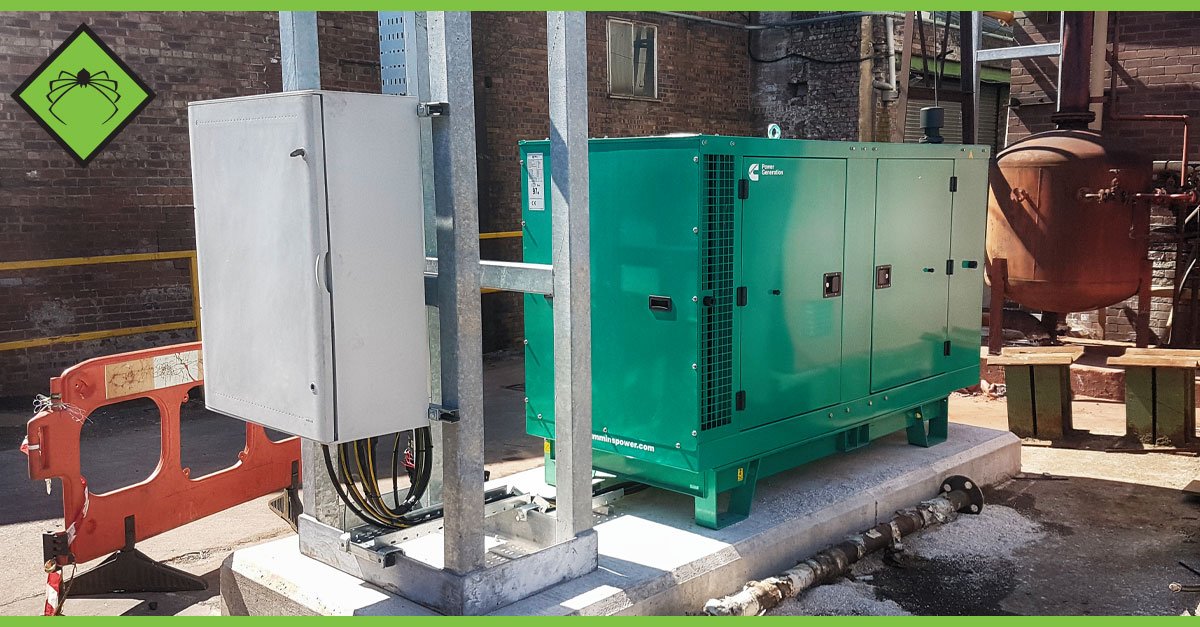
Choose a location that is safe and accessible. The area should be dry and level. Avoid placing the generator near windows or doors. Keep it away from flammable materials. A distance of at least 5 feet is ideal.
Consider the noise level. Place the generator where it won’t disturb neighbors. Ensure that you have easy access for maintenance. Check local regulations for any restrictions on placement.
Safety Considerations
Safety is crucial during installation. Always wear protective gear, like gloves and goggles. Make sure the generator is off before handling it. Follow the manufacturer’s guidelines closely.
Ensure proper ventilation. Generators produce carbon monoxide. Install the unit in an open area to avoid buildup. Have a fire extinguisher nearby as a precaution.
Gathering Tools And Materials
Gather all necessary tools before starting. You will need a wrench, screwdriver, and level. Have extension cords and fuel ready for use. Check for any additional materials needed for installation.
Review the installation manual. This will guide you on specific requirements. Keep all tools organized for easy access. Being prepared saves time and reduces stress.
Setting Up The Generator
Setting up a generator requires careful planning and execution. Proper setup ensures safety and efficiency. Follow these steps for a smooth installation process.
Positioning The Generator
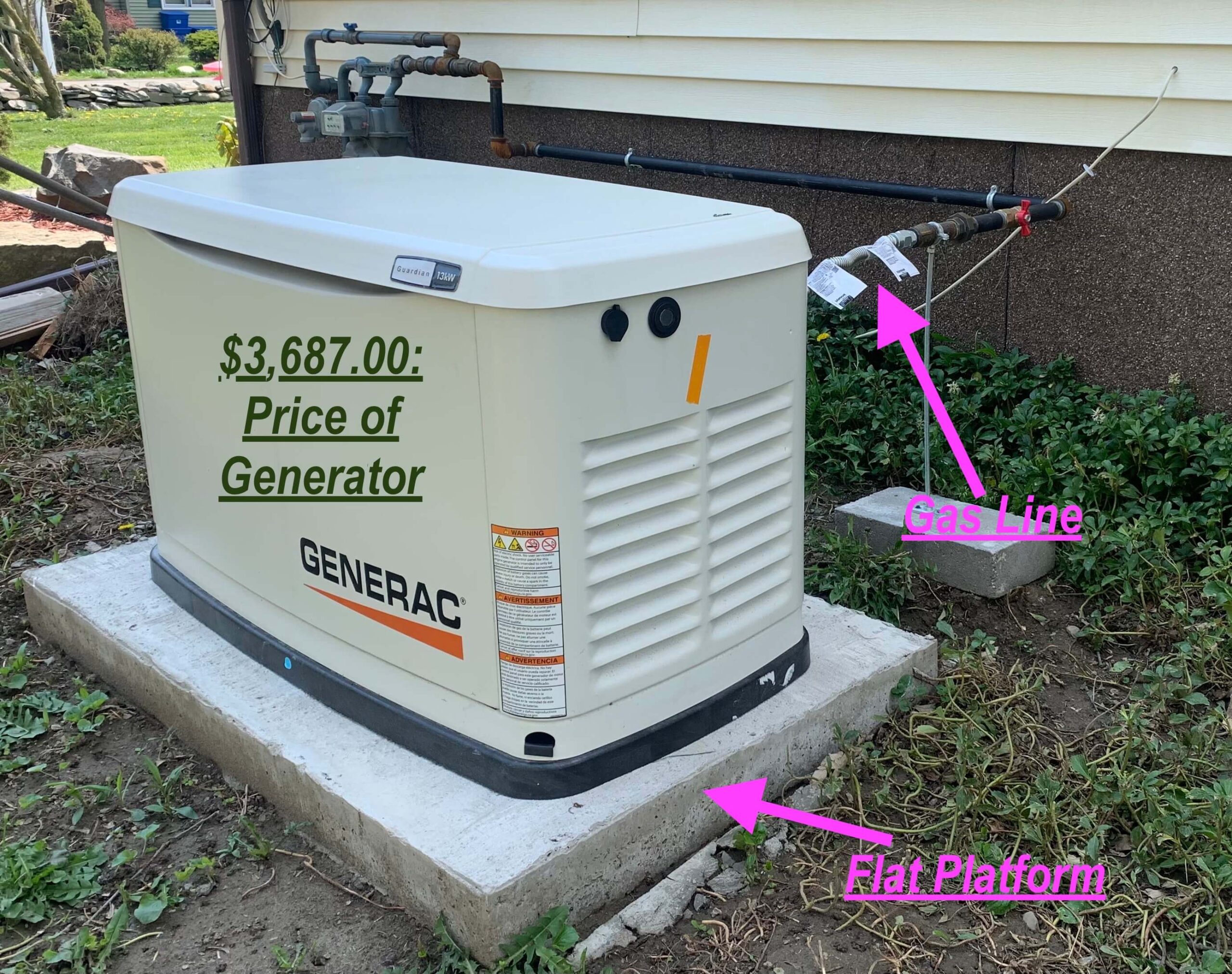
Choose a dry, flat area for your generator. Avoid areas with excessive dust or debris. Ensure the location is well-ventilated. Keep it at least five feet away from buildings.
Avoid placing it near windows or doors. This prevents carbon monoxide from entering your home. Consider the noise level too. Place it away from living areas.
Installing The Fuel Source
Identify the fuel type your generator uses. Common options include gasoline, propane, or diesel. For gasoline models, use fresh fuel to avoid problems.
For propane, connect the tank securely to the generator. Ensure all connections are tight and leak-free. Follow the manufacturer’s guidelines for the best results.
Connecting To The Power System
Use a transfer switch for safe power connection. This switch prevents back-feed into the grid. Follow the wiring instructions provided with your generator.
Connect the generator to your home’s main power supply. Ensure all connections are secure. Test the system to confirm it works properly.

Credit: www.youtube.com
Testing The Generator
Testing the generator ensures it works properly after installation. Follow clear steps for safe setup. Check connections and fuel levels before turning it on. Regular testing keeps your generator ready for use during power outages.
Testing your generator is a crucial step to ensure it operates safely and effectively. After installation, you want to confirm that everything is working as it should. A well-tested generator can save you from unexpected power outages and keep your appliances running smoothly.
Initial Power-up
Start by checking the owner’s manual for specific instructions. Ensure all connections are secure. Turn on the generator and listen carefully. You should hear a steady hum, which indicates it’s functioning properly. If you notice any unusual sounds, power it down immediately. Take a moment to observe any warning lights or error codes on the display. These indicators can provide insights into potential issues. After the initial power-up, it’s wise to let the generator run for about 15 minutes. This allows you to assess its performance under a light load.
Checking Fuel Flow
Fuel flow is essential for your generator’s operation. First, check the fuel gauge to ensure it has enough gas. If the gauge is low, top it up with the recommended fuel type. Next, inspect the fuel lines for any leaks or blockages. A clear flow is vital for the generator to run smoothly. You can also run a small test by turning on a light or appliance. Watch for any fluctuations in power. If the generator struggles to maintain power, revisit your fuel flow checks.
Verifying Electrical Output
Once the generator is running, it’s time to measure its electrical output. Use a multimeter to check the voltage levels. Connect it to the output terminals and note the reading. The voltage should match the specifications listed in the manual. If it’s too high or too low, something may be wrong with the generator. Additionally, plug in a few appliances to see how it handles the load. Monitor for any flickering lights or tripped breakers. These issues can indicate an overload or malfunction in the generator. Have you ever faced a power outage unexpectedly? Testing your generator ensures you won’t be caught off guard again. By taking these steps, you can be confident that your generator is ready to perform when you need it most.
Maintaining The Generator
Installing a generator requires careful planning. Start by choosing a safe location with good ventilation. Connect the generator to your home’s electrical system, ensuring all connections are secure. Regular maintenance is key to keeping it running smoothly. Check oil levels and clean the air filter often.
Maintaining your generator is essential for its longevity and optimal performance. Regular upkeep can prevent breakdowns and ensure that you have reliable power when you need it the most. Here’s how to keep your generator in top shape.
Routine Inspections
Conducting routine inspections is vital. Aim to check your generator every month. Look for any signs of wear, leaks, or rust. Make sure to inspect the fuel system for leaks. Tighten any loose connections. Check the oil level and examine the oil’s condition. If it appears dirty, it’s time for a change. Additionally, examine the battery. Clean the terminals and ensure it holds a charge. Scheduling these inspections can save you from unexpected failures.
Cleaning And Servicing
Cleaning your generator can enhance its efficiency. Dust and debris can accumulate over time. Use a soft cloth to wipe down the exterior. Don’t forget to clean the air filter. A clogged filter restricts airflow, affecting performance. Replace it if it’s too dirty. Regular servicing is equally important. Change the oil according to the manufacturer’s recommendations. This helps maintain engine health. You might also want to check the spark plugs. Replacing worn plugs can improve fuel efficiency. Keeping a maintenance log can help you track these services.
Troubleshooting Common Issues
Even with proper care, issues may arise. Knowing how to troubleshoot can save you time and frustration. If your generator won’t start, check the fuel level first. Sometimes, the simplest solution is the right one. Listen for unusual noises while it runs. Grinding or knocking sounds may indicate a problem. If it runs but doesn’t produce power, inspect the circuit breaker. Reset it if necessary. Don’t hesitate to consult the manual for specific issues. It often has troubleshooting tips tailored to your model. Have you faced any unexpected issues with your generator? Sharing your experience might help others in the same situation.
Credit: theintegrityexperience.com
Frequently Asked Questions
How Do I Choose The Right Generator?
Choosing the right generator depends on your power needs. Calculate the wattage required for your appliances. Consider the generator type, such as portable or standby. Always check fuel efficiency and runtime. Additionally, look for safety features and noise levels to ensure it meets your requirements.
What Tools Are Needed For Generator Installation?
To install a generator, you will need basic tools. Common tools include a wrench set, screwdrivers, and a level. You may also need a transfer switch for safety. Ensure you have an electrical tester to verify connections. Having these tools ready will simplify the installation process.
Can I Install A Generator Myself?
Yes, you can install a generator yourself. However, it requires careful planning and knowledge of electrical systems. Follow the manufacturer’s instructions closely. If you’re unsure, consider hiring a licensed electrician. This ensures compliance with local codes and safety standards for your installation.
How Long Does It Take To Install A Generator?
The installation time for a generator varies by type. A portable generator may take a few hours. In contrast, a standby generator installation could take one to two days. Factors like site preparation and local regulations can affect the duration.
Always plan accordingly for your installation timeline.
Conclusion
Installing a generator can be simple. Follow the steps carefully. Safety is key, so remember to take precautions. Choose the right location for your generator. Make sure it is well-ventilated and away from your home. Connecting it properly ensures it works when you need it.
Regular maintenance keeps your generator in good shape. Taking these actions will provide peace of mind during power outages. A well-installed generator can be a reliable backup. Enjoy the comfort and security it brings.