
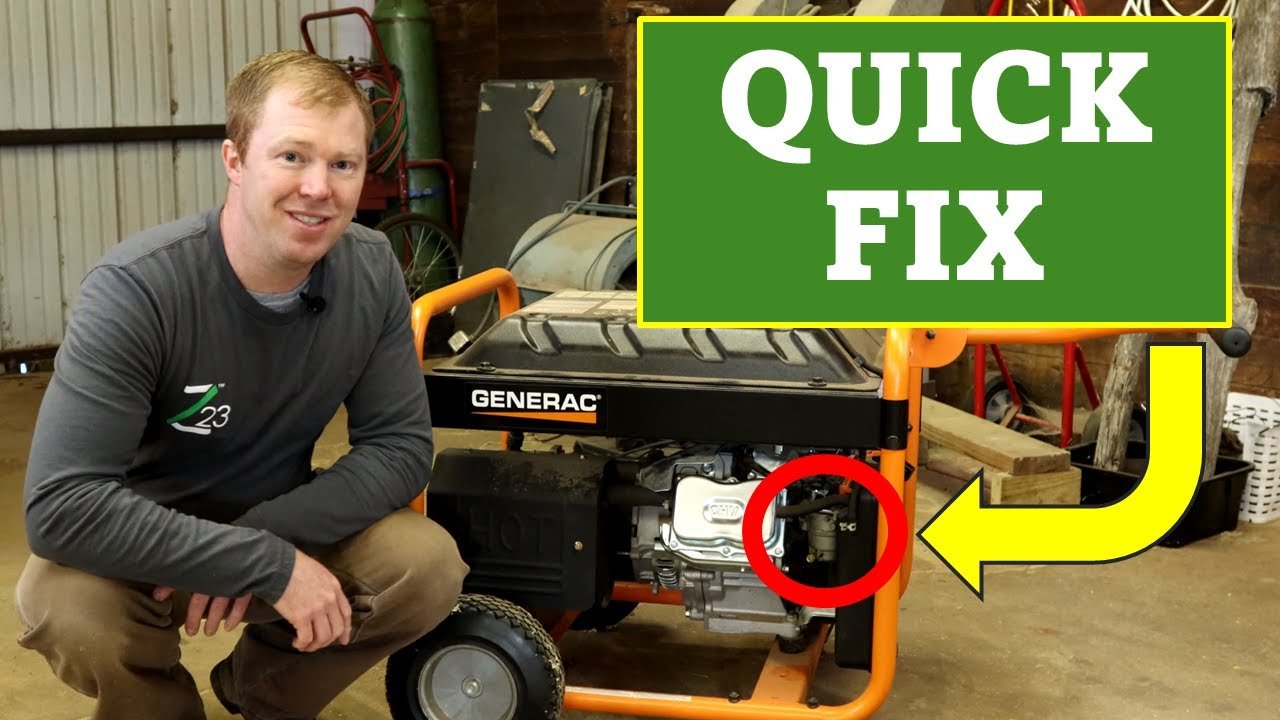
Is your generator refusing to start when you need it most? You’re not alone.
Many people face this frustrating situation, and it can leave you feeling helpless, especially during a power outage or an outdoor adventure. But don’t worry—understanding why your generator won’t start is the first step to fixing the problem. We’ll explore the common reasons behind a stubborn generator and provide you with practical solutions to get it up and running again.
Whether you’re a seasoned user or a newcomer, you’ll find valuable tips to troubleshoot and maintain your generator. Keep reading to regain control and ensure your power supply is always ready when you need it!
Common Causes Of Generator Issues
Understanding why your generator won’t start can save you time and frustration. Many issues can arise, but recognizing the common culprits can lead you to a solution quickly. Here’s a breakdown of some frequent reasons your generator might be having trouble.
Fuel Problems
One of the first things to check is the fuel. Is there enough fuel in the tank? Old or contaminated fuel can cause starting issues. Generators need fresh fuel to run efficiently.
Ensure the fuel is not more than a month old. If it is, it’s time to replace it. You might also want to check the fuel lines for any blockages or leaks.
Electrical Malfunctions
Electrical issues can prevent your generator from starting. Start by inspecting the battery. A dead or weak battery is often the culprit.
Check all connections and wires for corrosion or damage. Loose connections can disrupt the flow of electricity. If you notice any frayed wires, consider replacing them.
Mechanical Failures
Mechanical problems can also affect your generator’s performance. Listen for unusual noises when you attempt to start it. Grinding or rattling sounds may indicate internal issues.
Regular maintenance is crucial. Change the oil and replace filters as recommended. If you haven’t done this in a while, it could be time to schedule a service.
Have you ever faced a situation where your generator failed you at a crucial moment? Identifying these common causes can help you avoid future mishaps and keep your generator running smoothly.

Credit: www.facebook.com
Checking The Fuel System
A generator that won’t start often points to fuel system issues. Check the fuel level first. Ensure there are no clogs in the fuel line or filters. Look for leaks or damaged components that could prevent fuel from reaching the engine.
Checking the fuel system is a critical step when your generator won’t start. A lack of fuel or issues within the fuel system can prevent your generator from functioning properly. Let’s dive into the essential aspects of checking this system to ensure your generator gets the fuel it needs.Inspecting Fuel Levels
First, check the fuel gauge. Is it showing that you have enough fuel? Sometimes, the simplest solution is the right one. Make it a habit to keep your generator’s fuel tank filled. Running out of fuel is a common mistake that can easily be avoided. If the levels seem low, fill it up and try starting the generator again. You might be surprised how often this resolves the issue.Assessing Fuel Quality
Next, consider the quality of the fuel you’re using. Old or contaminated fuel can lead to starting problems. If the fuel has been sitting for months, it might have degraded. Fresh fuel can make a world of difference. Check for any unusual odors or discoloration. If the fuel looks off, drain the tank and refill it with fresh fuel to get things running smoothly again.Examining The Fuel Lines
Don’t overlook the fuel lines. Look for any signs of cracks, leaks, or blockages. These can prevent fuel from reaching the engine. A blocked fuel line can be a silent killer for your generator. You might need to clean or replace it to ensure proper flow. Make it a point to regularly inspect these lines. Just like your vehicle, your generator thrives on maintenance and attention. Taking the time to check the fuel system can save you from unnecessary headaches. What’s your go-to troubleshooting step when your generator won’t start?Inspecting The Battery
A dead battery often causes a generator not to start. Check for corrosion on the terminals. Ensure the battery is charged and properly connected. Regular inspection can prevent starting issues and keep your generator ready for use.
Inspecting the battery is a crucial step when your generator doesn’t start. Often, the battery is the culprit behind your generator woes. A dead or faulty battery can leave you in the dark, quite literally. Let’s dive into how to inspect your battery effectively.Testing Battery Voltage
Start by checking the battery voltage with a multimeter. A healthy battery should read around 12.6 volts. If your reading is below 12.4 volts, your battery may be weak. If you find the voltage is significantly lower than expected, try jumping the battery. This quick test can help determine if the battery is the issue. If the generator starts after a jump, it’s a clear sign that the battery needs attention. Don’t forget to monitor the battery’s performance after testing. If it frequently drops below the normal voltage, it’s time to take action.Cleaning Battery Terminals
Dirty or corroded battery terminals can create a poor connection. This can prevent your generator from starting, even if the battery is in good condition. To clean the terminals, first, disconnect the battery cables. Use a mixture of baking soda and water to scrub away corrosion. Make sure to wear gloves and goggles for safety. After cleaning, reconnect the cables tightly. A solid connection can make all the difference in performance. Have you ever noticed how a simple cleaning can restore the life of your battery?Replacing A Dead Battery
If testing and cleaning don’t revive your battery, it might be time for a replacement. Choose a battery that matches your generator’s specifications. A mismatched battery can lead to further issues. When replacing, ensure that the new battery is securely installed. Check the terminals again for a tight connection. A new battery can bring your generator back to life, ensuring you’re prepared for any power outage. Have you ever had to replace a battery unexpectedly? It’s a hassle, but being proactive about battery maintenance can save you from future headaches.Examining Electrical Connections
When your generator doesn’t start, one of the first areas to investigate is the electrical connections. Faulty or loose connections can lead to a complete failure in starting your generator. Taking the time to examine these connections can save you from unnecessary repairs and frustration.
Checking For Loose Wires
Start by inspecting all the visible wiring connected to your generator. Loose wires can disrupt the power flow and prevent your generator from starting.
- Look for any frayed or damaged wires.
- Ensure that all connections are tight.
- Pay special attention to the battery terminals.
In my experience, a loose wire was the culprit behind my generator’s failure to start. I tightened a few connections, and it roared to life. This simple check can often resolve the issue quickly.
Inspecting The Circuit Breaker
A circuit breaker is your generator’s safety net. If it trips, your generator won’t start.
- Locate the circuit breaker panel.
- Check if any breakers are in the ‘off’ position.
- Reset any tripped breakers by flipping them back on.
Keep in mind that frequent tripping could indicate an underlying issue. Don’t ignore this sign; it might save you from bigger problems down the line.
Testing The Starter Motor
The starter motor is essential for getting your generator up and running. If the motor isn’t functioning properly, your generator won’t start.
- Listen for any clicking sounds when you try to start the generator.
- Check if the starter motor is receiving power.
- Consider using a multimeter to test the voltage.
A friend of mine once had a generator that just wouldn’t start. After testing the starter motor, he discovered it wasn’t getting any power. Replacing it was a straightforward fix, and it brought his generator back to life.
Have you checked these electrical connections yet? Taking these steps could make a significant difference in your generator’s performance.
Evaluating The Air And Oil Systems
When a generator won’t start, air and oil systems are key areas to check. Both systems play a vital role in the generator’s performance. Problems in these areas can lead to starting issues.
Start by inspecting the air intake. A clean air system is essential. Blockages can starve the engine of air. This results in poor combustion and starting troubles. Check the air filters regularly.
Inspecting Air Filters
Air filters keep dirt and debris out of the engine. Clogged filters reduce airflow. This can cause the generator to struggle or not start at all. Remove the air filter and inspect it. If it’s dirty, clean or replace it. Make this part of routine maintenance.
Checking Oil Levels
Oil lubricates the engine and helps it run smoothly. Low oil levels can prevent the generator from starting. Always check the oil before using the generator. Use the dipstick to measure the oil level. Add oil if it’s low. Ensure you use the right type of oil for your generator.
Replacing Worn Components
Worn components can hinder the generator’s performance. Check for any signs of wear in hoses and seals. Replace any damaged parts immediately. This keeps the air and oil systems functioning well. Regular replacements can save you from bigger problems later.

Credit: www.reddit.com
Resetting The Generator
A generator that won’t start can be frustrating. Resetting it may solve the issue. Check the power supply and follow the reset steps in the manual for best results.
Resetting your generator can often be the first step to getting it back up and running. A simple reset can resolve many common issues that prevent your generator from starting. Understanding how to reset your generator safely and effectively is crucial for any generator owner.Locating The Reset Button
Finding the reset button on your generator is essential. Typically, it is a red button located near the control panel. Check your owner’s manual if you have difficulty locating it. Make sure to inspect both the front and sides of your generator. The reset button may be labeled as “reset” or “overload.” Knowing where it is will save you time during an emergency.Performing A Safe Reset
Before you reset your generator, ensure that it is turned off. Disconnect any appliances connected to it to prevent damage. Press the reset button firmly. You should hear a click, indicating that the generator has reset. Wait a few moments before attempting to start the generator again. Always remember safety first. Wear gloves and ensure the area around the generator is dry. Avoid resetting if you notice any unusual smells or sounds.Testing After Reset
Once you’ve performed the reset, it’s time to test your generator. Turn it on and listen closely. Is it running smoothly, or do you hear strange noises? Connect a small appliance to see if it powers up correctly. If it starts without issues, you’re in good shape. If not, further troubleshooting may be needed. Have you ever faced a similar issue? Share your experiences to help others navigate their generator troubles.Seeking Professional Help
When a generator won’t start, it can be frustrating. Many people try to fix it themselves. Sometimes, this can lead to more problems. Seeking professional help is often the best choice. Experts can identify issues quickly and accurately.
Identifying Complex Issues
Some generator problems are hard to spot. Simple fixes, like checking fuel or oil, may not work. Complex issues can involve the electrical system or internal parts. Technicians have the skills to diagnose these problems. They use special tools to find the root cause. This saves time and effort in the long run.
Choosing A Reliable Technician
Finding a good technician is important. Look for someone with experience and good reviews. Ask friends or family for recommendations. A reliable technician will explain the issues clearly. They should also provide a fair estimate for repairs. Trust is key when selecting a professional.
Planning For Regular Maintenance
Regular maintenance helps prevent future issues. Schedule routine check-ups for your generator. A technician can perform necessary inspections and services. This keeps your generator running smoothly. It also extends its lifespan. Investing in maintenance is wise for reliability.

Credit: www.youtube.com
Frequently Asked Questions
Why Won’t My Generator Start?
There are several reasons your generator may not start. Common issues include a dead battery, insufficient fuel, or a faulty spark plug. First, check the battery connections and ensure there’s enough fuel. If those are fine, inspect the spark plug for wear or damage to diagnose further.
What Can Cause A Generator To Fail?
Generator failure can be attributed to various factors. Low oil levels, clogged fuel filters, or a malfunctioning ignition system are common culprits. Regular maintenance is crucial to prevent these issues. Always consult the owner’s manual for specific troubleshooting tips related to your generator model.
How Do I Troubleshoot A Non-starting Generator?
Start by checking the fuel level and battery charge. Ensure the generator is in the correct position and all connections are secure. If it still doesn’t start, look for error codes or consult the manual for troubleshooting steps. Regular maintenance checks can also help prevent future problems.
Is There A Way To Jump-start A Generator?
Yes, you can jump-start a generator, similar to a car. Use jumper cables and connect the generator’s battery to a working battery. Ensure proper connections and follow safety guidelines. However, if your generator frequently needs jump-starting, it may indicate deeper issues with the battery or electrical system.
Conclusion
A generator that won’t start can be frustrating. Check the fuel level first. Inspect the battery and connections next. Sometimes, a simple reset helps. Regular maintenance prevents many issues. Keep your generator clean and dry. Store it properly when not in use.
Remember, understanding your generator is key. Troubleshooting can save time and money. Stay calm, follow these steps, and you’ll find a solution. Don’t hesitate to seek professional help if needed. Your generator can serve you well with a little care.