
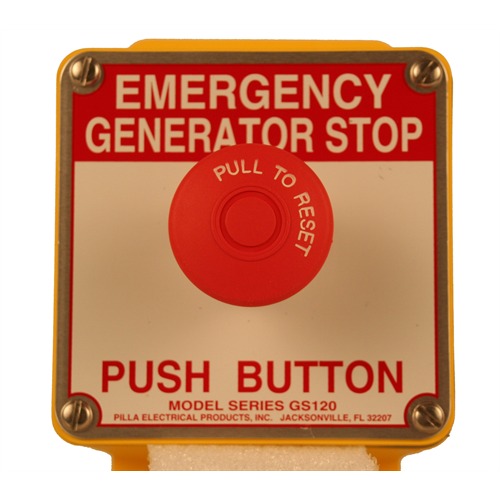
When the power comes back on, it’s time to stop your emergency generator, but do you know the right way to do it? Improper shutdown can lead to damage and even safety hazards.
You deserve to feel confident and secure when managing your generator. In this guide, we’ll walk you through the simple steps to safely turn off your emergency generator. By the end, you’ll know exactly what to do, ensuring your equipment remains in top shape and ready for the next outage.
Let’s get started and make sure you’re prepared!

Credit: www.creativesafetysupply.com
Preparing For Shutdown
Shutting down your emergency generator requires careful steps. Proper preparation helps avoid damage and ensures safety. Follow these steps to prepare for a smooth shutdown.
Inspect The Generator
Start by checking the generator’s condition. Look for any signs of wear or damage. Inspect the fuel levels. Make sure they are sufficient for the shutdown process.
Check the oil levels and ensure they are within the recommended range. Look for leaks or unusual noises. Address any issues before proceeding with the shutdown.
Review Operating Manual
Always consult the operating manual. Each generator has specific shutdown procedures. Read the instructions carefully to understand the steps.
Follow the manufacturer’s recommendations. This ensures safe and effective shutdown. Keep the manual nearby for quick reference.
Ensure Load Reduction
Before shutting down, reduce the load on the generator. Turn off all connected devices. This helps prevent overload during shutdown.
Wait until the generator is free from any load. This step is crucial for safe operation. Once the load is reduced, you can proceed with the shutdown process.
Initiating Shutdown Process
Stopping an emergency generator requires a careful process. First, turn off the load by disconnecting appliances. Next, switch the generator to the off position. Wait for it to cool down before shutting off the fuel valve. Always follow these steps for safe operation.
Initiating the shutdown process of your emergency generator is crucial for ensuring its longevity and proper functioning. Knowing the right steps can make this task straightforward and safe. Here’s how to effectively initiate a shutdown.Activate Shutdown Controls
Begin by locating the shutdown controls on your generator. These controls are typically found on the main control panel. Press the designated shutdown button. You might hear a beep or see a light indicator confirming that the shutdown process has started. It’s essential to ensure that you don’t rush this step. A deliberate approach will help prevent any unnecessary damage to the generator.Monitor Engine Response
Once you’ve activated the shutdown controls, pay attention to the engine’s response. The generator should gradually decrease its power output. Listen for any unusual sounds. If you notice anything out of the ordinary, consult the manual or a technician before proceeding. Keep an eye on the gauges as well. They will provide vital information about the engine’s status during the shutdown.Wait For Cool Down
After the engine has stopped, allow it to cool down. This step is critical for your generator’s overall health. Don’t rush to cover or store your generator immediately. A cool-down period of at least 15-30 minutes is ideal to prevent overheating. Consider this: Taking the time to cool down your generator can save you from costly repairs down the line. By following these steps, you can ensure a safe and effective shutdown process for your emergency generator. This not only prolongs its life but also prepares it for the next time you need it.Post-shutdown Checks
After stopping your emergency generator, do not rush away. Conducting post-shutdown checks is vital. These checks ensure safety and reliability for future use. It helps catch any issues early. Here are the key steps to follow.
Confirm System Halt
First, ensure the generator has completely stopped. Listen for any sounds that might indicate it is still running. Check the control panel for any warning lights or alerts. Wait a few minutes to confirm it has powered down fully. This step is critical for safety.
Check Fuel Levels
Next, inspect the fuel levels in the tank. Ensure there is enough fuel for the next use. Low fuel can cause problems during the next startup. If levels are low, fill the tank as needed. Keeping fuel levels stable helps maintain the generator’s health.
Inspect For Abnormalities
Lastly, conduct a thorough visual inspection. Look for any leaks, smoke, or unusual odors. Check hoses and connections for wear and tear. Any signs of damage need immediate attention. Regular inspections help extend the life of your generator.

Credit: www.youtube.com
Safety Measures
Stopping an emergency generator safely is very important. Proper safety measures help prevent accidents. Follow these steps to ensure you stay safe.
Use Protective Gear
Wearing protective gear is essential. Use gloves to protect your hands. Wear safety goggles to shield your eyes. A face mask can help avoid inhaling harmful fumes. Always dress appropriately for the task.
Avoid Hot Surfaces
Generators can get very hot during use. Touching hot surfaces can cause burns. Allow the generator to cool down before handling it. Check the exhaust area and engine for heat. Stay cautious around these areas.
Handle Electrical Components Carefully
Electrical components can pose serious risks. Always turn off the generator before touching any wires. Use insulated tools to avoid shocks. Keep your hands dry to reduce the risk of electric shock. Follow the manufacturer’s instructions carefully.
Maintenance After Shutdown
After shutting down an emergency generator, maintenance is essential. Proper care ensures the generator remains ready for future use. Taking steps now can prevent bigger issues later.
Clean Surrounding Area
Start by cleaning the area around the generator. Remove any debris or leaves. Check for any obstacles that might block airflow. A clean environment helps prevent overheating.
Look for leaks or spills. Clean any oil or fuel spills immediately. This keeps your space safe and tidy. A clean area also makes inspections easier.
Schedule Routine Inspection
Plan regular inspections for your generator. Check the oil levels, fuel, and battery condition. Look for signs of wear and tear. This helps catch issues early.
Consider hiring a professional for detailed checks. They can spot problems you might miss. Regular inspections extend the life of your generator.
Document Shutdown Details
Keep a log of each shutdown. Note the date, time, and reason for shutdown. This information helps track performance over time.
Record any maintenance done during the shutdown. Include details of inspections and repairs. Documentation is key for future reference.

Credit: www.youtube.com
Frequently Asked Questions
How Do I Safely Turn Off My Generator?
To safely turn off your generator, first unplug all devices connected to it. Next, locate the main power switch and turn it to the “Off” position. Allow the generator to cool down for a few minutes before performing any maintenance.
This ensures safety and prolongs the generator’s lifespan.
What Are The Steps To Stop An Emergency Generator?
To stop an emergency generator, begin by disconnecting any appliances. Then, switch off the generator’s main power switch. Finally, let the generator run for a few minutes to cool down before turning it off completely. This prevents overheating and ensures proper shutdown.
Why Is My Generator Not Shutting Down?
If your generator won’t shut down, check the power switch for functionality. A faulty switch or a malfunctioning control panel can prevent shutdown. Additionally, inspect the fuel supply; low fuel levels may cause erratic behavior. If issues persist, consult a technician for professional assistance.
How Long Should I Run My Generator?
It’s best to run your generator for no more than 12 to 24 hours continuously. Overuse can lead to overheating and mechanical failure. Regular breaks allow the engine to cool down and maintain optimal performance. Always refer to the manufacturer’s guidelines for specific recommendations.
Conclusion
Stopping your emergency generator is straightforward. Follow the steps outlined in this guide. Always ensure safety first. Disconnect any appliances before shutting it down. Let it cool down after use. Regular maintenance keeps it in good shape. A well-maintained generator lasts longer.
Remember to store it properly for future use. By following these tips, you can ensure your generator operates safely and efficiently. Take care of your generator, and it will take care of you. Stay prepared for any power outage.