
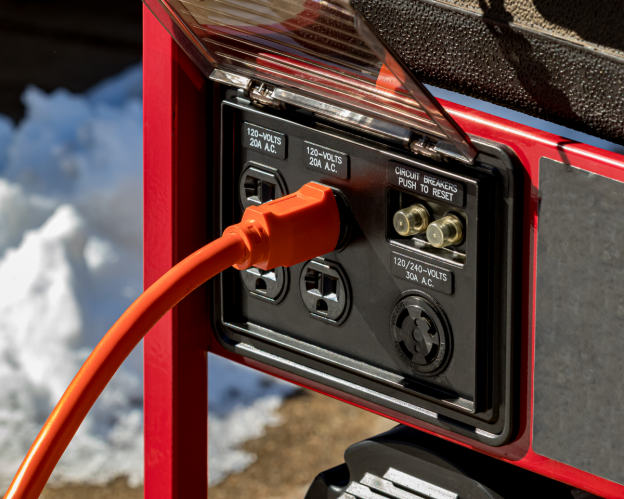
If you’re a generator owner, you need to understand the dangers of generator backfeed. This dangerous phenomenon occurs when electricity from your generator flows back into the power lines, posing serious risks to utility workers and damaging your equipment.
But don’t worry—there are simple steps you can take to prevent this from happening. You’ll discover practical tips and techniques to keep your home and community safe. Whether you’re preparing for a storm or just want to ensure your generator operates safely, the information here is crucial.
By the end, you’ll feel empowered with the knowledge to protect yourself and others from the hazards of generator backfeed. Let’s dive in and secure your power system today!
Generator Backfeed Risks
Understanding the risks associated with generator backfeed is crucial for every homeowner and business owner. Backfeed occurs when a generator sends electricity back into the power grid, creating dangerous situations for utility workers and risking equipment damage. It’s essential to grasp these risks to take preventive measures and ensure safety.
Electric Shock Hazards
One of the most severe risks of generator backfeed is electric shock. If you connect your generator directly to your home’s wiring without proper isolation, electricity can flow back into the grid. Utility workers repairing power lines may not expect live wires, putting their lives at risk.
Equipment Damage
Backfeeding can also cause serious damage to your generator and home appliances. Appliances designed for a specific voltage may get overloaded, leading to burnout. Investing in a quality transfer switch can prevent this risk.
Legal And Financial Consequences
Using a generator without proper precautions can lead to legal issues. Many local regulations require specific safety measures to prevent backfeed. Fines or penalties may apply if you violate these laws, adding to your financial burden.
Fire Risks
Backfeed increases the risk of electrical fires. Overloaded circuits can heat up and ignite nearby materials. Regular maintenance of your generator can reduce this risk significantly.
Personal Story
After a severe storm, I relied on my generator to power my home. I mistakenly thought it was safe to plug it directly into my outlets. The resulting backfeed caused a circuit failure and nearly damaged my appliances. This experience taught me the importance of proper installation.
Are you aware of the potential dangers of backfeed? Taking the time to educate yourself can save you from costly mistakes and ensure safety for everyone involved.
What Causes Backfeed
Generator backfeed occurs when power flows back into the grid, often due to improper setup. To prevent this, always use a transfer switch. This device isolates the generator from the utility lines, ensuring safety for both users and utility workers.
Understanding what causes generator backfeed is crucial for anyone using a generator, especially during power outages. Backfeed occurs when electricity from your generator flows back into the power grid. This can lead to dangerous situations, especially for utility workers who may be unaware of the power source. Let’s dive into the main causes of backfeed and how you can prevent it.
Improper Connection
One of the primary causes of backfeed is improper connection of the generator to your home’s electrical system. If you connect your generator to a wall outlet instead of using a transfer switch, you risk sending power back into the grid. This not only endangers line workers but also damages your generator. Take the time to learn about proper installation methods. Using a transfer switch ensures safe operation and protects everyone involved.
Using A Portable Generator Without Safety Measures
Many people use portable generators during emergencies but fail to follow safety guidelines. Running a generator without proper ventilation can lead to carbon monoxide buildup, which is hazardous. However, if you connect it directly to your home’s wiring, you create a backfeed risk. Always remember to turn off the main breaker before you plug in the generator. This simple action can save lives and prevent equipment damage.
Lack Of Awareness
Some homeowners simply do not understand the risks associated with generator use. They may think that as long as the generator is running, everything is fine. However, not knowing how to safely operate a generator can lead to backfeed incidents. Educating yourself about generator safety is non-negotiable. Consider taking a class or consulting with an electrician to learn more about safe practices.
Overloaded Circuits
Overloading your generator can also lead to backfeed. If you try to power too many appliances at once, the generator may struggle. This can cause the system to malfunction, resulting in backfeed. Make sure to calculate your power needs carefully. Using the right generator size for your requirements helps prevent these dangerous situations. Understanding these causes can help you take proactive measures. Have you ever experienced a close call with backfeed? Share your thoughts and stories in the comments.
Proper Generator Connection
Proper generator connection is crucial for safe and effective use of your generator. A correct setup not only ensures that your appliances receive power but also prevents dangerous backfeed situations. Here’s how to connect your generator properly and keep everyone safe.
Use A Transfer Switch
A transfer switch is your best friend for preventing backfeed. This device isolates your generator from the utility lines. It allows you to safely connect your generator to your home’s electrical system.
Installing a transfer switch may seem complex, but many professionals can handle it for you. If you choose to do it yourself, make sure to follow the manufacturer’s instructions carefully. Your safety depends on it!
Understand The Power Needs
Before connecting your generator, assess your power needs. Determine which appliances you want to run during an outage. This way, you can choose the right generator size and avoid overloading.
When I first used my generator, I was excited to power everything. I quickly learned that running too many appliances at once led to frequent overloads. Keep it simple; prioritize your essential devices, like the refrigerator and lights.
Use Proper Cables And Connectors
Always use the right cables and connectors for your generator. Look for heavy-duty extension cords rated for outdoor use. Using inappropriate or damaged cords can lead to serious risks.
Check the connections regularly. A loose connection can lead to power loss and increase the risk of backfeed. Make it a habit to inspect your equipment before each use.
Follow Local Regulations
Each area has specific regulations regarding generator use. Research local laws to ensure your setup complies. Ignoring these can lead to fines and dangerous situations.
Consulting with a local electrician can provide peace of mind. They can help you navigate any legal requirements and ensure your setup is safe. It’s a small step that can make a big difference.
Educate Your Family
Teach your family about generator safety and proper connection. Everyone should know what to do in an emergency. Discuss the importance of never plugging a generator directly into a wall outlet.
Having this knowledge can prevent dangerous backfeed situations. Make it a family activity to review safety procedures together. This way, everyone feels prepared and informed.
Proper generator connection is essential for safety and efficiency. By following these steps, you can prevent backfeed and keep your home powered during outages. Stay safe and enjoy peace of mind knowing you’ve taken the right precautions.
Credit: www.fec-co.com
Using Transfer Switches
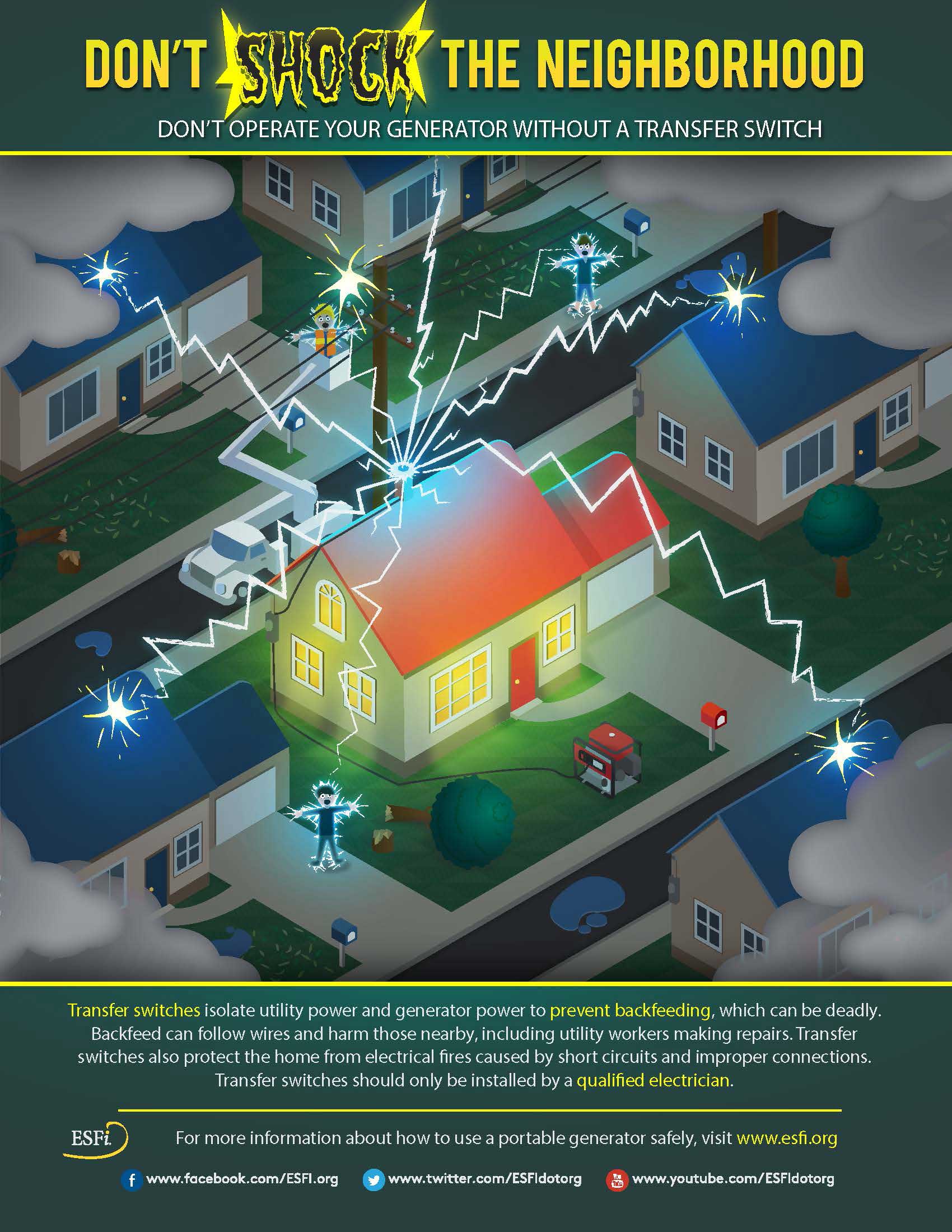
Transfer switches are essential tools for generator safety. They help prevent backfeed. Backfeed happens when power from a generator flows into the grid. This can harm both people and equipment. Using a transfer switch keeps your home and the grid safe.
What Is A Transfer Switch?
A transfer switch is a device. It connects your generator to your home’s electrical system. It allows you to switch between utility power and generator power. This switch helps ensure safe operation during an outage.
Types Of Transfer Switches
There are two main types of transfer switches. Manual transfer switches require you to operate them. Automatic transfer switches operate on their own. They detect power loss and switch automatically. Choose the type that fits your needs best.
Benefits Of Using A Transfer Switch
Transfer switches provide many benefits. They prevent backfeed. This protects utility workers from electrical hazards. They also allow for safe generator use. You can power essential appliances without worry.
Installation Tips
Installation must be done carefully. It is best to hire a qualified electrician. They ensure proper setup and compliance with local codes. This guarantees safety and reliability. Follow all manufacturer instructions for best results.
Regular Maintenance
Regular maintenance is key to performance. Check your transfer switch often. Look for signs of wear or damage. Clean connections and ensure proper operation. This keeps your system running smoothly.
Safety Gear And Precautions
Preventing generator backfeed is crucial for safety. Proper safety gear and precautions can protect you during power outages. Understanding what to wear and how to prepare is essential.
Wear Protective Clothing
Use long sleeves and pants. This protects your skin from burns. Wear sturdy shoes to prevent slips or falls. Gloves are also important. They protect your hands from sharp objects.
Use Safety Goggles
Safety goggles shield your eyes from debris. They prevent injuries while working with the generator. Clear vision is vital for safety. Always wear goggles when operating equipment.
Check Your Equipment
Inspect your generator regularly. Look for frayed wires or leaks. Ensure all parts are in good condition. Replace any damaged components immediately. A well-maintained generator is safer to use.
Keep The Area Clear
Clear the area around your generator. Remove flammable materials like paper and fuel. Ensure good ventilation to prevent carbon monoxide buildup. A safe space reduces the risk of accidents.
Have A First Aid Kit Ready
Always keep a first aid kit nearby. Include bandages, antiseptics, and pain relievers. Know how to use the items in the kit. A well-prepared kit can help in emergencies.
Educate Yourself And Others
Learn about generator safety. Share this knowledge with family members. Understanding the risks reduces accidents. Hold drills to practice safe procedures.
Follow Local Regulations
Check local laws about generator use. Follow all safety guidelines provided by authorities. Compliance ensures safety for you and your neighbors. Stay informed about updates in regulations.

Credit: www.esfi.org
Inspection Before Use
Ensuring safety when using a generator is crucial. One of the most effective ways to prevent generator backfeed is through a thorough inspection before use. This process can save lives and protect your property from damage. Let’s discuss what you need to check before starting your generator.
Check For Proper Grounding
First, ensure your generator is properly grounded. A grounded generator prevents electrical shock and reduces the risk of backfeed. Use a grounding rod and appropriate wiring to connect your generator to the ground.
Inspect Fuel And Oil Levels
Next, check the fuel and oil levels. Running a generator with low oil can damage the engine. Always fill the tank with clean fuel and check the oil level before use.
Examine Cables And Connections
Look closely at all cables and connections for any signs of wear or damage. Frayed cables can lead to dangerous situations, including backfeed. Replace any damaged cables immediately to ensure safe operation.
Test The Transfer Switch
A functioning transfer switch is essential. This device ensures that power from the generator does not flow back into the grid. Test the switch before use to confirm it operates correctly.
Ensure Adequate Ventilation
Your generator needs proper ventilation to prevent carbon monoxide buildup. Check the area around your generator for any obstructions. A well-ventilated space keeps you and your family safe.
Look For Leaks
Inspect your generator for any fuel or oil leaks. Leaks can create fire hazards and lead to operational issues. If you spot a leak, do not use the generator until it is repaired.
Have you ever encountered a problem due to neglecting these inspections? Taking just a few minutes to perform these checks can save you from significant headaches later on. Prioritizing these steps ensures your generator operates safely and effectively.
Training For Safe Operation
Training for safe operation focuses on preventing generator backfeed. Proper procedures ensure that power does not flow back into the utility lines. Understanding safe connections and using transfer switches are key steps for safe generator use.
Training for Safe Operation is crucial for anyone using a generator. Proper training not only enhances safety but also ensures efficient operation. Without understanding the risks, such as generator backfeed, you could put yourself and others in danger.
Understanding Generator Backfeed Risks
Generator backfeed occurs when power flows back into the utility lines. This can happen if a generator is connected to your home’s electrical system without proper isolation. The risks are serious. Utility workers could be injured or killed when they think power is off. Have you ever considered the impact of your actions on someone else’s safety?
Getting The Right Training
Look for training programs that focus on safe generator use. Many local utility companies offer workshops. Online courses can also provide valuable information. Ensure your training covers how to safely connect and disconnect a generator. You should also learn about proper equipment use. Consider practicing with a knowledgeable instructor. Hands-on experience reinforces what you learn.
Using Proper Equipment
Always use a transfer switch when connecting your generator. This device isolates your generator from the utility lines. Key benefits of a transfer switch: – Prevents backfeed – Protects utility workers – Ensures safe operation Do you have a transfer switch in place? If not, it’s time to invest in one.
Regular Safety Drills
Conducting safety drills can keep everyone aware of potential hazards. Make sure everyone knows what to do in case of an emergency. Assign roles and responsibilities during these drills. This preparation can save lives. How often do you practice emergency procedures? Regular drills can make a significant difference. By prioritizing training, you contribute to a safer environment for everyone. Stay informed and proactive to prevent generator backfeed and its associated risks.
Professional Assistance
Preventing generator backfeed is essential for safety. Hiring a professional can help ensure your setup is safe. They have the skills and experience needed for the job. Many people underestimate the risks of backfeed.
Professional help offers peace of mind. Experts understand local codes and regulations. They can install transfer switches correctly. This prevents backfeed into the grid.
Understanding The Risks
Not all homeowners know about generator risks. Backfeed can endanger utility workers. It can also damage your generator. A professional can explain these dangers clearly.
Choosing The Right Expert
Look for licensed electricians. They should have experience with generators. Ask for references and reviews. This will help you find a reliable expert.
Installation And Maintenance
Proper installation is key. A professional will ensure everything is set up correctly. Regular maintenance checks are also important. This keeps your generator running safely.
Cost Considerations
Professional help can seem costly. However, it saves money in the long run. Avoiding fines and repairs is worth it. Investing in safety is always a smart choice.

Credit: www.reddit.com
Frequently Asked Questions
What Is Generator Backfeed?
Generator backfeed occurs when electricity flows from your generator into utility lines. This can be dangerous and potentially lethal. It poses risks to utility workers and can cause electrical fires. Properly installing transfer switches can prevent backfeed, ensuring safe and efficient generator use.
Why Is Preventing Generator Backfeed Important?
Preventing backfeed is crucial for safety. It protects utility workers repairing lines and prevents damage to electrical systems. Backfeed can lead to fires or electrocution, making it essential to use proper safety measures. Always follow guidelines to ensure safe generator operation.
How Can I Stop Generator Backfeed?
To prevent backfeed, install a transfer switch. This device safely disconnects your home from the grid. It allows your generator to power your home without risking backfeed. Always consult a professional electrician to ensure a safe installation.
Can Backfeed Cause Damage To Appliances?
Yes, backfeed can damage appliances by sending erratic voltage through your home’s electrical system. This can lead to short circuits or electrical fires. Using a transfer switch helps to protect appliances by ensuring a stable and controlled power supply.
Conclusion
Preventing generator backfeed is crucial for safety. Follow the tips shared in this post. Always use a transfer switch to connect your generator. Never connect the generator directly to your home’s wiring. Regularly check your equipment for any issues. Understanding these steps can save lives and protect property.
Stay safe and informed. Your efforts today will ensure a safer tomorrow. Keep your power source reliable and secure. Taking these precautions is worth it for peace of mind.