
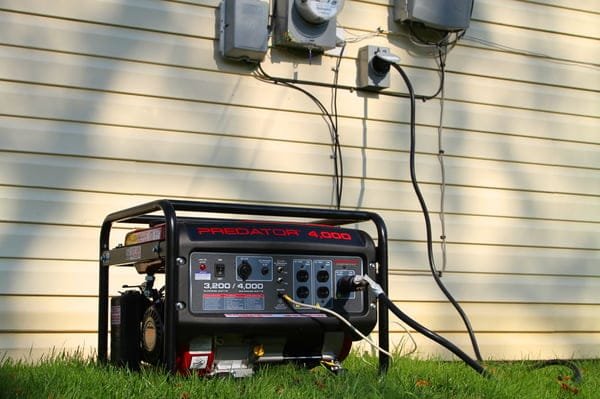
When the lights go out or a storm rolls in, having a portable generator can be a lifesaver. But do you know the best way to use one?
It’s not just about plugging in devices and hoping for the best. Knowing how to operate your generator safely and efficiently can make a huge difference in your comfort and safety during an outage. We’ll share essential tips and tricks that will help you maximize the use of your portable generator.
You’ll learn how to choose the right generator for your needs, understand essential safety precautions, and discover clever ways to power your essentials. Don’t miss out on this crucial information—your comfort and safety depend on it!
Choosing The Right Generator
Choosing the right generator is key for effective use. Portable generators provide power during outages or while camping. Understanding wattage needs and safety tips ensures you get the most from your generator. Always follow the manufacturer’s guidelines for safe operation.
Choosing the right generator is crucial for ensuring you have the power you need when you need it. Whether you’re preparing for a camping trip, dealing with a power outage, or using it for construction, the right generator makes all the difference. Let’s dive into the key factors that can help you make an informed decision.Size And Power Output
The size and power output of a generator determine how many devices you can run simultaneously. Start by assessing your power needs. List the devices you plan to connect. – Refrigerator: 600-1200 watts – Lights: 60-300 watts – Heater/Air Conditioner: 1000-4000 watts Calculate the total wattage required. This will guide you to a generator with sufficient power output. A generator rated between 3000 to 7500 watts suits most home use cases. Think about portability too. If you need to move it frequently, a lightweight, compact model is ideal.Fuel Type Options
Generators can run on various fuel types, each with pros and cons. The most common options include: – Gasoline: Readily available but can be less efficient. – Propane: Burns cleaner and has a longer shelf life. – Diesel: Offers better fuel efficiency but can be louder. Consider your access to fuel and how often you’ll use the generator. If you’re camping, a propane generator might be more convenient. Your local environment may also dictate your choice. Some areas have restrictions on gas-powered generators due to noise and emissions.Key Features To Look For
Not all generators are created equal. Look for these key features to enhance your experience: – Ease of Starting: Electric start options save time and effort. – Run Time: A longer run time means less frequent refueling. – Portability: Wheels and handles make it easier to transport. – Safety Features: Look for overload protection and carbon monoxide shutoff. Personal experience taught me the importance of a generator with an electric start. During a recent power outage, fumbling with a pull-start in the dark was frustrating. A generator with this feature would have made everything smoother. What features do you think are essential for your needs? Make a list to narrow down your options. Choosing the right generator tailored to your needs ensures you’re prepared for any situation. Be proactive and consider these factors carefully.
Credit: www.amazon.com
Preparing For Use
Preparing your portable generator for use is essential for safety and efficiency. Start by placing it outdoors, away from windows and doors. Check fuel levels and ensure all connections are secure before starting the generator. Following these steps helps avoid problems during operation.
Preparing for use is a crucial step in ensuring your portable generator operates effectively and safely. Taking the time to prepare properly can prevent mishaps and maximize efficiency. Here’s how you can get ready before plugging in your generator.Inspecting The Generator
Start by visually inspecting your generator. Check for any signs of damage or wear. Look for frayed cords, leaks, or cracks in the casing. Make sure the fuel tank is clean and free of debris. A dirty tank can lead to engine problems. Turn on the generator and listen for unusual noises. If something doesn’t sound right, it’s best to address the issue before use.Gathering Necessary Tools
Having the right tools on hand makes setup easier. Gather items like extension cords, a fuel container, and a funnel. Consider adding a multimeter to check voltage output. This ensures your generator is running correctly. If you have a transfer switch, make sure it’s compatible with your generator. This can help in safely connecting to your home’s electrical system.Understanding Safety Guidelines
Safety should always be your top priority. Read the manufacturer’s manual for specific instructions related to your model. Always operate your generator outdoors, away from windows and vents. This prevents carbon monoxide buildup in your home. Use heavy-duty extension cords rated for outdoor use. This protects both the generator and your devices from power surges. Have you ever experienced a power outage? Being prepared with a fully functional portable generator can make a world of difference in your comfort and safety.Setting Up The Generator
Setting up a portable generator properly is crucial. It ensures safety and efficiency. Follow these steps to get started.
Selecting The Location
Choose a flat, dry area for your generator. It should be at least 10 feet away from your home. Avoid placing it near windows or doors. This keeps exhaust fumes away. Make sure the area has good ventilation. Do not put the generator under a covered area. Rain or snow can damage it.
Grounding The Generator
Grounding your generator prevents electrical shock. Use a grounding rod or a grounding wire. Drive a grounding rod into the ground. Connect the grounding wire from the generator to the rod. This step is essential for safety.
Connecting Devices Safely
Always use heavy-duty extension cords. Check the cords for damage before use. Plug devices directly into the generator if possible. Avoid overloading the generator. Know the wattage of your devices. This helps you stay within limits. Turn off the generator before connecting or disconnecting devices. This protects you and your equipment.
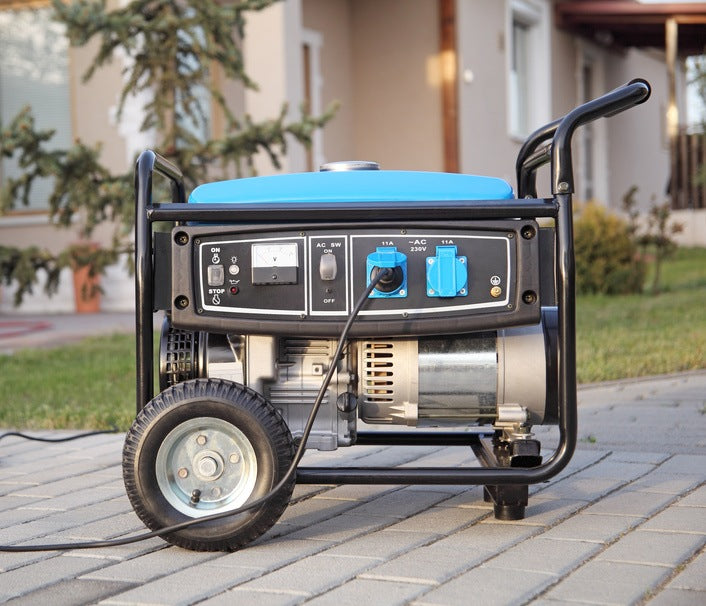
Credit: www.critterguard.org
Operating The Generator
Using a portable generator can be simple and effective. Follow these steps to operate it safely. Proper use ensures you get the most out of your generator. Understanding how to start it, manage fuel, and monitor output is key.
Starting The Generator
Start by placing the generator on a flat surface. Ensure it is away from flammable materials. Check the oil level before starting. Fill the tank with fresh fuel. Use the recommended fuel type for your model.
Next, turn the fuel valve to the “on” position. If your generator has a choke, set it to “closed.” Turn the ignition switch to “on.” Pull the starter cord gently. If it doesn’t start, repeat the process.
Managing Fuel Efficiency
To save fuel, run the generator only when needed. Avoid overloading the generator. Use only necessary appliances. Disconnect any unused devices to reduce demand.
Consider using energy-efficient appliances. They consume less power. Turn off lights and devices not in use. Regular maintenance can also improve fuel efficiency.
Monitoring Output Levels
Keep an eye on the output levels. Use a wattage meter to check usage. Make sure the total wattage does not exceed the generator’s capacity. This prevents damage to your generator and appliances.
Listen for unusual sounds. A change in noise can indicate an issue. Check the generator regularly for performance. This helps ensure safe and effective operation.
Maintenance Tips
Using a portable generator requires some care. Always read the manual before use. Keep it dry and away from water. Regularly check the oil and fuel levels. Clean the air filter often. Proper maintenance ensures safety and longer life for your generator.
Maintenance Tips play a crucial role in ensuring your portable generator runs smoothly and lasts for years. Neglecting maintenance can lead to unexpected breakdowns, especially when you need it the most. Here are some essential tips to keep your generator in top shape.Cleaning After Use
Cleaning your generator after each use is vital. Dust and debris can accumulate and affect performance. – Wipe down the exterior with a damp cloth to remove any dirt. – Ensure air vents are clear to prevent overheating. – Use a brush to clean any stubborn grime, especially around the fuel tank and exhaust. Taking these simple steps not only enhances efficiency but also extends the life of your generator. Have you ever tried starting a dirty generator? It can be frustrating!Checking Oil Levels
Regularly checking oil levels is essential for optimal performance. Low oil can lead to engine damage. – Before each use, look at the oil dipstick. – Add oil if it appears below the recommended level. – Change the oil every 50 hours of operation or as specified in the manual. Your generator deserves the same attention as your car. Have you noticed how much smoother things run with proper oil levels?Scheduling Routine Checkups
Don’t wait for a problem to arise before you take action. Scheduling routine checkups can save you from costly repairs down the road. – Check the spark plug, fuel filter, and battery connections regularly. – Keep a maintenance log to track what you’ve done. – Consider professional servicing annually, especially if you use your generator frequently. Regular checkups can catch issues early. Wouldn’t it be better to prevent a breakdown than deal with the aftermath? By prioritizing these maintenance tips, you can ensure your portable generator is always ready to go when you need it.
Credit: www.ecicomfort.com
Safety Precautions
Using a portable generator can be helpful. Safety is very important. Follow these precautions to avoid dangers.
Avoiding Carbon Monoxide Risks
Carbon monoxide is a silent killer. It is colorless and odorless. Place the generator outside, away from windows. This helps keep the air safe.
Check the exhaust regularly. Make sure it is not blocked. Install a carbon monoxide detector indoors. This device warns you if levels rise.
Using Surge Protectors
Power surges can damage your appliances. Protect them by using surge protectors. Plug your devices into these protectors first.
Always check the generator’s wattage. Ensure it matches your appliances’ needs. This prevents overload and keeps everything running smoothly.
Handling Emergencies
Have a plan for emergencies. Know how to shut off the generator quickly. Keep a flashlight nearby. It helps in case of power failure.
Store fuel safely. Keep it in a cool, dry place. Make sure it is out of reach of children.
Storing The Generator
Storing your portable generator correctly is vital for its lifespan. Keep it in a dry, cool place away from direct sunlight. Regularly check the fuel and oil levels to ensure it runs smoothly when needed. Proper storage ensures your generator is ready for use at any time.
Storing your portable generator properly is essential for maintaining its performance and extending its lifespan. A generator that is not stored correctly can suffer from fuel degradation, moisture damage, and even rust. Here’s how to ensure your generator stays in top shape during storage.Draining Fuel
Draining the fuel is a crucial step before storing your generator. If you leave fuel in the tank, it can break down and clog the fuel system. To drain the fuel: – Start the generator and let it run until it uses up the remaining fuel. – Alternatively, use a siphon pump to remove fuel from the tank. This simple action prevents gumming and keeps your generator ready for use when you need it next.Protecting Against Moisture
Moisture can wreak havoc on your generator’s internal components. To protect against rust and corrosion, take the following steps: – Place silica gel packets inside the generator’s housing. – Use a tarp or cover to shield it from rain or humidity. Consider using a dehumidifier in your storage space if it’s prone to dampness. You want your generator dry, so it’s ready to power your home when the time comes.Choosing The Right Storage Location
Selecting the right storage location is vital. You want a spot that is cool, dry, and well-ventilated. – Avoid storing it in a basement or garage that may flood. – A shed or a dedicated storage unit works well. Make sure the generator is away from flammable materials. Keeping it safe and secure ensures it’s in perfect condition when you need it next. Have you thought about how you’ll store your generator for the long term? Proper storage can save you headaches down the line.Frequently Asked Questions
What Can A Portable Generator Power?
A portable generator can power various appliances like refrigerators, lights, and medical equipment. The exact capacity depends on the generator’s wattage. It’s crucial to calculate your power needs before usage. Ensure you prioritize essential devices to avoid overloading the generator.
How Do I Safely Use A Portable Generator?
To use a portable generator safely, place it outdoors, away from windows. Always use proper extension cords rated for outdoor use. Avoid connecting the generator directly to your home’s electrical system without a transfer switch. Regularly inspect the generator for fuel leaks or damage to prevent accidents.
Can I Run A Portable Generator In The Rain?
Running a portable generator in the rain is unsafe and not recommended. Water can cause electrical shock or damage the generator. To protect it, use a generator cover or shelter it under a canopy. Always ensure good ventilation to prevent carbon monoxide buildup.
How Often Should I Maintain My Portable Generator?
Regular maintenance for your portable generator is essential for optimal performance. Check the oil level, air filter, and spark plug every few months. Additionally, clean the fuel system and inspect for any wear and tear annually. Following the manufacturer’s guidelines can prolong your generator’s lifespan.
Conclusion
Using a portable generator can be simple and effective. Always follow safety rules. Place it outdoors, away from windows. Keep fuel stored safely. Regular maintenance ensures it works well. Test it before you need it. This way, you stay prepared for any situation.
Enjoy the benefits of power when you need it most. A portable generator is a reliable tool for emergencies or outdoor events. Stay safe and powered up with the right practices.