

When your generator runs out of fuel, the last thing you want is to stop everything just to refill it. But have you ever wondered if you can refuel your generator while it’s still running?
This question is crucial for anyone who relies on generators for power, especially during emergencies or outdoor events. Understanding the safety and practicality of refueling a running generator can save you time, hassle, and possibly even danger. We’ll dive into the important factors you need to consider before refueling.
By the end, you’ll know exactly what to do to keep your generator running smoothly and safely. Let’s get started!

Credit: americasgenerators.com
Refueling Generators During Operation
Refueling a generator while it is running can be risky. Many people wonder if this practice is safe. Understanding the dangers and best practices is important. Let’s explore this topic in detail.
Safety Risks Of Refueling A Running Generator
Refueling a generator while it runs can lead to fires. Fuel spills can ignite easily. Generators produce heat and sparks. These can cause flammable vapors to catch fire.
Also, there is a risk of burns. Hot surfaces can cause serious injuries. Always stay cautious when near a running generator.
Manufacturer Recommendations
Most manufacturers advise against refueling while running. They provide specific guidelines for safe operation. Always read the user manual for your generator.
Follow the manufacturer’s instructions. This helps avoid accidents and keeps you safe. Ignoring these guidelines can void your warranty.
Best Practices For Refueling
Turn off the generator before refueling. Wait for the engine to cool down. This reduces the risk of fire.
Use a funnel to avoid spills. Keep a fire extinguisher nearby. This can help in case of an emergency.
What To Do In An Emergency
If a fire breaks out, act quickly. Turn off the generator immediately. Use the fire extinguisher if safe to do so.
Call emergency services if the fire spreads. Always prioritize your safety first. Avoid putting yourself in danger.

Credit: americasgenerators.com
Risks Of Refueling While Running
Refueling a generator while it is running can be dangerous. The risks are real and should not be ignored. Understanding these risks is essential for safety.
Fire Hazards
Fuel is highly flammable. Spilling fuel can easily ignite. A running generator produces heat and sparks. This increases the chance of a fire.
Even a small spark can lead to a large fire. Always keep a safe distance when refueling. Make sure there are no open flames nearby.
Health Concerns
Fumes from fuel can be harmful. Breathing in these fumes can cause serious health issues. People can experience dizziness, headaches, and nausea.
It is important to refuel in a well-ventilated area. Avoid inhaling the fumes. Protect your health by taking safety seriously.
Damage To Equipment
Refueling while running can harm the generator. Fuel spills can damage the engine. Dirt and debris can enter the fuel system.
This can lead to costly repairs. It is best to turn off the generator before refueling. Taking this step can extend the life of your equipment.
Safety Precautions
Refueling a running generator can be dangerous. Fuel spills may cause fires or explosions. Always turn off the generator and let it cool before adding fuel. Prioritize safety by following proper refueling procedures.
Safety precautions are crucial when it comes to refueling your generator. The process may seem straightforward, but neglecting safety can lead to dangerous situations. Understanding the steps to take will help protect you and your equipment.Shutting Down The Generator
Always turn off your generator before refueling. This simple step prevents spills and reduces the risk of ignition. A few months ago, while camping, I saw someone try to refuel their generator while it was still running. The fumes mixed with the heat from the engine created a potentially hazardous environment. Thankfully, nothing happened, but it served as a stark reminder of the importance of safety. Take the time to shut down your generator completely. Wait a few moments to let it cool down before proceeding to add fuel.Cooling Down Period
After shutting down the generator, allow it to cool down for at least 15-20 minutes. This period is crucial for avoiding burns or injuries from hot surfaces. Even if it feels like a hassle, consider it a necessary waiting game. Touching a hot engine or fuel tank can lead to serious burns. Use this time wisely. Check your fuel supply and make sure you have the right type of fuel.Using Proper Fuel Containers
Always use approved fuel containers when refueling your generator. These containers are designed to prevent spills and minimize fire hazards. Never use old or damaged containers. They can leak and pose significant risks to you and your surroundings. Keep your fuel containers stored in a cool, well-ventilated area away from your generator. This simple act reduces the chance of an accidental ignition. Have you ever thought about the importance of using the right fuel container? It’s a small step that can make a big difference in your safety. Taking these precautions not only protects you but also extends the life of your generator. Stay safe and fuel smart.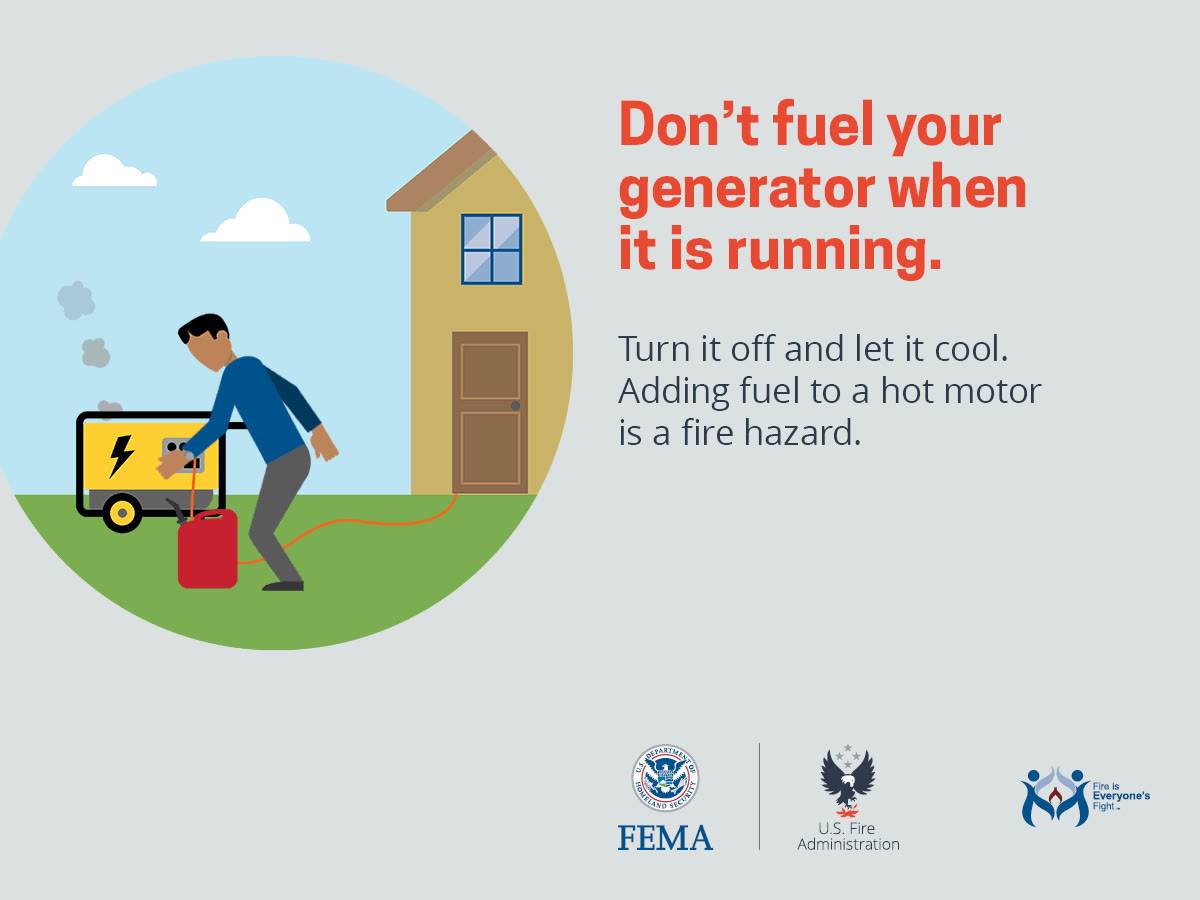
Credit: www.facebook.com
Alternatives To Refueling While Running
Refueling a generator while it is running can be dangerous. It can lead to spills and fires. Many people seek safer options. Here are some alternatives to consider.
Using Extended Fuel Tanks
Extended fuel tanks can hold more fuel. They allow longer operation times without refueling. This means less frequent stops. You can find tanks that fit your generator model. Make sure they are compatible. This option helps maintain a steady power supply.
Scheduling Refueling Times
Scheduling refueling during downtime is smart. Identify times when the generator is not in use. Plan refueling around these moments. This keeps your generator running smoothly. It also minimizes interruptions. Sticking to a schedule is key for efficiency.
Investing In Fuel-efficient Models
Fuel-efficient generators use less fuel. They provide longer run times. Investing in these models saves money in the long run. They are better for the environment too. Research and compare options before buying. Choose a model that meets your needs.
Best Practices For Generator Maintenance
Proper maintenance keeps your generator running smoothly. Simple steps help avoid breakdowns and extend its life. Regular checks ensure safety and efficiency.
Regular Inspections
Inspect your generator at least once a month. Look for signs of wear or damage. Check the oil level and change it if needed. Examine the air filter and clean it regularly. Ensure all connections are tight and free of corrosion.
Cleaning Fuel Components
Keep fuel components clean for better performance. Dust and dirt can clog filters. Use a soft cloth to wipe down surfaces. Replace fuel filters as recommended. This helps maintain fuel flow and efficiency.
Checking Fuel Levels Before Use
Always check fuel levels before starting the generator. Low fuel can cause the generator to stop suddenly. Fill the tank with fresh fuel to avoid issues. Look for leaks and fix them right away. This simple step can prevent many problems.
Frequently Asked Questions
Can You Safely Refuel A Running Generator?
Refueling a running generator is not recommended. Doing so can pose serious safety risks, including fire hazards and spills. It’s advisable to turn off the generator and let it cool down before refueling. This ensures a safer environment and prevents accidents.
What Are The Risks Of Refueling A Running Generator?
Refueling a running generator can lead to fuel spills and potential fires. The engine’s heat can ignite spilled fuel, causing dangerous flames. Additionally, there is a risk of fumes inhalation, which can be harmful. Always prioritize safety by shutting off the generator before refueling.
How Long Should You Wait To Refuel A Generator?
You should wait at least 15-30 minutes after turning off the generator. This allows the engine to cool down and reduces the risk of ignition from heat. Waiting ensures that the fuel tank and surrounding area are safe for refueling.
What Should You Do If Fuel Spills While Refueling?
If fuel spills while refueling, immediately stop the process and clean it up. Use absorbent materials to soak up the spilled fuel. Dispose of the materials according to local regulations. Ensure the area is well-ventilated and avoid any ignition sources until it is safe.
Conclusion
Refueling a generator while it runs is not safe. Fuel spills can cause fires or explosions. Always turn off the generator before refueling. This keeps you and your surroundings safe. Regular maintenance is also important for safe operation. Follow the manufacturer’s guidelines for best practices.
Prioritize safety to ensure a reliable power source. Remember, safety first leads to peace of mind. Keep these tips in mind for a smoother experience with your generator.