
When it comes to keeping your devices powered, you might have heard the terms “generator” and “UPS” tossed around. But do you know the difference between them?
Understanding these two power sources is crucial for anyone looking to safeguard their electronics or maintain productivity during outages. Whether you’re a homeowner, a business owner, or simply someone who relies on technology, knowing which option suits your needs can save you from unexpected disruptions.
We’ll break down the key differences between generators and UPS systems, helping you make an informed decision that best fits your lifestyle. Keep reading to find out which power solution is right for you!

Credit: www.pinterest.com
Generator Basics
Understanding the basics of generators can significantly enhance your preparedness for power outages or off-grid adventures. Generators serve as a reliable backup power source, but many people remain unclear about how they function or what types are available. Let’s break down the key aspects of generators to help you make informed decisions.
How Generators Work
Generators convert mechanical energy into electrical energy. They typically use an engine to turn a rotor within a magnetic field, creating electricity. This process is known as electromagnetic induction.
When you start a generator, the engine begins to run, and the rotor spins rapidly. This spinning motion generates an electric current that can power your appliances and devices. The output can vary based on the generator’s design and specifications.
Fuel Types For Generators
Generators can run on various fuel types, each with its advantages and downsides. Here are the most common fuel sources:
- Gasoline:Widely available and easy to use, but it has a shorter shelf life.
- Diesel:More fuel-efficient and has a longer shelf life, making it ideal for larger units.
- Propane:Cleaner burning and can be stored indefinitely, but it requires a conversion kit for some generators.
- Natural Gas:Convenient for permanent installations but may not be available in remote areas.
Choosing the right fuel type can depend on your usage needs and local availability. Have you thought about which fuel source would be most convenient for your lifestyle?
Power Output And Capacity
Generators are rated by their power output, typically measured in watts. The total capacity indicates how many devices you can run simultaneously. Understanding your power needs is crucial for selecting the right generator.
Most small generators produce between 1,000 to 5,000 watts, suitable for essential appliances like refrigerators and lights. Larger models can offer 10,000 watts or more, supporting multiple devices or heavy-duty equipment.
Before purchasing, calculate the wattage of the items you want to power. This ensures you choose a generator that meets your requirements without overloading it. Have you assessed your power needs yet?
Ups Fundamentals
Understanding UPS fundamentals is crucial for anyone looking to safeguard their electronic devices from power interruptions. Unlike generators that start up after a power loss, uninterruptible power supplies (UPS) provide immediate backup. Let’s dive into how UPS systems work and what sets them apart.
Role Of Ups In Power Backup
A UPS serves as a bridge between your devices and the main power supply. It kicks in instantly during power outages, ensuring that your equipment remains operational. This is particularly vital for sensitive devices like computers and servers, where even a brief interruption can lead to data loss.
Think about how frustrating it is to lose your unsaved work due to a sudden blackout. With a UPS, your devices stay powered long enough for you to save your work and shut them down safely. It acts as a safety net, providing peace of mind during unexpected power events.
Battery-powered Operation
UPS systems rely on internal batteries to provide power during outages. These batteries are always charged, ready to take over when needed. This is different from generators, which require time to start up.
The battery’s lifespan is key. Depending on usage and type, a UPS battery can last anywhere from 3 to 5 years. Regular maintenance and timely replacements help ensure your UPS is always ready when you need it most.
Instantaneous Power Supply
One of the standout features of a UPS is its ability to deliver power instantaneously. When the main power supply fails, a UPS switches to battery power within milliseconds. This seamless transition prevents disruptions that can harm your devices.
Imagine you’re in the middle of an important video call when the power goes out. A UPS keeps your computer running, allowing you to continue without missing a beat. This instantaneous response is what makes UPS systems invaluable in today’s tech-driven world.
Key Functional Differences
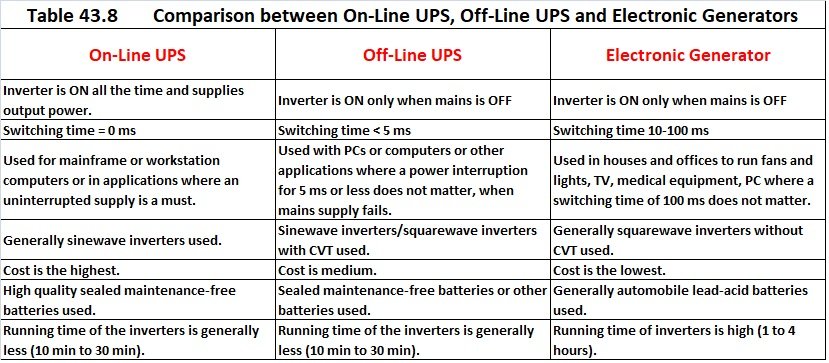
Generators and uninterruptible power supplies (UPS) serve different purposes. Understanding their key differences helps in choosing the right one. Each device has unique features that affect performance and usage.
Startup Time Comparison
Generators take longer to start. They may need several seconds to kick in. This delay can be an issue during power outages.
UPS systems start almost instantly. They provide immediate power. This quick response is crucial for sensitive equipment.
Duration Of Power Supply
Generators can run for hours or even days. They depend on fuel like gasoline or diesel. Users can refill them as needed.
UPS systems offer limited runtime. Usually, they last from a few minutes to a few hours. This duration is often enough for short outages.
Energy Source Variations
Generators rely on fuel sources. Gasoline, diesel, and propane are common. This can be costly and requires storage.
UPS devices use batteries for power. They charge when electricity is available. This makes them simpler and cleaner to use.
Use Cases And Applications
Understanding the use cases for generators and uninterruptible power supplies (UPS) helps in choosing the right option. Each has specific applications based on power needs. Below are key areas where these devices are commonly used.
Residential Settings
In homes, generators provide backup power during outages. They keep essential appliances running. This includes refrigerators, heating systems, and lights. Generators can be fueled by gas, propane, or diesel. They offer a reliable solution for long outages.
UPS systems are used for electronics. They protect devices like computers and routers. A UPS provides instant power during short outages. It prevents data loss and hardware damage. Home offices and gaming setups benefit from a UPS.
Industrial And Commercial Needs
Businesses often rely on generators for large power needs. They support manufacturing equipment and lighting. Generators ensure smooth operations during blackouts. They are crucial for outdoor events and construction sites.
UPS systems are vital in offices. They maintain power for servers and networking equipment. A UPS protects against power surges. This keeps sensitive data safe. Many businesses use UPS to avoid downtime.
Critical Operations And Healthcare
Healthcare facilities need constant power. Generators provide backup for hospitals and clinics. They keep life-saving equipment running during outages. This ensures patient safety and operational continuity.
UPS systems are crucial in healthcare too. They support devices like ventilators and monitors. A UPS ensures immediate power during brief outages. This can be lifesaving in critical situations.
Cost And Maintenance Factors
Cost and maintenance vary between generators and UPS systems. Generators often have higher initial costs and require regular fuel and servicing. UPS units typically need less upkeep but may need battery replacement, impacting long-term expenses. Understanding these factors helps in making an informed choice.
Understanding the cost and maintenance factors of generators and UPS (Uninterruptible Power Supply) systems is crucial for making an informed decision. Both power solutions serve distinct purposes, and their financial implications can differ significantly. Knowing these factors can save you money and ensure you choose the right option for your needs.Initial Investment Costs
The initial investment for a generator typically ranges from a few hundred to several thousand dollars, depending on its size and capacity. For example, a small portable generator may cost around $500, while a larger standby generator can exceed $5,000. A UPS system, on the other hand, usually has a lower upfront cost for smaller units. You might find a basic UPS for as low as $100. However, larger, more powerful UPS systems can go up to $3,000 or more. Your choice will depend on your specific power needs. Are you looking for backup power during outages or protection against power surges?Operational Expenses
Operational expenses for generators can be significant. You’ll need to budget for fuel, which may fluctuate based on market prices. Regular use of a generator can also lead to higher fuel costs over time. UPS systems generally have lower operational costs. Most of them run on electricity, consuming minimal power while charging. However, the battery replacements can add up, especially if you need to replace them every 3-5 years. Consider what you’re willing to invest long-term. Are you prepared for ongoing fuel expenses, or would you prefer the lower energy costs of a UPS?Maintenance Requirements
Generators require regular maintenance to ensure efficiency. This includes oil changes, air filter replacements, and routine inspections. Neglecting maintenance can lead to costly repairs or equipment failure. UPS systems also require maintenance, but it’s usually less intensive. You may need to check battery health and perform occasional cleaning. Most modern UPS units come with monitoring software, making it easier to keep track of their condition. Think about your comfort level with maintenance. Are you ready to invest time and effort into a generator, or would you prefer the simplicity of a UPS?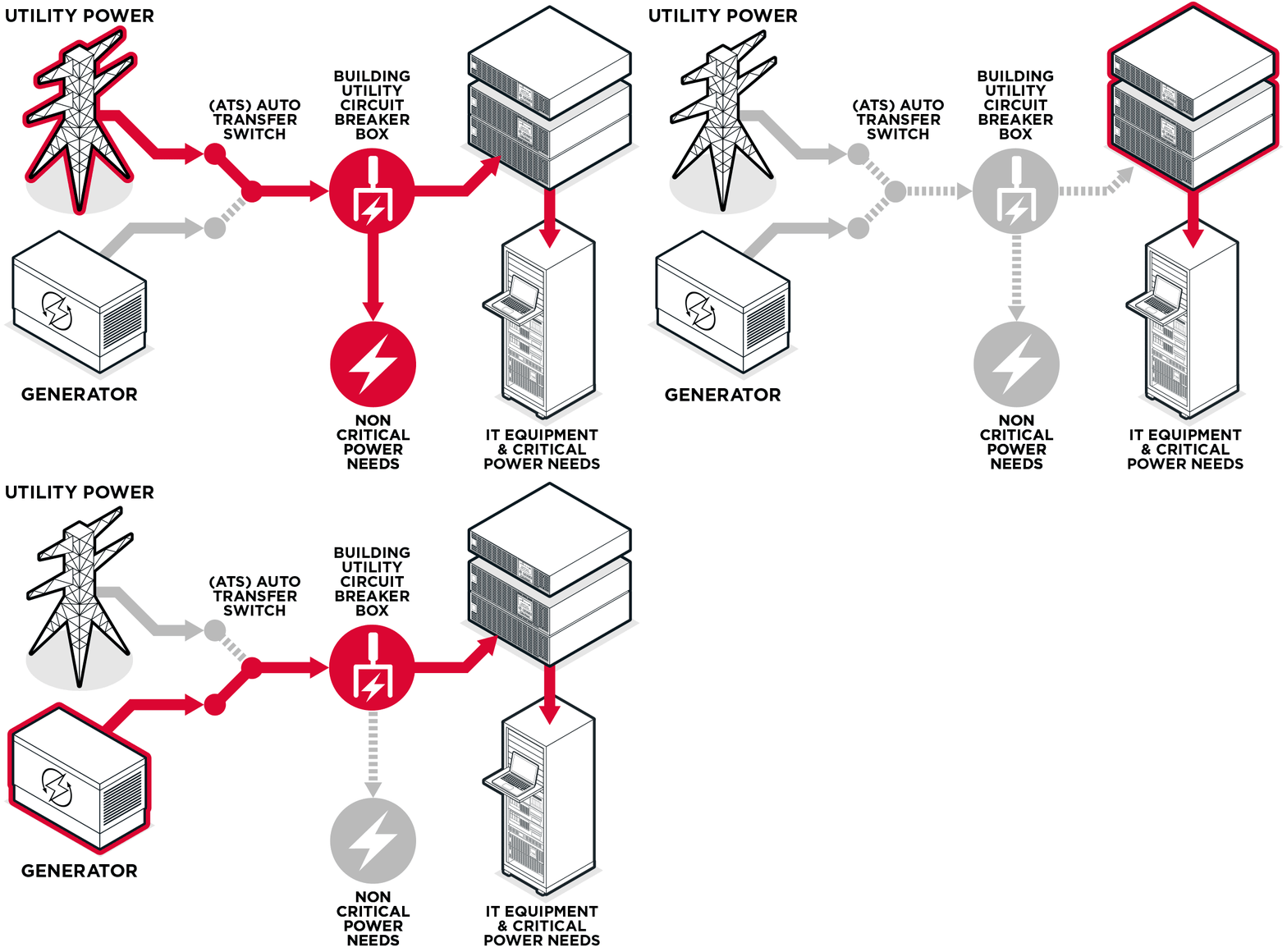
Credit: www.cyberpowersystems.com
Environmental Considerations
Generators and uninterruptible power supplies (UPS) serve different needs. Generators provide power during outages, while UPS systems keep devices running for a short time. Understanding their differences helps in choosing the right option for your energy needs, especially considering environmental impacts.
Environmental considerations play a crucial role in the decision-making process when choosing between a generator and an uninterruptible power supply (UPS). Understanding how each option impacts the environment can help you make a more informed choice that aligns with your values and responsibilities. Here’s a closer look at the environmental implications of both devices.Fuel Emissions From Generators
Generators typically run on diesel or gasoline, producing harmful emissions. These emissions contribute to air pollution and can have serious health effects on people and wildlife. – Carbon Dioxide (CO2): A major greenhouse gas that contributes to climate change. – Nitrogen Oxides (NOx): Harmful gases that can lead to smog and respiratory issues. – Particulate Matter: Tiny particles that can penetrate the lungs and enter the bloodstream. If you’ve ever stood near a generator running for hours, you may have noticed the smell of fuel and exhaust. This is not just unpleasant; it’s harmful. You might consider how often you’ll need to use a generator and the potential emissions each time.Ups Energy Efficiency
UPS systems are designed for energy efficiency. They convert AC power to DC and then back to AC, minimizing energy waste. This efficiency translates to lower energy consumption and less impact on the environment. – Standby Mode: Many UPS systems have a low-power mode when not in use, saving energy. – Smart Technology: Some models optimize power usage automatically, further enhancing efficiency. Using a UPS can reduce your carbon footprint significantly. Have you checked the energy rating of your current UPS? Higher ratings often indicate better efficiency and lower environmental impact.Sustainability Impacts
When considering sustainability, generators often fall short. The extraction and burning of fossil fuels are not sustainable practices. – Resource Depletion: Reliance on fossil fuels contributes to the depletion of natural resources. – Waste Generation: Generators can produce hazardous waste, including oil and batteries. In contrast, many UPS systems can support renewable energy sources like solar panels. This adaptability not only enhances sustainability but also aligns with global efforts to reduce reliance on fossil fuels. What steps are you taking to promote sustainability in your own energy consumption? Your choices today can significantly influence future environmental health.Choosing The Right Option
Generators and UPS systems both provide backup power but serve different purposes. A generator creates electricity during an outage, while a UPS offers instant power for a short time. Understanding these differences helps in choosing the right option for your needs.
Choosing the Right Option Deciding between a generator and an uninterruptible power supply (UPS) can feel overwhelming. Each serves a unique purpose and understanding their differences is crucial for making the right choice for your needs.Assessing Power Needs
Begin by evaluating your power requirements. – What devices do you need to power? Consider everything from computers to refrigerators. – How long do you want to keep them running? A generator is ideal for extended outages. A UPS, on the other hand, is designed for short-term power interruptions. Think about your lifestyle. If you work from home, a UPS may be essential to protect your computer and data during brief outages. If you’re planning for a camping trip or an outdoor event, a generator could be the best fit.Budget Constraints
Your budget plays a significant role in your decision. – Generators typically have a higher upfront cost, but they provide more power over longer periods. – UPS systems are generally less expensive, but they have limitations in terms of the load they can handle and the duration of backup. Consider the long-term costs too. Generators require fuel and maintenance, while UPS units may need battery replacements every few years. What fits within your financial plan?Long-term Reliability
Reliability is key when choosing your power source. – Generators can last for years with proper maintenance. They are robust and can handle heavy loads. – UPS systems are reliable for protecting sensitive electronics, but they have a shorter lifespan due to battery wear. Think about how often you experience outages. If your area is prone to frequent power cuts, investing in a generator might save you stress in the long run. What will you prioritize: immediate power for short outages or long-term reliability for extended blackouts? Your answer will guide your decision.
Credit: www.adeptpower.co.uk
Frequently Asked Questions
What Is A Generator Used For?
A generator is used to convert mechanical energy into electrical energy. It provides power during outages or in remote locations. Common applications include construction sites, outdoor events, and emergency backup for homes. Generators are essential for ensuring continuous electricity supply when the main source fails.
What Is A Ups System?
A UPS, or Uninterruptible Power Supply, is a device that provides backup power during electrical outages. It protects devices from power surges and fluctuations. UPS systems are crucial for computers, servers, and sensitive equipment. They ensure that your devices continue functioning during short power interruptions.
How Do Generators And Ups Differ?
Generators and UPS systems serve different purposes. Generators provide long-term power during outages, while UPS systems offer immediate backup for short durations. Generators require fuel, while UPS systems rely on batteries. Understanding these differences helps in choosing the right power solution for specific needs.
Can A Ups Replace A Generator?
A UPS cannot fully replace a generator. While a UPS offers short-term power, it is designed for quick outages. Generators, on the other hand, supply power for extended periods. For reliable long-term electricity, both devices can complement each other in a power management strategy.
Conclusion
Generators and UPS systems serve different purposes. Generators provide power during outages. They run on fuel and can power many devices. UPS systems protect devices from power issues. They offer short-term backup power and surge protection. Understanding these differences helps you choose the right option.
Think about your needs. Do you want long-term power or short protection? Each has its benefits. Knowing this will help you make an informed decision. Choose wisely to keep your devices safe and powered.