
Are you tired of power outages disrupting your daily life? Do you want a reliable backup solution that keeps your home running smoothly?
Understanding how to use a generator at home can be a game-changer for you. Whether you’re preparing for an emergency or just looking to power your outdoor activities, knowing the ins and outs of generator use is essential. This guide will walk you through everything you need to know, from choosing the right generator to safely operating it.
By the end, you’ll feel confident and prepared to harness the power of a generator whenever you need it. Keep reading to discover how you can ensure your home stays powered up, no matter what!
Choosing The Right Generator
Choosing the right generator is important for your home. A good generator provides power during outages. It can also help with outdoor activities. Knowing your needs helps you make the best choice.
Different types of generators fit different needs. Understanding your power requirements is key. You also need to consider fuel options. Each factor plays a role in your decision.
Types Of Generators
Generators come in various types. Portable generators are easy to move. They are great for camping or small power needs.
Standby generators are permanent. They turn on automatically during outages. These are ideal for homes needing constant power.
Inverter generators are quiet and efficient. They are perfect for sensitive electronics. Choose a type based on your specific needs.
Power Requirements
Understanding your power needs is crucial. List the devices you want to power. Each device has a wattage requirement.
Calculate the total wattage needed. This helps you choose a generator with enough capacity. Remember to consider starting wattage for larger appliances.
Fuel Options
Generators use different types of fuel. Gasoline is common and easy to find. It is best for portable models.
Propane is cleaner and has a long shelf life. It works well for standby generators.
Diesel generators are powerful but can be noisy. Consider your fuel availability and preferences before deciding.

Credit: blog.norwall.com
Preparing The Generator
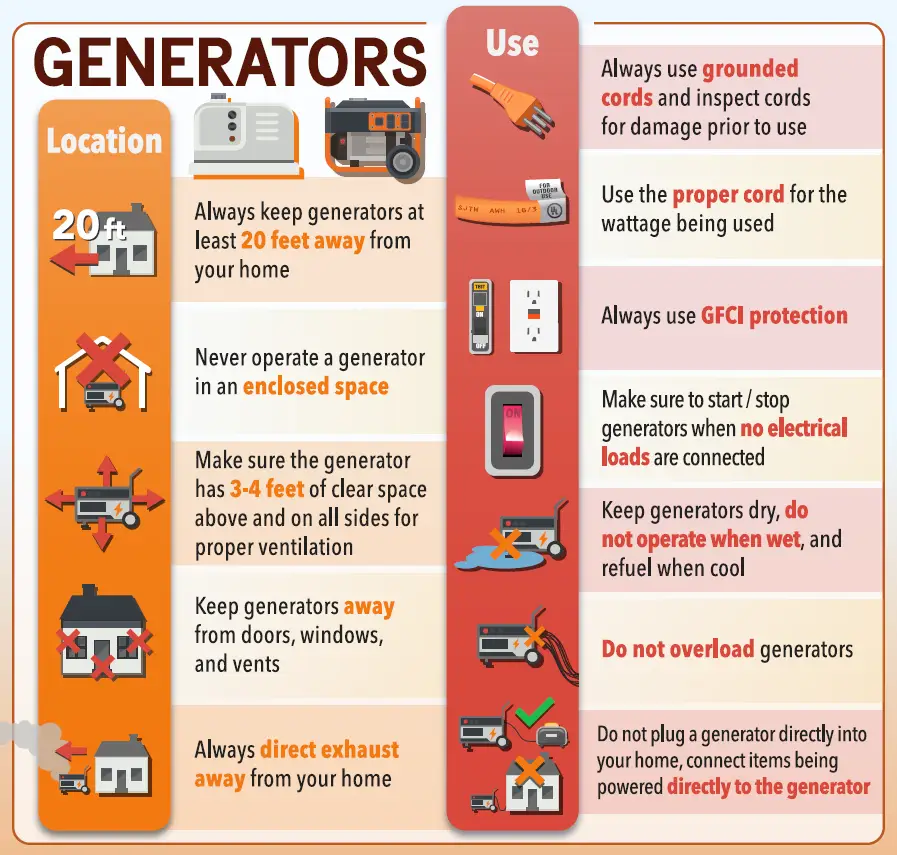
Start by placing the generator outdoors in a well-ventilated area. Check the fuel level and make sure the oil is filled. Ensure all connections are secure before turning it on. Following these steps will help you safely use your generator at home.
Preparing the generator for use at home is essential for safety and efficiency. Taking a few moments to set it up properly can save you from potential hazards and ensure that you get the most out of your equipment. Here’s how to get started.Safety Precautions
Always prioritize safety when using a generator. – Read the Manual: Familiarize yourself with your generator’s specific requirements and features. – Proper Ventilation: Generators produce carbon monoxide. Always use yours outdoors and away from windows and doors. – Avoid Overloading: Know the wattage your generator can handle. Overloading can lead to equipment damage or even fires. I remember a friend who overloaded his generator during a storm. He thought he could power everything, but it tripped the circuit and caused a mess. Don’t make that mistake.Location Setup
Choosing the right spot for your generator is crucial. – Flat, Stable Surface: Position the generator on a level surface to prevent it from tipping over. – Distance from Home: Keep it at least 20 feet away from your home to avoid carbon monoxide buildup. – Protect from Elements: Use a generator tent or cover to shield it from rain, but ensure it remains well-ventilated. Consider your neighbors too. They might appreciate not hearing the noise if you place it farther away.Inspecting The Generator
Before using your generator, a quick inspection is necessary. – Check Fuel Levels: Ensure you have enough fuel and that it’s the right type for your generator. – Look for Damage: Inspect cables, outlets, and the body for any signs of wear or damage. – Test Start: Run the generator briefly to ensure it operates smoothly. I once skipped this step and found my generator wouldn’t start during a power outage. A simple inspection could have saved me a lot of stress. Setting up your generator properly can make a world of difference. Are you ready to take these steps and ensure your home is prepared for any situation?Starting The Generator
Starting the generator is simple. First, ensure it is in a well-ventilated area. Next, check the fuel level and add fuel if needed. Finally, pull the starter cord to turn it on. Always follow safety guidelines while using your generator at home.
Starting a generator may seem daunting, but with the right steps, it can be straightforward and safe. Whether you need backup power during an outage or you’re planning a camping trip, knowing how to start your generator is essential. Let’s break down the process into clear, manageable steps to get your generator up and running smoothly.Fueling The Generator
Before you can start your generator, you need to ensure it has the right fuel. Most generators run on gasoline, but some may use propane or diesel. – Check the fuel level: Look at the gauge to see if you need to add more. – Use the correct fuel: Always refer to your generator’s manual to confirm the type of fuel it requires. I remember the first time I used my generator. I was excited but failed to check the fuel level. I ended up scrambling last minute to find gasoline before the storm hit.Priming The System
Once you’ve added fuel, it’s time to prime the system. This step helps the generator start more easily. – Locate the primer bulb: Most generators have a small, round bulb near the carburetor. – Press the bulb: Push it several times to get fuel into the lines. This step is crucial. Skipping it can lead to a frustrating start, so don’t rush through it. Remember, a well-primed generator has a better chance of starting on the first try.Turning On The Generator
Now that you’ve fueled and primed, it’s time to start the generator. – Set the choke: Move the choke lever to the “closed” position for a cold start. – Turn the ignition switch to “on”: This is usually a simple toggle or button. – Pull the starter cord: If you have a pull-start model, give it a firm pull. For electric-start models, press the start button. Keep an eye on the lights or indicators. They will tell you if the generator is running smoothly. If it doesn’t start, double-check the fuel and prime again. Have you ever had a moment of panic when the generator wouldn’t start during a power outage? Taking it step by step can ease that anxiety and prepare you for any situation.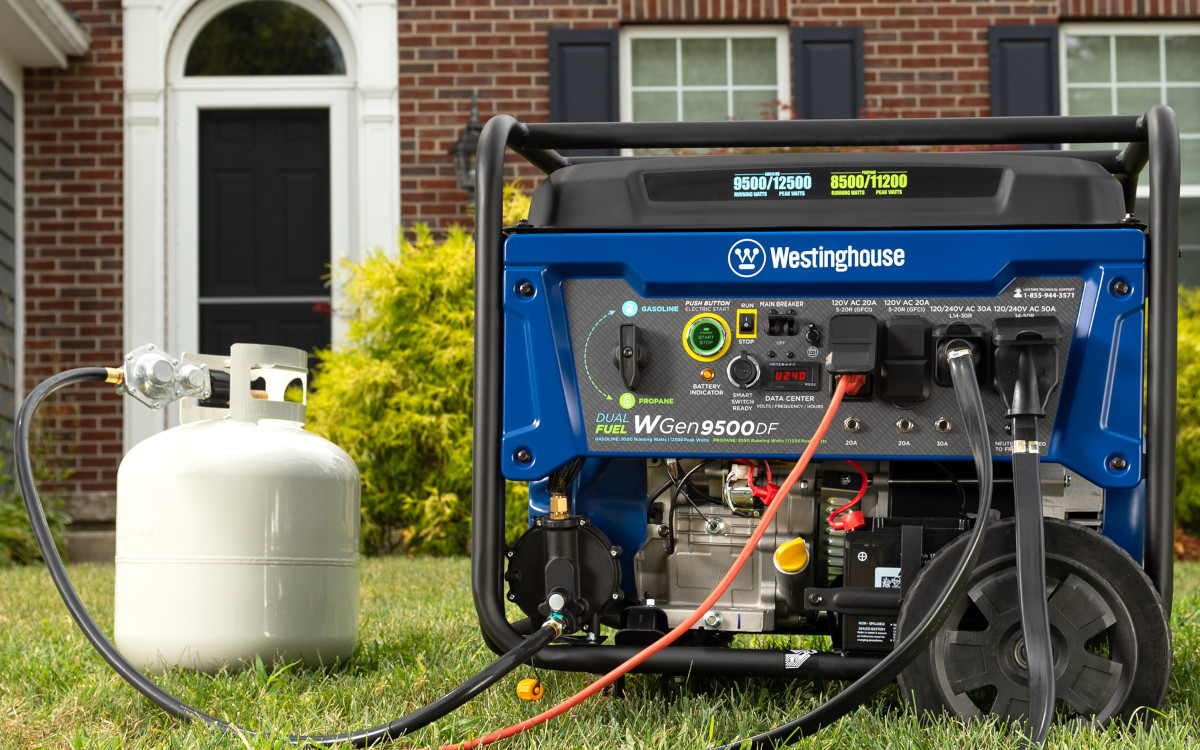
Credit: norwall.com
Connecting Appliances
Connecting appliances to your generator is essential for home use. It ensures that you have power during outages. Doing this correctly keeps your devices safe and functioning well.
There are different ways to connect appliances. You can use extension cords, direct connections, or manage the load properly. Each method has its own benefits and rules.
Using Extension Cords
Extension cords offer a simple way to connect appliances. Choose heavy-duty cords for safety. They can handle more power and reduce risks.
Make sure the cord length is appropriate. A longer cord can cause voltage drop. This affects the performance of your appliances. Always check the cord’s rating. It should match or exceed the power needs of your devices.
Direct Connections
Direct connections provide a more stable power supply. This method usually requires a transfer switch. A transfer switch connects your generator to your home’s electrical panel.
Using this switch is safer than plugging appliances directly into the generator. It prevents backfeeding into the grid. This keeps utility workers safe.
Load Management
Load management helps you avoid overloading your generator. Know the wattage of each appliance. This knowledge helps you balance the power use.
Start with essential appliances first. These may include your fridge and lights. Then, add other devices one by one. Monitor the generator’s performance as you do this.
Overloading can damage your generator. It can also cause power outages. Always keep the total wattage within the generator’s limits.
Maintaining The Generator
Keeping your generator in good shape is important. Regular checks on fuel and oil levels help it run smoothly. Clean the air filter often to ensure efficiency. Always follow the manufacturer’s instructions for maintenance to extend its lifespan.
Maintaining your generator is essential for its longevity and optimal performance. Regular upkeep not only prevents unexpected failures but also ensures you have reliable power when you need it most. Let’s dive into some practical steps you can take to keep your generator in top shape.Routine Inspections
Conducting routine inspections is vital. Start by checking the oil levels and inspecting the oil for any discoloration. If it appears dirty, change it out immediately. Look for signs of wear on the fuel lines and connections. Any cracks or leaks can lead to major issues later on. Don’t forget to check the air filter. A clogged filter can reduce efficiency. Replace it if it looks dirty or damaged.Cleaning Tips
Keeping your generator clean helps it run smoothly. Use a damp cloth to wipe down the exterior and remove any dust or debris. Inspect the exhaust system for soot buildup. A clean exhaust ensures better airflow and performance. Make sure to clean the fuel tank too. Old or contaminated fuel can cause the generator to malfunction. Empty and clean the tank periodically, especially if you haven’t used the generator in a while.Replacing Parts
Over time, certain parts will wear out and need replacing. Keep an eye on the spark plugs. If your generator is hard to start or runs roughly, it might be time for a change. Batteries also have a shelf life. Check the battery regularly and replace it if you notice any signs of corrosion or if it fails to hold a charge. Consult your generator’s manual for specific replacement schedules. Following these guidelines can prevent surprises and keep your generator ready for action. Have you ever faced a power outage and found your generator unresponsive? Regular maintenance can prevent such frustrating moments. Your generator should be a reliable tool, not a source of stress.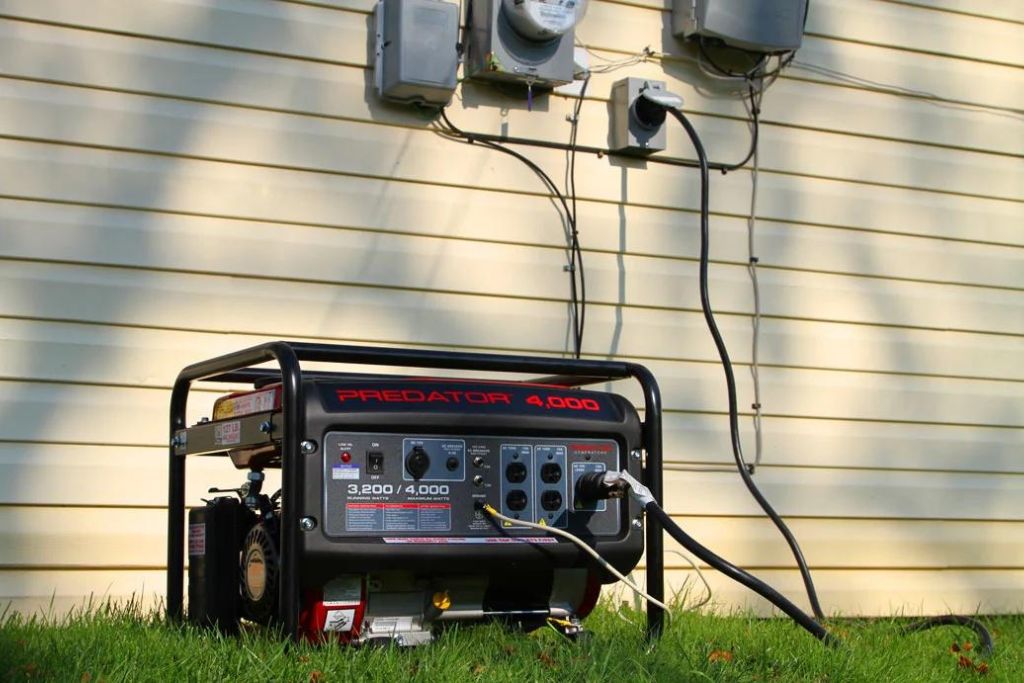
Credit: www.staticelectrics.com.au
Storing The Generator
Storing a generator safely is important for its longevity. Keep it in a dry, cool place away from direct sunlight. Ensure the fuel tank is empty or stabilized to avoid leaks. Regular checks help maintain its condition and readiness for use.
Storing your generator properly is crucial for its longevity and performance. After using it during a power outage or for a home project, you want to ensure it’s ready for the next time you need it. Let’s dive into practical steps for storing your generator effectively.Draining Fuel
Draining the fuel is one of the most important steps before storing your generator. Old fuel can cause starting issues or even damage the engine. – Start by running the generator until it runs out of fuel. This ensures that any remaining fuel in the system is used up. – If your generator has a fuel shut-off valve, use it. This allows you to drain the remaining fuel from the carburetor. – Consider adding a fuel stabilizer. This can help keep the fuel fresh for longer if you decide to leave some in the tank. Taking these steps prevents buildup and keeps your generator in top shape for future use.Protective Covers
Using a protective cover is a simple yet effective way to shield your generator from dust, moisture, and debris. – Choose a cover made from breathable material. This prevents moisture buildup, which can lead to rust. – Make sure the cover fits well. A loose cover can allow dirt to enter and damage the generator. I remember the first time I stored my generator without a cover. Dust settled in places I couldn’t reach, and I faced issues when I needed it again. Protecting your generator with a cover saves time and hassle later.Safe Storage Practices
Storing your generator in a safe and appropriate location is key. – Select a dry, cool area away from flammable materials. This reduces the risk of fire hazards. – Elevate the generator off the ground. Use a shelf or a platform to keep it safe from moisture. – Keep it locked or secure. Generators can be expensive, so consider a storage solution that protects it from theft. Have you thought about where you keep your generator? A safe and organized space not only protects your investment but also makes it easier for you to access when needed. By paying attention to these details, you ensure your generator will be ready to perform whenever you need it.Frequently Asked Questions
How Do I Safely Use A Generator At Home?
To safely use a generator at home, follow manufacturer instructions carefully. Always operate it outdoors to avoid carbon monoxide poisoning. Use heavy-duty extension cords to connect appliances. Keep the generator dry and away from flammable materials. Regularly maintain your generator for optimal performance and safety.
What Appliances Can I Run With A Generator?
You can run essential appliances like refrigerators, lights, and heaters with a generator. The wattage of the generator determines how many appliances you can power. Always check the starting and running wattage of appliances before connecting them. Prioritize critical devices during a power outage.
How Long Can A Generator Run Continuously?
Most portable generators can run for 8 to 12 hours on a full tank. However, this varies based on the generator’s size and load. Always refer to the manufacturer’s specifications for exact runtime. Remember to refuel safely and allow the generator to cool down before refueling.
Do I Need A Transfer Switch For My Generator?
Yes, a transfer switch is essential for safely connecting a generator to your home’s electrical system. It prevents backfeeding, which can be dangerous for utility workers and your equipment. Installing a transfer switch ensures proper distribution of power. Consult a licensed electrician for installation.
Conclusion
Using a generator at home can be simple and safe. Follow the tips shared in this guide. Choose the right generator for your needs. Always read the manual for instructions. Keep safety first to avoid accidents. Regular maintenance ensures your generator works well.
With proper care, it can serve you for years. Enjoy the benefits of having power when you need it most. A generator can be a reliable backup for your home. Stay prepared and stay safe.