

Are you tired of noisy generators that disrupt your peace? You’re not alone.
Many people seek a quiet generator for camping, tailgating, or even emergency backup at home. The right generator can provide power without the roar that keeps you awake at night or ruins the tranquility of your outdoor adventures. But which generator is the quietest?
We’ll explore the top options on the market, comparing their noise levels, features, and what makes them stand out. By the end, you’ll have a clear idea of which generator suits your needs best, allowing you to enjoy your activities without the distraction of loud machinery. Keep reading to discover the quiet power solutions that can enhance your life.
Top Features For Quiet Generators
Choosing a quiet generator involves understanding key features. These features help reduce noise while providing power. Here are the most important aspects to consider.
Noise Level Rating
The noise level rating is crucial. It tells you how loud the generator is. Look for models with a low decibel rating. Generators below 60 decibels are often very quiet. This rating helps you find a generator that won’t disturb your peace.
Inverter Technology
Inverter technology is a major feature. It produces cleaner and quieter power. This technology adjusts engine speed based on power demand. As a result, it runs more quietly than traditional generators. It is ideal for sensitive electronics.
Soundproofing Design
Many quiet generators have soundproofing. This design reduces noise from the engine. Look for models with sound-dampening materials. These can significantly lower the noise output. A good design helps keep the noise inside the unit.
Eco-mode Function
Eco-mode is a helpful feature. It saves fuel and reduces noise. The generator automatically adjusts power based on your needs. This means it runs quieter during low demand. It’s great for conserving energy and minimizing sound.
Portable Design
A portable design adds convenience. Lightweight generators are easier to move. This makes it simple to use them in different locations. Consider models with wheels or handles. Easy transport helps you set up without hassle.
Fuel Efficiency
Fuel efficiency is an important aspect. Generators that use less fuel run longer. This can reduce the need for refueling. Look for models with a long runtime on a single tank. Fuel-efficient generators help save money over time.
Benefits Of Silent Generators
Silent generators offer many benefits, including reduced noise levels and increased convenience. They are ideal for camping, outdoor events, or emergency power. Choosing the quietest generator ensures a peaceful environment while still providing reliable energy.
Silent generators offer a range of benefits that can greatly enhance your experience, whether you’re camping, tailgating, or needing backup power at home. The main advantage is, of course, the reduced noise level, but there’s much more to consider. Let’s break down the key benefits of silent generators and see why they might be the perfect choice for your needs.Quiet Operation
Silent generators operate at significantly lower decibel levels than traditional models. You can enjoy peace and quiet while still having the power you need. Imagine hosting a backyard barbecue or spending a night under the stars without the constant hum of a loud generator disrupting your fun. When you choose a silent generator, you’re prioritizing comfort and enjoyment.Versatility
Silent generators are perfect for various situations. They work well for outdoor events, residential use, or even on construction sites where noise restrictions apply. Their compact size and light weight make them easy to transport and set up. You can take them wherever you need power without hassle.Environmental Impact
Using a silent generator can also reduce your environmental footprint. Many silent models are designed to be more fuel-efficient, which means less consumption and fewer emissions. This is particularly important for eco-conscious individuals who want to minimize their impact while still enjoying the conveniences of modern power sources. Choosing a silent generator aligns with a sustainable lifestyle.Improved Comfort For Neighbors
If you live in a community where noise can be an issue, a silent generator is a considerate choice. Your neighbors will appreciate not being disturbed by loud engine noise during your power outages or events. This small act can foster good relationships in your community. After all, keeping the peace with those around you is always a win.Enhanced Safety
Noise can often mask other dangers, especially in outdoor settings. A silent generator allows you to hear what’s happening around you, adding an extra layer of safety. This is especially crucial if you’re camping or in remote areas where wildlife might be nearby. Being aware of your surroundings can help you avoid potential hazards. Silent generators offer more than just a quiet power source; they enhance your overall experience and ensure that you can enjoy your activities without disturbance. Isn’t it time you considered a silent generator for your next adventure or project?Key Noise Levels To Consider
Choosing a generator often comes down to its noise level. Noise can be a significant factor, especially if you plan to use it in residential areas or during camping trips. Understanding key noise levels helps you find a generator that meets your needs while keeping the peace.
Decibels: The Standard Measurement
Noise levels are measured in decibels (dB). A standard conversation is around 60 dB, while a lawn mower can reach about 90 dB. Most portable generators range between 50 to 70 dB.
Generators below 60 dB are considered quiet. At this level, you can hold a conversation without raising your voice. It’s ideal for camping or backyard use.
Types Of Generators And Their Noise Levels
- Inverter Generators:These are typically the quietest, often running between 50 to 58 dB. They’re perfect for sensitive electronics.
- Conventional Generators:These generally produce 70 dB or more, making them less suitable for noise-sensitive environments.
- Dual Fuel Generators:Depending on the fuel type, noise levels can vary widely. They usually fall between 60 to 75 dB.
Have you considered what type of generator fits your lifestyle? If you need something for quiet camping trips, an inverter generator might be your best bet.
Understanding Noise Levels For Your Needs
Think about where you’ll use your generator. If you’re in a neighborhood, a quieter option can keep you on good terms with your neighbors. For outdoor adventures, you might prioritize noise reduction to enjoy nature.
Many generators come with a noise rating on the box. Always check this rating before purchasing. You might be surprised how much difference a few decibels can make.
Personal Experience: Finding The Right Fit
I once borrowed a friend’s inverter generator for a camping trip. It hummed quietly at 53 dB while we enjoyed our evening by the fire. The generator barely interrupted our conversations, enhancing our experience instead of detracting from it.
Choosing the right noise level can transform your generator experience. Think about your specific needs and the environment where you’ll use it.
Fuel Types And Noise Impact
Understanding how fuel types impact generator noise levels is crucial for making an informed decision. The type of fuel a generator uses can significantly affect both its noise output and operational efficiency. Let’s break down the primary fuel types and their noise implications.
Gasoline Generators
Gasoline generators are among the most common options. They are often loud, with noise levels that can reach up to 70 dB or more. If you’ve ever used one during a camping trip, you know how hard it can be to enjoy nature with the constant hum of a gasoline generator.
They are portable and relatively affordable, but the noise can be a dealbreaker for many. If you value peace and quiet, consider how this might affect your experience.
Diesel Generators
Diesel generators are known for their durability and efficiency. However, they tend to be louder than gasoline generators, often exceeding 75 dB. If you’ve worked on a construction site, you’ve likely experienced the relentless roar of diesel machines.
This noise level can be disruptive, particularly in residential areas. Think about your neighbors before choosing a diesel option.
Propane Generators
Propane generators are quieter alternatives, typically operating at around 60 to 65 dB. Their cleaner combustion results in less noise, making them suitable for home use or camping.
Many people appreciate the quieter operation of propane generators. If you want a balance between power and peace, propane might be your best bet.
Solar Generators
Solar generators are the quietest option available. They produce zero noise during operation, making them ideal for sensitive environments. Imagine hosting a backyard gathering without the hum of a generator in the background.
While they require an upfront investment and consistent sunlight, the trade-off in noise and environmental impact is worth considering. Wouldn’t you prefer to enjoy the serenity of nature without distractions?
Choosing The Right Fuel Type
Your choice of fuel type should align with your specific needs. Think about where and how you plan to use the generator. Will you be in a remote area or at home?
Consider the importance of noise levels in your decision-making process. A quieter generator can enhance your experience, whether you’re camping or working on a project.
Which fuel type resonates with your lifestyle? Take a moment to reflect on what matters most to you in your generator choice.
Portable Models For Low Noise
Portable generators are great for quiet power. Many people need them for camping, tailgating, or backup power. Noise levels are important. A quiet generator makes the experience better. It helps maintain peace in nature or at home.
Many brands offer low-noise models. They combine efficiency with sound reduction. You can enjoy the benefits without loud distractions. Here are some top options.
Inverter Generators
Inverter generators are known for being quiet. They produce clean energy. This makes them safe for sensitive electronics. Their design helps reduce noise levels significantly.
Many inverter models run between 50 to 60 decibels. This is similar to normal conversation levels. You can use them without disturbing others.
Dual Fuel Generators
Dual fuel generators run on gas or propane. They offer flexibility and often quieter operation. These models can be quieter than traditional gas generators.
Some dual fuel options have noise levels below 60 decibels. This is ideal for camping trips or outdoor events.
Compact Models
Compact generators are easy to transport. Their size does not compromise their performance. Many compact models are designed to run quietly.
These generators often have sound-dampening features. This helps lower the noise output. They are perfect for small spaces.
Sound-reducing Accessories
Some generators come with sound-reducing accessories. These can include sound enclosures or mufflers. They help keep noise to a minimum.
Using these accessories can make a big difference. You can achieve even quieter operation with the right tools.
Brand Recommendations
Look for reputable brands known for low noise. Brands like Honda, Yamaha, and Champion offer excellent options. Research customer reviews to find the best fit.
Check the specifications for noise ratings. This will help you choose a suitable model.
Inverter Generators And Quiet Operation
Inverter generators are popular for their quiet performance. They run smoothly and produce less noise than traditional generators. This makes them ideal for camping, tailgating, and home use. Many people want power without the loud noise. Inverter generators meet this need.
These generators use advanced technology. They adjust engine speed based on the load. When the demand is low, the engine runs slower. This helps reduce noise levels significantly.
Noise Levels Compared To Traditional Generators
Traditional generators often produce loud sounds. They can reach 70 decibels or more. In contrast, inverter generators typically operate around 50 to 60 decibels. This difference is noticeable, especially in quiet settings.
The lower noise makes them suitable for residential areas. No one wants to disturb neighbors. Inverter generators allow for peace and quiet while providing power.
Portability And Convenience
Inverter generators are usually lighter and more compact. Their design makes them easy to transport. Many people take them on trips or use them for outdoor activities.
The quiet operation enhances their appeal. You can enjoy nature without loud engine sounds. This convenience adds to their popularity among users.
Applications For Inverter Generators
Inverter generators are versatile. They work well for various applications. People use them for camping, picnics, and outdoor events. They are also perfect for powering essential appliances at home.
During power outages, these generators keep the noise low. This allows families to maintain a comfortable environment. It is crucial during emergencies.
Factors Influencing Quiet Performance
Understanding the factors influencing quiet performance in generators can help you make an informed choice. Noise levels vary due to several key characteristics. Knowing these can lead you to the quietest generator that meets your needs.
Generator Design
The design of a generator plays a crucial role in its noise output. More compact models often produce less noise, while larger models may have soundproofing features. Consider a generator with a sound-dampening enclosure for better performance.
Engine Type
Different engine types impact noise levels. Inverter generators tend to be quieter than traditional generators. Their advanced technology allows for smoother operation and reduced sound.
Load Level
The amount of load on a generator affects its noise production. Generators running at or near full capacity can be noisier. Operating your generator at a lower load can minimize sound, making it more pleasant for you and your neighbors.
Location And Environment
The placement of your generator is key to controlling noise. Positioning it away from living areas can significantly reduce perceived noise levels. Surrounding your generator with sound-absorbing materials, like bushes or barriers, can help further.
Maintenance And Care
Regular maintenance can influence how quietly a generator operates. A well-maintained engine runs smoother and quieter. Check oil levels, replace filters, and ensure all parts are functioning correctly for optimal performance.
Have you ever noticed how some generators hum quietly while others roar? Your choice can make a big difference in your outdoor experience. Prioritize these factors for a generator that meets your need for quietness.
Credit: www.homedepot.com
Maintenance Tips For Silent Generators
Maintaining your silent generator is crucial for its longevity and performance. Regular upkeep ensures it runs quietly and efficiently, providing you with the power you need without disturbing your peace. Here are some essential maintenance tips to keep your generator in top shape.
Regularly Check The Oil Level
Monitoring the oil level is vital for your generator’s health. Low oil can lead to overheating and potential engine damage. Check the oil every few uses and change it according to the manufacturer’s recommendations.
Clean Or Replace The Air Filter
A clean air filter improves your generator’s efficiency. Dust and debris can clog the filter, affecting performance. Inspect it regularly and clean or replace it as needed to ensure optimal airflow.
Inspect Fuel Lines And Connections
Fuel lines can wear out over time. Look for cracks or leaks that could affect the generator’s performance. Tighten any loose connections to prevent fuel loss and ensure a smooth operation.
Test The Battery
A well-functioning battery is essential for starting your generator smoothly. Check the battery’s charge and clean the terminals to prevent corrosion. Replace the battery if it shows signs of wear or if it struggles to hold a charge.
Run The Generator Periodically
Letting your generator sit unused can lead to issues. Running it for at least 30 minutes every month keeps the engine lubricated and ensures it’s ready when you need it. This practice also helps in preventing fuel from going stale.
Follow The Manufacturer’s Guidelines
Each generator model has specific maintenance requirements. Always refer to the owner’s manual for detailed instructions. Staying informed about your generator’s needs can save you time and money in the long run.
Have you ever faced a situation where your generator failed during a crucial moment? Regular maintenance can prevent such frustrations. Taking simple steps can ensure that your silent generator remains your reliable partner when you need it most.
Top Brands For Noise Reduction
Choosing a generator often comes down to noise levels, especially if you plan to use it in residential areas or during camping trips. Some brands have made significant strides in noise reduction technology. This section will highlight the top brands known for their quiet generators, ensuring you can enjoy peace without sacrificing power.
Honda
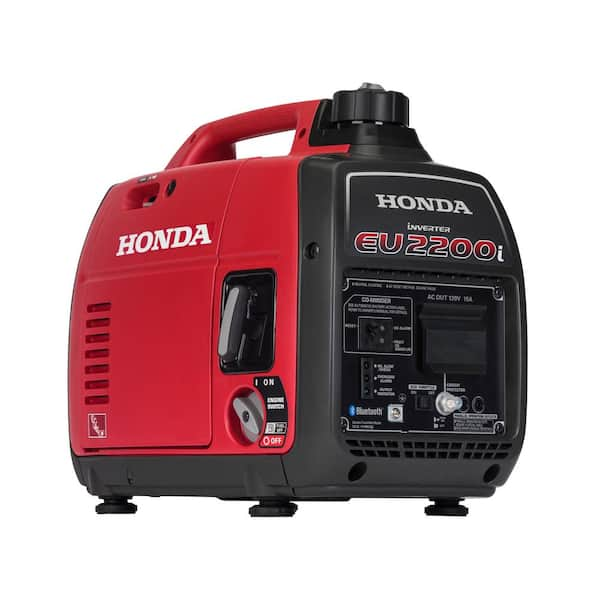
Honda is a pioneer in the generator market, renowned for its reliability and quiet operation. Their EU2200imodel is particularly popular for its low noise levels, producing just 48 dBA at a quarter load. This makes it perfect for camping or tailgating.
- Lightweight and portable
- Fuel-efficient with a runtime of up to 8.1 hours
- Super quiet operation
Many users rave about how they can carry on conversations without raising their voices when this generator is running.
Yamaha
Yamaha generators are another excellent choice for noise-conscious consumers. The EF2000iSv2operates at a mere 51.5 dBA, making it one of the quietest in its class. Users appreciate the smooth operation and the ability to connect multiple units for added power.
- Compact design for easy transport
- Eco mode for increased fuel efficiency
- Low oil warning system to protect the engine
Have you ever been disrupted by a noisy generator? Yamaha aims to prevent that experience.
Generac
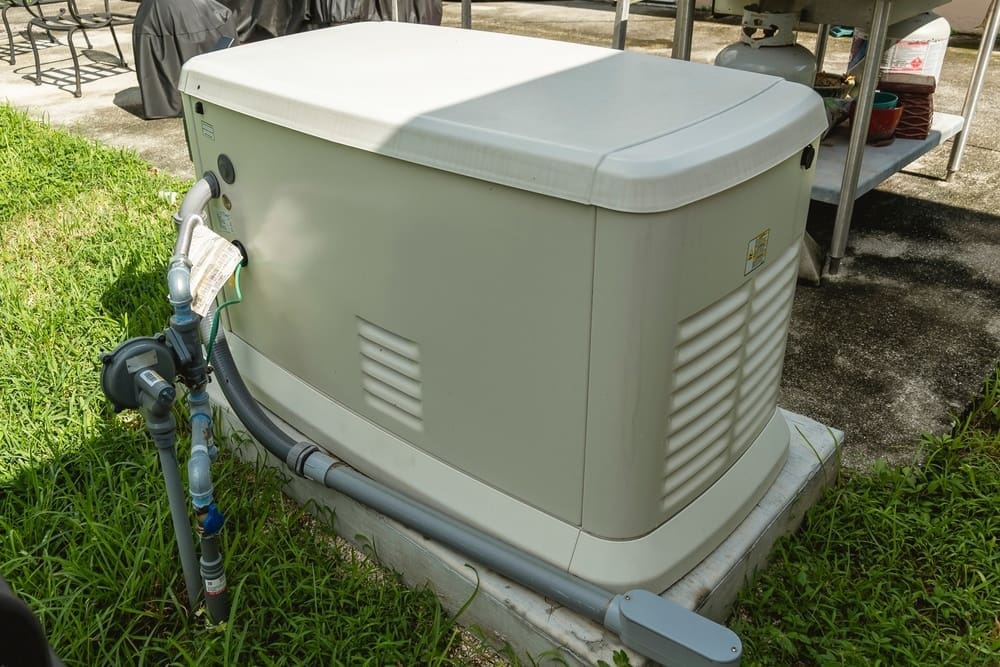
Generac is well-known for its home standby generators, but they also produce portable models focused on noise reduction. The GP2200iis designed to be quiet while providing the power you need. It operates at 53 dBA, which is comparable to the sound of a normal conversation.
- Easy to start with a recoil system
- Multiple outlets for versatility
- Compact and user-friendly
Users often comment on how they can run their appliances without disturbing their neighbors.
Wen
WEN has gained popularity for offering budget-friendly options without sacrificing performance. The 56200imodel operates at 51 dBA, making it an attractive choice for those needing a quieter solution. It’s especially appreciated by campers who want to keep the peace.
- Lightweight and easy to move
- Inverter technology for clean power
- Runtime of up to 6 hours on a full tank
Have you found it challenging to find an affordable yet quiet generator? WEN might just be the answer.
Each of these brands offers a unique blend of quiet operation and reliability. Consider your specific needs and how much noise you can tolerate. Your next generator could provide the perfect balance between power and peace.
Credit: myreliablepower.com
Best Picks For Residential Use
Choosing a quiet generator for home use is essential. Noise can disturb your neighbors and your peace. The right generator offers power without the racket. Here are some top picks for quiet generators ideal for residential settings.
1. Honda Eu2200i
The Honda EU2200i is a top choice. It runs at only 48 decibels. This makes it quieter than a normal conversation. It provides 2200 watts of power. Perfect for small appliances and tools.
2. Yamaha Ef2000isv2
The Yamaha EF2000iSv2 is another great option. It operates at just 51.5 decibels. This generator is lightweight and easy to carry. It offers up to 2000 watts of power.
3. Wen 56200i
The WEN 56200i is budget-friendly. It runs at 51 decibels. Ideal for basic home needs. It provides 2000 watts of clean power. Great for sensitive electronics.
4. Briggs & Stratton P2200
The Briggs & Stratton P2200 is reliable and quiet. It operates at 59 decibels. It delivers 2200 watts. Suitable for camping or home backup.
5. Westinghouse Igen2200
The Westinghouse iGen2200 is efficient and quiet. It runs at 52 decibels. This generator offers 2200 watts. Perfect for home use and outdoor activities.
Each of these generators ensures a peaceful environment. They combine quiet operation with reliable power. Choose the one that fits your needs best.
Choosing The Right Silent Generator
Finding a silent generator can be challenging. Many options exist. Each generator has unique features. It’s essential to know what you need. Consider your power requirements first. This will guide your choice.
Look at noise levels next. Silent generators usually have lower decibel ratings. A lower rating means less noise. This is crucial for quiet environments. Check reviews to see how noisy each model is.
Portability is another factor. Some generators are heavy. Others are lightweight and easy to move. Think about where you’ll use it. Will you take it camping? Or use it at home?
Lastly, consider the price. Silent generators can vary in cost. Set a budget before you shop. Make sure to balance cost with quality. A reliable generator will serve you well.
Power Requirements
Determine how much power you need. Count the devices you want to run. Each device uses a specific wattage. Add these numbers for your total wattage.
Noise Levels
Check the decibel rating of each generator. A rating below 60 dB is ideal. This level ensures minimal noise. It won’t disturb your peace.
Portability
Look for lightweight options. Some generators have wheels for easy transport. Consider your space and storage needs. A portable generator offers flexibility.
Price And Quality
Set a clear budget for your purchase. Research different brands and models. Read user reviews for insights. Balance the price with the generator’s features.

Credit: www.thefitrv.com
Frequently Asked Questions
Which Generator Is The Quietest On The Market?
The quietest generators typically feature inverter technology. These models operate at noise levels around 50 decibels. Brands like Honda and Yamaha are well-known for their silent performance. For camping or residential use, consider these generators for minimal disruption. Always check the decibel rating before purchasing.
How Do I Measure A Generator’s Noise Level?
A generator’s noise level is measured in decibels (dB). To compare models, look for the dB rating provided by manufacturers. Generally, levels below 60 dB are considered quiet. You can also use a sound meter app for accuracy. Remember, distance affects the perceived noise level.
Are Quiet Generators Worth The Extra Cost?
Yes, quiet generators often justify their higher cost. They provide a more pleasant experience with less noise pollution. This is especially beneficial for camping or residential areas. Additionally, quieter models tend to have better fuel efficiency. Investing in a silent generator can enhance your outdoor activities.
What Features Make A Generator Quieter?
Several features contribute to a generator’s quiet operation. Inverter technology is crucial, as it smooths out power output. Sound-dampening materials in the design also help minimize noise. Look for models with enclosed designs. These features collectively reduce operational noise significantly.
Conclusion
Finding the quietest generator is important for many people. A quieter generator means less noise during camping or at home. Consider your power needs and how much noise you can tolerate. Portable and inverter generators often offer the best sound levels.
Always check the decibel rating before buying. Choosing the right generator can improve your experience. Enjoy peace and quiet while still having power. Make an informed choice that fits your lifestyle. A good generator provides comfort without the noise. Choose wisely for a better outdoor or home experience.