
Are you thinking about buying a home generator? This decision could change how you experience power outages and emergencies.
A reliable generator can keep your lights on, your fridge running, and your family comfortable during storms or blackouts. But with so many options available, how do you choose the right one for your needs? We’ll break down the key factors you should consider before making a purchase.
From power capacity to fuel type, we’ll help you understand what matters most. By the end, you’ll feel confident in your ability to select the perfect generator for your home. Let’s dive in and make sure you’re prepared for whatever comes your way.
Types Of Home Generators
Choosing a home generator requires careful thought. Consider your power needs, fuel type, and budget. Different types include portable, standby, and inverter generators. Each has unique features that may suit your situation. Understanding these factors helps you make the best choice for your home.
Understanding the different types of home generators is crucial in making the right choice for your needs. Each type has its own unique features, advantages, and drawbacks. This guide will help you navigate the options available to find the best generator for your home.Portable Generators
Portable generators are versatile and easy to move. They are perfect for temporary power needs, whether for camping trips or during short-term power outages at home. These generators typically run on gasoline, propane, or diesel. Their power output varies, so you can choose one that matches your requirements. Before purchasing, think about what appliances you need to power. A portable generator can handle essentials like refrigerators, lights, and even some HVAC systems, but make sure it has enough wattage to support your needs.Standby Generators
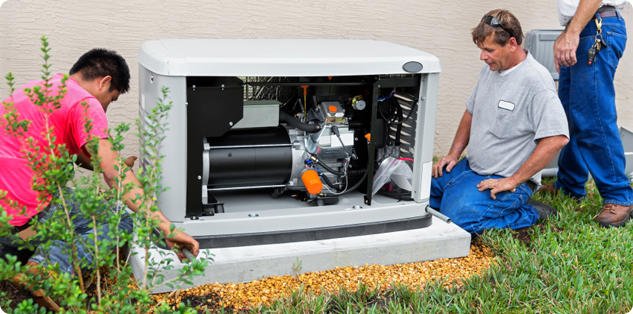
Standby generators provide a permanent solution to power outages. Installed outside your home, they automatically kick in when the power goes out. These generators are usually powered by natural gas or propane, ensuring a steady fuel supply. They can keep your entire home running, including larger appliances and systems. Consider the installation costs and space required for these units. While they are more expensive upfront, the peace of mind during a blackout can be worth it.Inverter Generators
Inverter generators are known for their quiet operation and fuel efficiency. They produce clean energy, making them ideal for sensitive electronics like laptops and smartphones. These generators are lightweight and portable, which makes them perfect for outdoor activities or as a backup for small appliances at home. If you value noise levels and fuel efficiency, an inverter generator could be the right fit. Just keep in mind they may not provide as much power as larger models, so assess your power needs carefully. Choosing the right type of home generator depends on your lifestyle and power requirements. Have you thought about how often you experience power outages? What appliances do you absolutely need to keep running?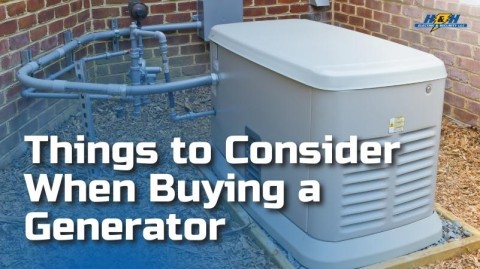
Credit: www.hhelectrician.com
Power Requirements
Power requirements are crucial when choosing a home generator. Consider the wattage needed for essential appliances. Assess both starting and running watts to ensure your generator meets your needs. This careful evaluation helps avoid power shortages during outages. Choose wisely for reliable backup energy.
Choosing the right home generator starts with understanding your power requirements. Knowing how much energy you need will help you select a generator that can keep your household running smoothly during outages. This guide focuses on assessing your energy needs and identifying critical appliances to power.Assessing Your Energy Needs
Start by listing all the devices and appliances you want to keep running when the power goes out. Consider the following: – Wattage: Each appliance has a wattage rating. Use this information to calculate the total wattage you’ll need. – Running vs. Starting Watts: Some appliances require more power to start than to run. For instance, a refrigerator may need 700 watts to run but 2,200 watts to start. – Duration of Use: Think about how long you’ll need each appliance powered. Will you need lights for a few hours, or do you require heating for an extended period? Create a simple chart to summarize your needs. This can help you visualize your requirements and make an informed decision.Critical Appliances To Power
Identify which appliances are essential during a power outage. Prioritize your list: 1. Refrigerator: Keeps food fresh and prevents spoilage. 2. Heating/Cooling Systems: Vital for comfort, especially in extreme weather. 3. Medical Equipment: If you rely on devices like CPAP machines, ensure they’re on your list. 4. Lights: Consider LED bulbs that use less power but still provide ample illumination. 5. Communication Devices: Laptops and phones need charging to keep you connected. You might be surprised by how quickly wattage adds up. By knowing which devices are critical, you can choose a generator that meets your needs without overspending on unnecessary power. Have you ever faced a blackout? Reflect on what you missed most. Prioritizing your power requirements can make all the difference in your comfort and safety during those unexpected moments.Fuel Options
Choosing the right fuel for a home generator is crucial. Consider options like gasoline, propane, or diesel. Each type has its pros and cons, affecting efficiency and storage. Think about your needs and local availability before making a decision.
Choosing the right fuel option for your home generator is crucial. Each fuel type comes with its own advantages and disadvantages, affecting everything from efficiency to cost. Here’s what you need to know about the primary fuel options available.Gasoline Generators
Gasoline generators are the most common choice for home use. They are generally affordable and easy to find at local hardware stores. You can quickly fill them up at any gas station. However, gasoline can spoil over time, leading to performance issues. Consider your usage frequency. If you plan to use your generator sporadically, gasoline might be a convenient option. But keep in mind that gas prices can fluctuate, affecting your budget.Propane Generators
Propane generators offer a cleaner alternative to gasoline. They burn more efficiently and produce fewer emissions, making them a greener choice. You can store propane for long periods without it degrading. Many homeowners find this appealing, especially for emergency situations. However, you’ll need a propane tank, which may require a larger initial investment. Are you prepared for the additional setup?Diesel Generators
Diesel generators are known for their durability and fuel efficiency. They often provide more power for less fuel compared to gasoline models. If you live in an area prone to long outages, a diesel generator may serve you well. They can run for longer periods without needing a refill. On the downside, diesel fuel can be more expensive, and these generators tend to be louder. Would the noise be a concern for you or your neighbors?Solar-powered Generators
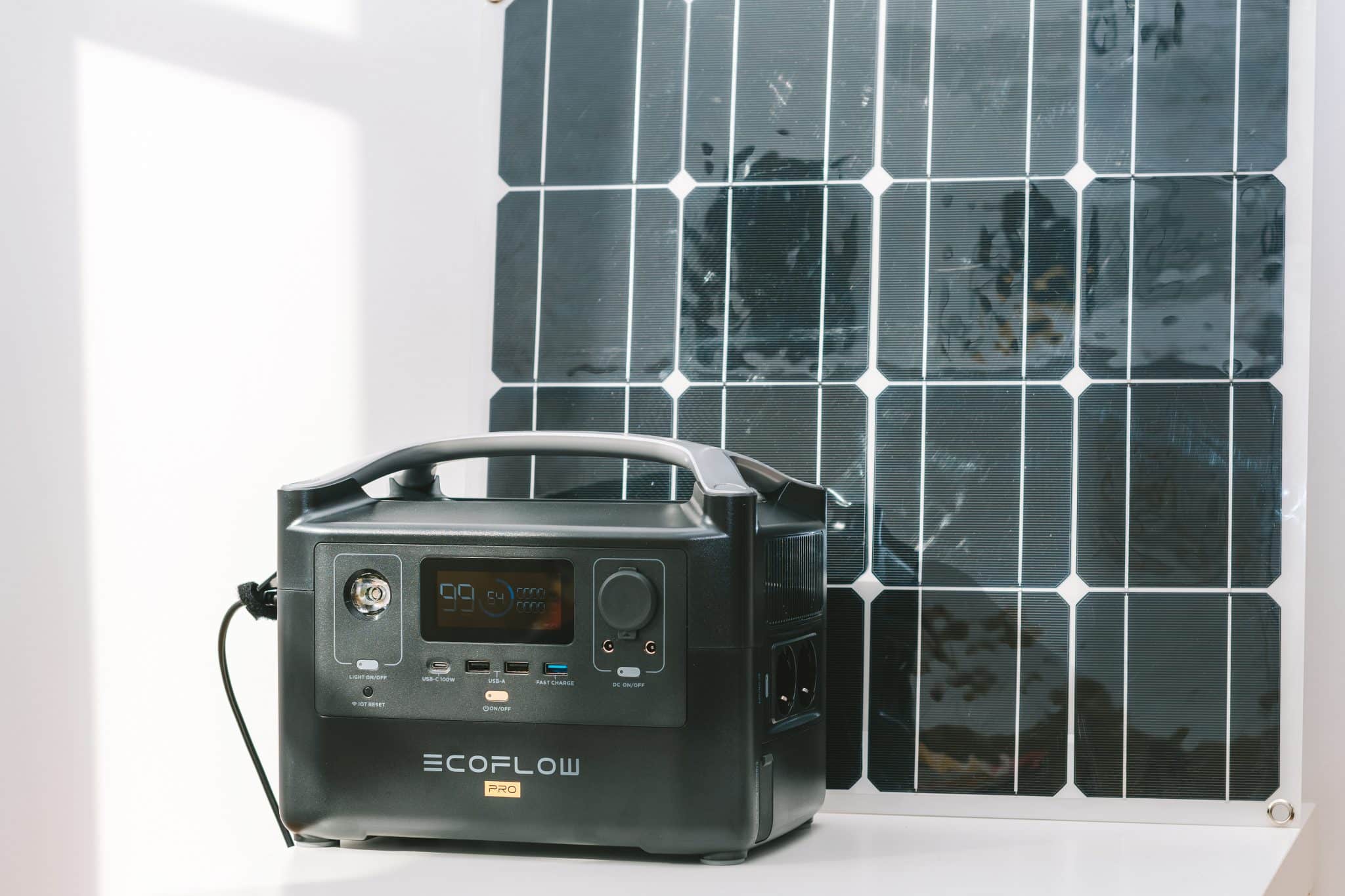
Solar-powered generators are gaining popularity as a sustainable energy source. They harness sunlight, making them eco-friendly and cost-effective over time. While the initial investment may be higher, they require minimal maintenance and no fuel costs. You can enjoy peace of mind knowing you’re using renewable energy. However, their efficiency depends on sunlight availability. Do you have enough sunny days in your area to make this option feasible? Choosing the right fuel option involves weighing your specific needs and circumstances. Take your time to consider each type, and think about how each fits into your lifestyle.Noise Levels
Noise levels play a vital role in choosing a home generator. Quieter models are often better for residential areas. Consider how loud the generator will be during use, especially at night. A low-decibel option can ensure comfort for you and your neighbors.
Choosing the right home generator involves multiple factors, and noise levels can significantly impact your decision. Generators can range from whisper-quiet to thunderous, and understanding how these noise levels affect your living environment is crucial. Consider whether you want a generator that runs quietly during an outage or one that might disrupt your peace and that of your neighbors.Decibel Ratings
Decibel (dB) ratings are key indicators of a generator’s noise level. Most generators fall between 50 dB to 75 dB. – 50 dB is comparable to a quiet conversation or ambient noise. – 60 dB resembles the sound of an air conditioner. – 70 dB is similar to a vacuum cleaner. If you’re planning to run the generator for long periods, aim for one around 60 dB or lower. This way, you can enjoy your evenings without the constant hum of machinery in the background. Think about when you typically need the generator. If it’s during the night, quieter options are essential. I once had a 70 dB generator during a storm, and even with the windows closed, it felt like a constant roar. You don’t want that kind of disruption.Impact On Neighborhood
The noise level of your generator not only affects your home but also your neighbors. A loud generator can disturb the peace, especially in close-knit communities. Before making a purchase, consider your neighborhood’s noise tolerance. Are your neighbors likely to complain about a loud generator? Here are some tips: – Check local regulations: Some areas have noise ordinances. – Talk to your neighbors: Open communication can prevent future conflicts. – Choose an inverter generator: These models are generally quieter and more efficient. Being a good neighbor goes a long way. A quiet generator can be a lifesaver during power outages, but it shouldn’t come at the cost of your community’s comfort. Wouldn’t it be nice to have peace during a storm without disrupting others?Safety Features
Safety features are crucial in choosing a home generator. Look for models with automatic shut-off, overload protection, and carbon monoxide sensors. These features help prevent accidents and ensure safe operation during power outages. Prioritizing safety can give you peace of mind in emergency situations.
When considering the purchase of a home generator, safety features should be at the forefront of your decision-making process. A generator can provide peace of mind during power outages, but it also poses certain risks if not properly equipped. Understanding the safety features available can help you make a more informed choice and keep your home and family secure.Automatic Shut-offs
Automatic shut-off features are essential for preventing accidents. These systems detect when the generator is overloaded or when oil levels are too low. Imagine your generator running smoothly during a storm. Suddenly, it starts making strange noises. With an automatic shut-off, you won’t have to worry about it damaging itself or creating a fire hazard. Look for models that offer this feature. It’s a simple way to ensure your generator turns off when it needs to, giving you peace of mind.Carbon Monoxide Detectors
Carbon monoxide (CO) is a silent killer. Generators emit this harmful gas, which can be deadly if not properly ventilated. Investing in a generator that has built-in carbon monoxide detectors is crucial. These detectors will alert you if CO levels become dangerously high. Consider the layout of your home. If your generator will be near living spaces, a CO detector can save lives. Always place your generator outdoors, away from windows and doors. This simple step, combined with a CO detector, ensures you minimize risks while enjoying the benefits of your generator. Have you thought about the placement of your generator and how it could affect your safety?
Credit: generxgenerators.com
Installation And Maintenance
Installing and maintaining a home generator are crucial steps. Proper installation ensures safety and efficiency. Regular maintenance keeps the generator running smoothly. Understanding both can save time and money.
Professional Installation
Choosing professional installation is important. Experts know local codes and safety rules. They can correctly size your generator. This ensures it meets your power needs. A professional can install it in the best location. This helps with airflow and noise reduction.
They also connect the generator to your home. Proper connections ensure safety. A certified installer can help with permits. This avoids any legal issues later. Always ask for references before hiring. Reviews can show their reliability and skill.
Routine Maintenance Tips
Routine maintenance keeps your generator in top shape. Start with regular inspections. Check oil levels, filters, and battery health. Change the oil as needed. This helps prevent engine wear and tear.
Run your generator every month. This keeps it ready for use. Test all functions and controls. Look for any unusual sounds or vibrations. Clean the generator area regularly. Remove debris to prevent fire hazards.
Finally, keep records of maintenance. This helps track service history. It can also improve resale value. A well-maintained generator is a wise investment.
Budget Considerations
Buying a home generator involves careful thought about your budget. The right generator fits your needs without breaking the bank. Consider both the initial cost and long-term costs. Each plays a vital role in your decision.
Initial Cost
The initial cost of a generator varies greatly. Prices can range from a few hundred to several thousand dollars. Factors like size, brand, and features affect the price. A smaller generator costs less but may not power all your needs. Larger units offer more power but come at a higher price.
Explore different models before making a choice. Read reviews and compare prices. Look for sales or discounts to save money. Don’t forget to factor in installation costs. Some generators require professional setup, which adds to the initial cost.
Long-term Operating Costs
Long-term operating costs are just as important. These costs include fuel, maintenance, and repairs. Fuel costs depend on how often you use the generator. Gasoline and propane are common options, each with different prices.
Regular maintenance keeps your generator running smoothly. This includes oil changes and filter replacements. Set aside money for these tasks. Unforeseen repairs can also add to your expenses. Budget for unexpected issues to avoid surprises.
Overall, understanding both initial and long-term costs helps you choose wisely. Assess your budget carefully. A well-planned purchase ensures you get the best value.
Credit: ahouseinthehills.com
Warranty And Customer Support
Buying a home generator is an important decision. Warranty and customer support play a big role. A good warranty protects your investment. Reliable customer support offers peace of mind. Knowing help is available is comforting.
Coverage Details
Check the warranty length. Most generators come with a one to three-year warranty. Look for coverage on parts and labor. Some warranties include specific conditions. Read the fine print to avoid surprises.
Understand what the warranty does not cover. Damage from misuse may not be included. Regular maintenance might also be your responsibility. Knowing this can save you money later.
Manufacturer Support
Good manufacturer support is essential. Research the brand’s reputation. Look for reviews about customer service experiences. A responsive support team makes a difference.
Consider the availability of parts. A brand with easy access to parts is beneficial. This can reduce downtime if repairs are needed. Check if the manufacturer offers online support and resources. These can help with common issues.
Frequently Asked Questions
What Size Generator Do I Need For My Home?
Choosing the right size generator depends on your power needs. Calculate the total wattage of the appliances you want to run during an outage. A generator should have a higher wattage capacity than your combined needs. Typically, a 5,000 to 7,500-watt generator suits most homes.
How Much Does A Home Generator Cost?
The cost of a home generator varies significantly based on the type and capacity. Portable generators range from $300 to $1,500, while standby generators can cost between $2,000 and $10,000, including installation. Consider your budget and long-term needs when making a decision.
How Long Can A Home Generator Run?
Home generators can typically run for 8 to 12 hours on a full tank. However, this depends on the load being powered and fuel type. Propane generators may run longer than gasoline ones. Regular maintenance ensures optimal performance and extends run time.
Do I Need A Permit For A Home Generator?
Yes, many areas require a permit for installing a home generator. Check your local regulations and codes to avoid fines. Permits ensure compliance with safety standards and proper installation. Consult with a licensed electrician to navigate the permitting process smoothly.
Conclusion
Choosing the right home generator is important. Think about your power needs first. Consider the size and fuel type that suits you best. Check the generator’s noise level too. Safety features matter for peace of mind. Always read customer reviews for insights.
Compare prices to find the best deal. A good generator offers reliability during outages. Make an informed choice to keep your home powered. Your comfort and safety depend on it. Enjoy the peace of mind a generator brings.