
Have you ever wondered how the electricity that powers your home is generated? One of the key players in this process is the generator in a thermal power plant.
Understanding how this generator works can deepen your appreciation for the energy you use every day. You’ll uncover the fascinating mechanics behind thermal power generation. You’ll learn about the essential components and processes that transform heat into electricity. By the end, you’ll not only grasp the basics but also gain insights into the efficiency and significance of these power plants in your life.
Let’s dive in and explore how this incredible technology fuels your world!
Generator Basics
Generators play a crucial role in thermal power plants. They convert mechanical energy into electrical energy. This process powers homes, industries, and businesses. Understanding how generators work helps us appreciate their importance.
Purpose In Power Plants
The main purpose of a generator is to produce electricity. In thermal power plants, heat energy is used to drive the generator. This heat usually comes from burning coal, natural gas, or oil.
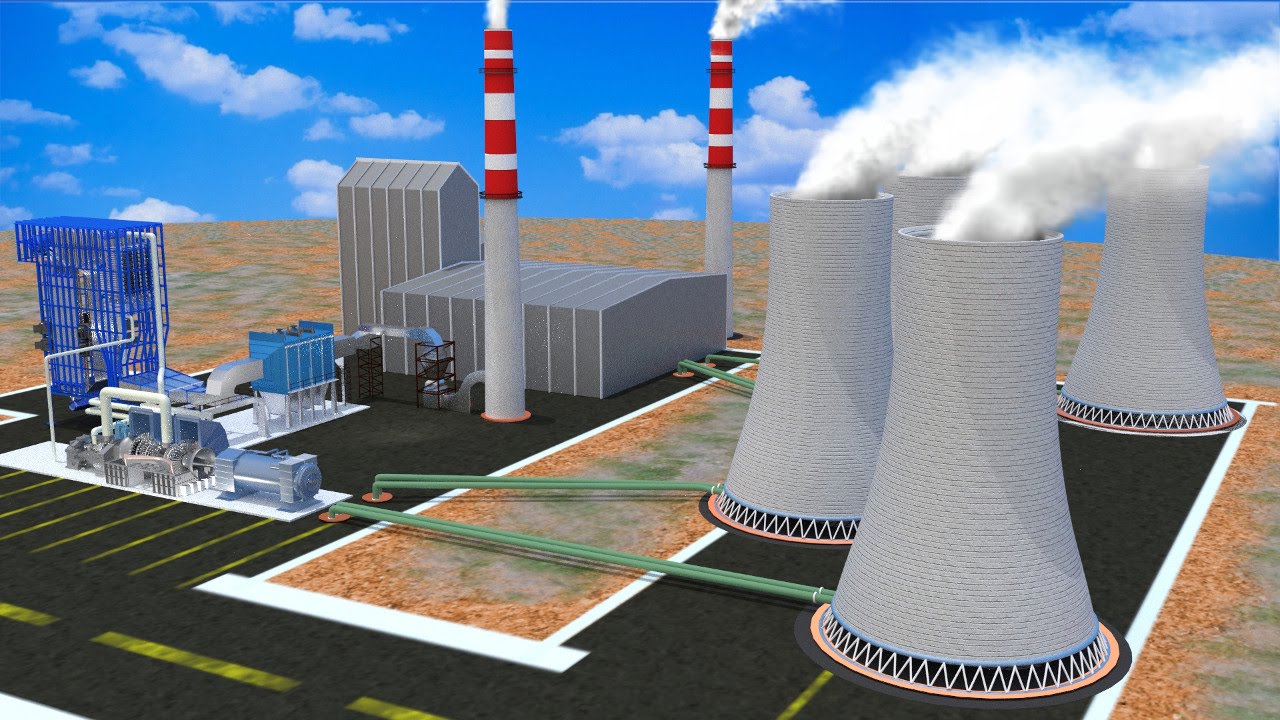
As the fuel burns, it heats water to create steam. The steam spins a turbine connected to the generator. This spinning motion generates electricity. Without generators, thermal power plants cannot supply power.
Key Components
Several key components make up a generator. The main parts include the rotor, stator, and exciter. The rotor spins inside the stator. The stator is stationary and contains coils of wire.
The exciter provides the initial electrical current to the rotor. This current creates a magnetic field. The interaction between the rotor and the stator generates electricity. Each part works together to ensure smooth operation.
Energy Conversion Process
The energy conversion process in a thermal power plant is essential. It changes fuel energy into electricity. This process involves heat, steam, and mechanical motion. Understanding how this works helps us appreciate power generation.
In thermal power plants, coal, gas, or oil burns. This burning creates heat. The heat turns water into steam. The steam then drives a turbine, which is connected to a generator. The generator converts this mechanical energy into electrical energy.
Mechanical To Electrical Conversion
The first step in conversion is mechanical energy. The steam moves the turbine blades. This motion spins the turbine. The turbine is linked to the generator. As the turbine spins, it creates mechanical energy.
This mechanical energy must become electrical energy. Inside the generator, this process happens. The turbine’s rotation causes a rotor to turn. The rotor is part of a magnetic system.
Role Of Rotating Magnetic Field
The rotating magnetic field plays a key role. It generates electricity through electromagnetic induction. As the rotor spins, it creates a magnetic field. This field interacts with the coils of wire in the generator.
The interaction produces an electric current. The stronger the magnetic field, the more electricity generated. This process is efficient and reliable. It allows thermal power plants to provide energy to homes and businesses.
Cooling Mechanisms
Cooling mechanisms play a crucial role in thermal power plants. They help manage heat generated during electricity production. Effective cooling ensures the generator operates efficiently. It also extends the life of the equipment.
Air Cooling Systems
Air cooling systems use air to remove heat. Fans and blowers circulate air around the generator. This airflow cools the generator components. It is a simple and cost-effective method.
These systems are often used in smaller power plants. They require less maintenance compared to other cooling methods. However, air cooling may not be enough for larger plants. In those cases, more advanced cooling options are needed.
Liquid Cooling Systems
Liquid cooling systems use water or special fluids. These fluids absorb heat from the generator. They then transfer the heat away from the equipment. This system is more efficient than air cooling.
Liquid cooling is common in large thermal power plants. It helps maintain optimal operating temperatures. The coolant circulates in a closed loop, reducing evaporation. Regular maintenance is essential to prevent leaks and ensure efficiency.

Credit: www.youtube.com
Generator Efficiency
Generators in thermal power plants convert heat energy into electrical energy. They work by using steam produced from boiling water. This steam turns the generator’s turbine, creating electricity. Efficient generators maximize power output while minimizing fuel use.
Generator efficiency is a crucial aspect of thermal power plants. It determines how effectively a generator converts heat energy into electrical energy. Higher efficiency not only reduces fuel consumption but also lowers operating costs and decreases environmental impact. Understanding the factors affecting generator efficiency can help optimize performance and enhance sustainability.
Factors Affecting Performance
Several elements influence the efficiency of generators in thermal power plants:
- Temperature: Operating at optimal temperature can enhance efficiency. Higher temperatures can increase energy output, but they may also lead to material stress.
- Load Conditions: Generators are designed to operate most efficiently at specific load levels. Deviating from these loads can lead to energy losses.
- Maintenance Practices: Regular maintenance ensures that all components function smoothly. Neglecting this can lead to wear and tear, reducing overall efficiency.
- Fuel Quality: The type and quality of fuel directly impact combustion efficiency. Higher-quality fuels produce more energy per unit than lower-quality alternatives.
Think about the last time you experienced a power outage. It’s often a reminder of how vital these systems are. When generators aren’t performing optimally, it affects not just electricity supply but also your everyday life.
Loss Minimization Techniques
Improving generator efficiency involves employing various loss minimization techniques:
- Regular Inspections: Conducting routine checks can help identify issues before they escalate. Early detection of problems saves time and costs.
- Upgrading Technology: Using advanced control systems can enhance efficiency. Modern technologies, such as digital monitoring, provide real-time data to optimize performance.
- Load Management: Balancing the load across generators can prevent overload and enhance efficiency. Smart grid technologies can assist in managing these loads effectively.
- Heat Recovery Systems: Implementing systems that capture waste heat can significantly boost overall efficiency. This recovered energy can be repurposed for additional electricity generation.
Have you ever thought about how a small change in maintenance practices could lead to significant savings? Small adjustments can yield substantial improvements in efficiency, ultimately benefiting both your wallet and the environment. By understanding these factors and implementing loss minimization techniques, you can contribute to a more efficient and sustainable energy future.
Safety Measures
Safety measures are vital in a thermal power plant. They protect both equipment and personnel. Ensuring safe operations helps prevent accidents. This section discusses key safety measures.
Overload Protection
Overload protection is essential for generators. It prevents damage from excessive electrical load. Each generator has a specific load capacity.
When the load exceeds this capacity, the system triggers an alarm. This alarm alerts operators to take action. If not addressed, overload can cause failures.
Automatic shutdown systems are in place. They disconnect the generator from the grid. This action protects the generator from further harm.
Temperature Monitoring
Temperature monitoring is crucial for safe operations. Generators can overheat, leading to severe damage. Sensors track temperature levels constantly.
When temperatures rise too high, alerts are sent to operators. They can then respond quickly to prevent issues. Cooling systems activate to reduce temperature.
Regular checks of these systems ensure they work effectively. This practice keeps generators running smoothly and safely.
Credit: www.youtube.com
Maintenance Practices
Proper maintenance practices keep generators running smoothly in thermal power plants. Regular checks help catch problems early. This ensures safety and efficiency. Maintenance can prevent costly repairs and downtime.
Routine Inspections
Routine inspections are key to generator health. Inspectors check for leaks, unusual sounds, and vibrations. They also monitor the generator’s temperature and pressure. These checks should happen on a set schedule. Daily, weekly, and monthly inspections each have their own focus.
Daily checks often include visual inspections. Inspectors look for signs of wear or damage. Weekly inspections focus on fluids and filters. Technicians check oil levels and coolant systems. Monthly checks can involve more detailed assessments, including electrical connections.
Component Replacement
Replacing worn components is essential for performance. Parts like bearings, filters, and belts wear out over time. Timely replacement avoids bigger issues later. Keeping a stock of critical parts helps speed up repairs.
Scheduled replacements should be part of the maintenance plan. Technicians should follow manufacturer guidelines. This ensures all components meet safety standards. Regular updates to the maintenance log help track replacements.
Future Innovations
The future of generators in thermal power plants looks bright. New ideas and technologies are emerging. These innovations promise to improve efficiency and reliability. They aim to reduce costs and environmental impact.
Smart Monitoring Systems
Smart monitoring systems are changing how we run generators. They use sensors to track performance in real-time. This technology helps identify problems before they become serious. It also allows for better maintenance planning.
Data from these systems can be analyzed. Operators can make informed decisions quickly. This leads to fewer outages and increased uptime.
Improved Materials For Generators
New materials are enhancing generator design. These materials are lighter and stronger. They can withstand high temperatures and stress better. This results in longer-lasting generators.
Using advanced materials also improves energy efficiency. Generators can produce more power using less fuel. This change benefits both the environment and operating costs.

Credit: en.wikipedia.org
Frequently Asked Questions
How Does A Generator Function In A Thermal Power Plant?
A generator in a thermal power plant converts mechanical energy into electrical energy. It operates using steam produced from boiling water. This steam drives turbines connected to the generator. The turbines rotate, generating electricity through electromagnetic induction, which is then supplied to the power grid.
What Is The Role Of Steam In Power Generation?
Steam plays a critical role in power generation. It is produced by heating water in a boiler using fossil fuels. The high-pressure steam expands and spins the turbine blades. This rotational energy is converted into electrical energy by the generator, making steam essential for efficient power production.
Why Are Turbines Important In Thermal Power Plants?
Turbines are crucial in thermal power plants for energy conversion. They transform steam’s thermal energy into mechanical energy. This mechanical energy drives the generator to produce electricity. The efficiency and design of turbines directly impact the overall performance and output of the power plant.
What Fuels Are Used In Thermal Power Plants?
Thermal power plants primarily use fossil fuels like coal, natural gas, and oil. These fuels are burned in a boiler to generate heat. Some plants also use biomass or waste materials as alternative fuels. The choice of fuel affects efficiency, emissions, and operational costs of the plant.
Conclusion
Generators play a key role in thermal power plants. They convert heat energy into electrical energy efficiently. Understanding how these generators work helps us appreciate their importance. The process involves steam, turbines, and magnets working together. Each part has a specific function to create electricity.
This knowledge helps us value the energy we use daily. Knowing how generators operate can spark interest in energy topics. Learning about power generation is essential for future innovations. The more we understand, the better choices we can make.