
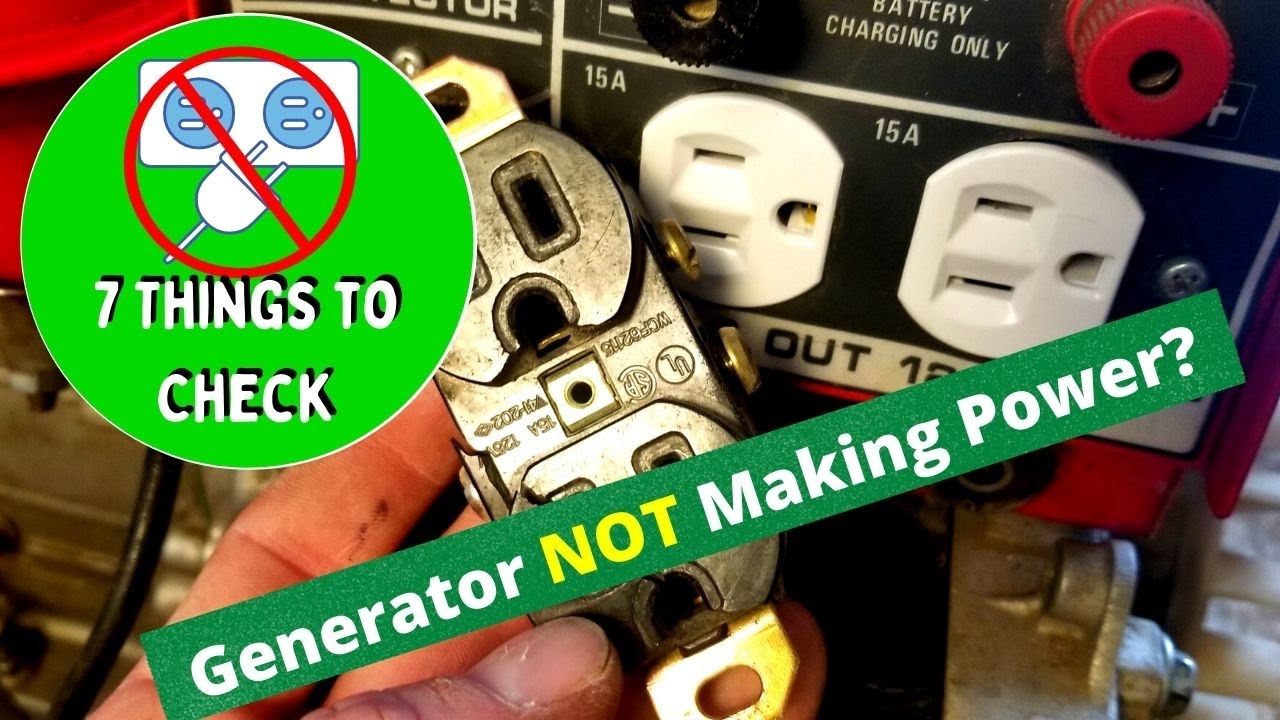
Have you ever relied on your generator only to find it won’t bring light when you need it most? It can be incredibly frustrating, especially during a power outage or when you’re in the middle of an important project.
Understanding the reasons behind this issue is crucial for you to troubleshoot effectively and restore power quickly. We’ll explore the common causes that can prevent your generator from functioning properly. By identifying these issues, you can save time, avoid costly repairs, and ensure that your generator is always ready when you need it.
Keep reading to uncover the secrets that will help you regain control and keep the lights on!

Credit: www.youtube.com
Common Generator Problems
Generators are useful for providing power. They can stop working for several reasons. Understanding these issues helps in troubleshooting. Here are some common generator problems.
Low Fuel Levels
Running low on fuel is a common issue. Generators need enough fuel to operate. Check the fuel gauge often. Fill the tank if it is low. Even a small amount can prevent the generator from starting.
Battery Issues
The battery powers the generator’s starter. If the battery is weak or dead, the generator won’t start. Corroded terminals can also cause problems. Clean connections for better performance. Replacing the battery may solve the issue.
Faulty Wiring
Wiring problems can disrupt power flow. Damaged or loose wires can cause failure. Inspect wires for wear and tear. Look for frayed edges or burnt spots. Fix any issues immediately to restore function.
Overloaded Circuits
Overloading a generator can lead to failure. Each generator has a power limit. Exceeding this limit can cause it to shut down. Disconnect some devices to lighten the load. Check the wattage of connected appliances.

Credit: www.amazon.com
Mechanical Failures
Mechanical failures can stop a generator from producing electricity. Common issues include fuel shortages, damaged parts, or electrical faults. Regular maintenance helps prevent these problems, ensuring reliable power supply when needed.
Mechanical failures can often leave you in the dark when your generator fails to bring light. Understanding the root causes can help you troubleshoot effectively and save you from unexpected outages. Let’s break down some common mechanical issues that might be at play.Damaged Alternator
A damaged alternator is one of the primary reasons your generator won’t produce power. The alternator is responsible for converting mechanical energy into electrical energy. If it’s worn out or broken, the generator may not function at all. You might notice strange noises coming from your generator or flickering lights before it completely stops working. Performing regular maintenance checks can help spot issues early. If you suspect a damaged alternator, inspect it for any visible wear or damage. Replacing it promptly can restore your generator’s functionality.Engine Malfunctions
Engine malfunctions can disrupt the generator’s performance dramatically. An engine that won’t start or runs inconsistently can lead to power failures. Common signs include unusual vibrations or smoke. If you’ve ever experienced your generator sputtering during use, you know how frustrating it can be. Regular maintenance, including oil changes and filter replacements, can prevent engine issues. If problems persist, consider consulting a professional to diagnose deeper issues.Clogged Fuel Lines
Clogged fuel lines can be a hidden culprit behind generator failures. When fuel can’t flow properly, your generator won’t start or may shut down unexpectedly. You might experience a lack of power or difficulty starting your generator altogether. Regularly check and clean your fuel lines to ensure they are free from debris. Using high-quality fuel can also minimize the risk of clogs. Have you ever checked your fuel lines? Taking this simple step could save you from future headaches.Electrical Component Issues
Electrical component issues can stop your generator from working. Understanding these problems helps in fixing the issue quickly. Here are some common electrical problems that can cause your generator not to bring light.
Blown Fuses
Blown fuses are a common problem. They protect your generator from overload. Check the fuses first if the generator does not work. A blown fuse will cut off power. Replacing the fuse is usually simple. Make sure to use the correct fuse type.
Broken Voltage Regulator
The voltage regulator controls the output voltage. A broken regulator can cause issues. It may lead to low or no power output. Check the regulator for signs of damage. Replacing a faulty voltage regulator can restore function.
Faulty Control Panel
The control panel manages the generator’s operations. A faulty control panel can disrupt everything. Look for loose connections or burnt components. Sometimes, the entire panel needs replacement. A new control panel can fix many problems.

Credit: www.amazon.com
Environmental Factors
Generators can fail to provide power due to various environmental factors. These factors can affect their performance and reliability. Understanding them helps in preventing issues.
Extreme Weather Conditions
Extreme weather can cause generators to malfunction. Heavy rain can lead to water damage. Snow and ice may block air intakes or vents. High winds can knock over outdoor units. Protecting your generator from harsh weather is vital.
Dust And Debris Accumulation
Dust and debris can build up around generators. This accumulation can block essential parts. It can hinder airflow and cooling. Regular cleaning helps maintain generator function. Keep the area around your generator clear and clean.
Improper Ventilation
Poor ventilation can lead to overheating. Generators need a steady flow of air. Lack of airflow can cause the unit to shut down. Ensure the generator is placed in a well-ventilated area. Proper ventilation is crucial for optimal performance.
Top Fixes For Generator Problems
Generator problems can be frustrating, especially when they fail to provide power. Common causes include fuel issues, electrical faults, or low oil levels. Understanding these factors can help in quickly diagnosing the problem and restoring function.
When your generator fails to deliver power, it can be frustrating. Many issues can arise, but several common fixes can help you get back on track. Addressing these problems quickly can save you time and money while ensuring your generator runs smoothly. Let’s dive into some practical solutions to help you troubleshoot generator issues.Refueling And Checking Fuel Lines
One of the simplest fixes is to ensure your generator has enough fuel. Check the fuel gauge and add fuel if needed. Inspect the fuel lines for leaks or blockages. Replace any damaged hoses to ensure a steady flow. Keep in mind that old or contaminated fuel can cause issues as well. It’s a good idea to drain stale fuel and refill with fresh gas.Inspecting And Replacing Batteries
A dead or weak battery is often the culprit behind a generator that won’t start. Check the battery connections for corrosion or looseness. Clean the terminals and tighten the connections as needed. If the battery is old or failing, consider replacing it. You’ll be surprised at how a new battery can breathe life back into your generator.Repairing Or Replacing Wiring
Wiring issues can lead to significant problems. Inspect the wiring for any signs of wear, fraying, or disconnection. A simple visual inspection can reveal a lot. If you notice any damaged wires, repair or replace them promptly. Secure connections will ensure that your generator runs efficiently.Cleaning And Maintaining Components
Regular cleaning and maintenance can prevent many generator problems. Dust and debris can accumulate in various components, leading to inefficiency. Make it a habit to clean the air filters and spark plugs regularly. A clean generator not only runs better but also lasts longer. Have you checked your generator’s maintenance schedule lately? Taking proactive steps can save you from unexpected outages and costly repairs.Preventive Maintenance Tips
Generators may fail to provide power for several reasons. Common issues include fuel shortages, dead batteries, or worn-out parts. Regular checks can help identify these problems early, ensuring your generator runs smoothly when needed. Stay alert to avoid unexpected outages and maintain reliable power supply.
Preventive maintenance is crucial for keeping your generator in top shape. Regular care not only prolongs its life but also ensures it produces power when you need it most. Let’s dive into some practical tips to help you maintain your generator effectively.Regular Inspections
Conducting regular inspections is a simple yet effective way to catch potential issues early. Make it a habit to check your generator at least once a month. Look for signs of wear or damage, such as frayed wires or leaks. Always pay attention to the fuel levels and ensure there are no obstructions around the exhaust. Have you ever neglected a small issue only to find it escalated into a bigger problem? By making inspections a routine, you can avoid those unpleasant surprises.Cleaning And Lubricating Parts
Keeping your generator clean is essential for its performance. Dust and debris can accumulate, leading to overheating and reduced efficiency. Use a soft brush or cloth to wipe down surfaces. Don’t forget to clean the air filter regularly. A clogged filter can block airflow and cause your generator to stall. Lubricating moving parts is equally important. This reduces friction and wear, helping your generator run smoothly. How often do you check the oil levels? Regular lubrication can save you from costly repairs down the line.Scheduling Professional Servicing
Even with diligent maintenance, some issues require a professional touch. Scheduling regular servicing with a qualified technician is vital for comprehensive care. Aim for at least once a year or more frequently if you use your generator often. A professional can identify problems that might go unnoticed during your inspections. They can also perform necessary repairs, ensuring everything is functioning optimally. Consider how much peace of mind you gain from knowing a trained expert has your back. Investing in professional servicing is a smart move for any generator owner.Frequently Asked Questions
What Are Common Causes For Generator Failure?
Common causes for generator failure include low fuel levels, engine problems, and electrical faults. Additionally, improper maintenance can lead to issues. Always check the oil levels and ensure the generator is serviced regularly to prevent failures. Faulty wiring or overloaded circuits may also contribute to generator malfunction.
How Can I Troubleshoot A Non-working Generator?
Start by checking the fuel and oil levels. Ensure all connections are secure and there are no visible damages. Test the circuit breakers and inspect for any blown fuses. If the generator still doesn’t work, consult the user manual or contact a professional for assistance.
Why Is My Generator Running But No Power?
If the generator runs but provides no power, it may be due to a faulty circuit breaker or a tripped overload. Check the output connections and ensure they are secure. Additionally, inspect the generator’s internal components for any damage. If issues persist, professional help may be required.
What Maintenance Prevents Generator Problems?
Regular maintenance prevents generator problems significantly. Change the oil and filters as recommended. Inspect the fuel system and clean the air filter regularly. Test the battery and ensure all electrical connections are tight. Consistent maintenance will prolong the life of your generator and enhance its performance.
Conclusion
Understanding why a generator fails to bring light is crucial. Common issues include fuel problems, electrical faults, and maintenance neglect. Regular checks can prevent these troubles. If a generator stops working, check the basics first. This can save time and frustration.
Knowing these causes helps keep your generator running smoothly. Always prioritize safety when troubleshooting. A well-maintained generator provides reliable power when you need it most. Stay informed and ready for any situation.