
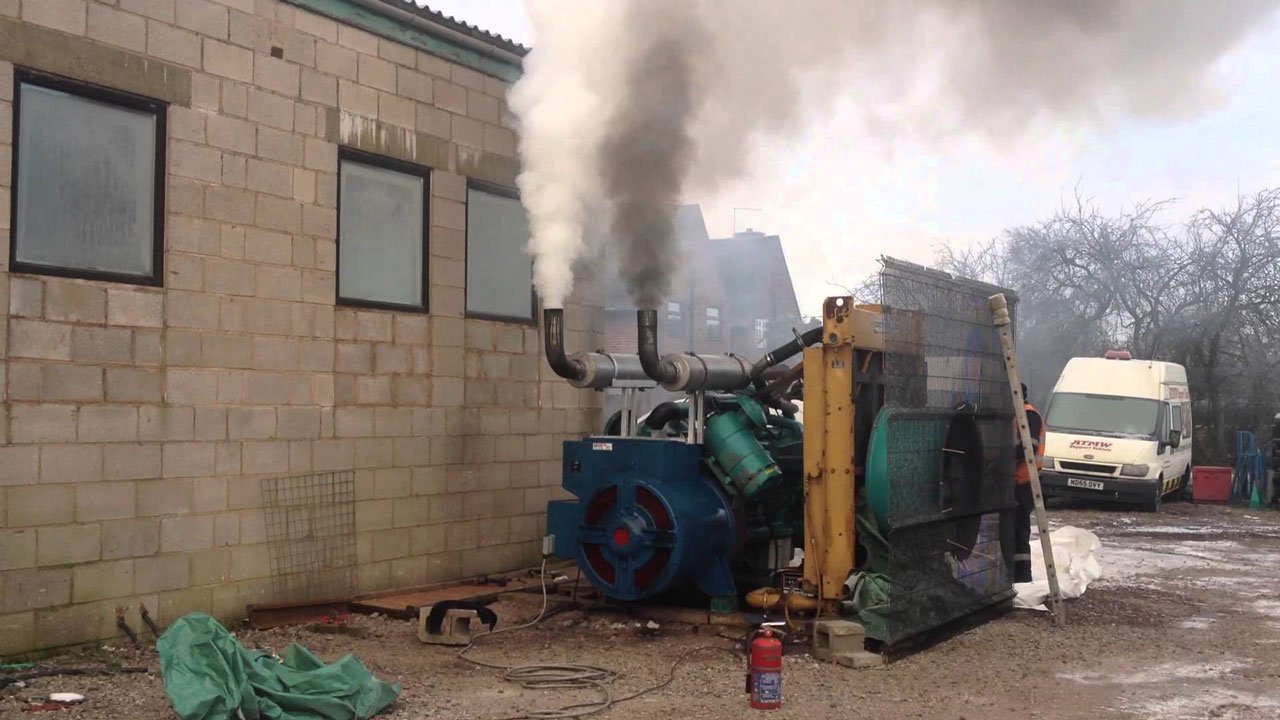
Have you ever wondered about the meaning of generator fumes and what they could mean for your safety? If you own a generator or are considering getting one, understanding these fumes is crucial.
They can pose serious health risks if not properly managed. You’ll discover what generator fumes are, their potential dangers, and how to protect yourself and your loved ones. Keep reading to ensure you’re informed and prepared. Your safety matters, and knowledge is the first step!

Credit: thesun.ng
Generator Fumes And Their Composition
Generator fumes can pose serious health risks and understanding their composition is crucial for safety. These fumes, often produced during the operation of fuel-powered generators, contain a mix of harmful substances. Knowing what these substances are can help you take necessary precautions.
Understanding Generator Fumes
Generator fumes primarily consist of gases and particulates released from the combustion of fuel. The most common gases include:
- Carbon Monoxide (CO):A colorless, odorless gas that can be deadly in high concentrations.
- Nitrogen Oxides (NOx):Contributes to smog and respiratory issues.
- Hydrocarbons:Unburned fuel particles that can irritate the eyes and throat.
- Particulate Matter:Tiny particles that can penetrate deep into the lungs.
Health Risks Associated With Generator Fumes
Exposure to these fumes can lead to various health issues. Carbon monoxide is particularly dangerous, as it can cause headaches, dizziness, and even unconsciousness. Long-term exposure to nitrogen oxides can aggravate asthma and other respiratory conditions.
How To Minimize Exposure
Taking precautions can significantly reduce your risk. Here are some practical steps:
- Always operate generators outdoors, away from windows and doors.
- Install a carbon monoxide detector in your home.
- Keep the generator well-maintained to minimize emissions.
Have you ever been in a situation where you felt dizzy or sick after using a generator? It’s essential to recognize these symptoms as potential signs of fume exposure.
Understanding generator fumes and their composition is vital for your health and safety. By being aware of what’s in these emissions, you can take steps to protect yourself and your loved ones. Always prioritize safety when using generators to ensure a safe environment.

Credit: thenationonlineng.net
Health Risks Of Inhaling Fumes
Generator fumes pose serious health risks. Many people may not realize how harmful these fumes can be. Breathing in these toxic gases can lead to various health issues. Understanding these risks is crucial for safety.
Impact On Respiratory System
Inhaling generator fumes can harm the lungs. These fumes contain carbon monoxide and other harmful particles. Breathing in these substances can cause coughing and shortness of breath. Long-term exposure may lead to chronic respiratory diseases. People with asthma or allergies may feel worse.
Effects On Cardiovascular Health
Generator fumes can also affect heart health. Carbon monoxide reduces the blood’s ability to carry oxygen. This can strain the heart and lead to serious problems. People with heart conditions may face increased risks. Regular exposure can lead to higher blood pressure and heart disease.
Neurological Concerns
Inhaling fumes can impact brain function. Symptoms may include headaches and dizziness. Long-term exposure may lead to memory issues and confusion. Some studies link these fumes to more serious neurological disorders. Protecting your brain is as important as protecting your lungs and heart.
Environmental Impact Of Generator Emissions
Generator fumes refer to harmful gases released during generator operation. These emissions can pollute the air and harm the environment. Understanding their impact helps us find cleaner energy solutions.
The environmental impact of generator emissions is a pressing concern. As we rely more on portable generators for power, understanding their effects on our surroundings becomes essential. Generator fumes can contribute to air pollution and disrupt local ecosystems, leading to long-term consequences for both health and nature.
Air Pollution Contribution
Generator emissions primarily consist of carbon monoxide, nitrogen oxides, and particulate matter. These substances can significantly degrade air quality. You might not realize how close you live to these emissions. If your neighbor runs a generator, you could be breathing in harmful pollutants regularly. Studies show that even short-term exposure to these fumes can lead to respiratory issues. If you have children or elderly family members at home, you should be particularly concerned. Consider the locations where generators are frequently used. Construction sites, outdoor events, and even camping spots can be hotspots for air pollution.
Effect On Local Ecosystems
Generator emissions don’t just affect humans; they also harm local ecosystems. The release of pollutants can lead to acid rain, which alters soil chemistry and damages plants. Plants are the backbone of any ecosystem. When they suffer, the entire food chain is at risk. Have you noticed fewer birds or insects in areas with frequent generator use? Water bodies can also be affected. Pollutants can seep into nearby rivers or lakes, harming aquatic life. This creates a ripple effect that can disrupt local fishing communities and wildlife. You have the power to make a difference. Opting for cleaner energy sources or using generators responsibly can help reduce these impacts. What steps can you take today to minimize your reliance on generators?
Credit: www.tiktok.com
Common Sources Of Exposure
Generator fumes come from burning fuel in generators. Common sources include gasoline, diesel, and natural gas. Breathing in these fumes can be harmful, causing headaches and respiratory issues. Understanding these sources helps keep you safe.
Exposure to generator fumes can pose serious health risks. Understanding where and how you might encounter these fumes is crucial for your safety. Below are some common sources of exposure that you should be aware of.
Indoor Generator Usage
Using a generator indoors is a major source of exposure to harmful fumes. Many people underestimate the dangers, thinking that a garage or basement is a safe spot. In reality, these enclosed spaces can quickly fill with carbon monoxide and other toxic gases. Even a small generator can produce enough fumes to cause serious health issues. Have you ever considered the risks of using a generator in your home? The consequences of indoor usage can be life-threatening, so it’s essential to keep generators outdoors and away from windows or doors.
Outdoor Proximity Risks
Even when using a generator outdoors, you might still be at risk. If you’re close to the generator, you can inhale the fumes without realizing it. Wind direction plays a significant role. If the wind blows the fumes toward you, it can become dangerous even at a distance. Consider this: are you setting up your generator in a well-ventilated area? Always ensure that there’s ample space between you and the generator. Remember, your safety is in your hands. Taking simple precautions can help you avoid exposure to harmful generator fumes.
Preventive Measures For Safety
Generator fumes can be harmful. Taking safety measures is essential. Here are some strategies to stay safe.
Proper Ventilation Strategies
Good ventilation is key. Ensure your generator runs in open spaces. Avoid using it indoors or in enclosed areas. This helps fumes escape easily. Keep windows and doors open. This allows fresh air to flow in.
Use Of Carbon Monoxide Detectors
Install carbon monoxide detectors in your home. These devices alert you to dangerous gas levels. Place them near sleeping areas. Check the batteries regularly. A working detector can save lives.
Maintenance And Regular Inspections
Regular maintenance is crucial. Inspect your generator often. Look for signs of wear and tear. Clean the exhaust system regularly. This helps prevent harmful emissions. Follow the manufacturer’s guidelines for servicing.
Alternatives To Conventional Generators
Many people rely on conventional generators for power, but there are several alternatives that can provide cleaner, quieter, and more efficient energy solutions. Whether you’re looking to reduce your carbon footprint or save on fuel costs, these alternatives can meet your needs. Let’s dive into some options that might just change the way you think about power generation.
Solar-powered Options
Solar power is a fantastic alternative to traditional generators. With solar panels, you can harness energy from the sun, which means no fuel costs and minimal maintenance.
Imagine setting up a solar-powered generator for your next camping trip. You can charge your devices without the noise and fumes of a gas generator. It’s an eco-friendly choice that’s perfect for outdoor enthusiasts.
Moreover, many solar generators come with built-in batteries, allowing you to store excess energy for later use. This means you can enjoy power even when the sun isn’t shining. Have you considered how much you could save on fuel in the long run?
Battery Storage Solutions
Battery storage systems are becoming increasingly popular. These systems store energy from various sources, including solar, wind, or the grid, allowing you to use power when you need it most.
Think about how convenient it would be to have a battery backup during a power outage. You can keep your essential appliances running without any hassle. Plus, many modern battery systems are compact and easy to install.
Some options even allow you to monitor energy usage through a smartphone app. This feature can help you manage your consumption effectively. Are you ready to take control of your energy needs?
Fuel-efficient Models
If you’re still leaning towards conventional generators, consider investing in fuel-efficient models. These generators use advanced technology to maximize fuel use, reducing emissions and saving you money.
For instance, inverter generators are quieter and more efficient than traditional ones. They adjust power output based on your needs, leading to less fuel consumption. Wouldn’t you appreciate a generator that runs longer on less fuel?
Many new models also feature eco-modes that optimize performance while minimizing environmental impact. You can enjoy reliable power without the guilt of contributing to pollution. What choice will you make for a better tomorrow?
Frequently Asked Questions
What Are Generator Fumes Made Of?
Generator fumes primarily consist of carbon monoxide, nitrogen oxides, and particulate matter. These components result from the combustion of fuel in the generator. It’s essential to understand that these fumes can be hazardous. Proper ventilation and safety measures are crucial to minimize health risks associated with exposure.
Are Generator Fumes Dangerous To Health?
Yes, generator fumes can be very dangerous to health. They contain toxic gases like carbon monoxide, which can lead to serious respiratory issues. Prolonged exposure may cause symptoms such as headaches, dizziness, and nausea. Ensuring proper ventilation is vital to protect yourself from these harmful effects.
How Can I Reduce Generator Fume Exposure?
You can reduce generator fume exposure by ensuring proper ventilation in the area where the generator operates. Keeping the generator outdoors, away from windows and doors, also helps. Regular maintenance of the generator can improve efficiency and reduce harmful emissions.
Always prioritize safety to protect your health.
What Are The Symptoms Of Generator Fume Poisoning?
Symptoms of generator fume poisoning include headaches, dizziness, and confusion. People may also experience nausea, weakness, or shortness of breath. In severe cases, it can lead to unconsciousness or even death. If these symptoms occur, seek fresh air immediately and consult a medical professional.
Conclusion
Generator fumes can be harmful and even deadly. Understanding their meaning is crucial. These fumes contain dangerous gases like carbon monoxide. Exposure can lead to serious health issues. Always use generators in well-ventilated areas. Check for leaks and maintain your generator regularly.
Being aware of these risks helps keep you safe. Stay informed and take precautions. Protect yourself and your loved ones from generator fumes. Knowledge is your best defense against danger. Stay safe and breathe easy.