
When it comes to choosing the right generator for your needs, understanding how to calculate generator capacity is crucial. You want to ensure that your generator can handle your power requirements without any hassle.
But where do you start? This guide will break down the process in simple terms, making it easy for you to determine the right capacity for your home or business. You’ll learn key factors to consider, common mistakes to avoid, and tips to ensure you get the most out of your generator.
Read on to empower yourself with the knowledge you need to make an informed decision.
Key Factors To Consider
Calculating generator capacity involves several key factors. Start by assessing your power needs. Consider the total wattage of devices you want to run. Also, factor in starting and running wattage requirements for appliances. Understanding these elements helps ensure you choose the right generator size for your needs.
Calculating generator capacity can be straightforward when you focus on the key factors involved. Understanding these factors ensures you choose the right generator for your needs, whether for home use or during outdoor adventures. Let’s dive into the essential aspects that will guide you in determining the generator capacity that best suits your requirements.Type Of Appliances
The type of appliances you plan to power is critical. Different devices have varying power needs. – Essential Appliances: These include refrigerators, heaters, and medical equipment. You must prioritize these to ensure safety and comfort. – Optional Appliances: Items like televisions and gaming consoles can be powered if you have extra capacity. List out your appliances and categorize them. This approach helps in visualizing your power requirements clearly.Power Ratings
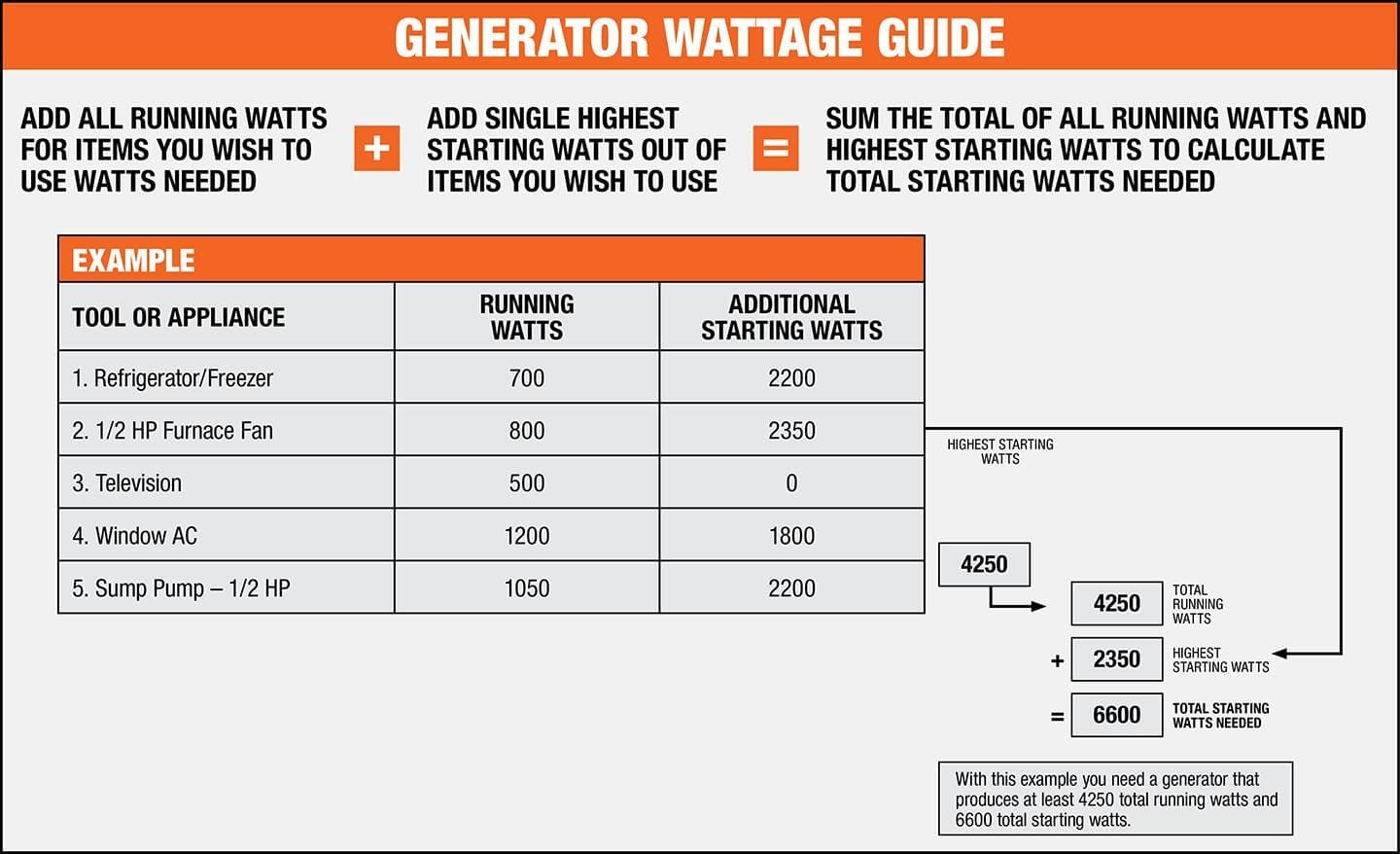
Every appliance comes with a power rating, typically measured in watts. Understanding these ratings is vital for accurate calculations. – Running Watts: This is the continuous power needed to keep an appliance operating. – Starting Watts: Many appliances, particularly those with motors, need extra power to start up. This surge can be significantly higher than running watts. Make a table to compare the running and starting watts of your appliances. This will simplify your calculations when adding up total requirements.Starting Vs Running Watts
The difference between starting and running watts can be a game-changer in your generator selection. Starting watts can be two to three times higher than running watts for some appliances. Imagine your refrigerator needs 800 running watts but requires 2000 starting watts. If you only account for the running watts, you risk overloading your generator when you try to start it. Always check the specifications and calculate the total starting watts for all appliances you might use simultaneously. This way, you ensure your generator can handle the load without any hiccups. Are you ready to take control of your power needs? Understanding these factors will empower you to make a confident choice.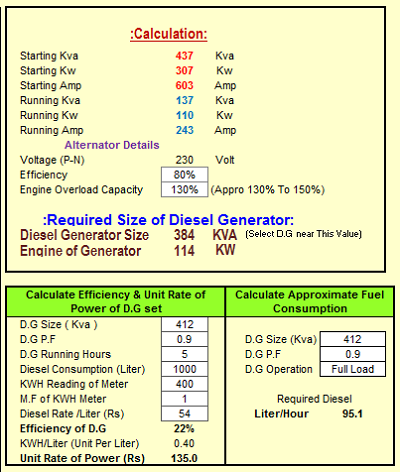
Credit: www.engineersedge.com
Understanding Wattage Requirements
Calculating generator capacity starts with understanding wattage. Wattage is the amount of power your devices need. Knowing this helps you choose the right generator. It ensures your devices work properly. Different devices use different amounts of power. Some need more power than others. This section will guide you in figuring out your wattage needs.
Identify Essential Devices
Begin by listing all the devices you need. Think about what you use daily. Include items like refrigerators, lights, and electronics. Each device has a wattage rating. You can find this on the device or in its manual. Write down the wattage for each item. This step is important for accurate calculations.
Calculate Total Wattage
Add up the wattage of all essential devices. This total shows how much power you need. Consider starting wattage and running wattage. Starting wattage is higher for some devices. It occurs when you first turn them on. Running wattage is what they use after starting. Make sure to account for both. This total wattage will guide your generator choice.
Steps To Determine Generator Capacity
Calculating generator capacity involves a few simple steps. First, list all the appliances you want to power. Next, find the wattage for each device. Finally, add the wattage together to determine the total capacity needed for your generator.
Calculating the right generator capacity is crucial for ensuring you have enough power to meet your needs. Whether you’re preparing for a power outage or planning a camping trip, understanding how to determine the proper generator size can make all the difference. Let’s break down the steps you need to take to accurately calculate generator capacity.List Devices And Equipment
Start by making a comprehensive list of all the devices and equipment you plan to power. This includes everything from your refrigerator and lights to your laptop and air conditioner. – Prioritize Your Needs: Identify which devices are essential. – Group Similar Items: If multiple devices can run at the same time, group them together. This step helps you visualize your power needs and ensures nothing important is left out.Record Power Requirements
Next, you’ll need to record the power requirements for each device. Look for the wattage information, which is usually found on the device’s label or in the user manual. – Use a Watt Meter: If you’re unsure, a watt meter can provide accurate readings. – Add It Up: Calculate the total wattage by summing the individual wattages of all the devices you listed. This total gives you a baseline of what you’ll need for continuous operation.Account For Surge Power
Many devices require extra power to start, known as surge power. This is especially true for appliances like refrigerators and air conditioners. – Identify Surge Requirements: Surge power can be 2 to 3 times the running wattage. – Adjust Your Total: Add this surge wattage to your total. Failing to account for surge power can lead to overloading your generator, causing it to fail when you need it most. How would that impact your plans? Understanding these steps makes the process straightforward. You’ll feel more confident in choosing the right generator that meets your needs without any guesswork.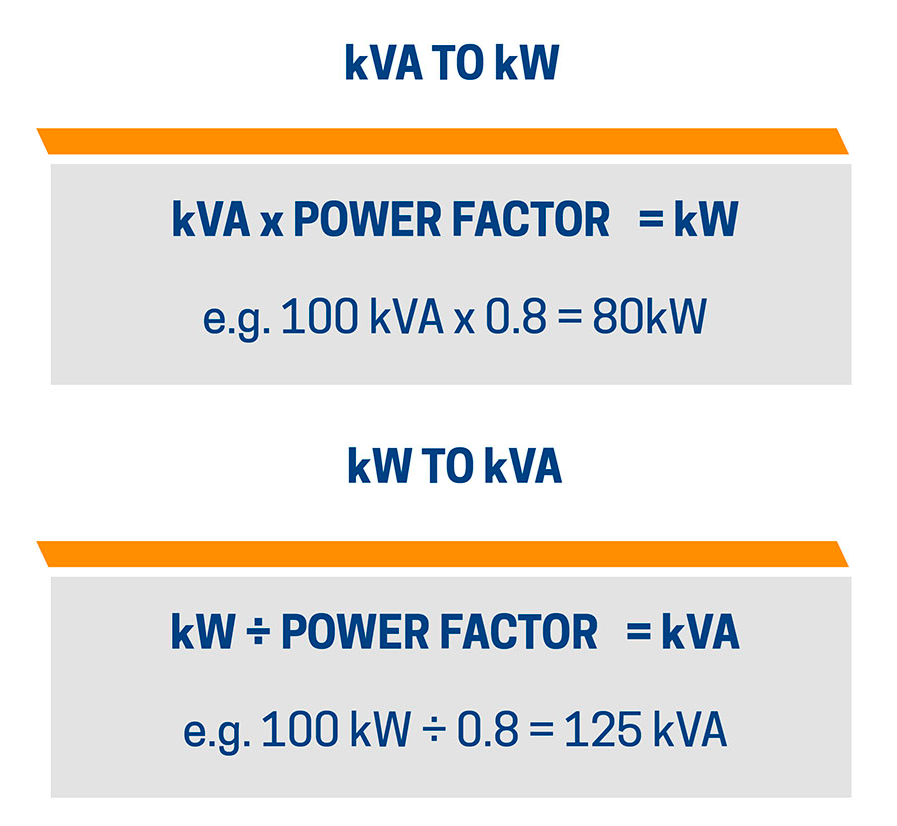
Credit: powerelectrics.com
Choosing The Right Generator
Choosing the right generator starts with understanding capacity. To calculate generator capacity, list all devices needing power. Add up their wattage to find the total. This total helps you select a generator that meets your needs without overloading it.
Choosing the right generator can feel overwhelming, especially with so many options available. Your choice will depend on various factors, including your power needs and the intended use. Understanding the differences between generator types and fuel types can help you make an informed decision.Portable Vs Standby Options
Portable generators are versatile and great for temporary power needs. You can easily move them around your property or take them with you on trips. They’re perfect for camping or during power outages when you need to power essential appliances. Standby generators, on the other hand, are permanently installed and automatically kick in during an outage. They provide a seamless experience, ensuring your home remains powered without manual intervention. If you frequently face power outages or have critical equipment to keep running, a standby generator may be your best bet. Consider your lifestyle. Do you often find yourself needing power away from home? A portable generator might suit you better. If you prioritize convenience and reliability, lean toward a standby option.Fuel Type Considerations
Choosing the right fuel type for your generator is crucial. Common options include gasoline, propane, and diesel. Each has its pros and cons, impacting your operating costs, maintenance needs, and storage requirements. Gasoline is widely available and easy to use, but it has a shorter shelf life. Propane is clean-burning and can be stored for longer periods, making it a good choice if you plan to have a generator ready for emergencies. Diesel generators tend to be more efficient and have a longer lifespan, but they can be more expensive to maintain. Think about your situation. Do you have easy access to a specific type of fuel? Or are you concerned about storage limitations? Your answers will guide you to the best choice. Ultimately, understanding these factors will help you choose a generator that meets your needs effectively. What aspects are most important to you when selecting a generator?Tips For Accurate Calculations
Calculating generator capacity is important for reliable power supply. Start by identifying the total wattage of all devices. Then, consider the starting and running watts. This ensures the generator meets your needs effectively. Remember to check for any additional power requirements.
Calculating the right generator capacity can feel overwhelming, but it doesn’t have to be. With the right approach, you can make accurate calculations that meet your needs. Here are some practical tips to help you get it right.Use A Wattage Calculator
A wattage calculator simplifies the process of determining how much power you need. These tools allow you to input the devices you plan to run and will give you a total wattage requirement. You might be surprised by how quickly numbers add up. For instance, a refrigerator can use around 600 watts, while a TV might use about 200 watts. Make a list of all the appliances you want to run during a power outage. Add their wattage together to find your total. This step is crucial to avoid purchasing a generator that’s too small.Consult Manufacturer Guidelines
Manufacturer guidelines provide valuable insights into the power requirements for specific appliances. Each device has a label that details its wattage, and these figures are essential for your calculations. Take a moment to gather this information before making any decisions. This way, you can ensure your generator can handle the starting and running watts of your essential items. If you’re unsure, don’t hesitate to reach out to the manufacturer for clarification. They often have customer service teams ready to help you understand their products better. By following these tips, you can confidently choose a generator that meets your needs without any surprises. Are you ready to start calculating?Safety And Maintenance
Ensuring safety and proper maintenance for your generator is crucial. A well-maintained generator works efficiently. It also reduces risks during use. Regular checks help prevent accidents and failures.
Avoid Overloading
Overloading a generator can cause serious problems. It may lead to overheating and damage. Always calculate the total wattage needed. Do not exceed the generator’s capacity. Check the manufacturer’s guidelines for limits. This simple step can save you from costly repairs.
Regular Testing And Servicing
Regular testing keeps your generator in top shape. Schedule tests every few months. Check the oil levels and filters regularly. This ensures the generator runs smoothly. Servicing by a professional is vital. They can spot issues before they become serious. Regular maintenance extends the life of your generator.

Credit: www.bigrentz.com
Frequently Asked Questions
How Do I Determine Generator Size?
To determine generator size, first calculate your total power needs. Add the wattage of all appliances you plan to use simultaneously. It’s essential to consider both starting and running wattages. Use the formula: generator capacity (in watts) = total running watts + starting watts.
What Is The Formula For Generator Capacity?
The formula for generator capacity is straightforward. It involves adding running watts to starting watts. This gives you the total wattage required for your appliances. Ensure you account for voltage and power factor when making calculations. This will ensure optimal generator performance.
How Do I Calculate Wattage For My Appliances?
To calculate wattage, check the appliance’s label for its wattage rating. If unavailable, you can estimate it by multiplying volts by amps. Use the formula: watts = volts × amps. This method will help you gauge the total wattage needed for your generator.
Why Is Starting Wattage Important?
Starting wattage is crucial because many appliances require more power to start. This initial surge can be significantly higher than running wattage. If your generator can’t handle this surge, it may fail to start the appliance. Always include starting wattage in your calculations for accurate sizing.
Conclusion
Calculating generator capacity is essential for reliable power. Knowing your needs helps you choose the right generator. Consider your appliances and their wattage. Always add extra capacity for safety. This ensures your generator runs smoothly. With the right calculations, you can avoid problems.
A well-sized generator saves you money and time. Take your time to assess your power requirements. This step is crucial for effective performance. Make informed decisions for your energy needs. Your power solution is just a calculation away.