

Imagine a sudden power outage, and your generator refuses to start. Frustrating, isn’t it?
If you find yourself in this situation, you’re not alone. Many people rely on generators for backup power, but when they fail, it can be a real headache. You might feel panicked and unsure of what to do next. Don’t worry; help is at hand.
You’ll discover practical steps to troubleshoot your generator and get it running again. From simple checks to maintenance tips, we’ll guide you through each stage. By the end, you’ll feel more confident in handling any generator issues that come your way. Let’s dive in and get your power back on track!

Credit: www.powerequipmentforum.com
Common Reasons For Generator Failure
Generator failure can happen for various reasons. Common issues include fuel problems, battery failure, or engine issues. Knowing what to check first can help you troubleshoot and resolve the problem quickly.
Understanding the common reasons for generator failure can save you time, money, and frustration. It’s crucial to identify the issue quickly to get your generator back in working order. Let’s dive into some frequent culprits that might be causing your generator troubles.Fuel Issues
Fuel problems are among the top reasons generators fail. If your generator isn’t starting, check the fuel level first. – Empty Tank: A simple oversight—make sure there’s enough gas. – Old Fuel: Fuel can degrade over time. If your generator has been sitting idle, consider draining and replacing the old fuel. Have you ever found yourself in the middle of an outage, only to realize your generator is out of gas? It’s frustrating but easily avoidable.Battery Problems
A dead or weak battery can prevent your generator from starting. Make sure to inspect the battery regularly. – Corrosion: Check for corrosion on the battery terminals. Clean them if necessary. – Age: Batteries have a lifespan. If your battery is older than three years, it might be time for a replacement. Experiencing that moment of panic when you hit the start button and nothing happens? It’s often related to battery issues.Oil Level And Quality
Generators need the right oil level to function properly. Low or dirty oil can lead to severe damage. – Check Levels: Before using your generator, ensure the oil is at the recommended level. – Change Oil Regularly: Following the manufacturer’s guidelines for oil changes can keep your generator running smoothly. Have you ever skipped an oil change? Neglecting this maintenance can lead to bigger problems down the line.Overloading The Generator
Using too many appliances or devices at once can overload your generator. This can cause it to shut down unexpectedly. – Know Your Limits: Check the wattage capacity of your generator. – Prioritize: Only run essential appliances during an outage to avoid overloading. Have you tried to power everything at once, only to be left in the dark? Understanding your generator’s limits can make all the difference.Faulty Components
Sometimes, internal parts can wear out or malfunction. Common issues include: – Spark Plugs: Worn-out spark plugs can prevent the engine from starting. – Fuel Filters: A clogged fuel filter can restrict fuel flow. Have you ever had your generator suddenly stop? It might be due to faulty components that need replacing. By knowing these common reasons for generator failure, you can take proactive steps. Regular maintenance checks can help prevent these issues. What’s your generator maintenance routine like?Initial Safety Steps
Check the fuel level first. Make sure there is enough gas or diesel. Next, inspect the power switch and circuit breakers. Look for any signs of damage or loose connections. These initial safety steps can help identify simple issues. Stay safe while troubleshooting your generator.
When your generator stops working, the first thing to prioritize is safety. Generators can pose various risks, including electrical hazards and carbon monoxide poisoning. Taking initial safety steps can prevent accidents and ensure your well-being while troubleshooting the issue.Turn Off The Generator
If your generator is malfunctioning, the first step is to turn it off. This reduces the risk of further damage or injury. Wait for a few minutes to allow it to cool down before proceeding. Always disconnect any appliances or devices connected to the generator. This prevents electrical surges that could damage your equipment or create a shock hazard.Check For Fuel Issues
Ensure that your generator has enough fuel. Running out of gas is a common oversight that can leave you in the dark. If the fuel level is low, refill it with the appropriate type. Avoid using old or contaminated fuel. Old gas can cause starting issues and can even damage your generator. If you suspect the fuel is bad, consider draining the tank and replacing it with fresh fuel.Inspect The Area
Look around the generator for any signs of leaks or damage. Check for loose wires or frayed cords, as these can pose serious risks. Make sure the generator is placed in a well-ventilated area, away from windows and doors. This helps prevent carbon monoxide from entering your home.Use Personal Protective Equipment
If you need to handle the generator, wear appropriate safety gear. Gloves, safety glasses, and sturdy footwear are essential to protect yourself. While troubleshooting, keep a fire extinguisher nearby. Generators can overheat, and having a fire extinguisher at hand can be a lifesaver.Stay Calm And Assess The Situation
Take a deep breath and think through the problem. Panic can lead to mistakes that might worsen the situation. Ask yourself key questions: What were you using the generator for? Did you notice any unusual sounds before it stopped? Reflecting on these details can guide you in troubleshooting effectively. Your safety should always come first. Taking these initial steps can help you assess the problem without putting yourself at risk. Would you know what to do if your generator failed during a storm?Checking Fuel Supply
When a generator stops working, checking the fuel supply is crucial. Fuel issues often cause power problems. Start by ensuring there is enough fuel. Inspecting the fuel level helps identify the issue quickly.
Inspect Fuel Level
First, check the fuel gauge. It shows how much fuel is left. If the gauge is empty, fill the tank. Use the correct fuel type for your generator. Avoid running the generator on low fuel. This can damage the engine.
Look inside the tank. Sometimes, the gauge might be broken. Ensure there is enough fuel for operation. A full tank can prevent many common problems.
Look For Contaminated Fuel
Contaminated fuel can cause your generator to fail. It can be dirty or mixed with water. Check for any discoloration in the fuel. If it looks cloudy or has particles, it is likely bad. Replace contaminated fuel before starting the generator.
Also, clean the fuel filter. A clogged filter can stop fuel flow. Regular maintenance helps keep your generator running smoothly.
Inspecting Electrical Connections
Electrical connections are crucial for your generator’s performance. A faulty connection can stop your generator from working. Checking these connections is a vital step.
Start by ensuring all cables are secure. Look for any visible damage. This will help you identify potential issues quickly.
Examine Power Cables
Begin with the power cables. Check for frays or cuts. Damaged cables can lead to power loss. Ensure all connections are tight. Loose cables can interrupt the flow of electricity.
Inspect the cable insulation. Look for signs of wear or melting. Replace any damaged cables immediately. This can prevent further problems.
Check Circuit Breakers
Next, check the circuit breakers. A tripped breaker can stop your generator. Locate the breaker panel and look for any switches that are off.
Reset any tripped breakers. Flip them back to the “on” position. If the breaker trips again, there may be an underlying issue. Seek professional help if needed.
Testing The Battery
Testing the battery is an important step. A faulty battery often causes generator problems. Check the battery to see if it needs attention. Follow these steps to ensure your battery works well.
Verify Battery Charge
First, check the battery charge. Use a multimeter to measure voltage. A fully charged battery should show around 12.6 volts. If it shows less than 12.4 volts, it may need charging.
Start by turning off the generator. Disconnect the battery cables carefully. This prevents any electrical shock. Then, connect the multimeter leads to the battery terminals. Check the reading. If it’s low, charge the battery fully before trying again.
Clean Battery Terminals
Next, clean the battery terminals. Corrosion can block the connection. Check for any white or green buildup on the terminals. Use a mixture of baking soda and water to clean them. Apply the mixture with a brush, then rinse with water.
Dry the terminals completely. After cleaning, reconnect the battery cables securely. Ensure they are tight and free of corrosion. This simple step can fix many issues. A clean connection helps the generator start smoothly.

Credit: www.lippert.com
Assessing The Air Filter
Checking the air filter is essential for a working generator. A dirty air filter can restrict airflow. This restriction can cause the generator to fail. Regular maintenance helps keep it running smoothly.
Importance Of A Clean Air Filter
A clean air filter ensures proper airflow. This airflow helps the engine run efficiently. Without enough air, the generator may overheat. An overheated engine can lead to damage.
How To Inspect The Air Filter
Start by turning off the generator. Wait until it cools down. Locate the air filter cover. Open it carefully to avoid damage. Take out the air filter for inspection.
Signs Of A Dirty Air Filter
Look for dirt and debris on the filter. A clogged filter will look dark and grimy. If the filter is visibly dirty, it needs cleaning or replacement. Ignoring this can lead to serious issues.
Cleaning The Air Filter
You can clean a foam air filter with soap and water. Rinse it thoroughly and let it dry. For paper filters, replace them instead. Paper filters cannot be cleaned effectively.
Reinstalling The Air Filter
Once the filter is clean or replaced, reinstall it. Ensure it fits snugly in the cover. Close the air filter cover securely. This prevents dirt from entering the engine.
Regular Maintenance Tips
Check the air filter every month. Replace it every few months or as needed. Keeping the air filter clean helps your generator run better. Regular maintenance saves you time and money.
Examining The Spark Plug
When your generator stops working, one of the first components to check is the spark plug. This small but mighty piece plays a crucial role in the ignition process. A faulty spark plug can prevent your generator from starting, leaving you in the dark.
Check For Wear And Tear
Start by removing the spark plug from your generator. Look for signs of wear, such as cracks, corrosion, or a worn electrode. If the spark plug is dirty or covered in carbon buildup, it may not create a strong enough spark.
Inspect the ceramic insulator for any chips or damage. Even minor imperfections can affect performance. Remember, a spark plug should look clean and intact to function optimally.
Replace If Necessary
If you notice significant wear or damage, it’s time for a replacement. A new spark plug is relatively inexpensive and can make a world of difference. Make sure to choose a spark plug that matches your generator’s specifications.
When installing the new plug, ensure it’s tightened securely but not overly tight. This helps maintain a good connection for a reliable spark. Don’t overlook this step; a properly installed spark plug is key to your generator’s performance.
Once you’ve replaced the spark plug, try starting your generator again. You might be surprised at how easily it turns over. Have you checked your spark plug recently? It could save you from unnecessary headaches in the future.
Resetting The Generator
A generator may stop working for various reasons. To reset it, first check the fuel levels and connections. Then, turn off the generator, wait a moment, and restart it. This simple process can often solve the issue and get your generator running again.
Resetting a generator can often be the first step in troubleshooting when it’s not working. It’s a straightforward process that can resolve many common issues. Whether you are dealing with a portable generator or a standby unit, knowing how to reset it can save you time and stress. Here’s a guide on how to reset your generator effectively.Understanding The Reset Button
Most generators have a reset button. This button is usually found on the control panel. It’s designed to help restore the generator to its normal operating state. Pressing this button can clear minor faults. It’s an essential first step if your generator suddenly stops running.Power Down Before Resetting
Before you reset your generator, ensure it is powered down. Turn off all appliances connected to it. This prevents any electrical surges from damaging your devices. Wait a few moments after turning it off. This allows the system to fully reset before you proceed.Locate And Press The Reset Button
Find the reset button on your generator’s control panel. It may be labeled clearly, but if not, refer to your user manual. Press the button firmly. You should feel a slight click indicating that it has engaged. After pressing the button, check any warning lights. If they are off, it means the reset was successful.Check Fuel Levels And Connections
After resetting, inspect your fuel levels. Low fuel can cause your generator to shut off unexpectedly. Also, check all connections. Loose wires can lead to operational issues. Make sure that the fuel valve is open and that there are no leaks. This ensures your generator has everything it needs to run smoothly.Test The Generator
Now it’s time to test the generator. Start it up and listen for any unusual sounds. If it starts without issue, gradually reconnect your appliances. Monitor how it performs under load. If it fails to start or shuts off again, further troubleshooting may be necessary. Consider consulting a professional if problems persist. Resetting your generator can often fix minor issues and get it back up and running. Have you tried resetting your generator before? What was your experience?When To Call A Professional
Understanding when to call a professional can save you time, money, and stress. A malfunctioning generator can disrupt your daily life, especially during power outages. Knowing the signs that indicate it’s time to seek expert help is crucial.
Persistent Issues Despite Basic Troubleshooting
If you’ve already tried basic troubleshooting steps, such as checking the fuel level or resetting the circuit breaker, and the generator still won’t start, it’s time to call a professional. Sometimes, the problem may be deeper than you can handle.
Ignoring persistent issues can lead to bigger problems down the road. You might find yourself in a situation where a minor fix turns into a costly repair. Don’t hesitate to reach out for help.
Unusual Noises Or Smells
Generators are designed to operate quietly and efficiently. If you start hearing strange noises or smelling gas, something is wrong. These signs could indicate a serious issue that requires immediate attention.
Trust your instincts. If your generator starts making a loud rattling sound or emits an unusual odor, stop using it. A professional can diagnose and resolve these issues safely.
Age Of The Generator
Is your generator older than five years? If yes, regular maintenance becomes essential. Even if it seems to be working fine, older models may require professional assessment to ensure they meet safety standards.
Consider the history of your generator. If it hasn’t been serviced in a while, scheduling a professional check-up can extend its lifespan. Don’t wait for a breakdown; be proactive instead.
Electrical Problems
If your generator is causing electrical issues in your home, such as flickering lights or tripping breakers, don’t ignore it. These problems can be signs of faulty wiring or component failure.
Electrical issues can pose risks beyond just inconvenience. They can lead to electrical fires or damage to your appliances. Contact a professional to diagnose and resolve these problems safely.
Safety Concerns
Above all, prioritize your safety. If you ever feel uncertain about troubleshooting your generator, reach out to a professional. It’s always better to be safe than sorry.
Consider this: would you attempt to fix a gas leak on your own? The same logic applies here. When in doubt, call an expert who can handle the situation effectively.
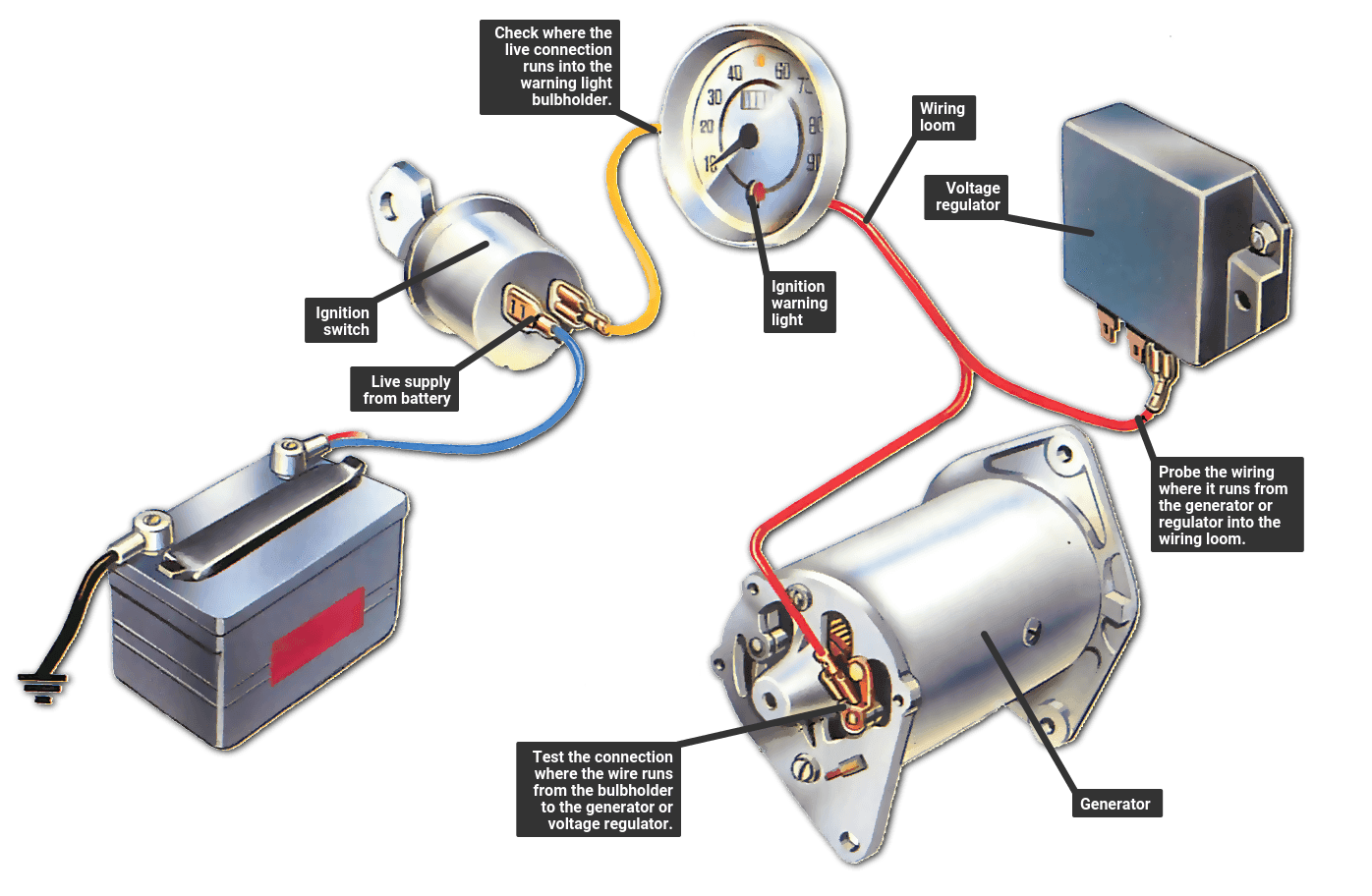
Credit: www.howacarworks.com
Frequently Asked Questions
Why Is My Generator Not Starting?
If your generator won’t start, check the fuel level first. Make sure the battery is charged and connections are secure. Inspect the oil levels and ensure they are adequate. Additionally, look for any tripped circuit breakers. If issues persist, consult the user manual or a professional technician.
What Are Common Generator Problems?
Common generator problems include fuel issues, battery failures, and oil leaks. Overloading the generator can also cause malfunction. Regular maintenance is crucial to prevent these problems. Always keep the generator clean and stored properly when not in use. Identifying issues early can save you time and money.
How Can I Troubleshoot My Generator?
To troubleshoot your generator, start by checking the power source. Inspect fuel lines and replace any clogged filters. Look for signs of wear or damage on cables. Run a diagnostic test if available. For persistent issues, consider contacting a qualified technician for assistance.
When Should I Call A Professional?
Call a professional if your generator has persistent issues after basic troubleshooting. If you encounter unusual noises or smells, it’s time to seek help. Additionally, if the generator fails to produce power despite all checks, don’t hesitate to consult an expert for a thorough inspection.
Conclusion
A non-working generator can be frustrating. Start by checking the basics. Look at fuel levels and connections. Inspect the battery and spark plug. These simple steps can often fix the issue. If problems persist, seek professional help. Regular maintenance keeps your generator running well.
Don’t wait for issues to arise. Stay prepared and keep your generator in good shape. Follow these tips to ensure reliable power when you need it most. A little effort goes a long way in avoiding future problems.