
When it comes to your generator, knowing how often it needs servicing is crucial for its longevity and performance. You rely on this power source during outages or emergencies, so keeping it in top shape is essential.
But how do you know when it’s time for a check-up? This guide will break down the key factors that determine your generator’s servicing needs. By understanding the signs and schedule for maintenance, you can avoid costly repairs and ensure your generator is always ready when you need it most.
Read on to discover practical tips and expert advice that will help you protect your investment and keep your power running smoothly.
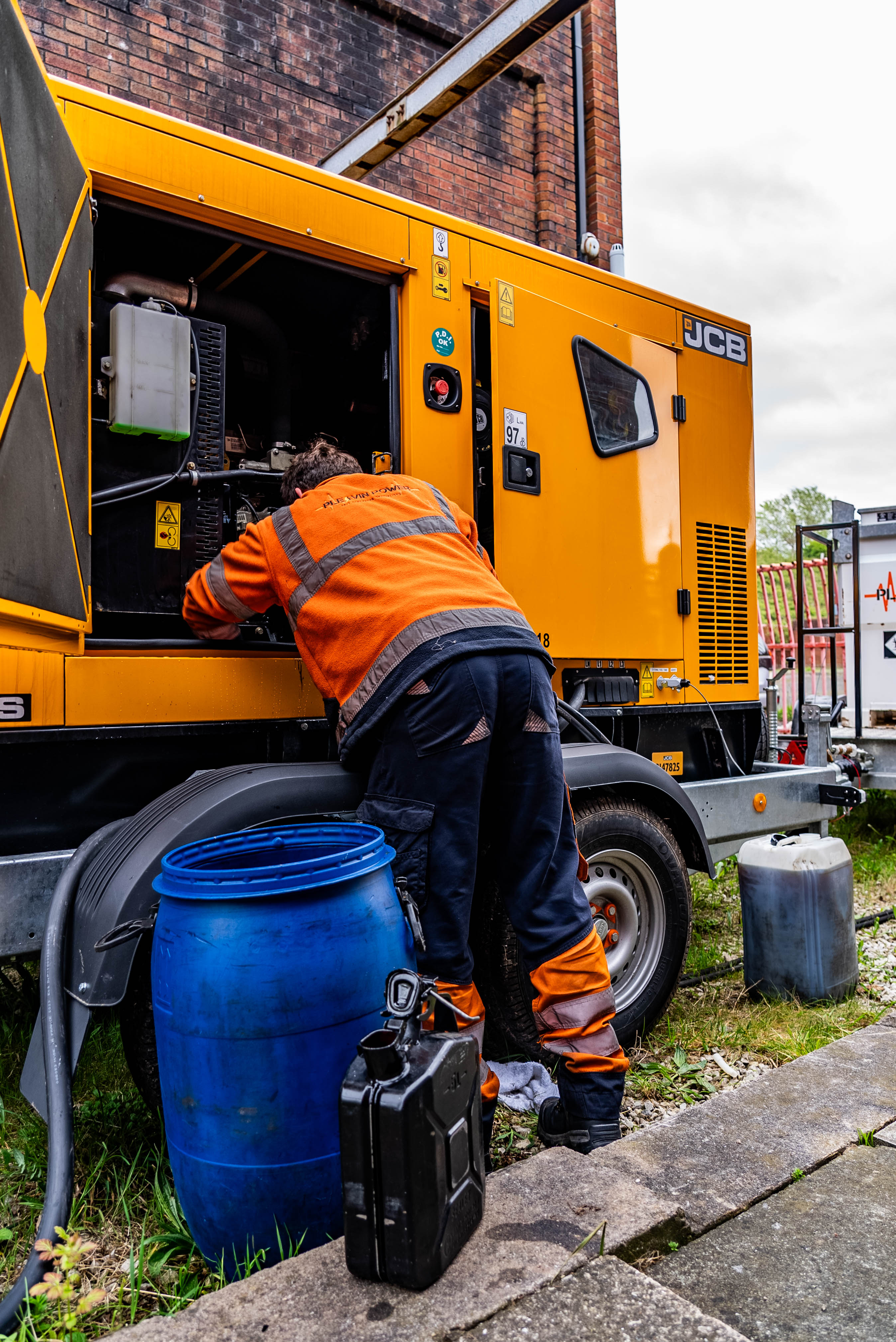
Credit: pleavinpower.co.uk
Generator Maintenance Schedule
Keeping your generator in good shape is important. A regular maintenance schedule helps ensure it runs smoothly. It can prevent costly repairs later. Understanding how often to service your generator is key.
Monthly Checks
Perform basic checks every month. Look at the fuel level. Ensure it has enough fuel. Check the oil level and inspect for leaks. Test the battery and clean the terminals. Run the generator for a short time to check its performance.
Quarterly Maintenance
Every three months, conduct a more thorough inspection. Change the oil and replace the oil filter. Check the air filter and clean or replace it. Inspect spark plugs and replace them if needed. Look at the coolant level and add more if necessary.
Annual Service
Once a year, schedule a full service. This should include a comprehensive inspection. Clean the fuel system and check for any wear. Replace any old or damaged parts. A professional can help with this service.
After Major Use
After heavy use, check your generator. This includes after storms or long outages. Inspect for any unusual sounds or issues. Address any problems immediately to avoid further damage.

Credit: suburbanenterprises.com
Factors Affecting Service Frequency
Generator service frequency depends on several factors. Usage duration, load levels, and fuel type all play a role. Regular maintenance ensures optimal performance and safety. Keeping track of these factors helps determine when your generator needs servicing.
Understanding the factors that affect how often your generator needs to be serviced is crucial for maintaining its efficiency and longevity. By considering these key elements, you can make informed decisions that will keep your generator running smoothly when you need it most.Type Of Generator
The type of generator you own plays a significant role in determining service frequency. – Portable Generators: These generally require more frequent maintenance due to their mobility and the nature of their use. – Standby Generators: These are usually serviced less often since they are typically installed permanently and only run during power outages. Different models may have specific maintenance schedules based on the manufacturer’s recommendations. Always refer to your generator’s manual for tailored guidance.Usage Hours
How often you use your generator directly impacts its service requirements. If you rely on it daily, you might need to service it every few months. Conversely, if you use it sporadically, annual checks may suffice. Think about your usage patterns. Do you run it for hours during storms, or is it just for occasional camping trips? More hours mean more wear and tear, leading to a higher frequency of necessary maintenance.Environmental Conditions
The environment where you operate your generator affects its servicing needs significantly. – Dusty Areas: Generators in dusty environments may require more frequent filter changes and cleaning. – Moisture-Prone Locations: If your generator is exposed to humidity or rain, corrosion could become an issue, necessitating more regular checks. Consider how your generator is affected by its surroundings. Does it sit outside, exposed to the elements, or is it stored in a controlled environment? Understanding these factors can help you schedule maintenance more effectively. Keeping an eye on these elements will ensure your generator remains reliable and efficient. How often do you think about your generator’s health? Taking proactive steps can save you from unexpected breakdowns when you need power the most.Key Service Tasks
Regular maintenance keeps your generator running smoothly. Key service tasks are essential for its longevity. Neglecting these tasks can lead to issues. Let’s explore these important tasks.
Oil And Filter Changes
Changing oil is crucial for your generator. Old oil can cause damage. It loses its effectiveness over time. Aim to change the oil every 50 hours of use. Also, replace the oil filter at the same time. Clean oil helps the engine run better.
Battery Inspection
Your generator’s battery needs attention. Check the battery every month. Look for corrosion on the terminals. Clean any buildup you find. Ensure the battery is charged. A weak battery can prevent your generator from starting.
Spark Plug Replacement
Spark plugs ignite the fuel in the engine. Worn-out spark plugs can cause starting problems. Replace them every 100 hours of operation. Use the correct type for your generator. Good spark plugs improve performance and fuel efficiency.
Signs Your Generator Needs Immediate Service
Generators need regular service to work well. Signs that yours needs attention include strange noises, difficulty starting, or irregular power output. Catching these issues early can prevent bigger problems later. Regular checks help keep your generator running smoothly and safely.
Recognizing the signs that your generator needs immediate service is crucial for maintaining its efficiency and longevity. Ignoring these signs can lead to costly repairs or even total failure when you need it most. Let’s dive into the key indicators that should prompt you to call a technician right away.Unusual Noises
Your generator should operate quietly in the background. If you hear strange noises, it’s a red flag. Rattling, grinding, or high-pitched sounds can indicate internal issues. These noises often mean loose parts or a failing component. Have you ever had a generator that suddenly sounded like a lawnmower? It might seem amusing, but it usually signals a serious problem needing immediate attention.Difficulty Starting
A generator that struggles to start can be a major inconvenience. If you find yourself trying multiple times to get it running, take note. This could point to battery issues, fuel problems, or ignition failures. Each attempt can strain the generator, leading to further damage. Have you ever been in the middle of a storm, relying on your generator, only to realize it won’t start? It’s a nerve-wracking experience that highlights the importance of timely maintenance.Power Output Issues
Are your appliances flickering or shutting down unexpectedly? This could mean your generator isn’t delivering the right power output. Inconsistent power can cause damage to connected devices, leading to expensive repairs. Think back to a time when your generator couldn’t keep up with your needs. It’s frustrating and can leave you without essential services when you need them the most. Pay attention to these signs. Regular service checks can help you avoid these issues and keep your generator running smoothly.Benefits Of Regular Servicing
Regular servicing of your generator keeps it running smoothly. It helps catch problems early, preventing costly repairs. Aim for service every six months to ensure optimal performance and reliability.
Regular servicing of your generator is crucial for maintaining its performance and reliability. You may wonder why it’s so important to set aside time and resources for this task. The benefits of regular servicing go beyond just keeping the lights on; they can save you money and extend the life of your equipment. Let’s look at the specific advantages of keeping your generator in top shape.Improved Efficiency
A well-serviced generator operates more efficiently. When all components are clean and functioning properly, it consumes less fuel. This means you’ll save money in the long run. Regular maintenance checks ensure that the oil, filters, and spark plugs are in optimal condition. Neglecting these can lead to a decrease in performance, causing your generator to work harder and use more fuel. Think about your own experiences. Have you noticed how a clean engine runs smoother? The same applies to your generator.Extended Lifespan
Just like your car, your generator needs care to last. Regular servicing can significantly extend its lifespan. By addressing minor issues before they turn into major problems, you keep your generator running longer. Imagine investing in a generator only to replace it prematurely due to neglect. You can rely on it during power outages without worrying about failures. Isn’t it comforting to know your equipment is ready when you need it most?Reduced Repair Costs
Servicing your generator regularly can save you from costly repairs down the line. Small issues, if caught early, are usually inexpensive to fix. Waiting until something breaks can lead to extensive damage. This not only costs more but also puts you at risk of being without power when you need it. Consider the peace of mind you gain. Regular checks mean fewer surprises and lower overall expenses. Wouldn’t you prefer to spend less on repairs and more on enjoying your power supply?
Credit: sparkygeneratorservice.com
Tips For Scheduling Generator Service
Regular service keeps your generator running smoothly. Follow these tips to schedule service effectively. This helps prevent unexpected breakdowns and extends the life of your unit.
Seasonal Checks
Check your generator at the start of each season. Cold months can harm the battery. Summer heat can stress the engine.
Inspect fuel levels, oil, and air filters. Clean or replace as needed. This ensures your generator is ready for use.
Tracking Usage Hours
Keep track of how often you use your generator. Most generators need service after a certain number of hours. Log usage to know when it’s time for maintenance.
Use the manual for guidance on service intervals. This helps you stay on top of necessary care.
Professional Servicing
Hire a professional for detailed inspections. They can catch issues you might miss. Schedule this service at least once a year.
Technicians can also provide advice for your specific model. Their expertise ensures your generator runs safely and efficiently.
Frequently Asked Questions
How Often Should A Generator Be Serviced?
Generators should generally be serviced every 6 to 12 months. This frequency ensures optimal performance and longevity. Regular maintenance helps identify potential issues before they become significant problems. Always consult your owner’s manual for specific recommendations based on your generator model and usage.
What Are The Signs Of A Generator Needing Service?
Common signs include unusual noises, difficulty starting, or irregular power output. If your generator shows these symptoms, it may require immediate attention. Ignoring these signs can lead to bigger issues and costly repairs. Regular inspections can help prevent these problems from escalating.
Can I Service My Generator Myself?
Yes, you can perform basic maintenance tasks yourself. This includes checking oil levels, replacing filters, and cleaning the unit. However, for complex issues, it’s best to consult a professional. DIY maintenance can save you money but ensure you follow safety guidelines and the manufacturer’s instructions.
How Long Does Generator Servicing Take?
Generator servicing typically takes 1 to 3 hours. The duration depends on the type of generator and the extent of maintenance required. A routine check may take less time, while repairs could take longer. Scheduling regular services can help minimize downtime and ensure reliable performance.
Conclusion
Regular servicing keeps your generator running well. Check your manual for specific guidelines. Most generators need service every 6 to 12 months. Pay attention to signs of wear and tear. Clean filters and change oil regularly. This simple care helps prevent problems.
Don’t wait for issues to arise. A little maintenance now saves time and money later. Keep your generator in top shape, and it will serve you well. Stay proactive for the best performance and reliability.