
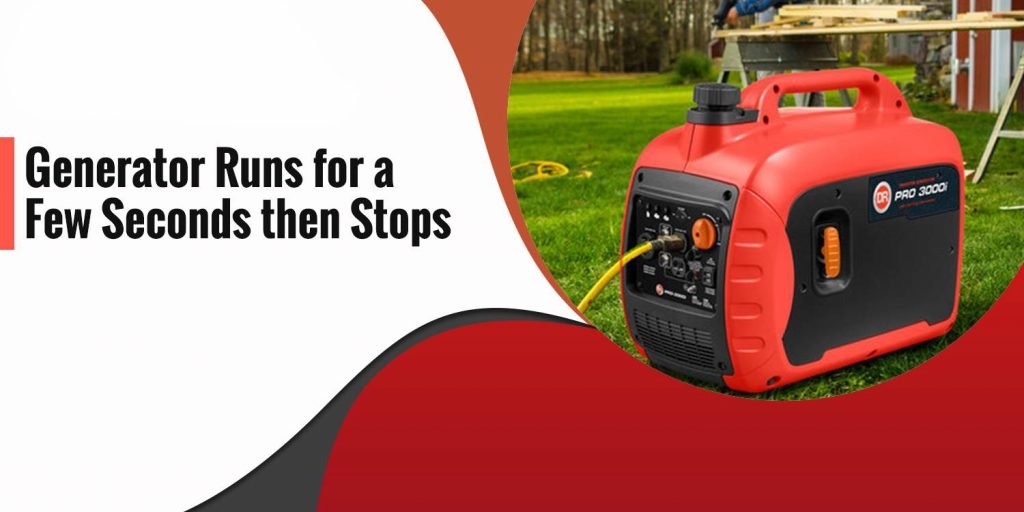
Is your generator stopping after just a few minutes of running? If so, you’re not alone.
Many people face this frustrating issue, and it can leave you feeling helpless, especially during a power outage or outdoor event. You rely on your generator for backup power, but when it suddenly shuts off, it can disrupt your plans and create a lot of stress.
We’ll explore the common reasons why generators stop working so quickly and provide you with practical solutions to get it running smoothly again. Understanding the root cause can save you time, money, and a whole lot of frustration. So, let’s dive in and find out how you can keep your generator running when you need it most. Your peace of mind is just a few steps away!

Credit: www.elephantenergy.org
Common Causes Of Shutdown
A generator that stops unexpectedly can be frustrating. Understanding the reasons behind this issue is crucial. Many factors can cause a generator to shut down after a few minutes. Let’s explore the common causes.
Fuel Supply Issues
Fuel supply problems are common causes of generator shutdowns. Check the fuel level regularly. Low fuel can lead to sudden stops. Dirty fuel filters can also block fuel flow. Ensure the fuel is clean and fresh.
Oil Level Problems
Oil level is vital for generator operation. Low oil levels can cause the engine to shut down. Always check the oil level before starting the generator. Change the oil as needed to keep it running smoothly.
Overheating Concerns
Overheating is another reason for shutdown. Generators generate heat during operation. If there is not enough airflow, overheating can occur. Make sure vents are clear. Regular maintenance helps prevent overheating issues.
Electrical Component Failures
Electrical component failures can lead to shutdowns. Worn-out wires or damaged circuits can disrupt power. Inspect all electrical connections regularly. Replacing faulty parts can keep your generator running.

Credit: www.facebook.com
Inspecting Fuel System
When a generator stops after a few minutes, the fuel system is often the cause. A thorough inspection can help identify the problem. Checking fuel levels, examining fuel lines, and cleaning the carburetor are essential steps.
Checking Fuel Levels
Start by checking the fuel levels in the tank. Low fuel can cause the generator to stop. Ensure there is enough fuel for operation. If the fuel is low, refill the tank with fresh fuel. Old or contaminated fuel can also lead to issues.
Examining Fuel Lines
Next, examine the fuel lines for any signs of damage. Look for cracks, leaks, or blockages. Damaged lines can restrict fuel flow. Ensure all connections are tight and secure. Replace any damaged lines to restore proper function.
Cleaning Carburetor
A dirty carburetor can lead to engine problems. Remove the carburetor for cleaning. Use a carburetor cleaner to remove dirt and residue. Pay attention to small parts and jets. Proper cleaning can improve fuel flow and engine performance.
Monitoring Oil Levels
Low oil levels can cause a generator to stop running after just a few minutes. Regularly checking and maintaining oil levels is crucial for smooth operation. Neglecting this task can lead to serious engine damage and costly repairs. Keep an eye on oil levels to ensure your generator runs well.
Monitoring oil levels in your generator is crucial for its longevity and performance. Neglecting this aspect can lead to frustrating situations, like your generator stopping unexpectedly after just a few minutes of operation. Keeping an eye on oil levels not only ensures smooth functioning but also prevents costly repairs down the line.Low Oil Sensor Functionality
Most modern generators come equipped with a low oil sensor. This sensor plays a vital role in protecting your machine. When oil levels drop too low, the sensor triggers an automatic shutdown. This feature is designed to prevent engine damage caused by insufficient lubrication. Have you ever experienced your generator shutting off unexpectedly? It might have been the low oil sensor doing its job. Regularly checking your oil levels ensures that the sensor does not activate unnecessarily. It saves you from interruptions and keeps your generator running efficiently.Refilling Oil Properly
Refilling oil in your generator is not just a routine task; it’s an essential part of maintenance. Always use the manufacturer-recommended oil type for optimal performance. Before adding oil, ensure the generator is turned off and cooled down. This step prevents burns and ensures a safe refilling process. To refill properly:- Locate the oil fill cap.
- Use a funnel to avoid spills.
- Check the dipstick after adding oil to ensure you’re at the right level.
Addressing Overheating
Overheating can cause your generator to stop. This issue often stems from airflow problems or poor maintenance. Understanding these factors is key to keeping your generator running smoothly.
Blocked Airflow
Blocked airflow is a common cause of overheating. Dust and debris can clog the air vents. This prevents air from cooling the engine. Regularly check the vents and filters. Clean them to ensure proper airflow. Avoid using the generator in tight spaces. Open areas allow better air circulation.
Cooling System Maintenance
Keeping the cooling system in good shape is crucial. Inspect the coolant levels frequently. Low coolant can lead to overheating. Replace old coolant as needed. Check hoses for leaks or cracks. Ensure the radiator is clean and clear. A well-maintained cooling system helps the generator run longer.
Using Generator In Safe Conditions
Safe operating conditions are vital for your generator. Avoid using it during extreme heat. High temperatures can lead to overheating. Place the generator on a flat surface. This allows for proper drainage and airflow. Monitor the generator while it runs. Turn it off if it starts to overheat.
Testing Electrical Components
Generators can stop unexpectedly. Testing electrical components helps find issues. This process is simple but vital. It ensures your generator runs smoothly.
Inspecting Spark Plug
The spark plug ignites the fuel in the engine. A dirty or faulty spark plug can cause problems. Check for carbon build-up or damage. Replace it if necessary. This step can solve many starting issues.
Checking Circuit Breakers
Circuit breakers protect your generator from overloads. A tripped breaker can stop your generator. Inspect the breaker for any signs of damage. Reset it and see if the generator runs. If it trips again, further investigation is needed.
Examining Wiring Connections
Loose or damaged wires can interrupt power flow. Check all wiring connections carefully. Look for frayed wires or corrosion. Tighten any loose connections you find. Ensure everything is secure for safe operation.
Preventive Maintenance Tips
Generators that stop after a few minutes can be frustrating. Regular checks on fuel levels and oil quality can help. Clean filters and battery connections also ensure better performance. Follow these preventive maintenance tips to keep your generator running smoothly.
Preventive maintenance is key to keeping your generator running smoothly. Regular upkeep can help you avoid unexpected shutdowns and costly repairs. Here are some essential tips to maintain your generator effectively.Routine Cleaning
Keeping your generator clean is vital for its performance. Dust, dirt, and debris can clog filters and affect airflow. – Inspect the exterior regularly. Remove any debris that may accumulate around the unit. – Clean air filters monthly. A clean filter improves airflow and efficiency. – Wipe down the casing. This prevents rust and corrosion, extending the life of your generator. I remember a time when my generator stopped working during a power outage because I neglected to clean the air filter. It was a frustrating experience that taught me the importance of routine cleaning.Scheduled Oil Changes
Oil changes are crucial for keeping your generator’s engine in top shape. Over time, oil can become dirty and less effective. – Change the oil every 50 hours of operation. This ensures optimal lubrication. – Use the recommended oil type. Check your owner’s manual for specific guidance. – Monitor oil levels regularly. Low oil can lead to overheating and engine failure. Consider setting a calendar reminder for oil changes. This small step can save you from a major headache down the line.Regular Performance Checks
Conducting performance checks can help identify potential issues before they become serious problems. Regular inspections can save you both time and money. – Run the generator every month. Let it operate for at least 30 minutes to keep the engine lubricated. – Listen for unusual noises. Strange sounds may indicate mechanical issues. – Check for leaks. Any signs of leaking fluids should be addressed immediately. Have you ever noticed a performance issue just before a storm? Regular checks can prevent those panic moments when you need your generator the most. By implementing these preventive maintenance tips, you can ensure your generator remains reliable and ready when you need it. Keep your generator in top condition and enjoy peace of mind during power outages.
Credit: m.youtube.com
Frequently Asked Questions
Why Does My Generator Stop Running After A Few Minutes?
Generators can stop running due to several reasons. Common issues include low fuel levels, overheating, or a faulty spark plug. Ensure the fuel tank is full and check for any blockages in the fuel line. Regular maintenance can help prevent these problems and ensure smooth operation.
How Can I Fix A Generator That Shuts Off?
To fix a generator that shuts off, start by checking the fuel supply. Ensure the fuel is fresh and the tank is full. Inspect the air filter and spark plug for any clogs or damage. If the problem persists, consult a professional for further assistance and repairs.
What Causes A Generator To Overheat?
Overheating in generators can result from insufficient airflow, low oil levels, or a blocked cooling system. Ensure the generator is placed in a well-ventilated area. Regularly check and change the oil as needed. Keep the cooling vents clean to prevent overheating and prolong the generator’s life.
Can A Dirty Fuel Filter Cause Generator Issues?
Yes, a dirty fuel filter can lead to generator problems. It restricts fuel flow, causing the generator to stall or run poorly. Regularly check and replace the fuel filter to maintain optimal performance. Keeping the fuel system clean ensures your generator runs efficiently and reliably.
Conclusion
A generator that stops after a few minutes can be frustrating. Understanding the reasons behind this issue is key. Check fuel levels, air filters, and spark plugs. Regular maintenance can prevent many problems. Always refer to the user manual for specific guidance.
Addressing these concerns can help your generator run smoothly. A reliable generator is essential for your needs. Take action to ensure it operates correctly. Your power supply matters. Keep your generator in good shape for peace of mind.