
When the power goes out, a generator can be a lifesaver. But what happens when it rains?
You might be wondering if it’s safe to run a generator in wet conditions. The last thing you want is to compromise your safety or damage your equipment. We’ll break down the risks involved and provide practical tips to keep you safe while ensuring your generator runs smoothly.
By the end, you’ll have a clear understanding of how to protect yourself and your generator during rainy weather. Let’s dive in and get you the information you need!
Running Generators In Wet Conditions
Running a generator in wet conditions raises safety concerns. Rain can cause electrical hazards. Water and electricity do not mix well. Understanding the risks helps you stay safe.
Risks Of Running A Generator In Rain
Generators can short-circuit in wet weather. Water can enter the electrical components. This can lead to damage or even fires. Wet surfaces increase the risk of electric shock. Always consider these dangers before using a generator in rain.
Using A Generator Outside
Always place your generator outside. Keep it away from walls and overhangs. This helps prevent water accumulation. Never use a generator indoors. It can produce harmful carbon monoxide gas.
Protecting Your Generator
Use a generator cover designed for wet conditions. This can shield it from rain and moisture. Ensure all connections are dry before starting. Check for any visible damage regularly. Proper maintenance extends the life of your generator.
Understanding Electrical Safety
Follow safety guidelines for using generators. Avoid touching the generator with wet hands. Use rubber mats to stand on while operating. Ensure your generator has proper grounding to reduce shock risks.
When To Avoid Running The Generator
Avoid running your generator during heavy storms. High winds and lightning pose serious threats. Wait for the weather to clear up. Always prioritize safety over convenience.

Credit: www.topone-power.com
Risks Of Using Generators In Rain
Using a generator in the rain might seem convenient during a power outage, but it comes with significant risks. Water and electricity don’t mix, and running a generator in wet conditions can lead to serious hazards. Understanding these risks is essential for your safety and the longevity of your equipment.
Electrical Shock Hazards
One of the most immediate dangers of running a generator in the rain is the risk of electrical shock. Water can easily seep into the generator’s electrical components, leading to short circuits.
Have you ever felt a slight tingle from a wet electrical device? Now imagine that on a larger scale. A wet generator can give you a much stronger shock, which can be fatal.
Generator Damage
Rain can cause significant damage to your generator. Moisture can corrode internal components and lead to malfunctioning parts.
Investing in a generator is not cheap. Protecting it from rain ensures you get the most value from your purchase. Using it in the rain can void warranties and lead to costly repairs.
Carbon Monoxide Poisoning
Running a generator in the rain often leads to improper ventilation. Water can block exhaust paths, causing dangerous carbon monoxide to build up.
You might think you’re safe in a well-ventilated area, but rain can quickly change that. Have you considered how quickly carbon monoxide can accumulate in an enclosed space? It can be deadly in minutes.
Safety Precautions
If you must use a generator during rain, take precautions. Place your generator in a well-ventilated area away from any structures. Use a generator tent or cover designed for this purpose, but ensure it doesn’t block airflow.
- Check the generator regularly for water damage.
- Use a ground fault circuit interrupter (GFCI) to reduce shock risk.
- Keep your generator off the ground to prevent water pooling.
Would you risk your safety for a little convenience? Always prioritize safety and consider waiting for the rain to pass before using your generator.
Protecting Your Generator From Moisture
Running a generator in the rain can be risky. Moisture can damage the unit and create safety hazards. To protect your generator, use a cover or run it in a dry area. Keeping it safe from water ensures it works well for you.
Protecting your generator from moisture is essential, especially during rainy days. Moisture can cause significant damage, leading to costly repairs or even complete failure. Understanding how to safeguard your generator will help ensure its longevity and reliability when you need it most.
Using Generator Covers
Generator covers are a simple yet effective way to shield your equipment from rain. Investing in a high-quality, waterproof cover can prevent moisture from reaching sensitive components. Choose a cover that fits snugly, allowing for ventilation to prevent overheating. Regularly check the cover for wear and tear. A damaged cover won’t provide adequate protection, so replace it as needed.
Placement Under Shelters
Where you place your generator can make a big difference in how well it withstands the elements. Setting it up under a sturdy shelter, like a gazebo or a shed, can significantly reduce direct exposure to rain. Make sure there’s enough airflow around the generator to avoid overheating. Consider the wind direction too; placing it in a sheltered area can help deflect rain and wind.
Avoiding Pooled Water
Standing water around your generator can lead to electrical issues and corrosion. Ensure your generator is elevated off the ground, so any rainwater drains away. If you’re using it on a flat surface, consider placing it on a platform to keep it dry. Regularly inspect the area around your generator. If you notice pooling, take action to redirect water flow or place barriers to keep it dry. How do you currently protect your generator from moisture? Making small adjustments can lead to big improvements.
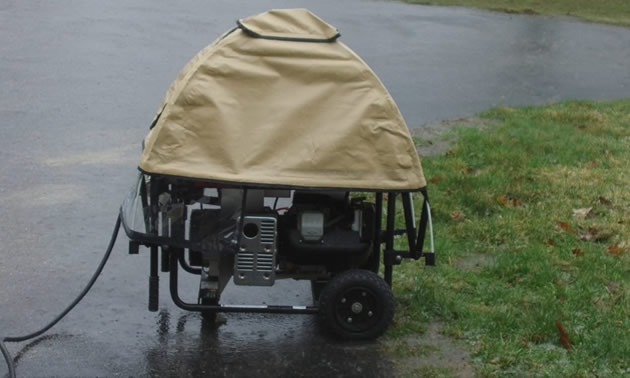
Credit: riderswestmag.com
Electrical Hazards To Consider
Running a generator during rainy weather brings a host of electrical hazards. Understanding these risks is crucial for your safety and the longevity of your equipment. Here are some key electrical hazards to consider.
Risk Of Electrocution
Electrocution is a severe risk when using a generator in the rain. Water conducts electricity, making wet conditions particularly dangerous. If your generator is not properly sheltered, splashes or direct contact with water can lead to severe injuries or even death.
Have you ever thought about where the power comes from? When the rain soaks your generator, it can create an unintended electrical pathway. This can lead to potentially fatal situations, especially if you are standing on wet ground.
Damage To Electrical Components
Rain can wreak havoc on your generator’s electrical components. Moisture can corrode wiring and connections, leading to malfunctions. Over time, this damage can render your generator useless, costing you both time and money.
Consider how frustrating it is to find your generator won’t start when you need it most. That’s often the result of water damage. Protecting your generator from the elements not only ensures safety but also preserves its lifespan.
Taking precautions to keep your generator dry can save you from headaches later. What steps will you take to shield your generator from the rain? Your safety and your equipment depend on it.
Ventilation And Carbon Monoxide Safety
Using a generator in the rain raises safety concerns. Ventilation is crucial. Proper airflow prevents harmful gases from building up. Carbon monoxide is a colorless and odorless gas. It can be deadly. Understanding how to keep your space safe is vital.
Ensuring Proper Airflow
Generators need fresh air to run safely. Place the generator in an open area. Avoid tight spaces like garages or sheds. Ensure nothing blocks the vents. Blocked vents can trap carbon monoxide. This can lead to serious health risks.
Keep the generator away from walls and fences. This allows air to circulate freely. Regularly check the area around the generator. Remove any debris or obstacles. Good airflow helps keep the environment safe.
Placement Away From Living Spaces
Position your generator far from your home. A distance of at least 20 feet is best. This keeps you safe from carbon monoxide exposure. Avoid placing it near windows or doors. Wind can blow harmful gases into your living space.
Use extension cords to connect to your home. Ensure they are rated for outdoor use. This helps keep your home safe while using the generator. Always prioritize safety over convenience.
Maintaining Generator Performance
Keeping your generator in good shape is crucial. A well-maintained generator runs better. It can handle challenges like rain. Regular care helps prevent issues.
Regular Inspections
Check your generator often. Look for signs of wear and tear. Inspect the electrical connections. Ensure they are secure and free of corrosion.
Examine the fuel system. Watch for leaks and blockages. Clean or replace filters as needed. Make these checks part of your routine.
Keeping Fuel Dry
Water in fuel can cause problems. Always store fuel in a dry place. Use containers that keep moisture out.
Consider using fuel stabilizers. They help prevent fuel degradation. Regularly check fuel levels and quality.
Replace old fuel before using the generator. This simple step can keep your generator running smoothly.
Emergency Preparedness Tips
Being ready for severe weather is important. Storms can happen without warning. Having a plan helps keep you safe. Here are some tips for emergency preparedness.
Planning For Severe Weather
Start with a weather alert system. Use apps or local news. Stay updated on weather changes.
Create an emergency kit. Include food, water, and first-aid supplies. Keep a flashlight and extra batteries. Store important documents in a safe place.
Know your evacuation routes. Familiarize yourself with local shelters. Share your plan with family and friends.
Backup Power Solutions
Consider a generator for power outages. Choose a model that fits your needs. Store it in a dry, safe area. Never use it indoors.
Use a generator cover to protect it from rain. Keep it elevated on a platform. This helps prevent water damage.
Consider solar-powered devices. They are quiet and eco-friendly. These can provide power without a generator.
Test your backup systems regularly. Ensure everything works before storms hit.

Credit: www.gentent.com
Frequently Asked Questions
Is Running A Generator In The Rain Dangerous?
Yes, running a generator in the rain is dangerous. Water can enter the generator, leading to short circuits or electrical shock. Additionally, wet conditions can increase the risk of carbon monoxide buildup. Always keep your generator in a dry area and use a waterproof cover if necessary.
How Can I Protect My Generator From Rain?
To protect your generator from rain, use a weatherproof cover designed for outdoor equipment. Position the generator under a canopy or in a shed while ensuring ventilation. Avoid placing it directly on the ground to prevent water pooling. Regular maintenance also helps keep it in good condition during wet weather.
What Happens If A Generator Gets Wet?
If a generator gets wet, it may short circuit or malfunction. Water exposure can damage internal components, leading to costly repairs. In severe cases, it can pose an electrocution risk. Always turn off and unplug the generator if it becomes wet, and allow it to dry completely before restarting.
Can I Use A Generator Outside In The Rain?
Using a generator outside in the rain is not recommended. Wet conditions increase the risk of electrical shock and can damage the generator. If you must operate it outdoors, ensure it is sheltered from rain and placed on a dry surface.
Always follow safety guidelines to minimize risks.
Conclusion
Running a generator in rain can be risky. Water and electricity do not mix well. Safety should always come first. Use a proper shelter for your generator. Keep it dry and protected from the elements. Check the manufacturer’s guidelines for safe operation.
Consider investing in a generator cover. Always prioritize your safety and those around you. Being cautious can prevent accidents and damage. Stay safe and enjoy the benefits of your generator during storms. Make informed choices for a worry-free experience.