
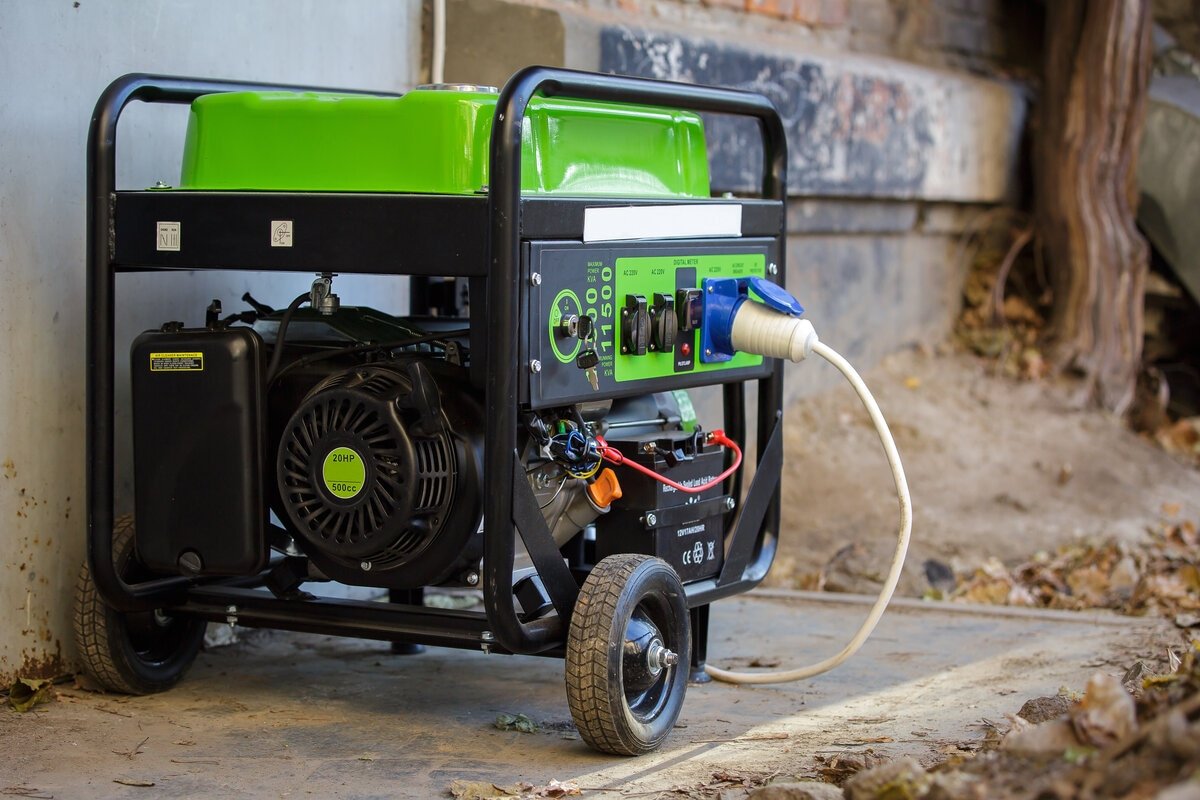
When the power goes out, a generator can be a lifesaver. But if you’re considering storing your generator in the garage, you might have some concerns about safety.
Is it really safe to keep it there? You’re not alone in wondering this. Many homeowners face the same dilemma. We’ll dive into the critical factors you need to know about generator safety in enclosed spaces. We’ll explore the risks, share expert advice, and offer tips to ensure that your generator use is both effective and safe.
By the end, you’ll have the information you need to make an informed decision that protects your home and your family. Keep reading to discover how to safely manage your power needs without compromising your safety.
Credit: www.reddit.com
Generator Placement Risks
Placing a generator in a garage can seem convenient. Yet, it carries serious risks. Understanding these risks helps you make safe choices. Here are some key dangers to consider.
Carbon Monoxide Poisoning
Generators emit carbon monoxide. This gas is colorless and odorless. It can build up quickly in enclosed spaces. Even a small amount can be deadly. A garage traps this gas. Opening doors or windows does not always help. Proper ventilation is crucial. Never run a generator indoors or in a garage.
Fire Hazards
Generators can start fires. Fuel spills can ignite easily. Dry materials in garages add to the risk. Flammable items should stay far away. Sparks from the generator can also cause fires. Always keep the area around the generator clear.
Noise Pollution
Generators can be very loud. The noise may disturb your family or neighbors. A garage does not muffle sound well. This can lead to complaints. Consider the noise level before placing a generator in your garage.
Access Issues
In an emergency, quick access matters. A generator in a garage can block exits. This can slow down response times. Ensure your garage layout allows easy movement. Safety should always come first.
Proper Maintenance Challenges
Maintaining a generator is essential for safety. A garage may limit your access. Regular checks help prevent issues. Ensure you can reach your generator easily. Maintenance should never be a hassle.

Credit: www.reddit.com
Carbon Monoxide Hazards
Carbon monoxide (CO) is often called the silent killer for a reason. This colorless, odorless gas can quickly become a serious threat if generators are not used safely. If you’re considering using a generator in your garage, understanding the carbon monoxide hazards is crucial.
Understanding Carbon Monoxide
Carbon monoxide is produced when fuels like gas, wood, and propane burn. Generators, especially portable ones, emit CO as a byproduct. This gas can build up rapidly in confined spaces like garages, putting you and your loved ones at risk.
Signs Of Carbon Monoxide Poisoning
- Headache
- Dizziness
- Nausea
- Shortness of breath
- Confusion
Have you ever felt a sudden headache while working in your garage? This could be a warning sign. Pay attention to your body, as it often indicates something is wrong.
The Danger Of Generators In Enclosed Spaces
Using a generator in an enclosed space, like a garage, can lead to deadly carbon monoxide levels. Even with the garage door open, it’s not enough ventilation. CO can linger and accumulate, making the situation even more dangerous.
Precautionary Measures
Consider taking these steps to protect yourself:
- Never operate a generator indoors or in a garage.
- Always place the generator outside, at least 20 feet away from windows and doors.
- Install a carbon monoxide detector in your home and check it regularly.
Taking these precautions can save your life. It’s better to be safe than sorry.
What To Do If You Suspect Co Exposure
If you suspect carbon monoxide exposure, act quickly. Move to fresh air immediately and seek medical attention. Don’t underestimate the seriousness of CO poisoning.
Are you ready to make the safe choice for your family? Using a generator requires responsibility and awareness of the potential hazards. Stay informed and prioritize safety above all else.
Fire Safety Concerns
Storing a generator in a garage raises serious fire safety issues. Generators produce heat and can ignite nearby materials. Understanding these risks is vital for safety.
Fuel Hazards
Generators run on fuel, which is highly flammable. Gasoline vapors can easily catch fire. Storing fuel in the garage increases fire risk. It’s important to keep fuel away from heat sources.
Carbon Monoxide Risk
Generators emit carbon monoxide, a deadly gas. Using one indoors can lead to poisoning. Always operate generators outside. Ensure proper ventilation to avoid dangerous buildup.
Proper Storage Practices
Store your generator in a cool, dry place. Keep it away from flammable materials. Ensure it’s turned off and cool before storing. Regular maintenance can also reduce fire risks.
Emergency Preparedness
Have a fire extinguisher nearby in case of an emergency. Know how to use it properly. Regularly check smoke alarms in the garage. Being prepared can save lives.
Ventilation Requirements
Ventilation is crucial when storing or using a generator in your garage. Generators emit carbon monoxide, a colorless and odorless gas that can be deadly in enclosed spaces. Proper ventilation helps mitigate this risk, ensuring your safety and peace of mind.
Understanding Carbon Monoxide Risks
Carbon monoxide (CO) is produced during the combustion process in a generator. Even small amounts can be harmful, leading to symptoms like headaches and dizziness.
In a garage without adequate ventilation, CO levels can rise quickly. This makes it vital to recognize the dangers and take steps to protect yourself.
Essential Ventilation Methods
To safely use a generator in your garage, consider these ventilation options:
- Install vents:Ensure your garage has vents that allow fresh air in and stale air out.
- Open windows:If possible, keep windows open while the generator is running.
- Use fans:Positioning a fan can help circulate air and disperse harmful gases.
Each method can significantly reduce CO buildup. Choose a combination that works best for your space.
Monitoring Air Quality
Invest in a carbon monoxide detector. This small device can alert you to dangerous CO levels in your garage.
Regularly check the detector’s battery and functionality. It’s a simple yet effective way to enhance your safety.
Consider Alternative Solutions
If ventilation seems inadequate, consider relocating your generator. Using it outside is the safest option.
Generators can be powerful tools, but they require respect. Your health and safety should always come first. Would you risk your well-being for the sake of convenience?
Distance From Flammable Objects
Keeping a generator in a garage can be risky. One major concern is its distance from flammable objects. Generators produce heat and can ignite nearby materials. Understanding safe distances is crucial for fire prevention.
Why Distance Matters
Flammable objects include gasoline, paper, and wooden items. Heat from the generator can catch these materials on fire. Always keep these items far away. A safe distance helps reduce the risk of fire.
Recommended Distance
Experts suggest keeping generators at least five feet away from flammable objects. This distance decreases the chance of ignition. Measure the space carefully before placing your generator.
Proper Storage Practices
Store flammable materials in a different area. Avoid stacking them near the generator. Use cabinets or shelves to keep them safe and out of reach.
Regular Checks
Check the area around your generator regularly. Remove any flammable items that may get too close. Keeping the space clear is essential for safety.
Proper Fuel Storage
Storing a generator in the garage can be risky. Generators produce carbon monoxide, which is harmful in enclosed spaces. Ensure proper ventilation and keep fuel safe from heat and sparks. Always follow safety guidelines for fuel storage to avoid accidents.
Proper fuel storage is crucial when dealing with generators, especially if you’re considering keeping one in your garage. The way you store fuel can significantly impact safety and performance. Here are some key points to consider for effective and safe fuel storage.Choosing The Right Fuel Container
Using the right fuel container can make all the difference. Opt for containers specifically designed for fuel storage. These containers are typically made of durable materials and have safety features to minimize the risk of spills and leaks. Always check for any damage before using a container. A small crack can lead to major problems, especially in a confined space like a garage.Storing Fuel In A Cool, Dry Place
Temperature plays a big role in fuel storage. Store your fuel in a cool, dry area away from any heat sources or direct sunlight. Heat can cause fuel to expand, increasing the risk of leaks. A stable, moderate temperature helps keep your fuel in good condition.Regularly Check Fuel Quality
Fuel doesn’t last forever. Regularly check the quality of your stored fuel. Look for changes in color or smell, which can indicate degradation. If you notice any issues, it’s better to dispose of that fuel properly than to risk using it in your generator.Labeling Your Fuel Containers
Clear labeling is essential for safety. Always label your fuel containers with the type of fuel and the date of storage. This practice helps you keep track of how long the fuel has been stored and ensures you use the correct type when needed.Keeping Fuel Away From Ignition Sources
Your garage may have various appliances that can ignite fuel fumes. Keep your fuel containers at least 10 feet away from any ignition sources such as heaters, water heaters, or electrical panels. This distance significantly reduces the risk of fire, creating a safer environment for you and your family.Disposing Of Old Fuel Properly
Don’t let old fuel sit around. If you find that your fuel has degraded or is past its usable date, dispose of it responsibly. Contact your local waste disposal service to find out the proper procedures for disposing of fuel safely. Taking these steps ensures that you maintain a safe storage environment for your generator fuel in your garage. How you store fuel can impact both safety and functionality. Are you ready to take your fuel storage practices to the next level?Emergency Shutdown Procedures
Knowing how to shut down your generator safely is important. Emergencies can happen at any time. Quick action can prevent accidents. Follow these steps for safe shutdown.
Turn Off All Appliances
First, turn off all appliances connected to the generator. This reduces load on the generator. It makes the shutdown process smoother. Make sure everything is off before proceeding.
Switch Off The Generator
Next, locate the generator’s power switch. Flip the switch to the “off” position. Wait for a few moments. Let the generator cool down before moving on.
Disconnect Cords Safely
Once the generator is off, disconnect all cords. Start with the cords connected to the generator. Be careful while handling them. Ensure they are not hot before touching.
Check For Fuel Leaks
After disconnecting, check for fuel leaks. Look around the generator’s fuel lines. If you see any leaks, do not use the generator. Contact a professional for repairs.
Store The Generator Properly
Finally, store the generator in a safe place. Keep it in a dry area away from flammable materials. Proper storage helps maintain the generator’s condition. It also ensures safety for everyone.
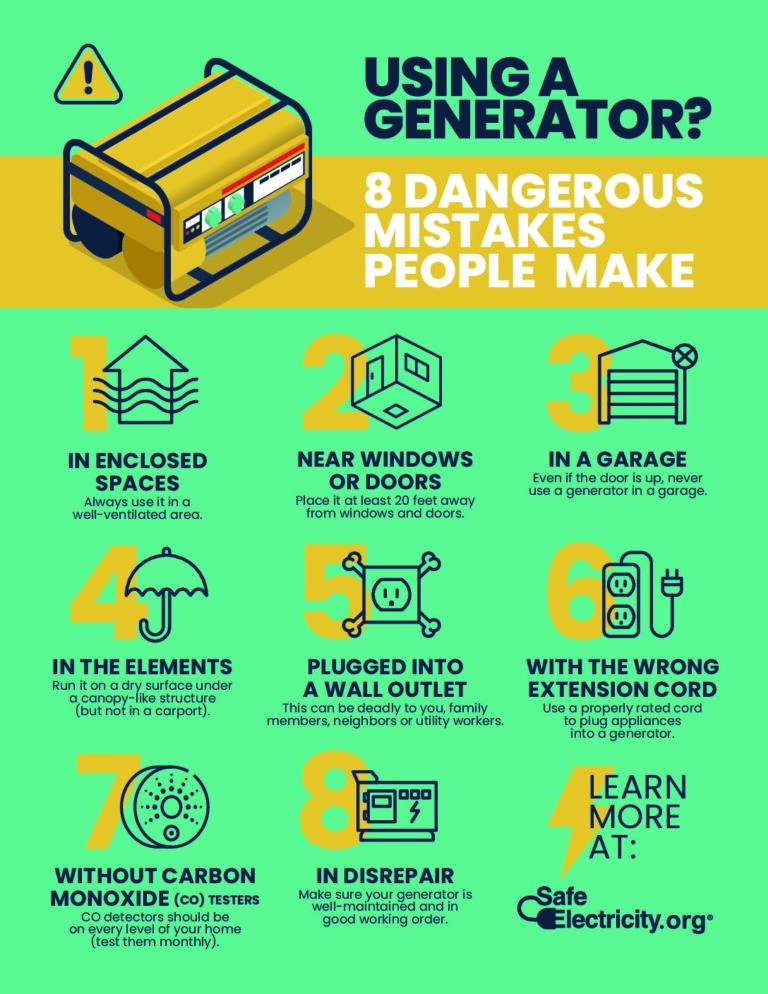
Credit: www.jpenergy.com
Recommended Alternatives
Keeping your generator safe while ensuring it operates effectively can be a challenge. Placing a generator in your garage may seem convenient, but it poses serious safety risks. Instead, consider these recommended alternatives to keep both your equipment and home secure.
Outdoor Generator Placement
One of the best alternatives is placing your generator outdoors. Find a well-ventilated area, away from windows and doors. This minimizes the risk of carbon monoxide buildup inside your home.
Ensure the spot is dry and protected from the elements. Using a generator tent or a shed can provide shelter while allowing ventilation. This setup can help your generator run efficiently without compromising safety.
Generator Covers
Investing in a high-quality generator cover is essential if you choose outdoor placement. A cover will protect your generator from rain, dust, and debris. Look for weather-resistant materials that provide breathability to avoid moisture buildup.
Make sure the cover fits snugly but allows airflow. It’s crucial to check the generator regularly for any signs of rust or damage after using a cover.
Portable Generator With Built-in Safety Features
Consider a portable generator equipped with built-in safety features. Some models have carbon monoxide sensors that automatically shut down the generator when dangerous levels are detected. This feature can provide an extra layer of protection for you and your family.
Look for models with automatic voltage regulation, which helps prevent overloads. This can save you from potential damage to your appliances while ensuring safe operation.
Proper Exhaust Direction
If you must use your generator near your home, direct the exhaust away from living spaces. Use extension cords to bring power into your home from a safe distance. This approach keeps toxic fumes away while allowing you to benefit from your generator’s power.
Always check local regulations regarding generator placement. Compliance ensures safety and can prevent potential fines.
Regular Maintenance Checks
Regular maintenance is key to keeping your generator safe and efficient. Schedule routine checks to ensure it’s in good working condition. Clean filters, change oil, and inspect for any signs of wear and tear.
A well-maintained generator is less likely to malfunction, which means you can use it confidently whenever needed.
Have you thought about where your generator will be placed? Safety is not just about convenience; it’s about protecting your home and family.
Safety Equipment Essentials
Using a generator in your garage requires safety measures. Proper safety equipment can protect you and your property. Let’s explore some key items to have on hand.
Carbon Monoxide Detectors
Carbon monoxide is a silent killer. Install detectors near your generator. They alert you if levels get too high. Regularly check the batteries to ensure they work.
Fire Extinguisher
Keep a fire extinguisher nearby. Choose one rated for electrical fires. Ensure everyone knows where it is. Familiarize them with how to use it.
Ventilation Fans
Good airflow is crucial. Use ventilation fans to reduce harmful fumes. Position them to blow outside. This helps keep your garage safe and breathable.
Protective Gear
Wear protective gear while operating the generator. Use gloves to avoid burns. Safety goggles protect your eyes from debris. Ear protection helps with loud noise.
First Aid Kit
Have a first aid kit handy. Accidents can happen. Include bandages, antiseptic wipes, and pain relievers. Ensure it is easily accessible for quick response.
Frequently Asked Questions
Is It Safe To Use A Generator In An Enclosed Space?
No, it is not safe to use a generator in an enclosed space like a garage. Generators emit carbon monoxide, a colorless and odorless gas. This gas can quickly build up and pose serious health risks. Always operate generators outdoors, away from windows and doors.
What Are The Risks Of Using A Generator Indoors?
Using a generator indoors can lead to carbon monoxide poisoning. Symptoms include headaches, dizziness, and confusion. In severe cases, it can be fatal. Additionally, indoor use increases the risk of fire due to fuel spills. Always prioritize safety by using generators outside.
How Can I Safely Use A Generator Near My Garage?
To safely use a generator near your garage, place it at least 20 feet away from the building. Ensure that the exhaust is directed away from any openings. Use heavy-duty extension cords rated for outdoor use. Always monitor the generator while in operation.
What Should I Do If I Smell Gas Near My Generator?
If you smell gas near your generator, immediately turn it off and evacuate the area. Gas leaks can lead to explosions or fires. Check all fuel connections for leaks before restarting. If the smell persists, contact a professional for assistance.
Conclusion
Keeping a generator in the garage can be risky. It can cause carbon monoxide buildup. This gas is dangerous and can harm you. Always ensure proper ventilation. Store the generator outside when not in use. Safety should be your top priority.
Follow local guidelines for using generators. Make informed choices to protect yourself and your family. A little caution goes a long way. Stay safe and enjoy your generator’s benefits without worry.